How to Knit a Dishcloth

KnittingEasy16:5610 stepsPart of DIY Crafts for BeginnersBrowse more →
The finished result: How to Knit a Dishcloth
Also in:Crafts

By CraftingStepByStepPublished

Based on a video by NimbleNeedles.

A knitted dishcloth is the project to hand anyone who has just learned to knit and purl. It is small, it is cotton, and nobody inspects a dishcloth for wonky rows. Norman at NimbleNeedles finishes one in under an hour.

The cloth is a moss stitch center with a three stitch garter border down each side and garter bands top and bottom. All those raised bumps are the point - they grab at a dirty pan the way a flat stockinette square never will. A white row under the bind off and a short strap turn it into something you would give away. Never held needles before? Start with knitting for absolute beginners.

What you need

Worsted weight cotton, size 7 (4.5 mm) needles, scissors, a tapestry needle. That is the entire list. Norman uses Schachenmayr Catania Grande in teal with a little white for the edge; any worsted cotton works the same way.

Stay away from wool. A dishcloth lives in hot water and eventually in the washing machine, and wool felts down into a stiff little coaster. Cotton, linen or a cotton blend all hold up, and one ball makes two or three cloths. Straight or double pointed needles both work, since nothing here is knitted in the round.

The pattern, written out

Cast on 32 stitches, leaving a tail of 5 to 6 inches.

  • Rows 1 to 5: knit every stitch
  • Row 6: K3, then *K1, P1* to the last 3 stitches, K3
  • Row 7: same as row 6
  • Row 8: K3, then *P1, K1* to the last 3 stitches, K3
  • Row 9: same as row 8
  • Rows 10 to 41: repeat rows 6 to 9 eight more times
  • Rows 42 to 45: knit every stitch
  • Row 46: join the contrast color, knit one row, then bind off

Two rows leading with a knit stitch, two leading with a purl stitch. That switch every second row is the only thing to hold in your head, and it assumes you can already knit and purl.

Moss stitch or seed stitch

The two names get swapped for each other constantly. Seed stitch flips every row. The moss stitch here repeats each row once before flipping, which gives chunkier bumps and is easier to track. Both are reversible and both have grip, so a cloth knitted in seed stitch by accident still scrubs.

Changing the size

Thirty two stitches and 36 rows of moss gives a cloth around 8 inches square. For a smaller one, cast on 26 and work 32 rows of moss. Going bigger runs the same way: keep the stitch count even, and add rows in groups of four so you finish on row 9 of a repeat.

The stitch pattern in the middle is swappable too. Double moss, basketweave and star stitch all give the texture a dishcloth needs. Avoid lace - holes are lovely and useless on something meant to scrub.

Common mistakes

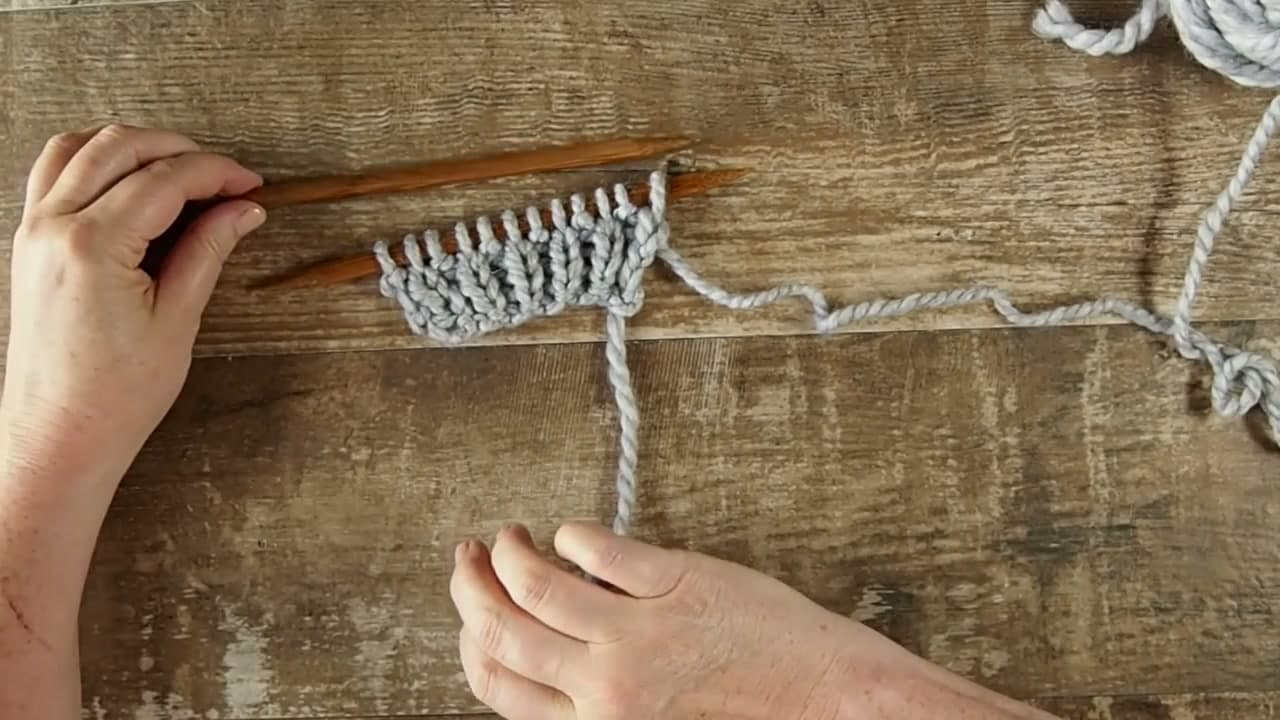
Extra stitches out of nowhere. This is the big one. Moving between knit and purl sends the yarn from back to front and back again, and it is easy to hook it over the needle on the way. That makes a yarn over: one extra stitch and a small hole. Pass the yarn between the two needle tips, never across the top of one.

Losing your place. Use a row counter, or read the fabric: two bumps stacked under the first stitch of your row means switch the repeat, one bump means work the stitches as they appear for one more row.

A top edge that pulls in. A bind off worked at your normal tension ends up tighter than the fabric. Work it loosely, or use a needle a size or two larger.

Curling sides. If the edges roll, a border stitch has probably slipped into the repeat. Those six stitches, three at each end, are garter and stay garter on every row.

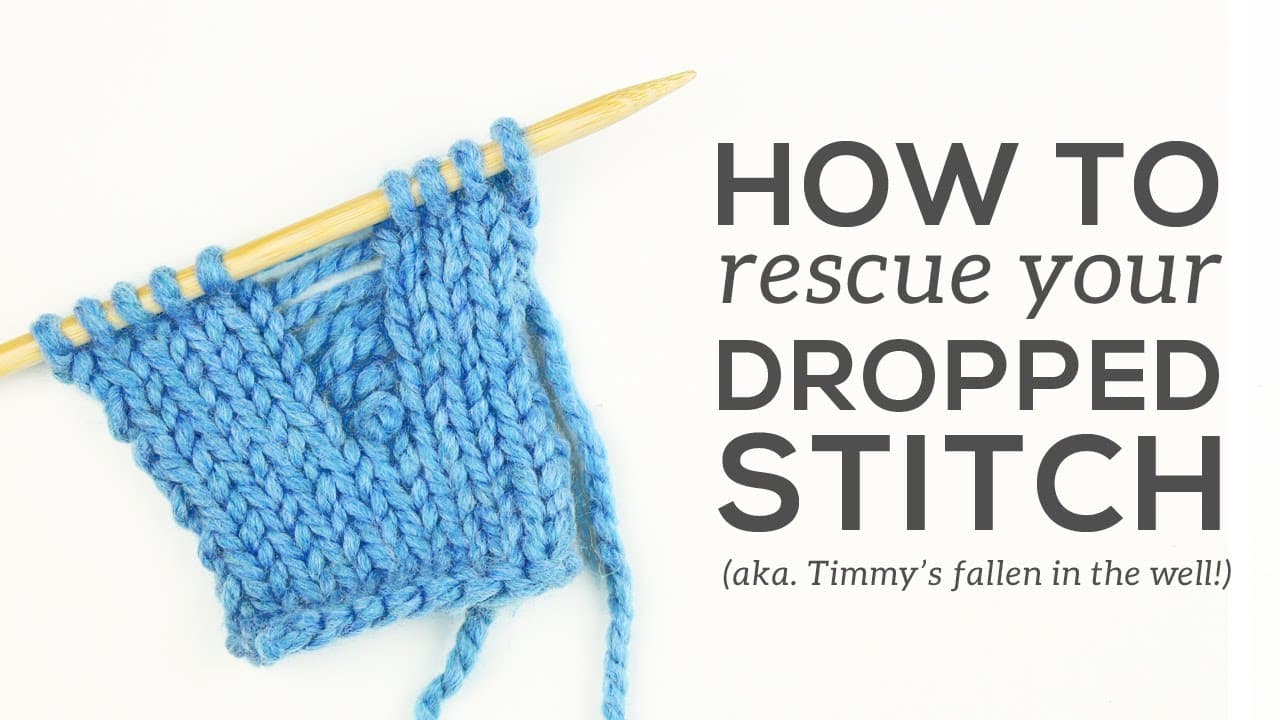
If a stitch escapes mid-row, pick the dropped stitch back up first. Want the same project with a hook? There is a crochet dishcloth that takes about as long.

What you'll need

Step-by-Step Guide

10 steps · about 17 minutes.Check off each step as you go and your progress saves automatically.

1

Gather cotton yarn, needles and a tapestry needle

1:00
Step 1: Gather cotton yarn, needles and a tapestry needle - How to Knit a Dishcloth

You need less for this than for almost any other knitting project. Worsted weight cotton, size 7 (4.5 mm) needles, scissors and a tapestry needle. Norman knits with Schachenmayr Catania Grande, teal for the body and white for the edge, and any worsted cotton will behave the same.

Leave the wool in the stash. A cloth that lives in hot water needs a fiber that can survive it. Pull out your contrast color now so it is sitting within reach when you get to the last few rows.

Tip

One ball of worsted cotton makes two or three cloths. Buy two colors and alternate which one is the body and which one is the edge.

2

Cast on 32 stitches

1:44
Step 2: Cast on 32 stitches - How to Knit a Dishcloth

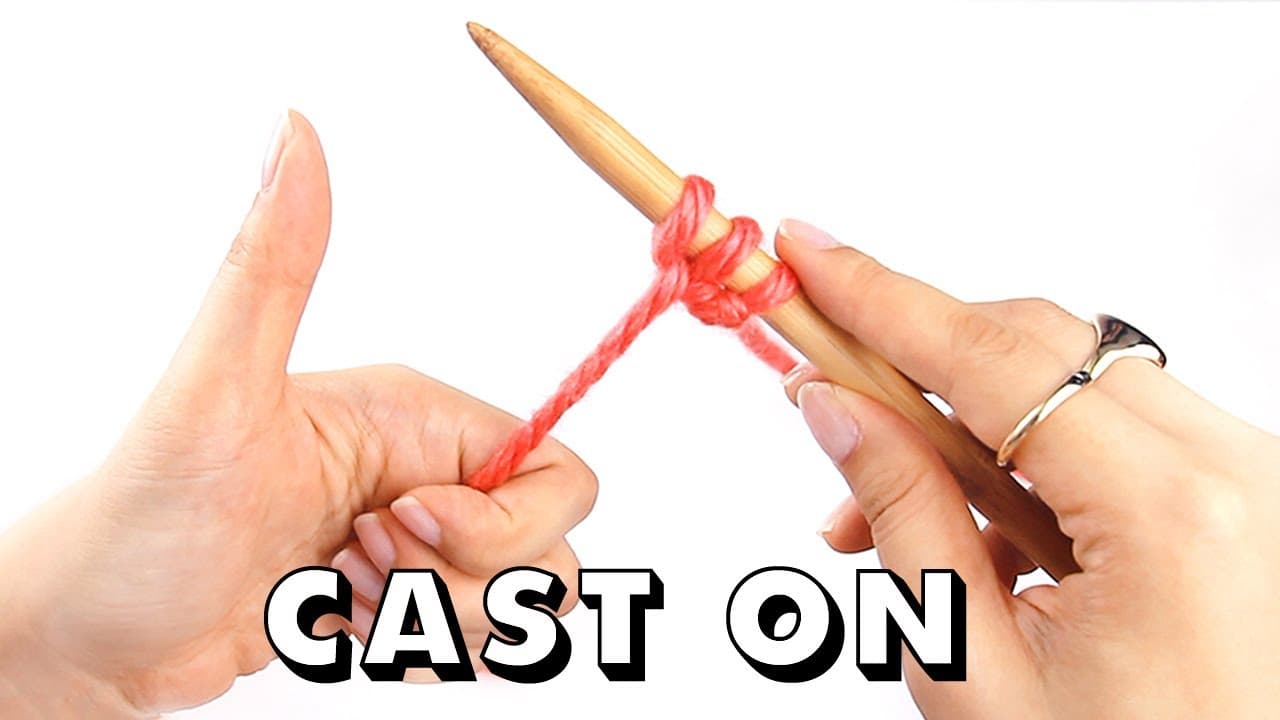
Cast on 32 stitches with a long tail cast on and leave yourself a tail of 5 or 6 inches. You weave that tail in at the very end, and a short one is miserable to work with.

Thirty two is what makes the math work later: six border stitches plus 26 that alternate knit and purl. Count twice before you start knitting, because finding out at row 20 that you have 33 is a bad afternoon.

Tip

If your cast on edge comes out tight, cast on over a needle one size larger and switch back for row 1.

3

Knit five rows of garter stitch

2:10
Step 3: Knit five rows of garter stitch - How to Knit a Dishcloth

Knit every stitch across five full rows. No purling yet. Those five rows become the bottom band of the cloth, and garter stitch does not curl, so the edge lies flat instead of rolling up.

Count them as you knit. It is easy to run to six or seven without noticing, and while the cloth will still work, the bands at the top and bottom will not match. Turn the work at the end of each row and carry straight on.

Tip

Garter rows are easy to count from the side of the fabric: every ridge you can see is two knitted rows.

4

Work the moss stitch repeat

3:38
Step 4: Work the moss stitch repeat - How to Knit a Dishcloth

Row 6 is where the texture starts. Knit three, then alternate knit one, purl one across until three stitches remain, and knit those last three. Row 7 is identical to row 6.

Row 8 flips the order: knit three, then purl one, knit one across, then knit three. Row 9 matches row 8. That is the whole repeat. Work it eight more times, through row 41. The three knit stitches at each end are your garter border and they are what stops the sides curling.

Tip

Bring the yarn to the front to purl and to the back to knit, and pass it between the needle tips rather than over the top of one.

5

Keep track of the row you are on

5:35
Step 5: Keep track of the row you are on - How to Knit a Dishcloth

Thirty six rows of a four row repeat is exactly the sort of thing you lose your place in. A clicker counter on your finger solves it: one click at the end of every row, with the repeat written on a scrap of paper so you can cross lines off as you go.

Reading the fabric works too. Moss stitch stacks two knit bumps on top of each other before switching. If the first stitch of your row has a single bump under it, knit the stitches the way they appear for one more row before you flip the repeat.

Tip

Mistakes in a dishcloth are not worth ripping back for. An extra purl in the middle of row 22 will never be found again once the cloth is wet.

Used in this stepfinger row counter ring
6

Knit four garter rows across the top

7:45
Step 6: Knit four garter rows across the top - How to Knit a Dishcloth

Row 41 is the last moss row. From row 42, knit every stitch for four rows straight, the same way you started the cloth.

The fabric changes under your hands here, flatter and ridged instead of bumpy, which is how you know you are in the right place. Four rows rather than five is deliberate. The bind off adds visual weight at the top and evens the two bands out.

7

Join the white yarn for the contrast edge

8:25
Step 7: Join the white yarn for the contrast edge - How to Knit a Dishcloth

Drop the teal and start knitting with the white. There is no special join here, no splicing, no weaving as you go. Pick up the new yarn and knit the first stitch with it, leaving a few inches of tail hanging on both yarns.

One white row is all it takes. It puts a thin bright line right under the bound off edge and makes the cloth look finished rather than abandoned. Happy with a single color? Knit the row in the same yarn and carry on.

8

Bind off in the contrast color

10:00
Step 8: Bind off in the contrast color - How to Knit a Dishcloth

Cut the teal a few inches from the fabric and tie the two tails together in a small knot while the stitches are still on the needle. The knot steadies the color change and it vanishes once the ends are woven in.

Turn the work and bind off every stitch the ordinary way. Nothing stretchy, nothing clever. Keep it loose, though. A tight bind off drags the top edge in and the cloth stops being square.

Tip

If the bound off edge is drawing in, work it again with a needle one or two sizes larger.

9

Knit a little hanging loop

11:00
Step 9: Knit a little hanging loop - How to Knit a Dishcloth

One stitch is left on the needle. Do not cut the yarn. Cast on 18 stitches with a knitted cast on: knit a stitch, lift the new loop back onto the left needle, knit into it again, and keep going until you have 18.

Then bind all 18 off straight away. What you are left with is a narrow, sturdy strap. Cut the yarn and pull the last stitch through to close it off.

Tip

Twisting each stitch as you lift it onto the left needle is technically wrong and makes this cast on much faster. On a strap this short, nobody will ever know.

10

Sew on the loop and weave in the tails

12:42
Step 10: Sew on the loop and weave in the tails - How to Knit a Dishcloth

Thread the strap's tail onto a tapestry needle and stitch its free end down to the same corner the strap grows out of, then hide the rest of that tail inside the strap itself.

Four tails are left. On cotton, running them along the edge tends to slip, so weave the ends through the garter ridges on the back instead: spear the little bars for an inch, turn, and come back through the row above in the opposite direction. Two passes in opposite directions is what keeps them put through a wash cycle. Snip close and the cloth is done.

Tip

A sharp tapestry needle makes this far less fiddly than a blunt one when you are going through the ridges rather than around them.

Used in this stepbent tip tapestry needles

Keep going

How to Knit Continental Style for Faster, Smoother Knitting

Products Used

The Checklist

How to Knit a Dishcloth

Tools
4
Materials
2
Steps
10
Video
17 min

Tools we recommend

Your Guide

NimbleNeedles

As an Amazon Associate we earn from qualifying purchases. Links on this page may be affiliate links - clicking them and buying doesn't change your price, but helps support CraftingStepByStep.

Tags

Sunday How-To

New knitting tutorials, every Sunday

One short email with the week's best step-by-step guides. Free, no spam, unsubscribe anytime.

Did this work for you?

What's next

Related collections

Curated theme pages that include this tutorial.

Weekly Digest

Liked this knitting tutorial?

Pick the categories you want to hear about. Weekly digest of new step-by-step tutorials. No spam, easy unsubscribe.

Send me tutorials about

We only email about new tutorials. Easy unsubscribe anytime.