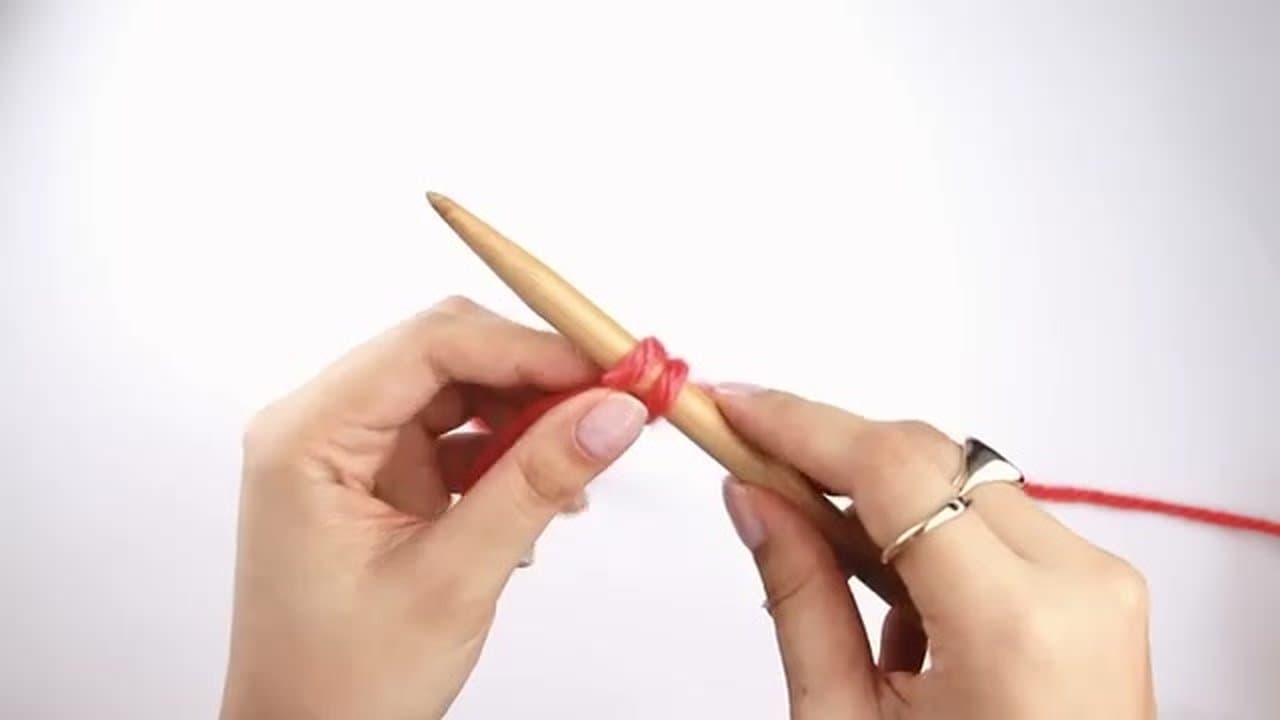
How to Bind Off Knitting: 7 Steps for Total Beginners

The finished result: How to Bind Off Knitting: 7 Steps for Total Beginners
  • Difficulty: Easy
  • About 10 minutes
  • 7 steps

You tapped Save

Save this project for later

We'll email you a link, no password.

How to Bind Off Knitting: 7 Steps for Total Beginners

  • Your saved projects in one list
  • Your ticked steps on any device

Check your inbox for an email from us. Not there? Look in your spam folder.

Print

Steps written out by Crafting Step by Step from Sheep & Stitch's video (opens YouTube) (5:13). Published .

Also in:Crafts
Step 4 of 5 inKnitting for Absolute Beginners

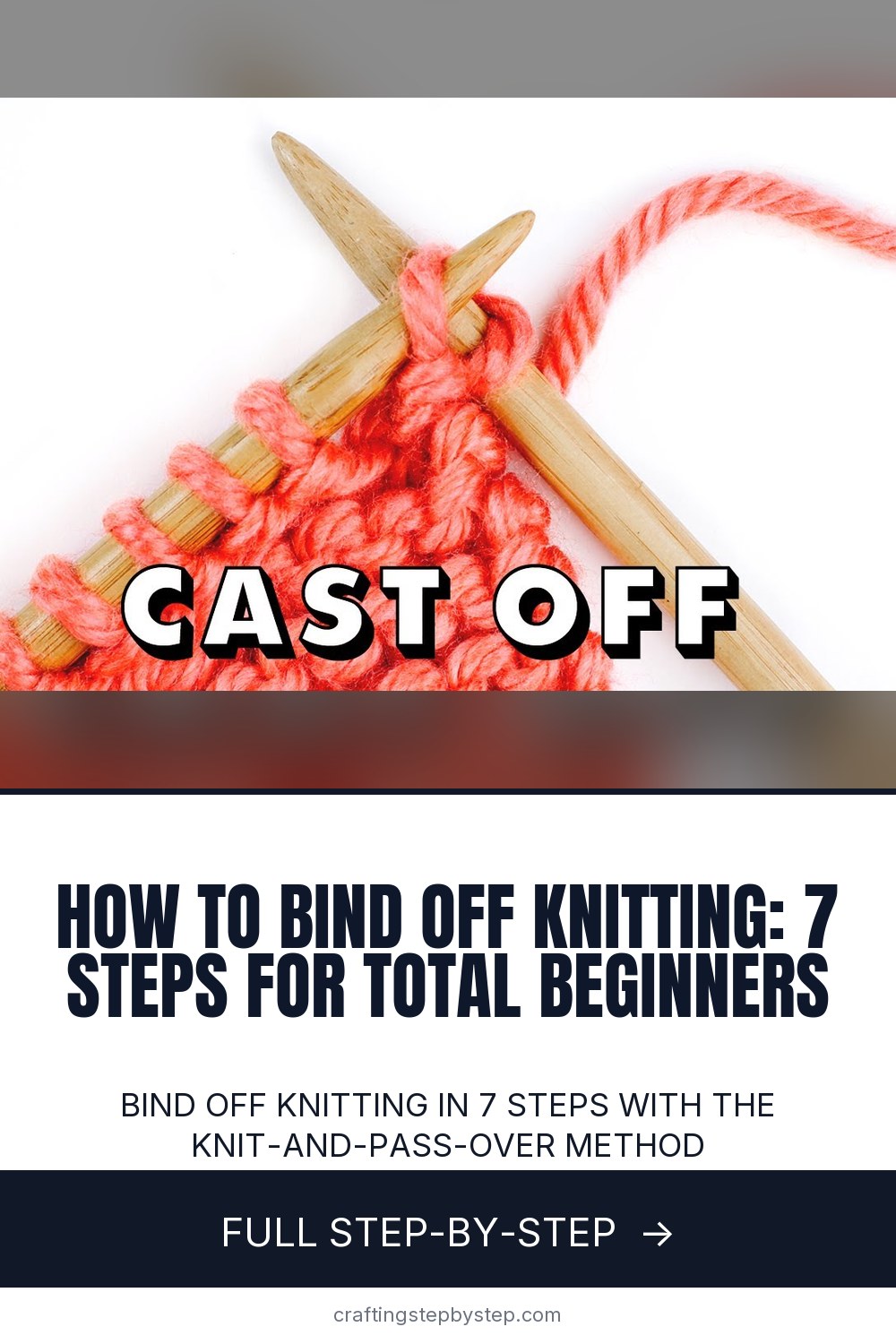
You've worked your way through a few rows. The fabric is sitting on your needle and looking pretty good. The last thing left is to get it off the needle without the whole thing falling apart - that's the bind off (sometimes called the cast off).

Davina from Sheep & Stitch walks through the standard bind-off method one stitch at a time. The whole technique is two moves on repeat: knit a stitch, then lift the previous stitch over and off. Keep doing that across the row, snip your yarn, pull the tail through the last loop, and you're done.

Use the same yarn and needles you knit the project with. Bulky yarn on 10mm needles, like Davina uses, makes every stitch easy to see.

What you need

  • Your project still on the needles, working yarn attached
  • The needles you knit it on, plus a larger pair if your hands run tight
  • Scissors
  • A tapestry needle for the tail

Cast off and bind off are the same thing

Bind off is the American word, cast off is the British one. Same stitches, same edge. A pattern that says "cast off 8 sts loosely" wants the leapfrog in these steps, worked eight times, with a relaxed hand. Learn both, because half the patterns you find use the other word. It is the opposite bookend to casting on: one puts stitches on the needle, the other takes them off.

How much yarn you need to bind off

Running dry three stitches from the end is an annoying way to finish. Lay the working yarn along the top edge of your work and fold it back and forth three times, then add 8 inches for the tail. If it reaches, you have enough - about 21 inches for a 7-inch dishcloth. Do not start a wide edge on the last scraps of a skein.

Bind off too tight? This is the fix

A tight bind off is the most common failure, and it does real damage. The brim of a knit hat or the cuff of a sock will not stretch over a head or a heel. Most people bind off tighter than they knit, because lifting a stitch over pulls the yarn snug. Three fixes, easiest first:

  1. Hold a needle one or two sizes larger in your right hand and knit onto that. Nothing else changes, and it solves most tight edges.
  2. Tug each new stitch a little bigger before you lift the old one over it.
  3. Work a stretchy bind off. Knit two, slip both stitches back to the left needle, knit them together through the back loops. Knit one more, slip both back, knit them together through the back loops again. Repeat to the end. That edge is springy enough for a sock cuff or a neckline.

Bound off too loose and the top edge flares? Go down a needle size, or block the piece flat.

Binding off in pattern

These steps bind off in knit, which is right for garter stitch and stockinette. If your last row was ribbing, bind off in pattern: knit the knit stitches and purl the purl stitches as you go, lifting over after each one. Only the stitch you make changes. Ribbing bound off in plain knit loses its bounce and flares, which shows on every hat brim and sweater neckband.

Weaving in the tail

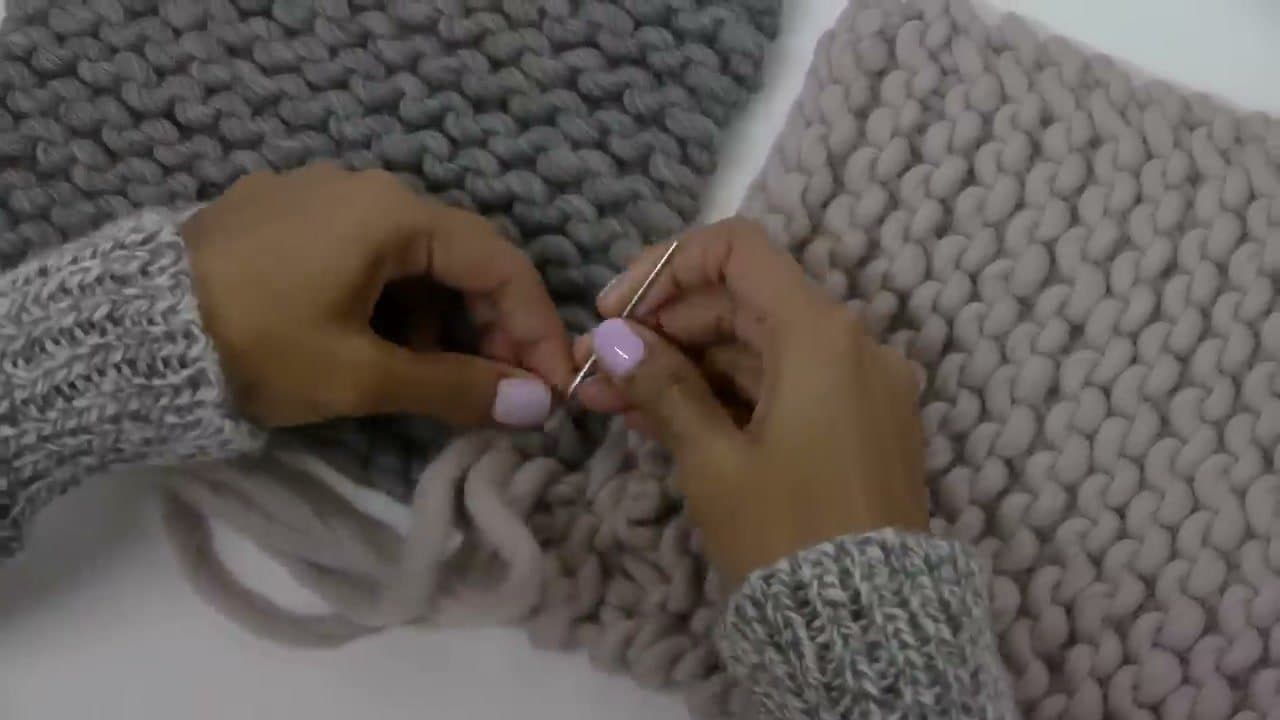
Pulling the tail through the last loop locks the bind off, but the tail itself is still loose. Thread it on a tapestry needle, run it through the bumps on the back of the fabric for two inches, then double back the other direction for an inch. That change of direction stops it creeping out in the wash. More on ends in weaving in ends.

Common mistakes

  • Three stitches on the right needle. You knit twice in a row and skipped a lift. Slide the extra stitch back to the left needle and carry on.
  • Counting the wrong thing. When a pattern says bind off 6 stitches, count the stitches you lift over and drop, not the ones you knit. The loop left on the right needle does not count yet.
  • Cutting the tail too short. Six inches is the floor, ten is comfortable.

Free printable

Print the steps and supply list for this project

One page you can take to the table. Free with a free account, no password.

Get the free printable

What you'll need

Free, for this project

Get this checklist by email

  • All 4 tools and materials, with tick boxes
  • A link to print all 7 steps on paper, to keep by you while you craft

No password. The whole tutorial stays free on this page.

Quick answer

Bind off knitting in 7 steps with the knit-and-pass-over method. An easy project: about 10 minutes. You need 4 things, including Yarn, Knitting Needles and Tapestry Needle. The 7 steps: knit the First Two Stitches, lift the First Stitch Over the Second, knit One More, Lift Over Again, repeat Across the Row, bind Off the Last Stitch, cut the Yarn and pull the Tail Through to Lock It.

Step-by-step guide

7 steps, about 5 minutes. Tap a picture to jump to that step. Your progress saves automatically.

Tick each step off as you go.

  1. Step 2: Lift the First Stitch Over the Second

    Watch this step · 1:20

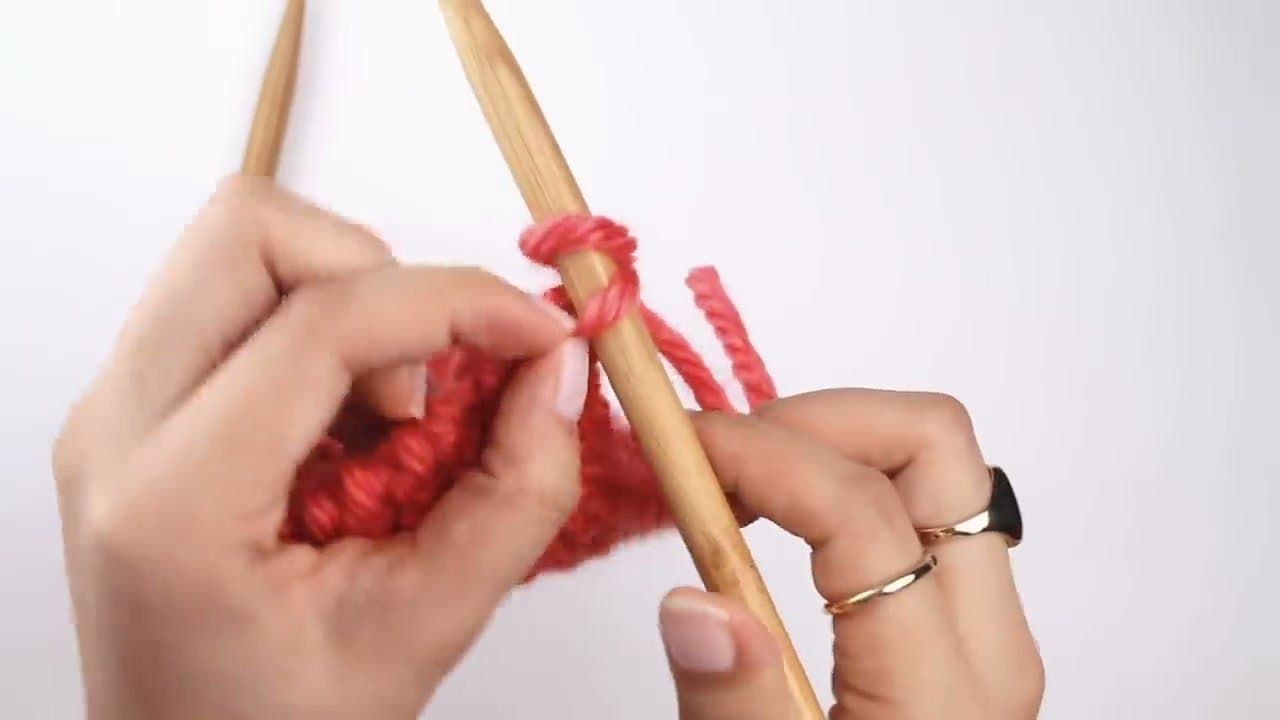
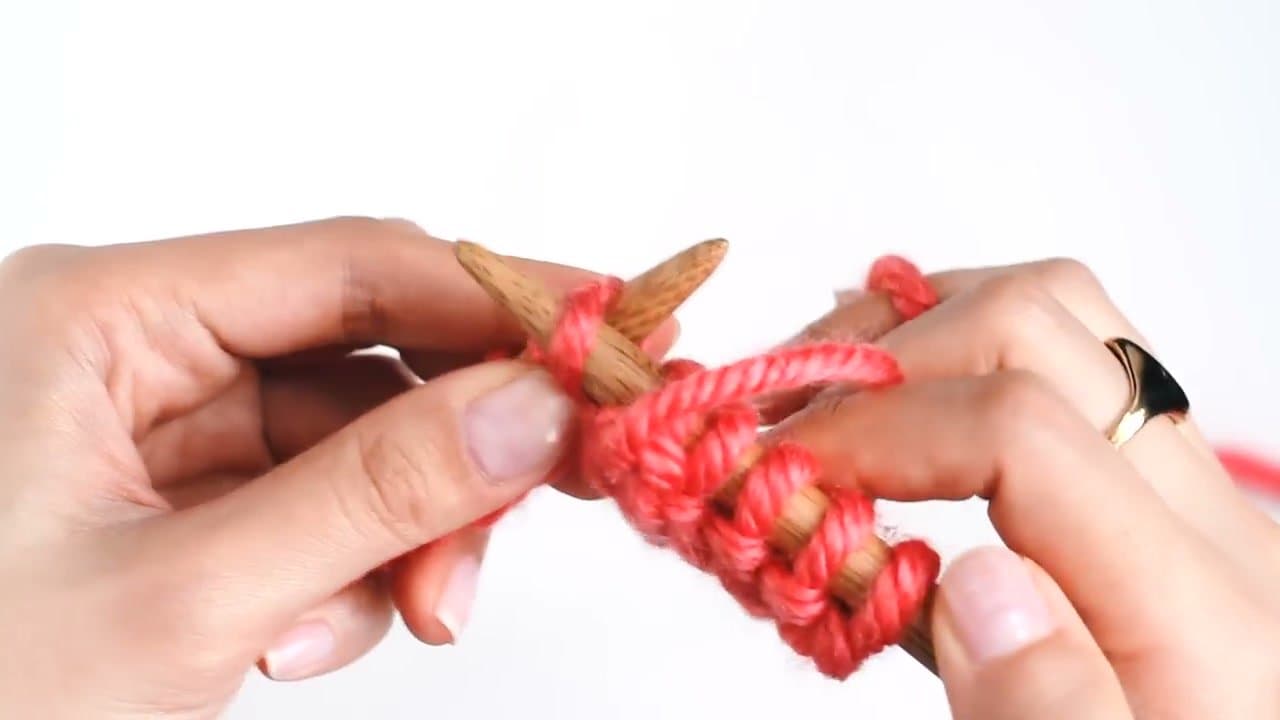
    Use the tip of your left needle to dig under the first stitch on the right needle (the one closer to the body of your work). Lift it up, bring it over the second stitch, and let it drop off the end of the right needle.

    One stitch has been bound off. One stitch is left on the right needle. Davina calls it leapfrogging - the first stitch jumps over the second.

    Back to all steps

  2. Step 3: Knit One More, Lift Over Again

    Watch this step · 1:45

    You've got one stitch on the right needle. You need two before you can leapfrog again. So knit one more stitch from the left needle.

    Now there are two on the right. Use the left needle to lift the first one over the second and drop it off, exactly like before. That's the whole pattern.

    Tip:

    Always count: two stitches on the right needle, never more, never less. If you ever see three, you skipped a leapfrog somewhere.

    Back to all steps

  3. Step 4: Repeat Across the Row

    Watch this step · 2:25

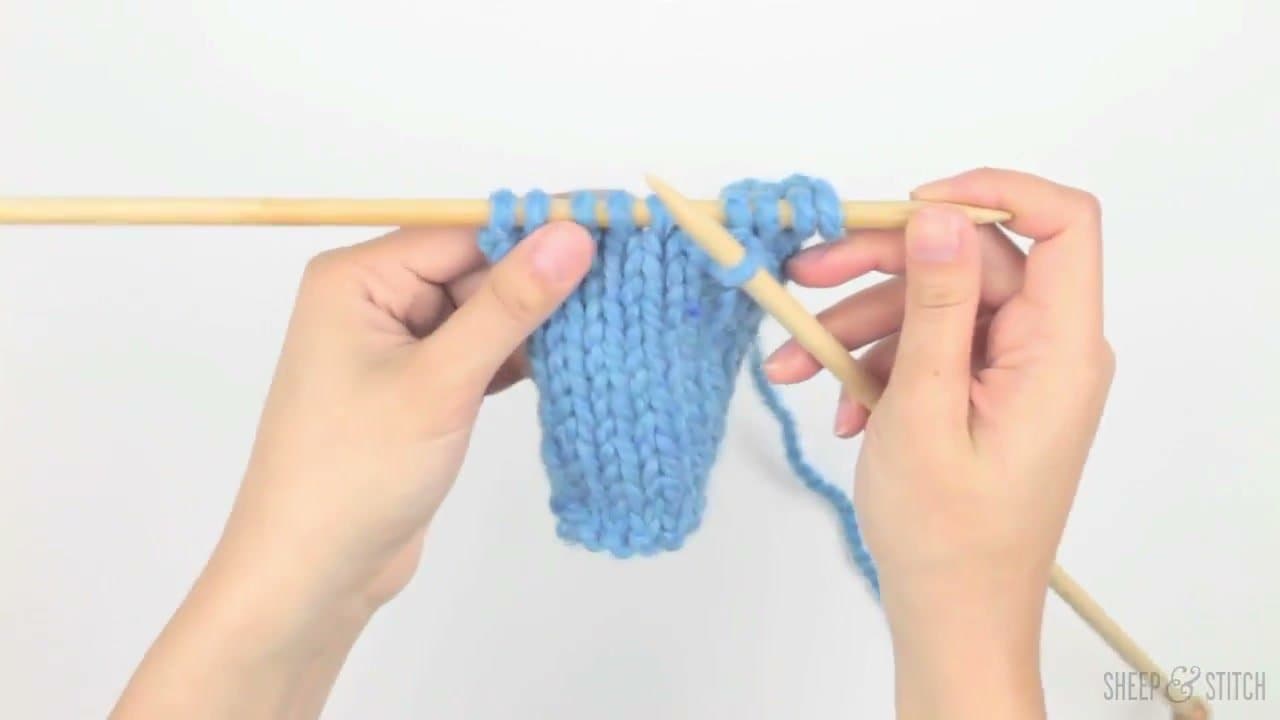
    Settle into the rhythm. Knit one. Lift the previous stitch over. Knit one. Lift over. Keep going all the way across the row.

    You'll see a tidy little ridge forming along the top of your work as the bound-off stitches chain together. That's the edge that holds everything in place once you're off the needles.

    Tip:

    Knit loosely while you bind off. A tight bind off pulls the top edge in and makes scarves and blankets look puckered. If your edge feels stiff, ease up on the tension.

    Back to all steps

  4. Step 5: Bind Off the Last Stitch

    Watch this step · 3:35

    Eventually you'll work down to the very last stitch on the left needle. Knit that one onto the right needle so you've got two stitches sitting there.

    Lift the first one over the second one final time. The left needle is now empty. The right needle holds a single loop - that's your last stitch.

    Back to all steps

  5. Step 6: Cut the Yarn

    Watch this step · 3:50

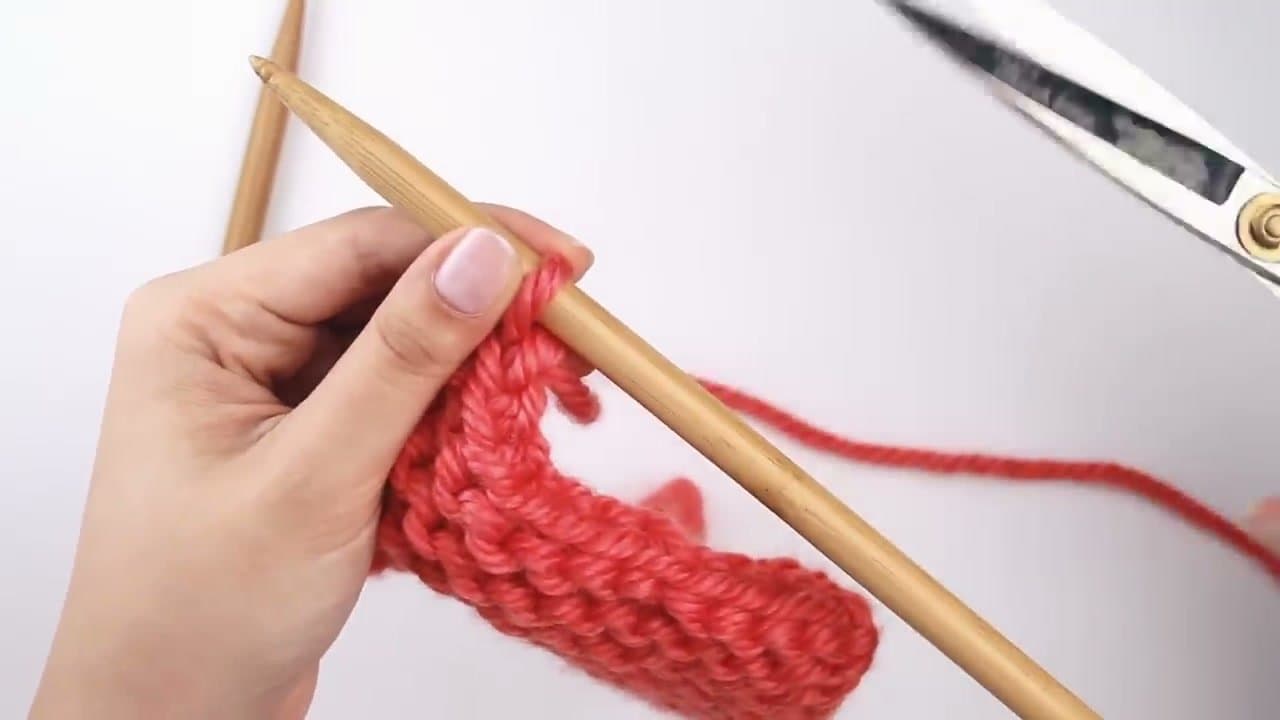
    Pull the last loop up to make it a little bigger so it doesn't tighten while you work. Pick up your scissors and snip the working yarn, leaving a tail of about 6 to 10 inches.

    You want enough length to thread through the last stitch and weave the end into the fabric later. Too short and you can't hide the tail.

    Back to all steps

  6. Step 7: Pull the Tail Through to Lock It

    Watch this step · 4:10

    Slide your needle out of the last loop. Take the tail end you just cut and feed it through that loop. Pull the tail snug and the loop closes around it.

    That knot locks the bind off. Your knitting is officially off the needles. Use a tapestry needle to weave the tail back into the fabric for a few inches, trim any extra, and the project is finished.

    Tip:

    Weave the tail through the back of the bound-off ridge for a couple inches, then double back the other way. That little change of direction keeps the tail from working its way out with wear.

    Back to all steps

How to Fix a Dropped Knitting Stitch: 7 Step Rescue Tutorial

Keep going

How to Fix a Dropped Knitting Stitch: 7 Step Rescue Tutorial

7 steps · about 8 minutes

Keep going with knitting

More on this topic, picked for this project.

You reached the last step

Save this project to come back to it

Your ticked steps, the free printable and your other saved makes, together in My Projects. Free, no password.

You tapped Save

Save this project for later

We'll email you a link, no password.

How to Bind Off Knitting: 7 Steps for Total Beginners

  • Your saved projects in one list
  • Your ticked steps on any device

Check your inbox for an email from us. Not there? Look in your spam folder.

Free printable

Printable sheet and shopping list for this project

The bonus is hidden until you sign up.

Free with a free account, no password. Every step above stays open to everyone.

Products Used

The Checklist

How to Bind Off Knitting: 7 Steps for Total Beginners

Tools
3
Materials
1
Steps
7
Video
5 min

Tools we recommend

As an Amazon Associate we earn from qualifying purchases. Links on this page may be affiliate links - clicking them and buying doesn't change your price, but helps support Crafting Step by Step.

Tags

The Crafter's Weekly

New knitting tutorials, every Sunday

One short email with the week's best step-by-step guides. Free, no spam, unsubscribe anytime.

Test your knowledge

Did the lesson stick? Start with this one.

5 questions covering what you just read. No signup, no score saved, and you can stop after this one.

Question 1 of 5

What's the bind-off pattern in one phrase?

Quick reference

Key takeaways from How to Bind Off Knitting: 7 Steps for Total Beginners

5 questions, answers, and one-line explanations. Tap to expand.

  1. 1.What's the bind-off pattern in one phrase?

    Answer: Knit, lift over, repeat

    Knit a stitch, lift the previous one over and off, repeat across the row. Two moves on repeat.

  2. 2.How many stitches need to be on the right needle to lift?

    Answer: Exactly two

    Bind off needs exactly 2 on the right needle - one to lift, one to leave behind.

  3. 3.Use which needle to lift the stitch over?

    Answer: Tip of left needle

    Dig left needle tip under the first stitch on the right needle, bring it over, drop off the end.

  4. 4.Tail length to cut before final pull-through?

    Answer: 6 to 10 inches

    Enough to thread through the last loop and weave the end into fabric. Too short = can't hide tail.

  5. 5.What locks the bind off when finished?

    Answer: Tail through last loop

    Slide needle out of last loop, feed tail through that loop, pull snug. Loop closes around it as a lock.

Did this work for you?

What's next

Related collections

Curated theme pages that include this tutorial.

Similar tutorials

Hand-picked next reads based on the one you just finished.

Liked this knitting tutorial?

Pick the crafts you want to hear about. One email every Sunday with new step-by-step tutorials. No spam, easy to unsubscribe.

Get more like this in your inbox

Weekly digest. Pick the categories you want. Unsubscribe anytime.

Send me tutorials about

We only email about new tutorials. Easy unsubscribe anytime.