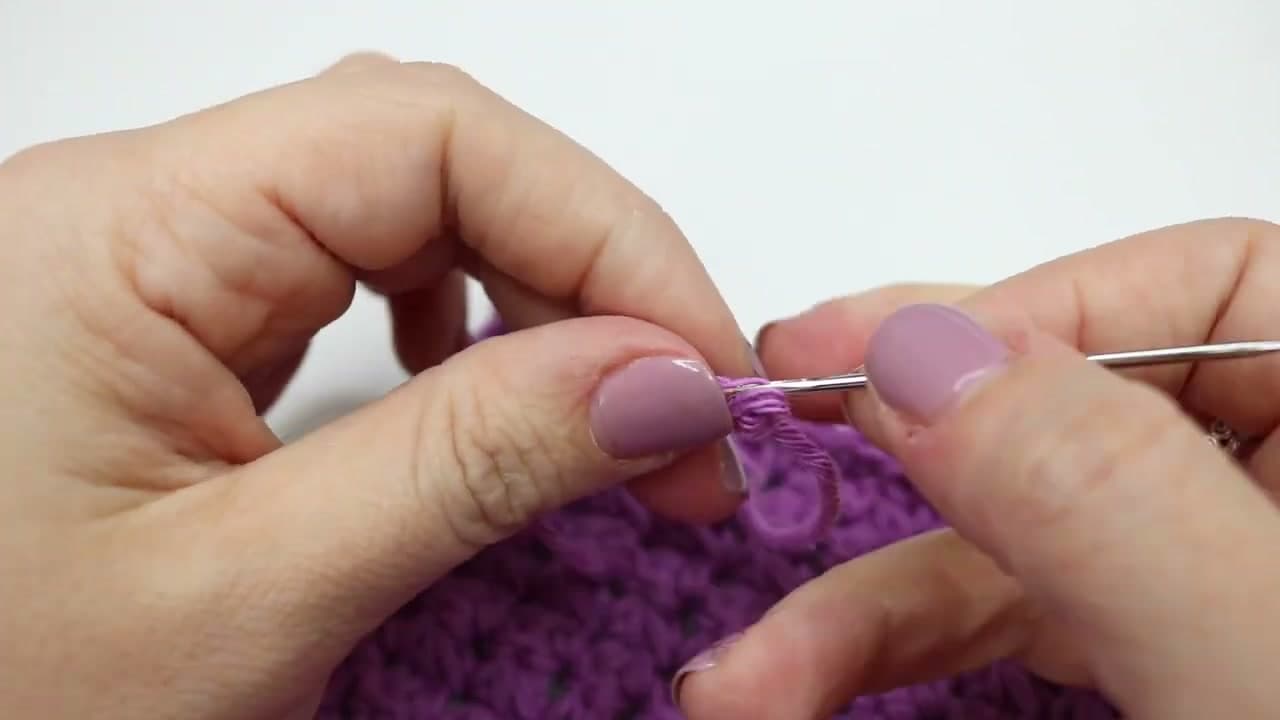
How to Crochet a Dishcloth (Cotton, Easy)

CrochetEasy14:508 stepsBrowse more →
Also in:Crafts

By CraftingStepByStepPublished Updated

Based on a video by Bella Coco.

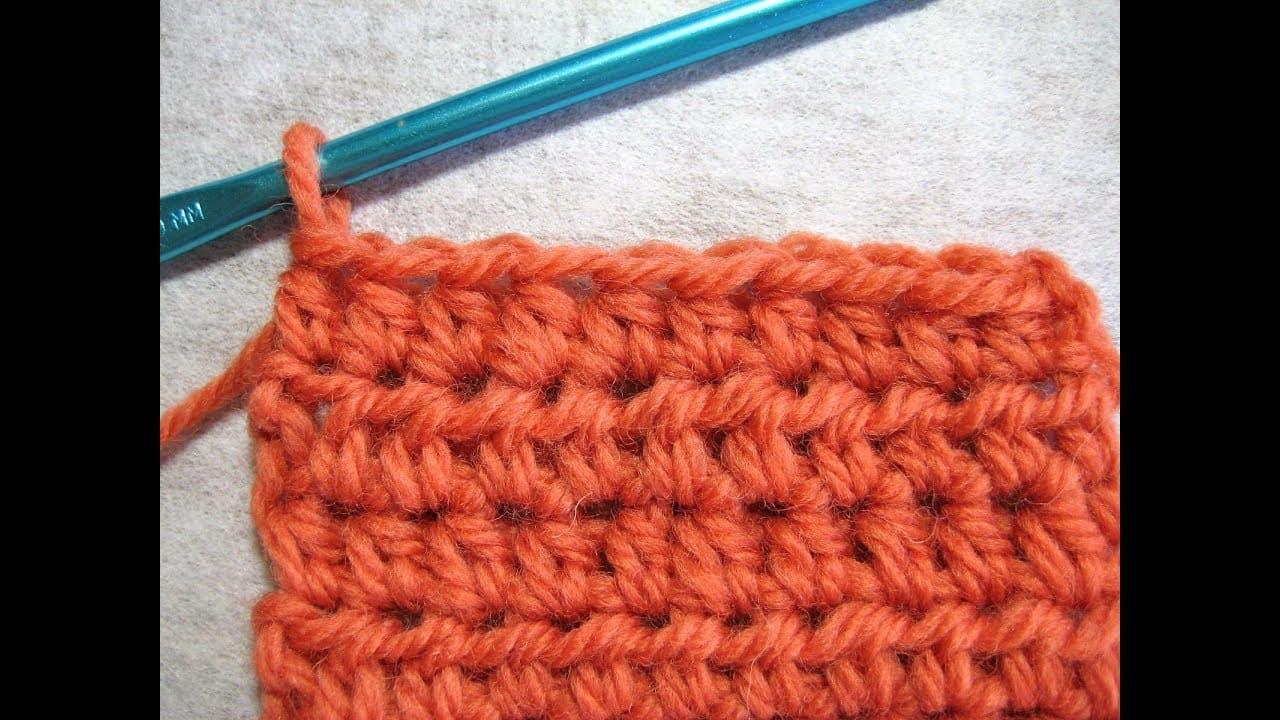
A crochet dishcloth is the kitchen workhorse you didn't know you needed. One ball of cotton yarn turns into a soft, scrubby square that lasts way longer than a cellophane scrubber and goes straight in the wash when it gets grubby. The mesh cluster stitch Bella Coco uses here gives just enough texture to lift food off plates without scratching them.

A quick note on the name. In the UK this project is called a washcloth. In the US it's a dishcloth. Same square, same yarn, same stitch - just regional vocabulary. Either word works.

This is one of the friendliest first crochet projects out there. You need a foundation chain, a double crochet (US double crochet for the cluster, or follow Bella Coco's UK terms with the single crochet), and the patience to repeat the same row about 17 times. By the end you'll fasten off and weave in your ends with a darning needle.

One ball of Paintbox Cotton Aran (or Lily Sugar 'N Cream) makes two or three dishcloths. Three tied together with a ribbon is the gift everyone keeps using - housewarmings, hostess thank-yous, birthdays. Once you've worked through a flat project like this, the magic ring opens up amigurumi and round projects. It's the second-most-popular page on this site, and the natural next step after you have a few flat squares in your basket.

This pattern comes from Sarah-Jayne at Bella Coco Crochet, who's been teaching new crocheters on YouTube for over a decade. Her overhead hand-cam angle makes every stitch easy to follow.

Step-by-Step Guide

1

Step 1: Gather your supplies

0:15
Step 1: Step 1: Gather your supplies

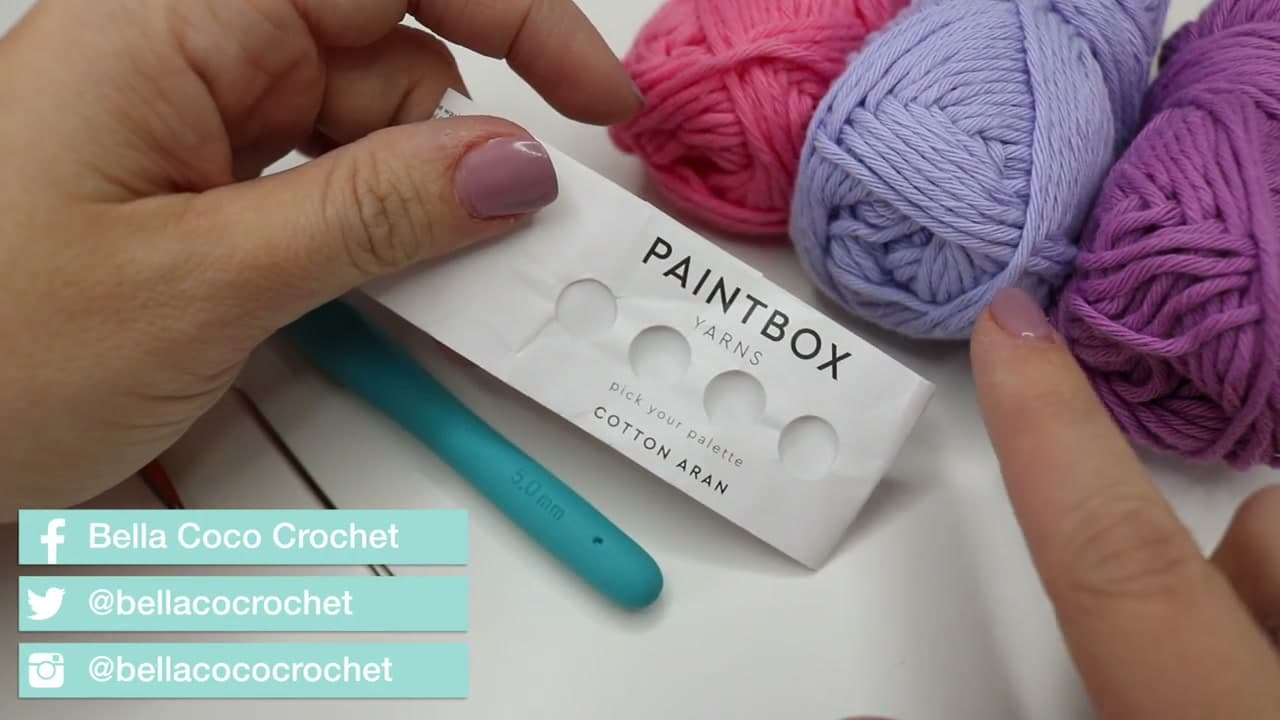
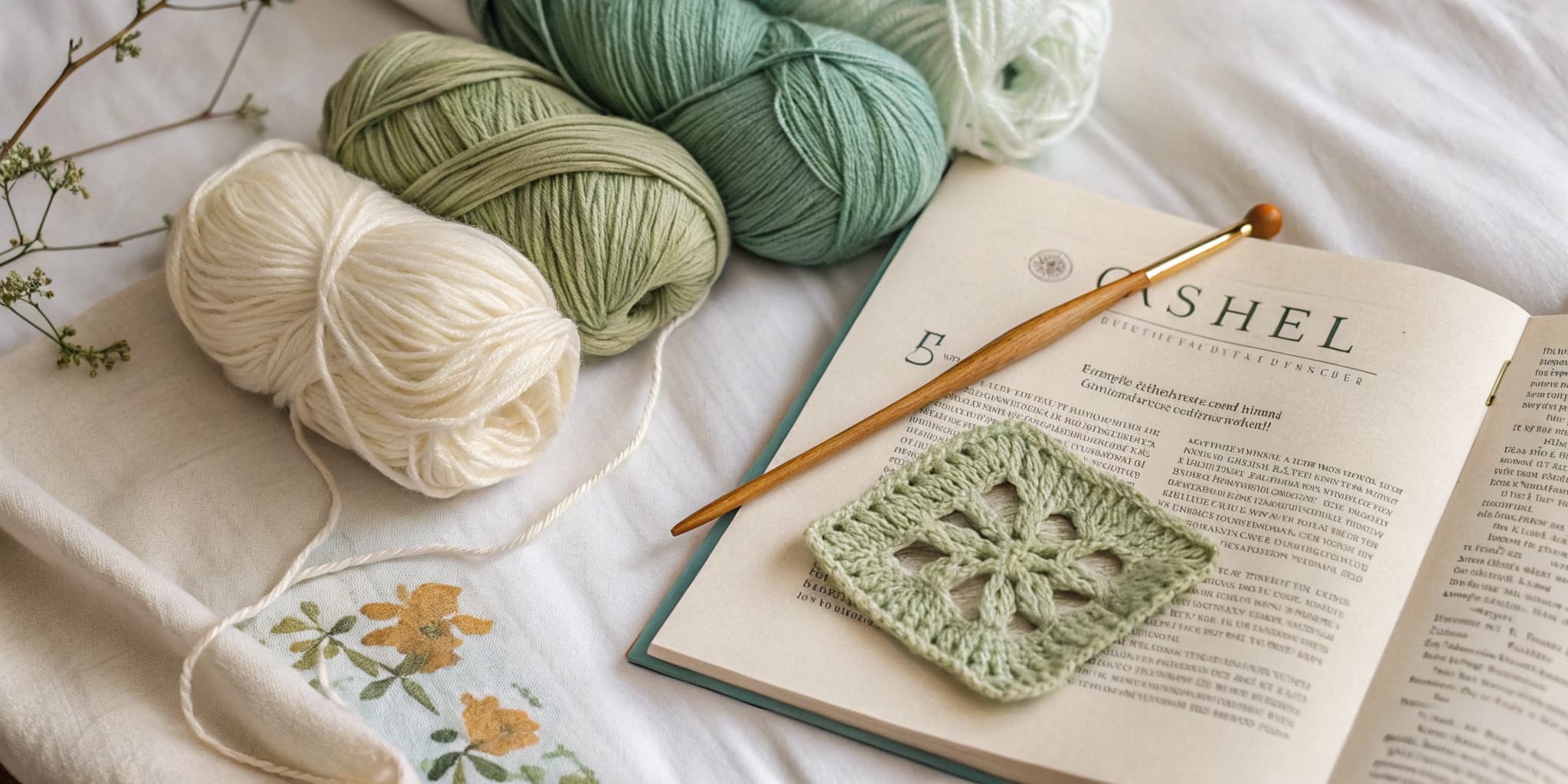
For a dishcloth you want cotton yarn. Acrylic feels soft but it doesn't absorb water and it pills after a few washes. A worsted or aran weight cotton holds up to repeated washing and dries fast. Bella Coco uses Paintbox Cotton Aran. Lily Sugar 'N Cream is the classic American equivalent and stocks at any craft store.

You also need a 5mm (H/8) crochet hook. The yarn band on Paintbox suggests 4.5mm but going up to 5mm gives the cloth a little more drape. A darning needle for sewing in your ends and a small pair of embroidery scissors round out the kit.

Tip

One ball of aran cotton (about 90 yards) makes two or three dishcloths. Pick a colour that matches your kitchen so the cloth looks tidy on the counter when it's not in the sink.
2

Step 2: Make a slipknot and chain 28

1:18
Step 2: Step 2: Make a slipknot and chain 28

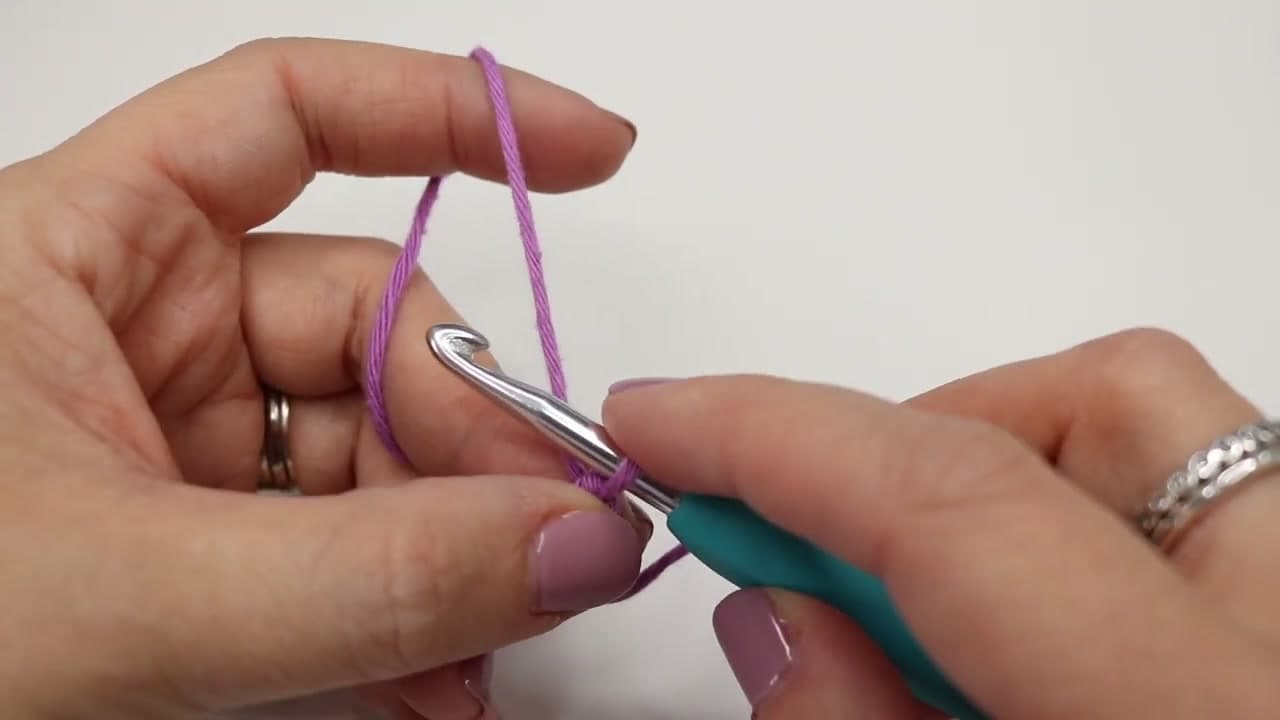
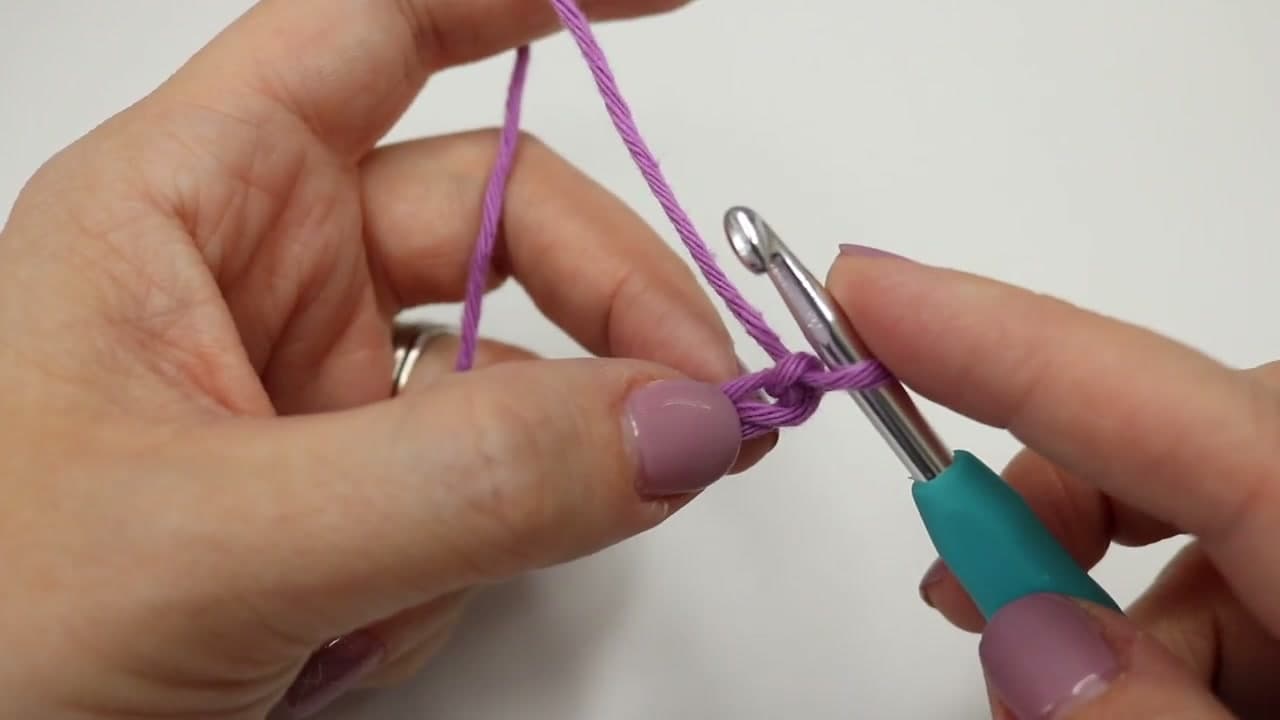
Start with a slipknot. Leave a long tail - around six inches - because you'll need to weave it in securely at the end so it doesn't unravel in the wash.

Then work a foundation chain of 28 stitches. Yarn over, pull through the loop on your hook, and that's one chain. Repeat 27 more times. Bella Coco says 26 out loud in the video but the on-screen text corrects it to 28. With Paintbox Cotton Aran and a 5mm hook, 28 chains gets you to about 7.5 inches wide - the standard dishcloth size.

Tip

Keep your tension relaxed. If the chains are so tight you can barely fit the hook back through them, your dishcloth will pull in at the bottom edge. Loose and even is the goal.

3

Step 3: Single crochet into the second chain

1:55
Step 3: Step 3: Single crochet into the second chain

Skip the chain on your hook - it doesn't count - and work into the second chain from the hook. Insert your hook, yarn over, pull up a loop. You'll have two loops on your hook. Yarn over and pull through both. That's one stitch.

Quick terminology note: Bella Coco is British and uses UK terms. What she calls a double crochet is what US patterns call a single crochet. The motion is the same either way. If you're learning from US patterns elsewhere on the site, just translate as you go.

Tip

The first stitch is the one new crocheters most often work into the wrong loop. Look for the V on top of each chain - the hook goes under both legs of the V.

4

Step 4: Work the dc3tog cluster across row 1

2:45
Step 4: Step 4: Work the dc3tog cluster across row 1

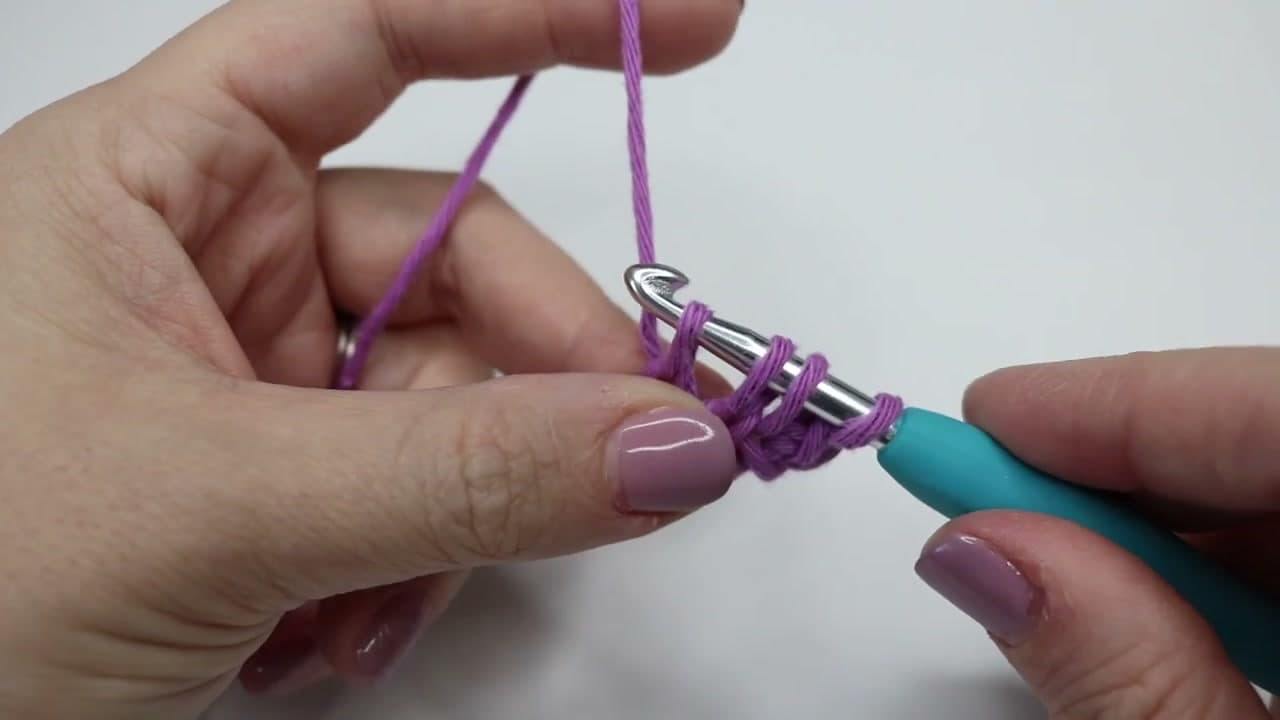
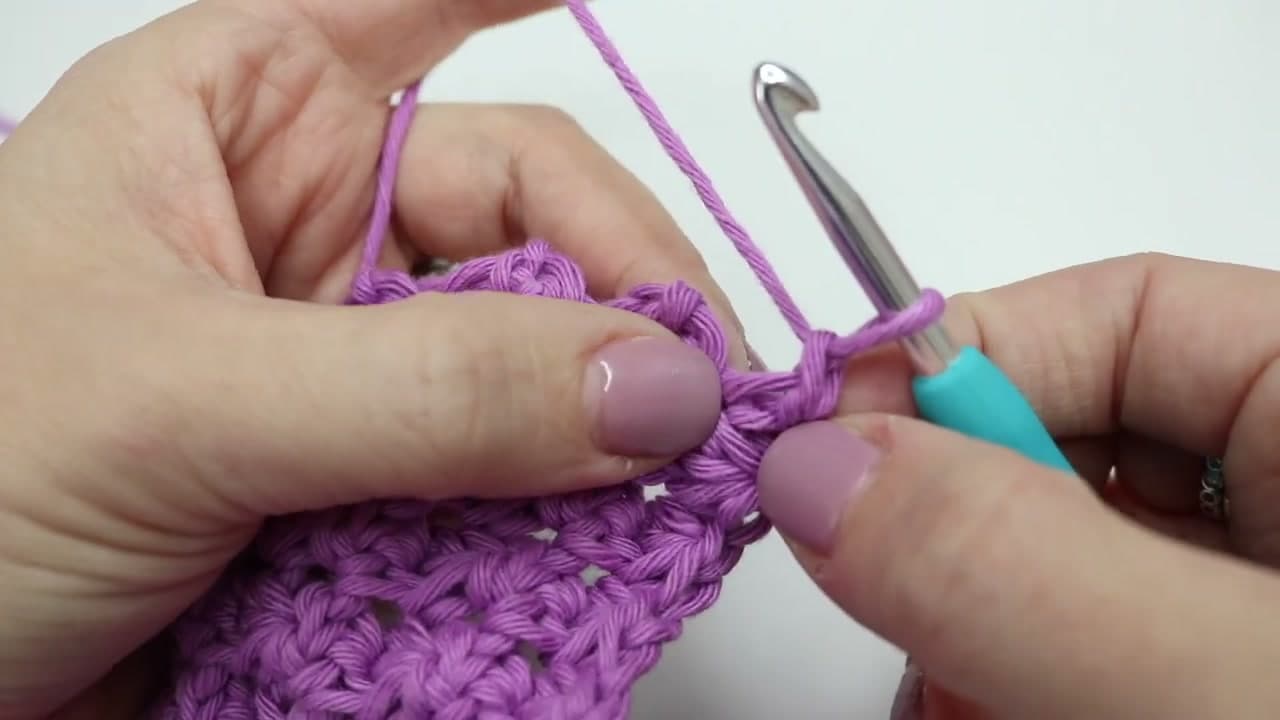
Here's the stitch that makes this dishcloth's signature mesh texture: a three-stitch cluster. Go back into the same chain you just worked, yarn over and pull up a loop. Move to the next chain, yarn over and pull up another loop. The next chain after that, yarn over and pull up a third loop. You should have four loops on your hook.

Yarn over once more and pull through all four loops in one motion. That joins the three stitches into a single cluster. Chain one, then start the next cluster in the same stitch you ended the last one in. Repeat all the way across until your final stitch lands in the last chain of your foundation.

Tip

The middle stitch of each cluster will feel a touch tight because you're working into the same spot twice. That's normal. If it's actually impossible to get the hook in, your tension is too tight - try the cluster again with a relaxed grip.

5

Step 5: Turn and work row 2

4:45
Step 5: Step 5: Turn and work row 2

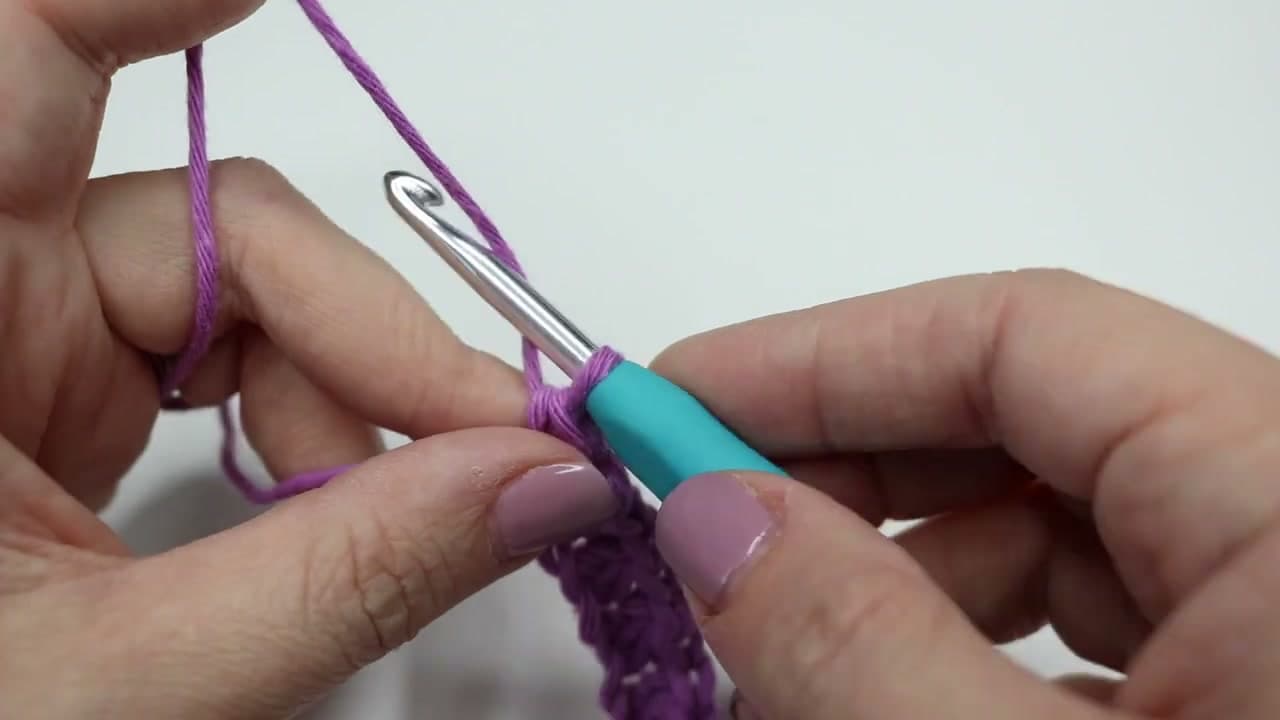
Chain one and turn the work. Single crochet into the very first stitch, then start your first cluster of row 2 in that same spot. From here the pattern is identical to row 1 - cluster, chain one, cluster, chain one - working into the gaps and tops of the previous row's stitches.

At the end of each row, finish with a single crochet into the last stitch (not another cluster). That keeps the edge straight.

Tip

Pause at the end of every row and lay the cloth flat. If it's getting noticeably wider or narrower, you're adding or skipping a stitch at the turn. Catch it now - the fix is easy on row 2 but painful on row 12.

6

Step 6: Repeat the pattern for 15 more rows

7:30
Step 6: Step 6: Repeat the pattern for 15 more rows

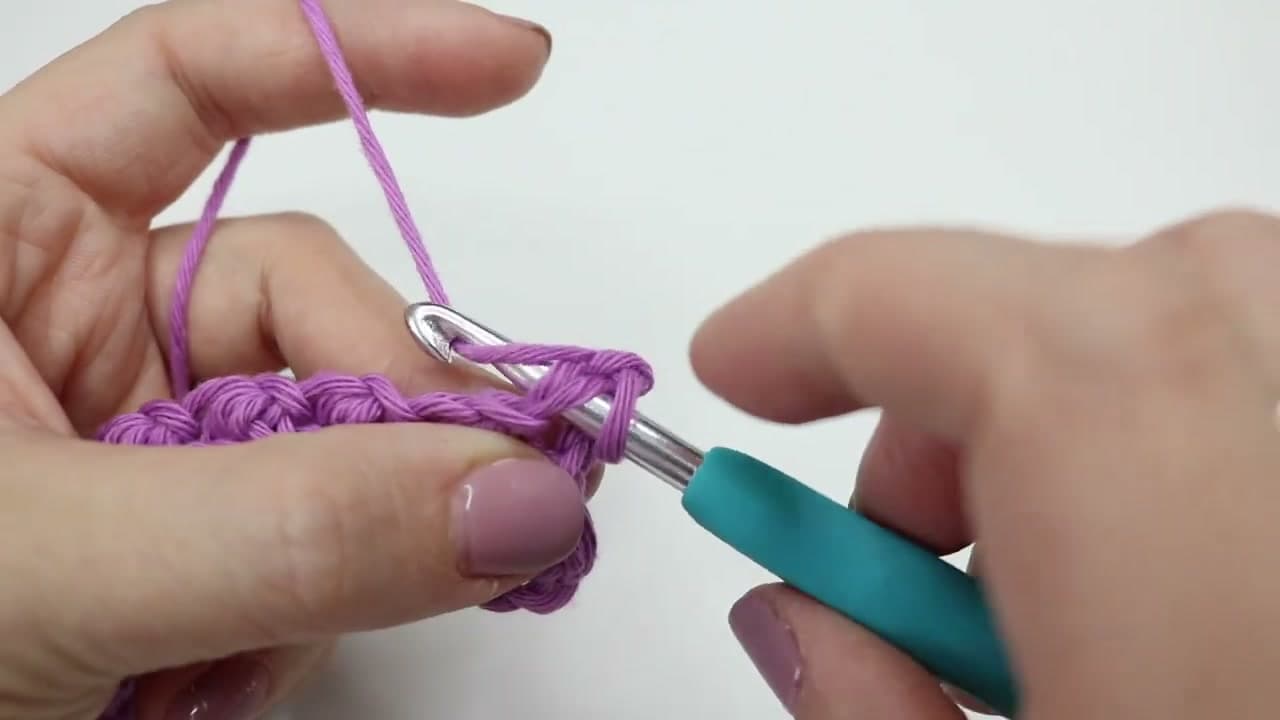
Now you have the rhythm. Chain one, turn, single crochet, cluster, chain one, cluster, chain one - all the way across. Single crochet into the last stitch. Repeat.

Keep going until you have 17 rows total. With Paintbox Cotton Aran and a 5mm hook that gives you a square roughly 7.5 inches by 7.5 inches. The mesh texture looks almost identical on both sides, which is nice for a dishcloth that gets flipped around all the time.

Tip

This is where podcasts and audiobooks come in. The pattern is the same every row, so your hands can work on autopilot while your brain wanders.

7

Step 7: Add the single crochet border

9:00
Step 7: Step 7: Add the single crochet border

After your 17th row, chain one. Work a single crochet around the post of the stitch you just finished, then start working down the long side. Place a single crochet into each gap between rows - the cloth has natural spaces along the edge from where you turned each row.

When you reach the corner, work three single crochets into the same corner stitch. That's what makes the border turn cleanly without bunching. Along the bottom edge, alternate between the center of each cluster and the chain-one gap between clusters. Three single crochets again at the next corner. Continue up the second side and across the top the same way.

When you meet the start, slip stitch into the first border stitch to join the round.

Tip

The border is what makes a homemade dishcloth look professional instead of raggedy. Don't skip it. If your tension wobbles in the corners, that's normal - the cloth will block flat after its first wash.

8

Step 8: Fasten off and weave in the ends

13:03
Step 8: Step 8: Fasten off and weave in the ends

Cut your yarn, leaving a six-inch tail. Yarn over and pull the tail all the way through the loop on your hook. Pull tight. You've now fastened off.

Thread that tail onto your darning needle and use the rule-of-three method to weave it in. Pass the needle through about an inch of stitches in one direction, then back through different fibers the opposite way, then once more in the original direction. Three passes locks it in. Snip the tail flush with the cloth. Repeat on the slipknot tail from the start.

Your dishcloth is done. Toss it in the washing machine with the rest of your kitchen laundry whenever it needs a refresh.

Tip

If you want to gift these, make three in coordinating colours and tie them with a length of jute or a ribbon. That's a five-dollar housewarming gift that people actually use. Once you're comfortable with flat projects like this, take a swing at the magic ring - it's the gateway to amigurumi and round projects, and it's the second-most-visited page on this site for a reason.

Products Used

☐ The Checklist

How to Crochet a Dishcloth (Cotton, Easy)

Tools
4
Materials
1
Steps
8
Video
15 min

Your Guide

Bella Coco

As an Amazon Associate we earn from qualifying purchases. Links on this page may be affiliate links - clicking them and buying doesn't change your price, but helps support ShowMeStepByStep.

Tags

What's next

Related collections

Curated theme pages that include this tutorial.

Weekly Digest

Liked this crochet tutorial?

Pick the categories you want to hear about. Weekly digest of new step-by-step tutorials. No spam, easy unsubscribe.

Send me tutorials about

We only email about new tutorials. Easy unsubscribe anytime.