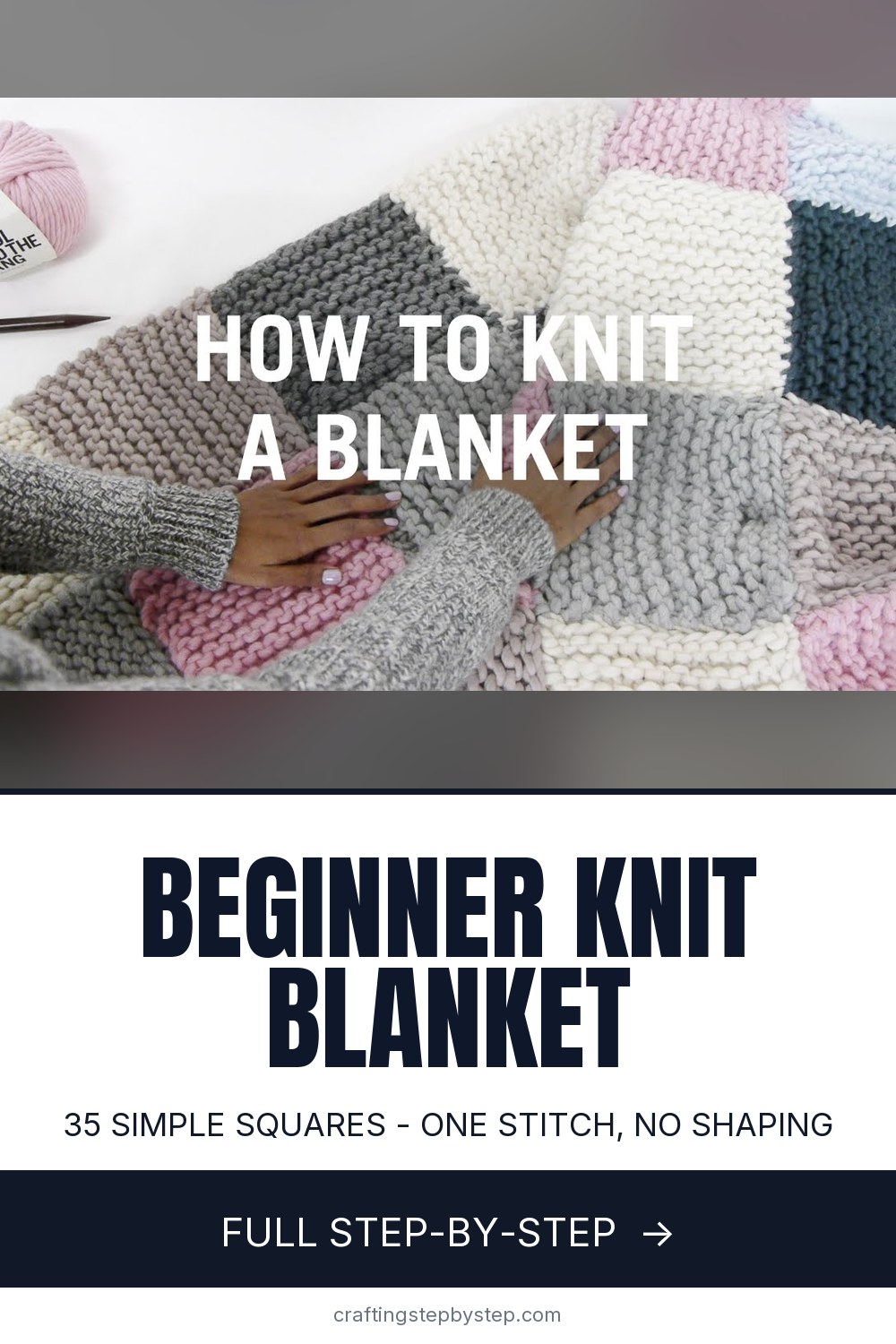
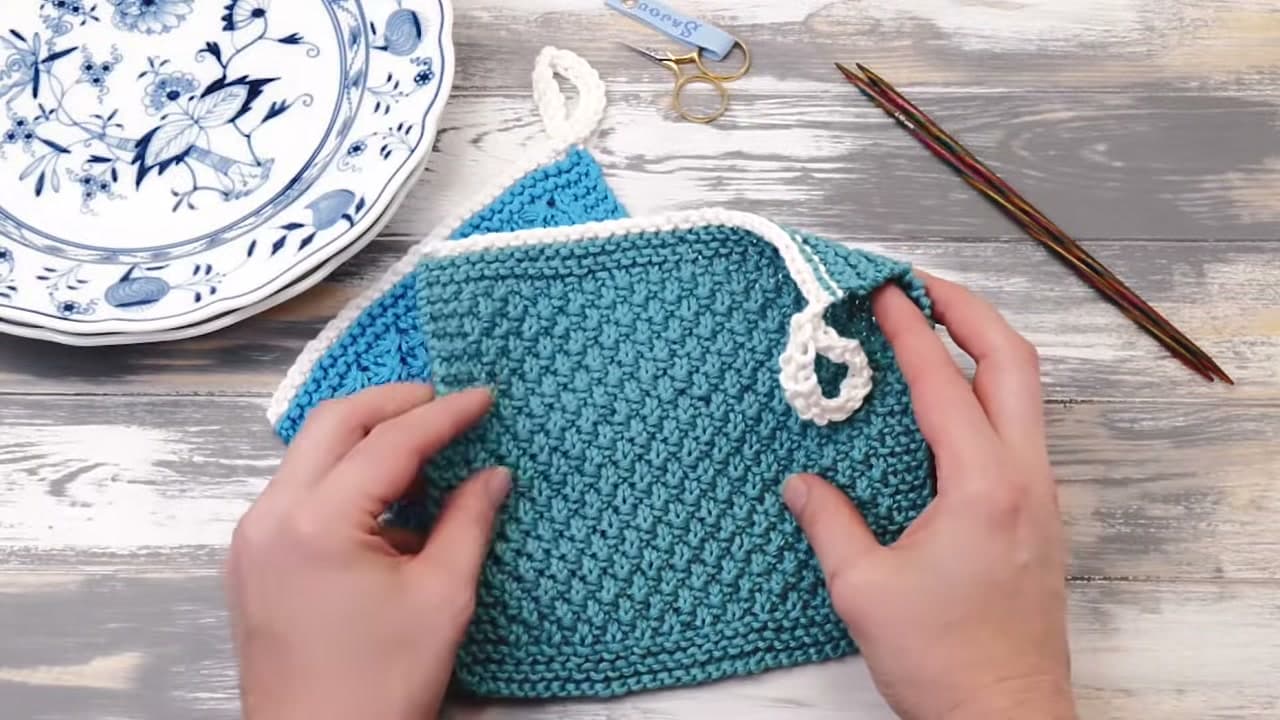
This is how Wool and the Gang teaches absolute beginners to knit a full blanket: square by square. Each square uses one stitch (garter), measures roughly 8 inches when finished, and takes maybe 30 minutes to knit. Make 35 of them and you have a generous throw.
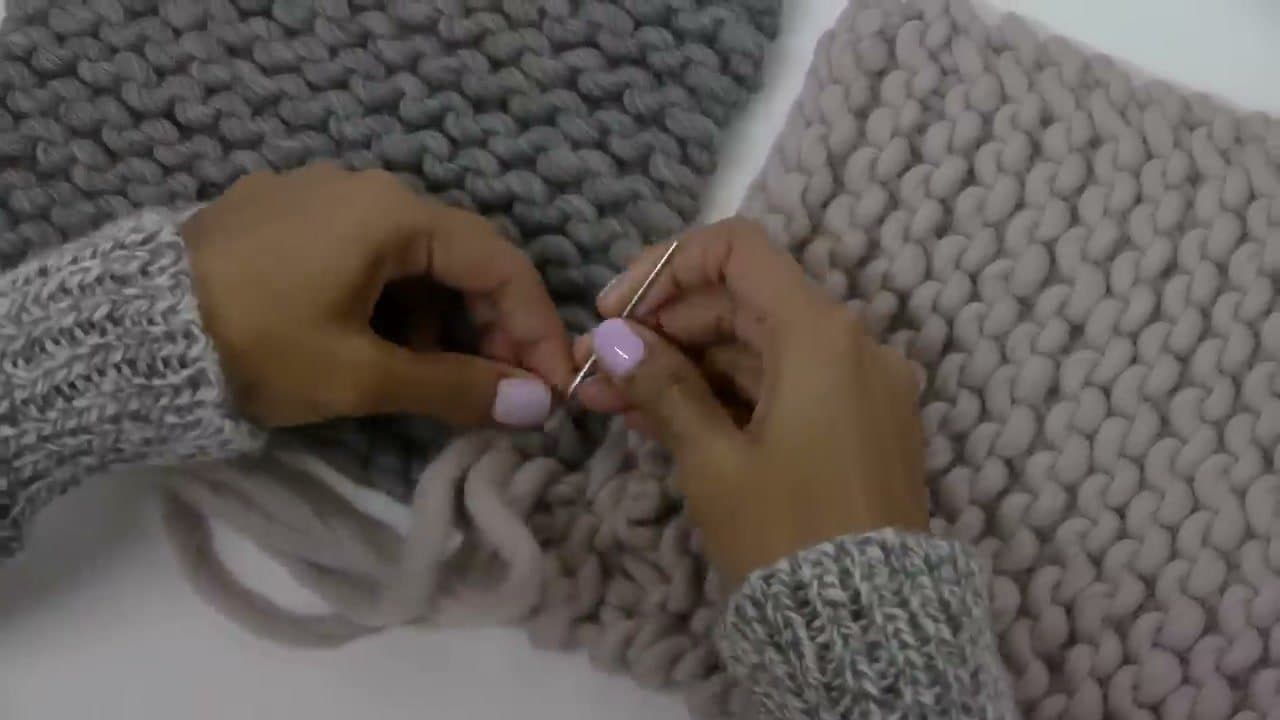
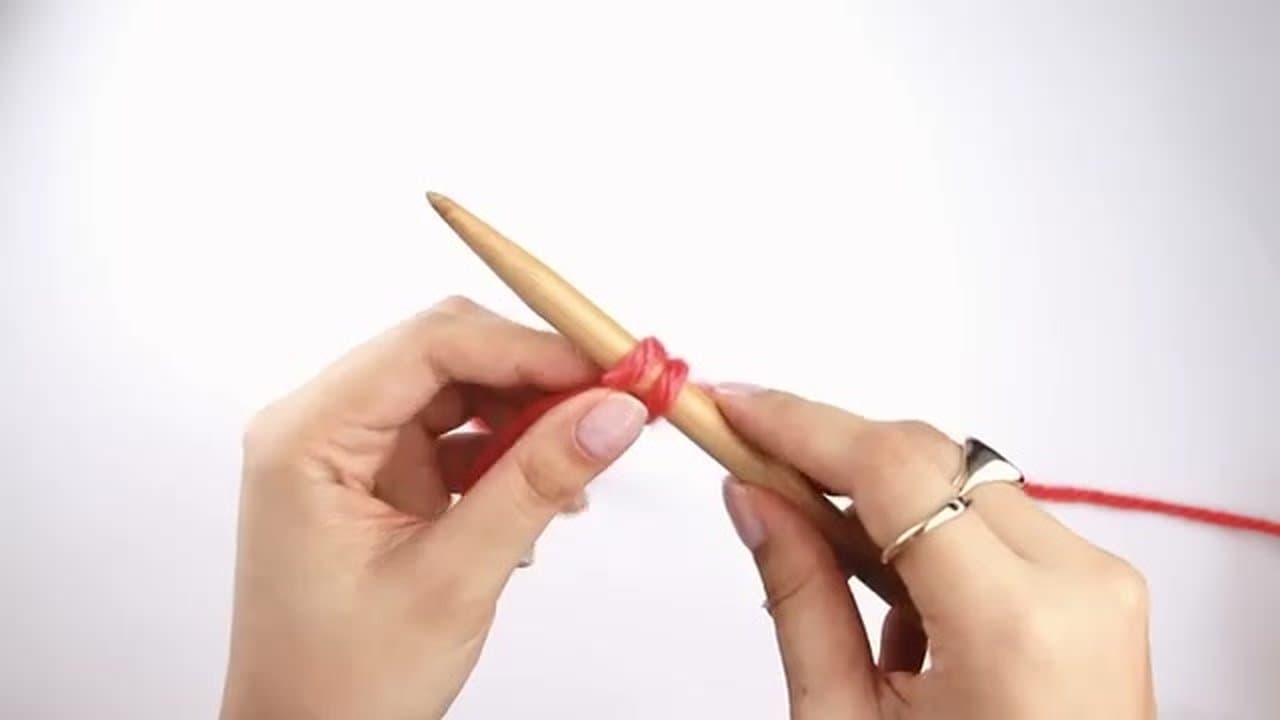
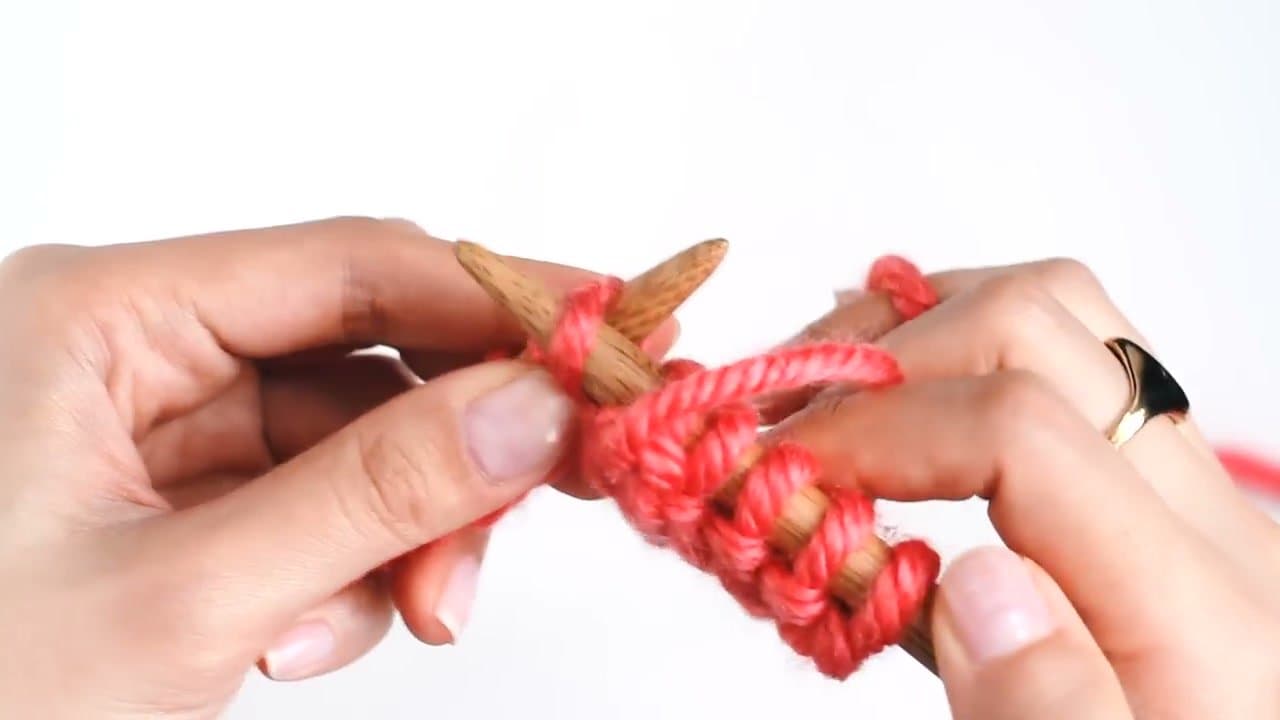
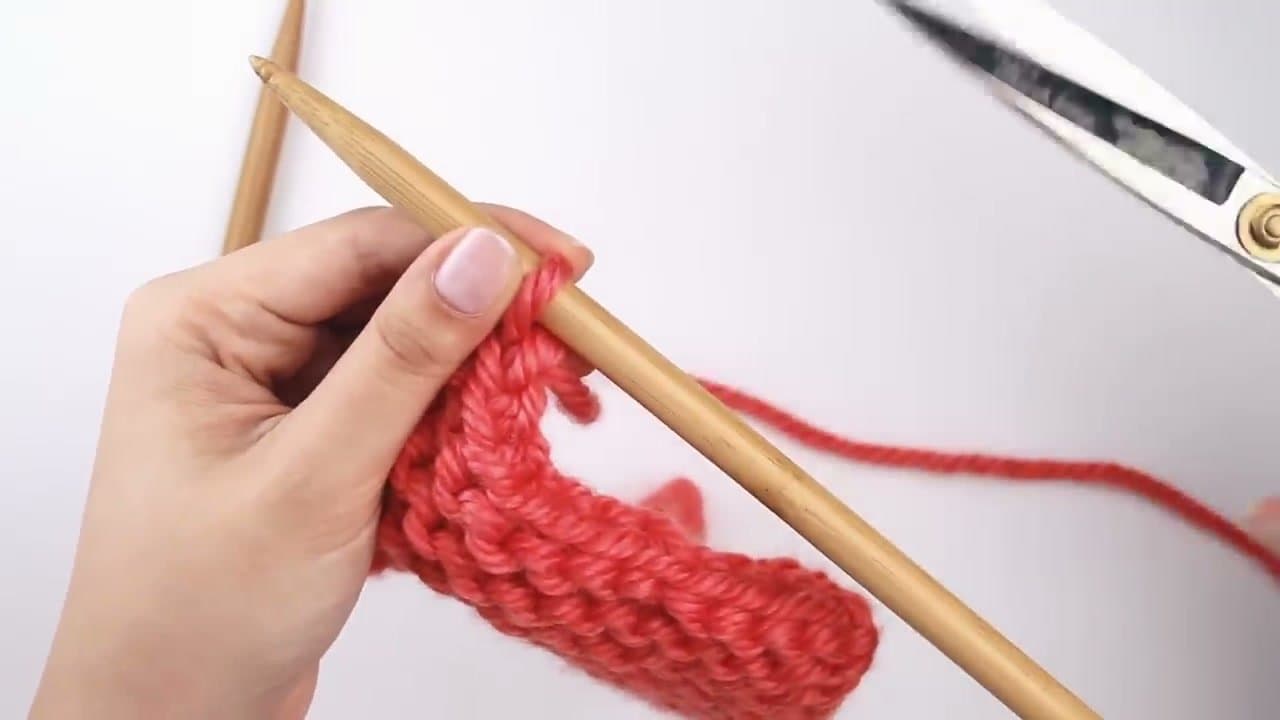
You only learn three things here: how to cast on, how to knit every row, and how to cast off. The video also walks through joining the squares so the seam disappears.
What you need
- Chunky or super bulky merino yarn (any brand works, not only the kit)
- A pair of 12mm or 15mm knitting needles
- A tapestry needle and scissors
- A tape measure or ruler
Why squares beat one giant panel
A throw knit in one piece means a long circular needle, a heavy lump of fabric in your lap by week two, and a dropped stitch that can sit 40 rows down before you spot it. Squares fix all of that. Each one fits in a tote bag. A mistake costs you one square, not the blanket. And you finish something every half hour, which keeps you going through January.
How much yarn for each size
Each 8 inch square takes about 50g of chunky yarn. Work out your layout first, then multiply.
| Size | Layout | Squares | Yarn (approx.) |
|---|
| Baby blanket | 4 x 5 | 20 | 1 kg |
| Lap blanket | 5 x 6 | 30 | 1.5 kg |
| Sofa throw | 5 x 7 | 35 | 1.75 kg |
| Bed topper | 7 x 8 | 56 | 2.8 kg |
Buy one extra ball for seams. Dye lots vary, so buy it all at once.
Keeping every square the same size
Your tension on square 1 will not match square 30. Hands loosen up. The fix is to stop measuring and start counting. When your first square reaches 8 inches, count the garter ridges (each ridge is two rows) and knit exactly that many on every square after. If a few still come out uneven, wet them, pin them to size and let them dry. Blocking evens out more than you would expect.
Joining: whip stitch or mattress stitch
The video uses an edge-to-edge stitch through the garter bumps, turning every other square 90 degrees so the ridges alternate. That hides the join and gives a basketweave look. A whip stitch over the edges is faster and leaves a small raised ridge. A mattress stitch is the flattest, near-invisible option. Pick one and use it for the whole blanket.
Planning the layout
Lay every square out on the floor before you sew a single seam. Two colours in a checkerboard is the easy win. Three or more colours look best placed at random, then nudged so no two matching squares touch. Take a phone photo so you can rebuild the layout after the cat walks through it.
Common mistakes
- Tension drift. Count ridges, not inches, from square 2 on.
- Curling edges. Garter lies flat on its own. If a square curls, it is usually a tight cast-off. Keep it loose.
- Leaving all the ends for last. Seventy tails at the end is a miserable evening. Weave in ends as each square comes off the needles, keeping one long tail for sewing.
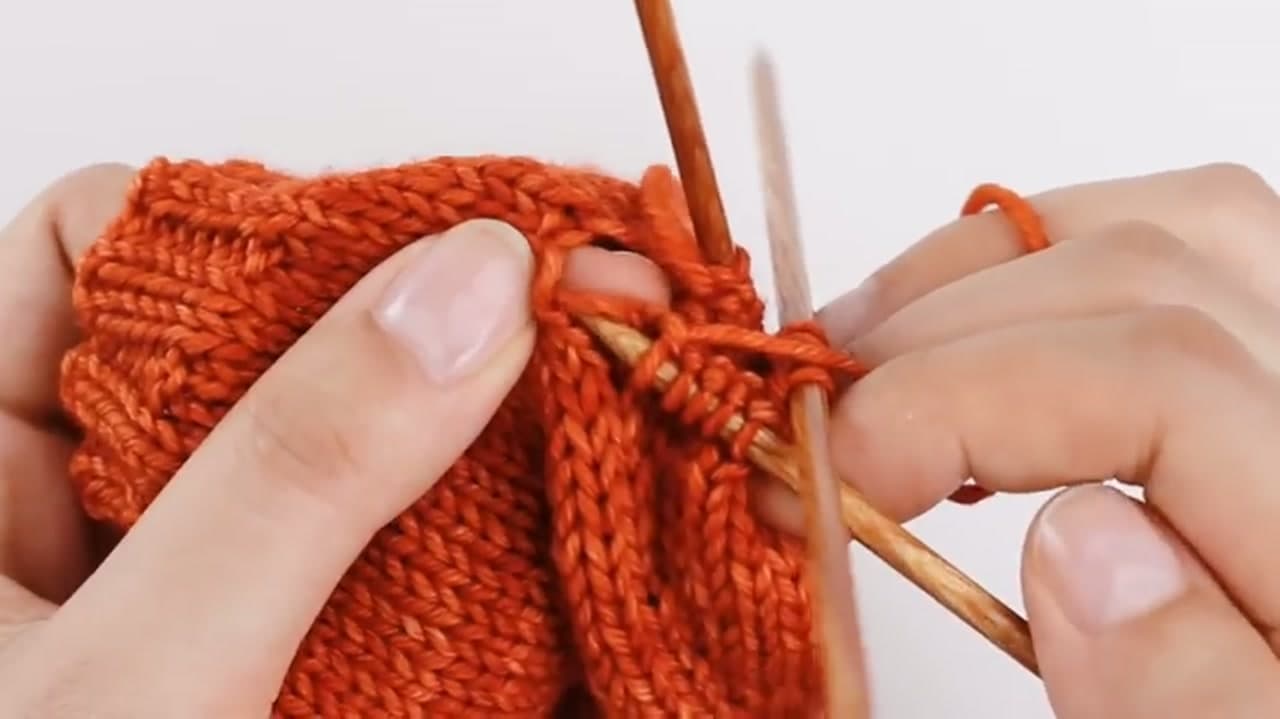
Want a smaller first finish? A ribbed hat takes one ball and a weekend.