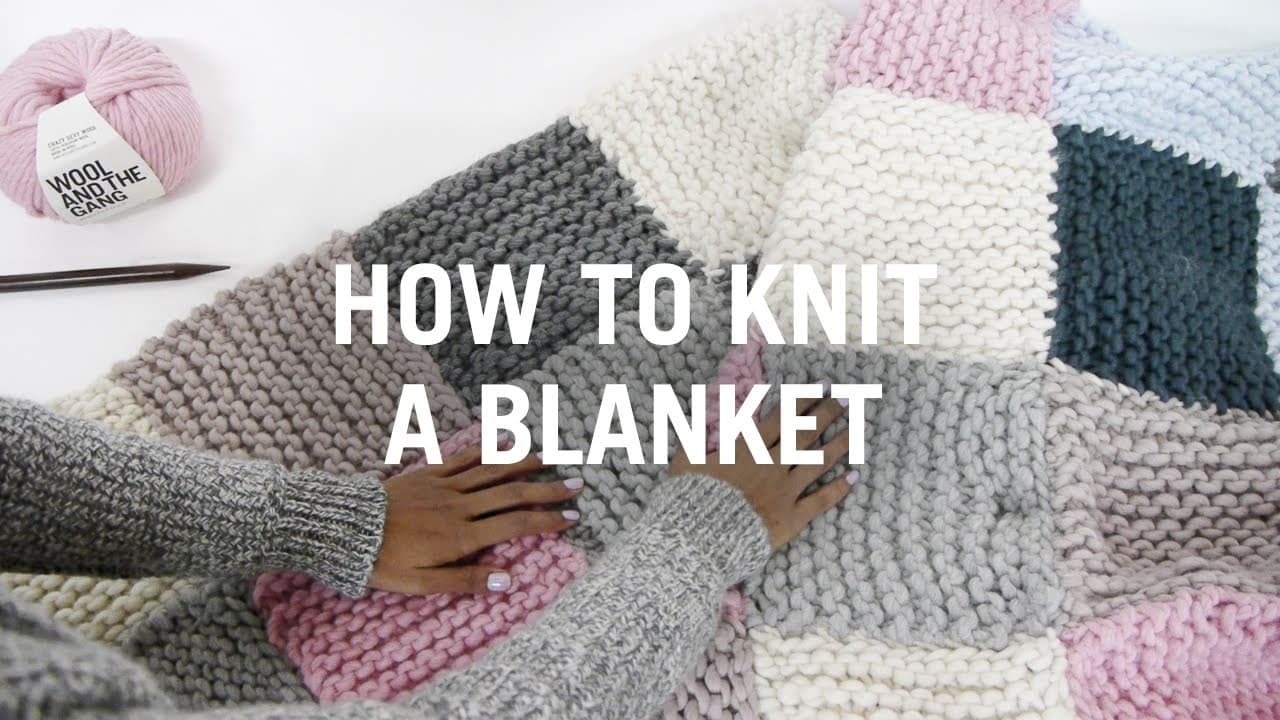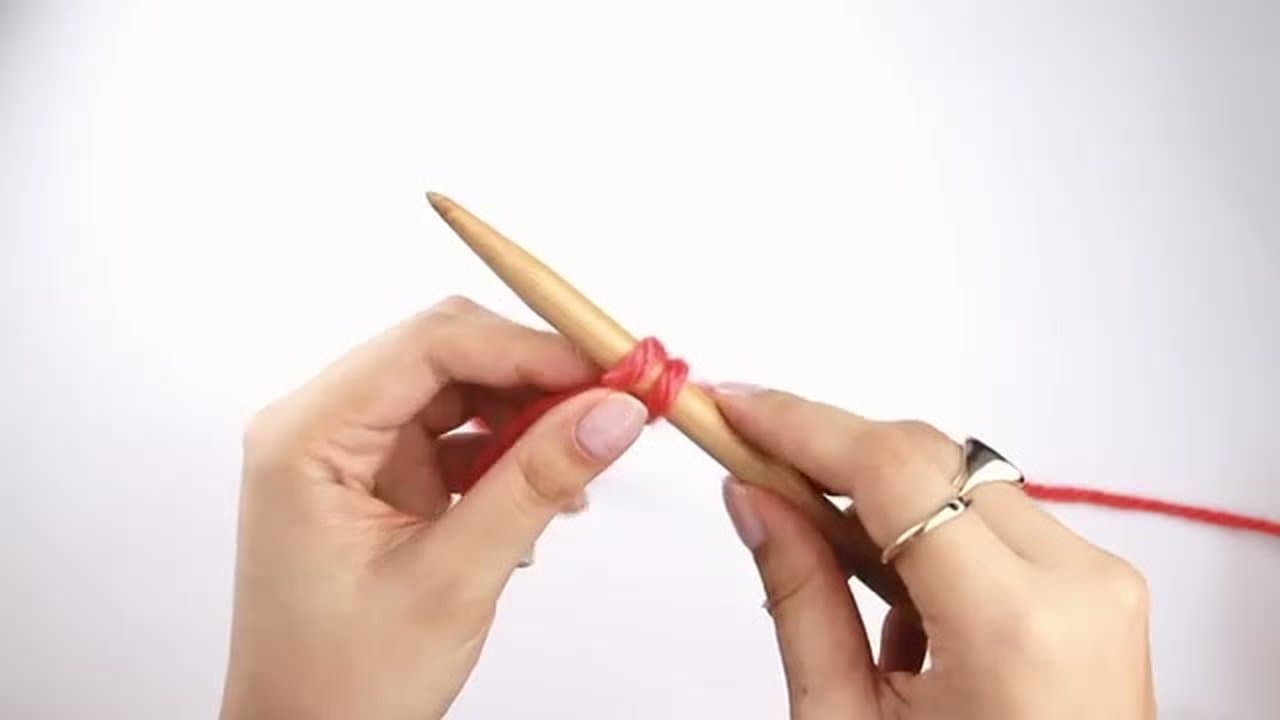
How to Cast On Knitting: Long Tail Method for Beginners

KnittingEasy8:187 steps

Based on a video by Sheep & Stitch.

Casting on is the very first move in any knitting project - it puts the foundation row of stitches onto your needle. The long tail cast on (also called the slingshot or thumb method) is the workhorse technique that most knitters learn first. Once you have it down, every project starts the same way.

This walkthrough from Davina at Sheep & Stitch breaks the long tail cast on into seven manageable steps. Use chunky yarn and 10mm needles while you're learning - thick yarn is much easier to see and grip than fingering weight.

Step-by-Step Guide

1

Step 1: Pick Beginner-Friendly Yarn and Needles

0:20
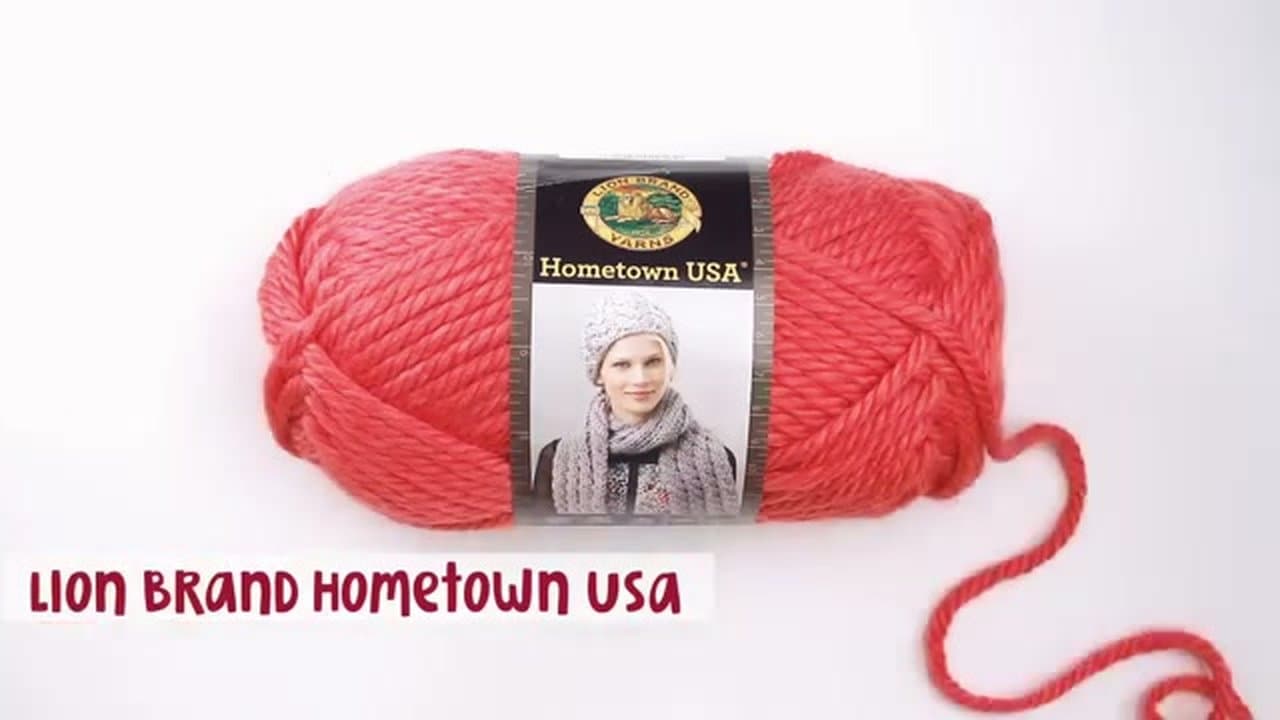
Step 1: Step 1: Pick Beginner-Friendly Yarn and Needles

Use bulky weight yarn for your first cast on. Lion Brand Hometown USA, Wool-Ease Thick & Quick, or any chunky yarn works - the thick strands are easier to see and harder to drop than fine yarn.

Pair the yarn with 10mm needles in bamboo or wood. Bamboo and wooden needles have just enough surface drag to grip the yarn and keep stitches from sliding off while you learn the motions.
Products used in this step

Lion Brand Hometown USA Yarn
10mm Bamboo Knitting Needles
2

Step 2: Measure a Long Tail

0:55
Step 2: Step 2: Measure a Long Tail

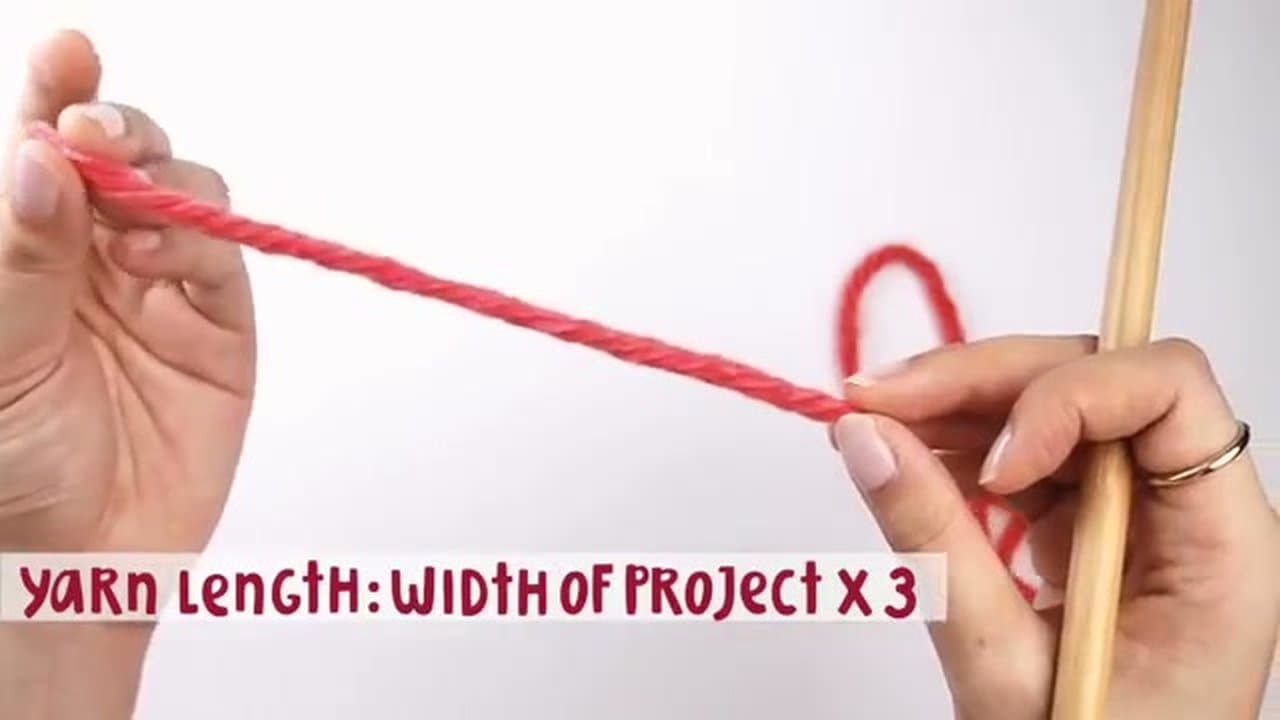
The long tail cast on uses two strands of yarn - the working yarn and a tail. The tail needs to be long enough to make every stitch in your foundation row.

The shortcut: measure a tail equal to about three times the width of your finished project. For a 5-inch wide scarf, that's roughly 15 inches of tail. This is where you'll start making the slipknot.

Products used in this step

Tape Measure
3

Step 3: Make a Slipknot and Slide It On the Needle

2:10
Step 3: Step 3: Make a Slipknot and Slide It On the Needle

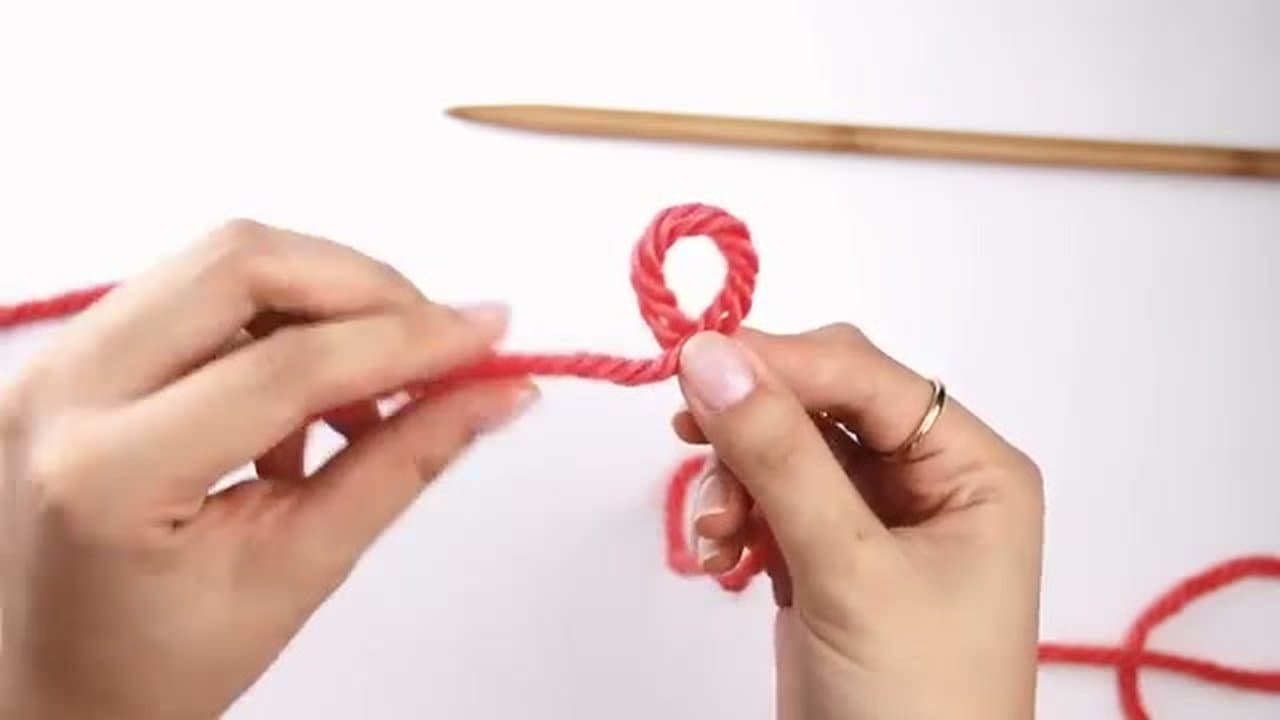
At your tail measurement point, make a loop with the yarn. Bring the working strand behind the loop so it bisects it, then reach through the loop and pull that strand through to form a slipknot.

Slide the slipknot onto your needle and pull the two strands gently to snug it up against the needle. Not too tight - you still want the loop to slide freely along the needle.

4

Step 4: Hold the Yarn in Slingshot Grip

3:20
Step 4: Step 4: Hold the Yarn in Slingshot Grip

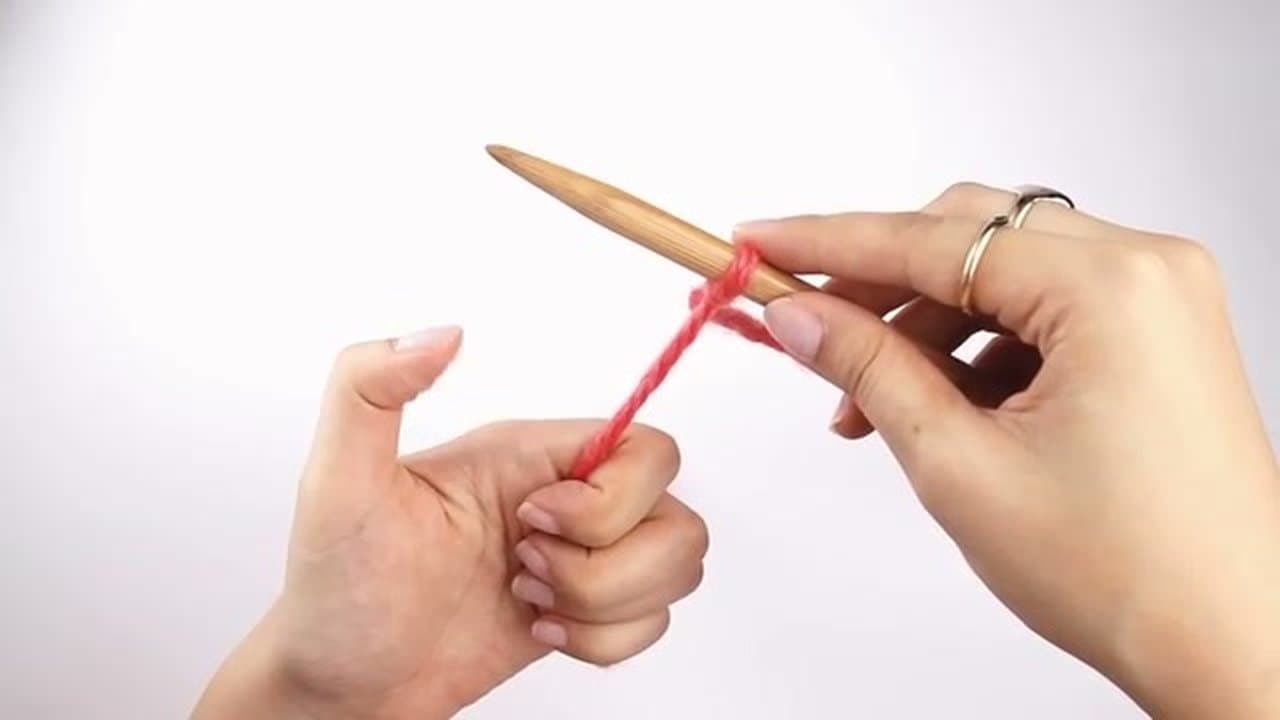
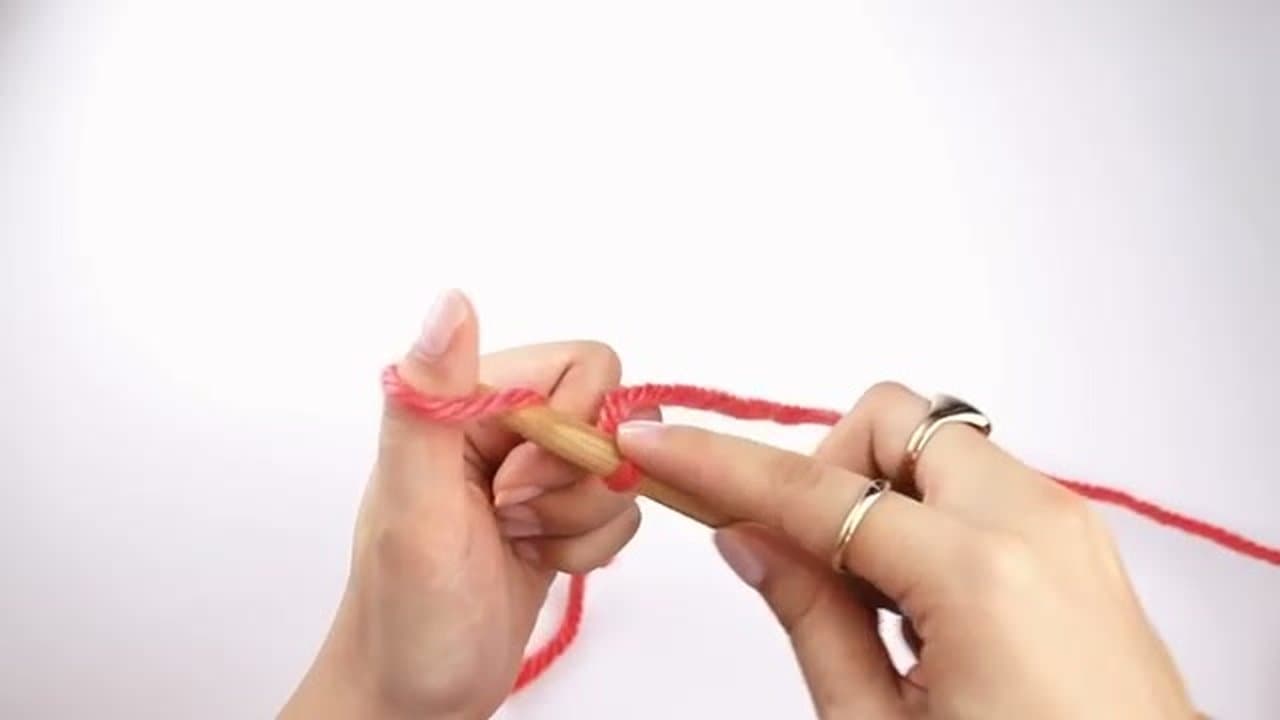
Pinch the slipknot against the needle with your right index finger to keep it from rolling. With your left hand, dip your fingers under both strands of yarn and grip them with your bottom three fingers.

Your thumb goes behind the front strand (the tail) and lifts up so the yarn wraps around it. Your index finger holds the back strand (the working yarn). The whole grip looks a bit like a slingshot.

5

Step 5: Insert Needle Into the Thumb Loop

3:50
Step 5: Step 5: Insert Needle Into the Thumb Loop

With your right hand, bring the needle tip down to touch the front of your thumb. Slide the needle up into the loop your thumb has formed - the needle is now inside the thumb loop, touching the strand that runs along your thumb.

Keep tension in your left hand so the loop doesn't go slack. The needle should sit naturally in the bottom of the thumb loop.

6

Step 6: Wrap the Working Yarn Around the Needle

4:15
Step 6: Step 6: Wrap the Working Yarn Around the Needle

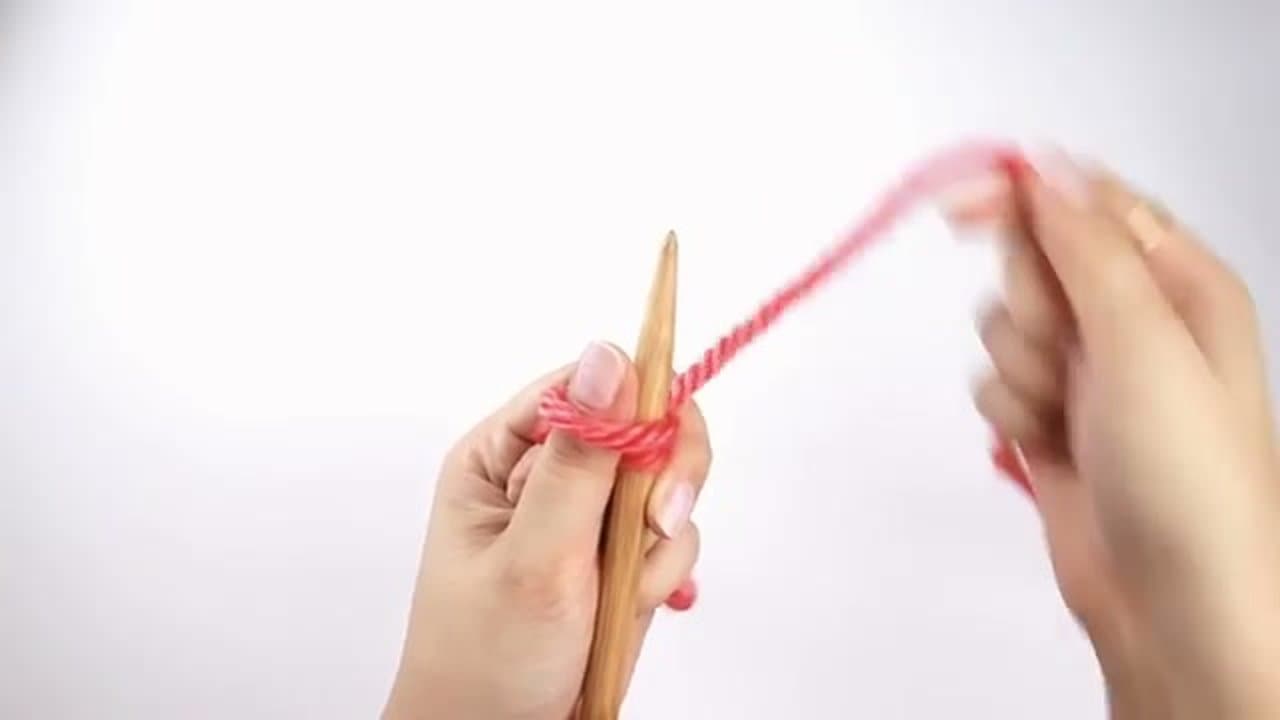
The strand running along your left index finger is the working yarn (still attached to the ball). Use the needle tip to scoop that strand from back to front, so it wraps over the top of the needle.

The yarn now sits on the needle, with the thumb loop still around the needle below it. You're almost there - one move left.

7

Step 7: Lift the Thumb Loop Over and Tighten

4:45
Step 7: Step 7: Lift the Thumb Loop Over and Tighten

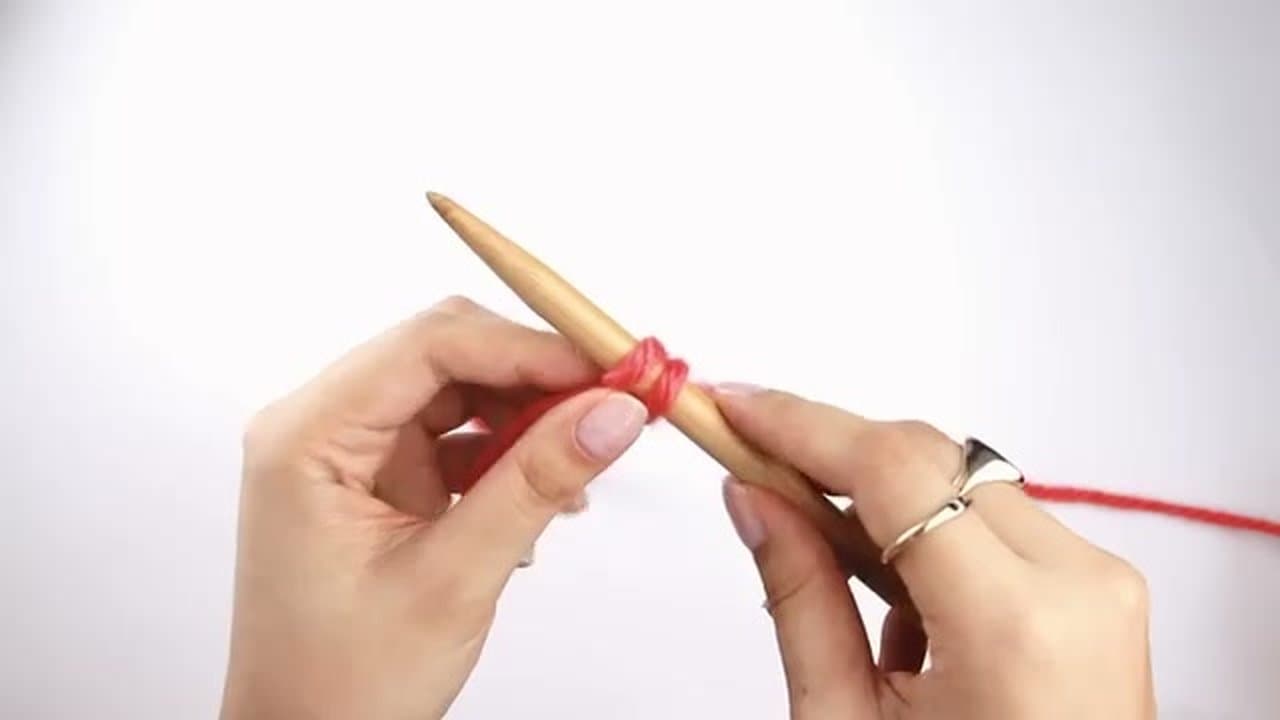
Use your needle tip to lift the thumb loop up and over the wrapped yarn, then drop the loop off your thumb completely. Pull the tail strand down gently to snug the new stitch against the needle.

You just made your first cast on stitch. Repeat steps 4-7 - reset the slingshot grip, insert the needle into the thumb loop, wrap the working yarn, lift the thumb loop over - until you have as many stitches as your pattern calls for.

Tip

If your stitches end up tight against the needle and hard to slide, you're pulling the tail too hard at the end. Cast on stitches should sit snug but still glide along the needle freely.

Products Used

Lion Brand Hometown USA Yarn10mm Bamboo Knitting NeedlesTape Measure
☐ The Checklist

How to Cast On Knitting: Long Tail Method for Beginners

Tools
2
Materials
1
Steps
7
Video
8 min

Your Guide

Sheep & Stitch

As an Amazon Associate we earn from qualifying purchases. Links on this page may be affiliate links - clicking them and buying doesn't change your price, but helps support ShowMeStepByStep.

Tags

Related Tutorials