How to Knit Seed Stitch

The finished result: How to Knit Seed Stitch
Also in:Crafts

By CraftingStepByStepPublished

Based on a video by Sheep & Stitch.

Seed stitch is the one that makes a scarf look finished. It is knit one, purl one, over and over, but offset each row so the bumps never stack into ribbing. You get a nubbly, reversible fabric that lies flat and reads the same on both sides. Sheep & Stitch walks through it twice in this lesson, once by the written pattern and once by a hack that means you never read the pattern again.

Why knitters reach for seed stitch

It is reversible, and that matters more than it sounds. A stockinette scarf curls at the edges and shows an ugly back, so you end up adding a border to hide it. Seed stitch has no wrong side and no curl, which is why it turns up on scarves, blanket borders, dishcloths and the button bands of cardigans. It also eats more yarn than stockinette for the same size, so buy a little extra.

Read your stitches before you start

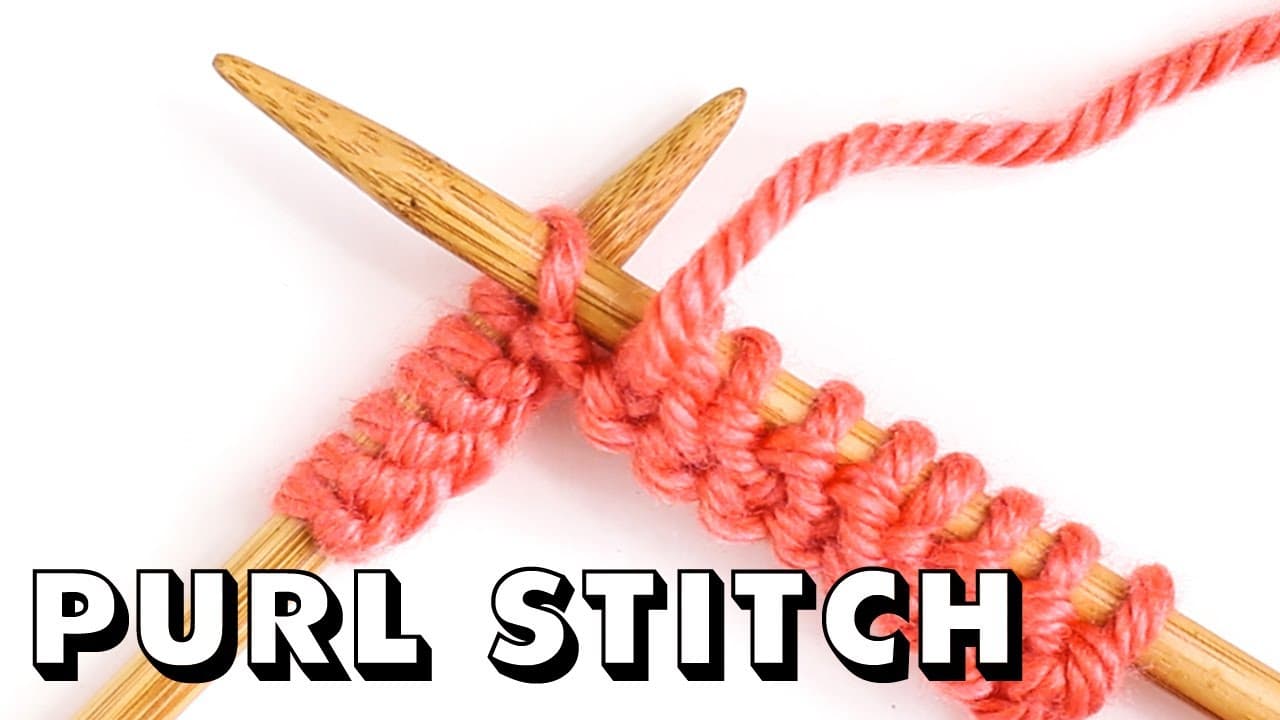
Everything here rests on telling a knit from a purl on the needle. A knit stitch is a flat V. A purl stitch is a little bump, like a pearl. Spot those two at a glance and seed stitch stops being a pattern you follow and becomes something you can see. If the purl is still shaky, work through how to purl stitch first, and cast on with a long tail cast on.

The two methods, and which one to learn

Method one follows the written pattern: cast on an odd number, then knit one, purl one to the last stitch, knit one. Because the count is odd, every row starts and ends with a knit, and the offset happens on its own. One row, repeated forever.

Method two is the hack. Cast on any number you like, work a row of knit one purl one rib, then ignore the pattern completely. The rule is knit the purls and purl the knits. You look at the stitch waiting on the left needle and do the opposite of what it is. This is the version worth learning, because it survives dropped stitches, interruptions and losing your place halfway through a film.

What goes wrong

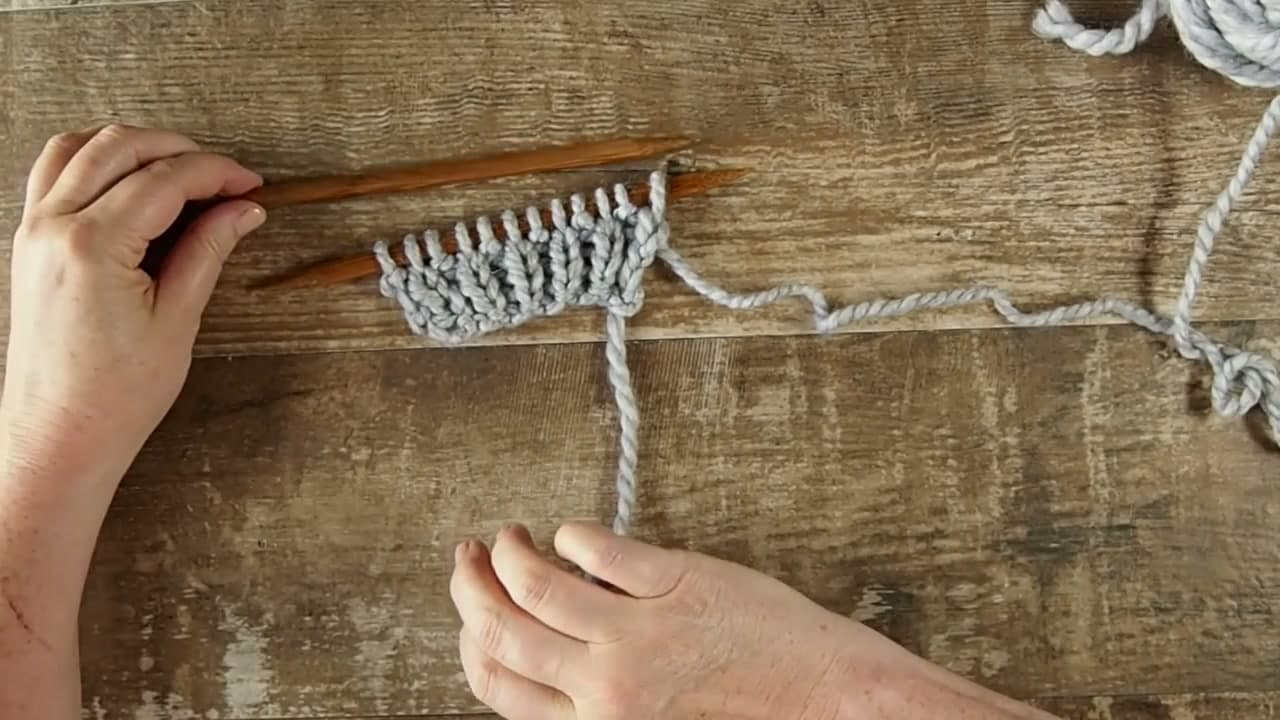
Almost every seed stitch mistake is really a ribbing mistake. If your fabric starts forming vertical columns of bumps instead of a scattered texture, you have stacked a purl on a purl and slipped into one by one rib. Stop and look at the last row: each bump should sit above a flat V. The other common slip is forgetting to move the yarn between stitches. It goes to the back for a knit and to the front for a purl, every single time, and if you knit with the yarn still in front you get a yarn over and an extra stitch.

Working it in the round

Flat and in the round want different counts, and this trips people up. Flat wants an odd number. In the round, cast on an even number and work knit one purl one on round one, then purl one knit one on round two, alternating each round. Use a stitch marker at the start so you know when the round flips. If the tube is small, magic loop holds it more comfortably than a short circular does.

How much yarn to buy

Plan on roughly a third more yarn than the same piece would take in stockinette. All that switching between knits and purls pulls the fabric in sideways, so you get fewer inches per skein and a denser, warmer result. Worsted weight on 5mm needles is the easiest place to learn, because the stitches are big enough to read without squinting. Once the rhythm is in your hands it scales down to sock yarn fine.

A good first project is a scarf cast on at 35 stitches, or a dishcloth at 31. Both are odd, both are narrow enough to finish, and both show off the texture. When you are ready for something bigger, a full scarf is the natural next step.

What you'll need

Step-by-Step Guide

7 steps · about 10 minutes.Check off each step as you go and your progress saves automatically.

1

Tell a Knit Stitch From a Purl Stitch on the Needle

0:36
Step 1: Tell a Knit Stitch From a Purl Stitch on the Needle - How to Knit Seed Stitch

Look at the fabric before you cast anything on. A knit stitch shows as a flat V sitting in a neat column. A purl stitch shows as a horizontal bump. That is the whole skill. Seed stitch is nothing but knits and purls placed so no bump ever lands on another bump, and you cannot place them if you cannot see them.

Tip

Hold your knitting up to a lamp. The bumps catch the shadow and the Vs go flat, which makes the two much easier to separate while you are learning.

2

Cast On an Odd Number of Stitches for Flat Seed Stitch

1:24
Step 2: Cast On an Odd Number of Stitches for Flat Seed Stitch - How to Knit Seed Stitch

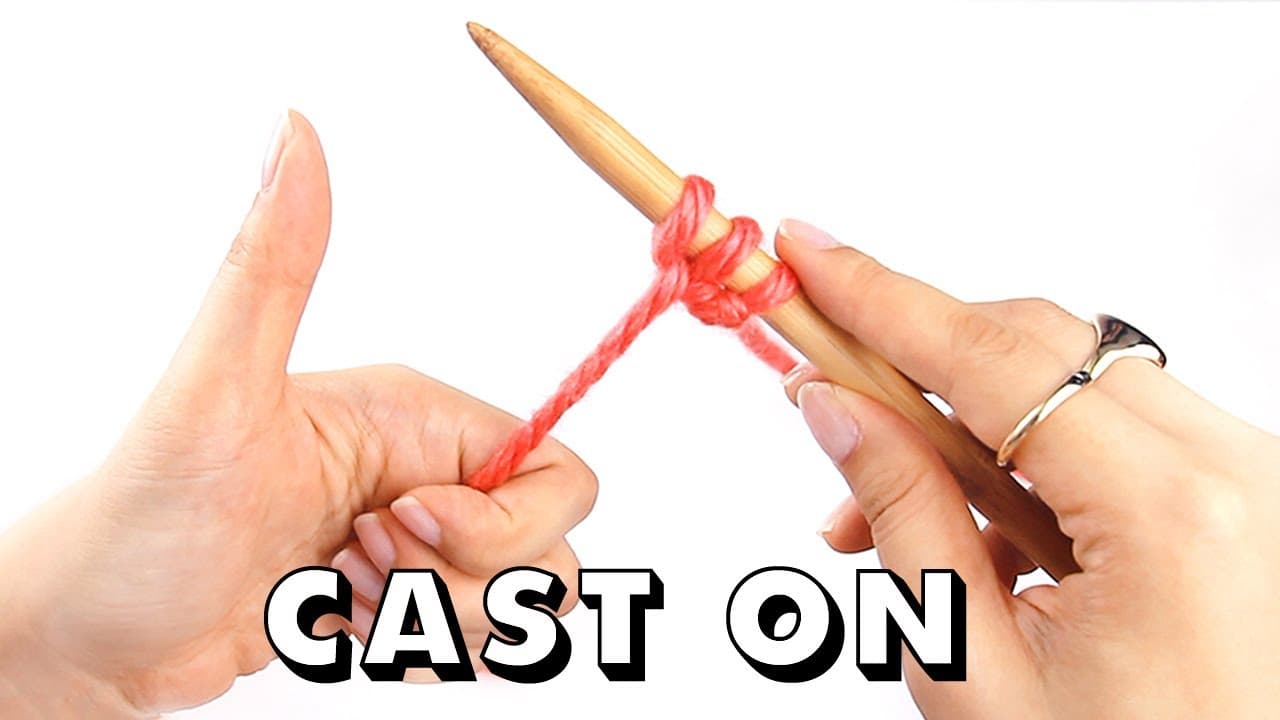
Cast on using whatever method you like. The long tail cast on is what Sheep & Stitch uses here and it gives a tidy, stretchy edge. The count is the part that matters: make it odd. Fifteen stitches is a good practice width. An odd count means the row begins and ends with a knit, which shifts the pattern by one stitch every row without you doing anything.

Tip

Count twice before you start row one. An even cast on gives you one by one rib, not seed stitch, and you will not spot it for an inch.

3

Work Knit One Purl One Across the Row to the Last Stitch

4:52
Step 3: Work Knit One Purl One Across the Row to the Last Stitch - How to Knit Seed Stitch

Knit the first stitch with the yarn held at the back. Bring the yarn forward between the needle tips and purl the next one. Take it back, knit. Forward, purl. Keep alternating to the last stitch on the left needle, then knit that one. Turn the work and run the identical row again. This single row is the entire flat pattern.

Tip

The yarn moves between the tips, never over the top of the needle. Carrying it over adds a yarn over and your stitch count climbs.

4

Check the Finished Seed Stitch Panel for Scattered Bumps

6:12
Step 4: Check the Finished Seed Stitch Panel for Scattered Bumps - How to Knit Seed Stitch

After a few rows, spread the fabric along the needle and look at it. You want bumps scattered in a checkerboard, each one sitting directly above a flat V. If instead you see bumps lined up in vertical columns, you have drifted into ribbing and a row got started on the wrong stitch. Back up to the last correct row rather than fudging it forward.

Tip

Seed stitch lies flat with no curl. If your edges are rolling, you are looking at stockinette, not seed stitch.

5

Cast On an Even Number and Place a Marker to Work in the Round

6:44
Step 5: Cast On an Even Number and Place a Marker to Work in the Round - How to Knit Seed Stitch

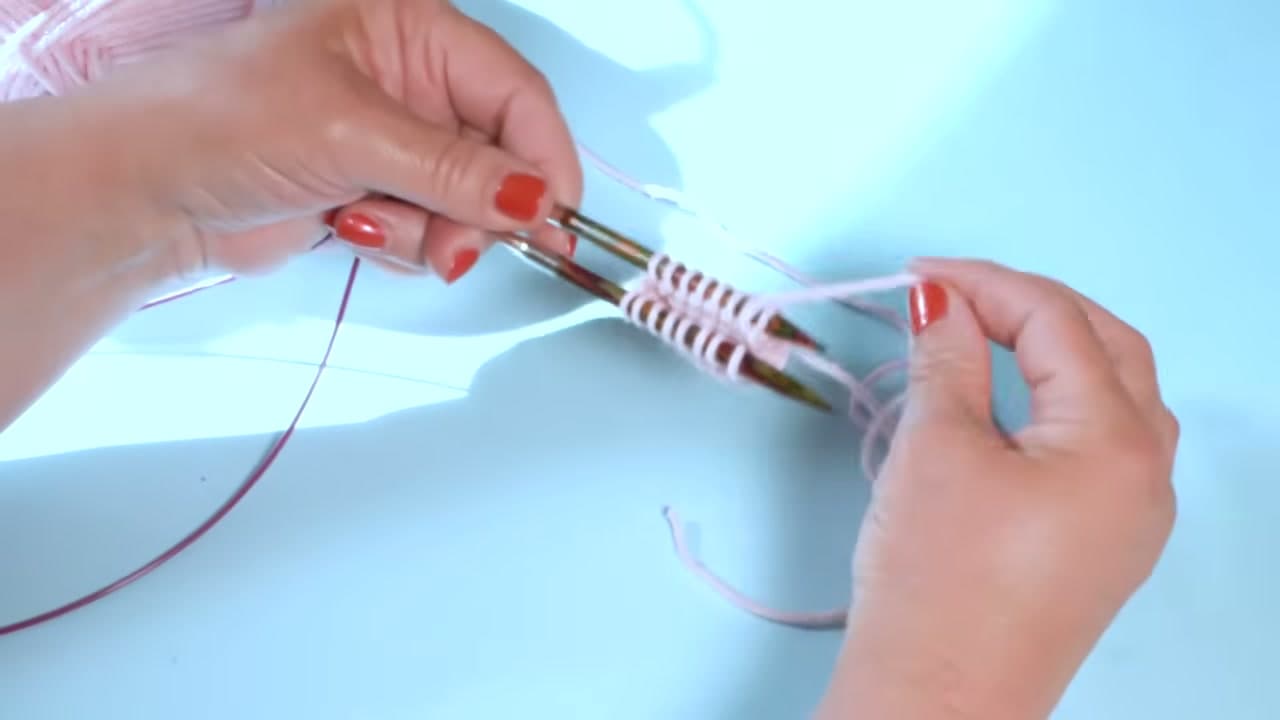
Working a tube changes the count. Cast on an even number of stitches onto a circular needle, join without twisting, and slide a stitch marker onto the right needle tip to mark the start of the round. In the round there is no turn at the end of a row, so the offset has to come from you alternating the rounds instead.

Tip

Run the cast on edge along the cable and check every stitch faces the same way before you join. A twist here cannot be fixed later.

6

Alternate the Rounds So No Bump Lands on Another Bump

8:20
Step 6: Alternate the Rounds So No Bump Lands on Another Bump - How to Knit Seed Stitch

Round one is knit one, purl one, the whole way around to the marker. Round two flips it: purl one, knit one. Keep swapping each time you pass the marker. Work the same round twice and you get one by one rib, which is the same trap as an even cast on when knitting flat.

Tip

Or use the hack and forget the rounds entirely. Knit the purls and purl the knits, and the alternation takes care of itself.

7

Wrap the Yarn Around the Right Needle Tip to Form Each Stitch

8:52
Step 7: Wrap the Yarn Around the Right Needle Tip to Form Each Stitch - How to Knit Seed Stitch

The mechanics do not change in the round. Yarn to the back and wrap for a knit, yarn to the front and wrap for a purl, moving it between the tips each time. Work all the way around to the marker, flip which stitch you start with, and keep going. Bind off in pattern once the tube is as long as you want it.

Tip

Bind off in pattern, knitting the knits and purling the purls, or the top edge flares and spoils the flat finish you just spent all that time on.

Keep going

How to Knit Magic Loop

Products Used

The Checklist

How to Knit Seed Stitch

Tools
7
Materials
2
Steps
7
Video
10 min

Tools we recommend

Your Guide

Sheep & Stitch

As an Amazon Associate we earn from qualifying purchases. Links on this page may be affiliate links - clicking them and buying doesn't change your price, but helps support CraftingStepByStep.

Tags

Sunday How-To

New knitting tutorials, every Sunday

One short email with the week's best step-by-step guides. Free, no spam, unsubscribe anytime.

Test your knowledge

Did the lesson stick? Start with this one.

5 questions covering what you just read. No signup, no score saved, and you can stop after this one.

Question 1 of 5

How do you tell a knit stitch from a purl on the fabric?

Quick reference

Key takeaways from How to Knit Seed Stitch

5 questions, answers, and one-line explanations. Tap to expand.

  1. 1.How do you tell a knit stitch from a purl on the fabric?

    Answer: A knit is a flat V, a purl is a bump

    Reading the fabric is the whole skill behind placing seed stitch correctly.

  2. 2.Working flat, what cast on count does seed stitch want?

    Answer: An odd number

    An odd count starts and ends the row on a knit, which shifts the pattern.

  3. 3.Work seed stitch flat over an even cast on and what do you get?

    Answer: One by one ribbing instead

    With an even count the bumps stack into columns rather than scattering.

  4. 4.In the round, how do consecutive rounds relate?

    Answer: Knit one purl one, then purl one knit one

    There is no turn in the round, so you supply the offset by swapping.

  5. 5.Your bumps have lined up in vertical columns. What happened?

    Answer: A row was started on the wrong stitch

    Columns mean it drifted into ribbing, so back up to the last good row.

Did this work for you?

What's next

Related collections

Curated theme pages that include this tutorial.

Weekly Digest

Liked this knitting tutorial?

Pick the categories you want to hear about. Weekly digest of new step-by-step tutorials. No spam, easy unsubscribe.

Send me tutorials about

We only email about new tutorials. Easy unsubscribe anytime.