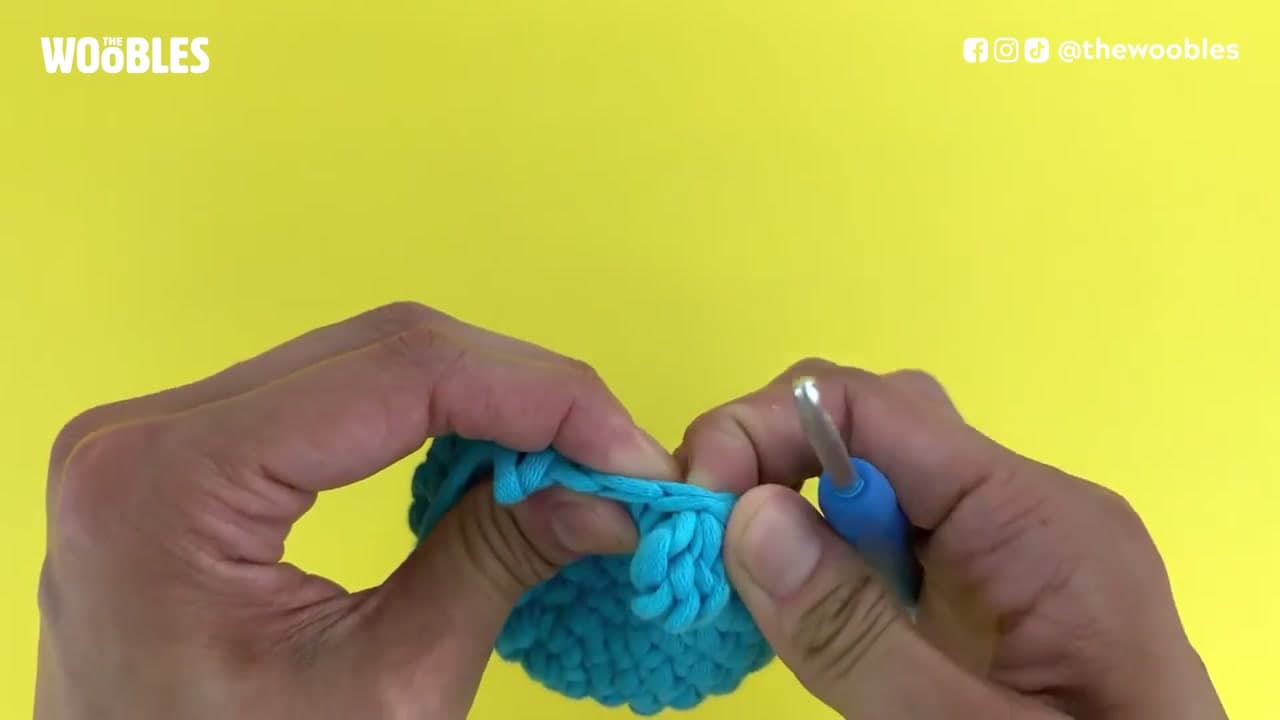
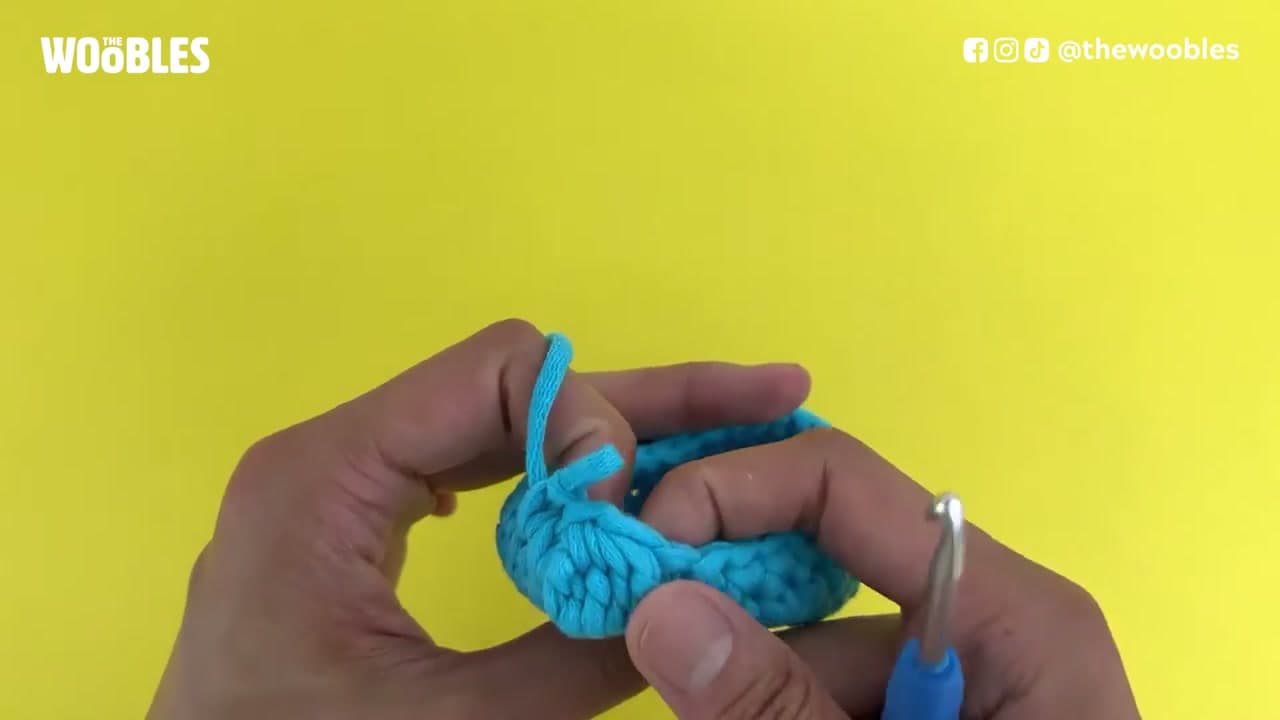
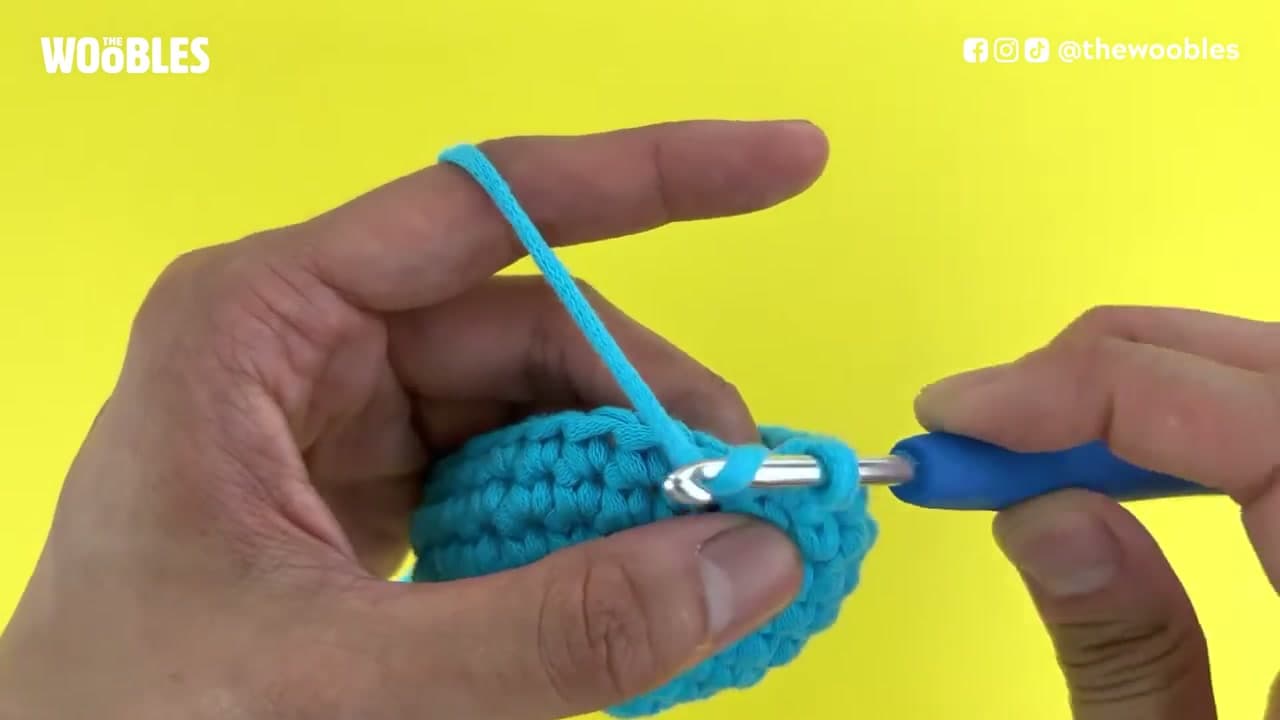
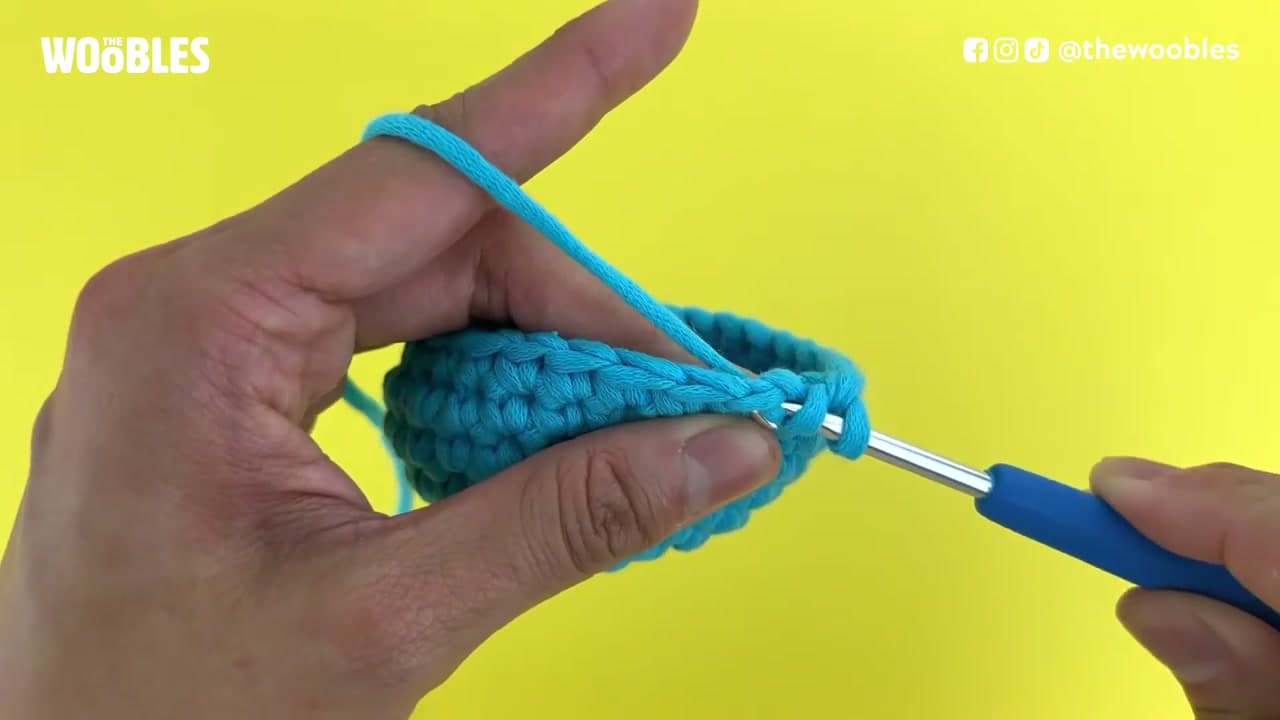
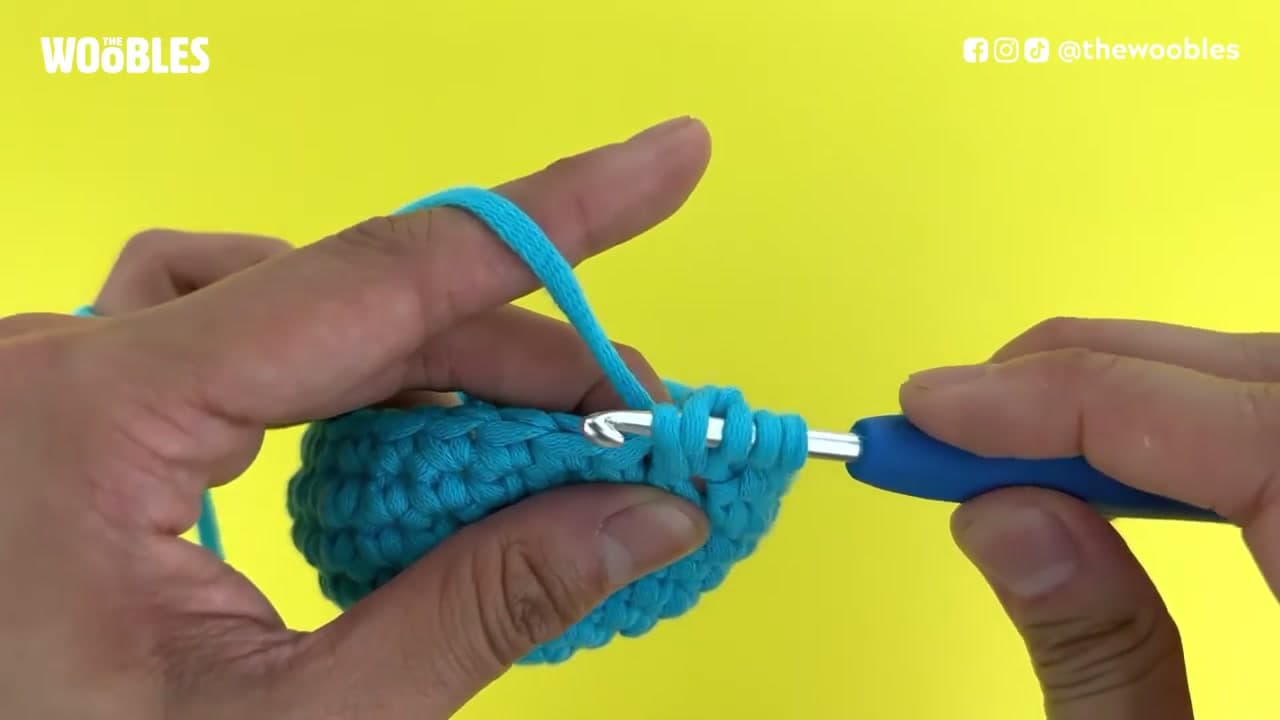
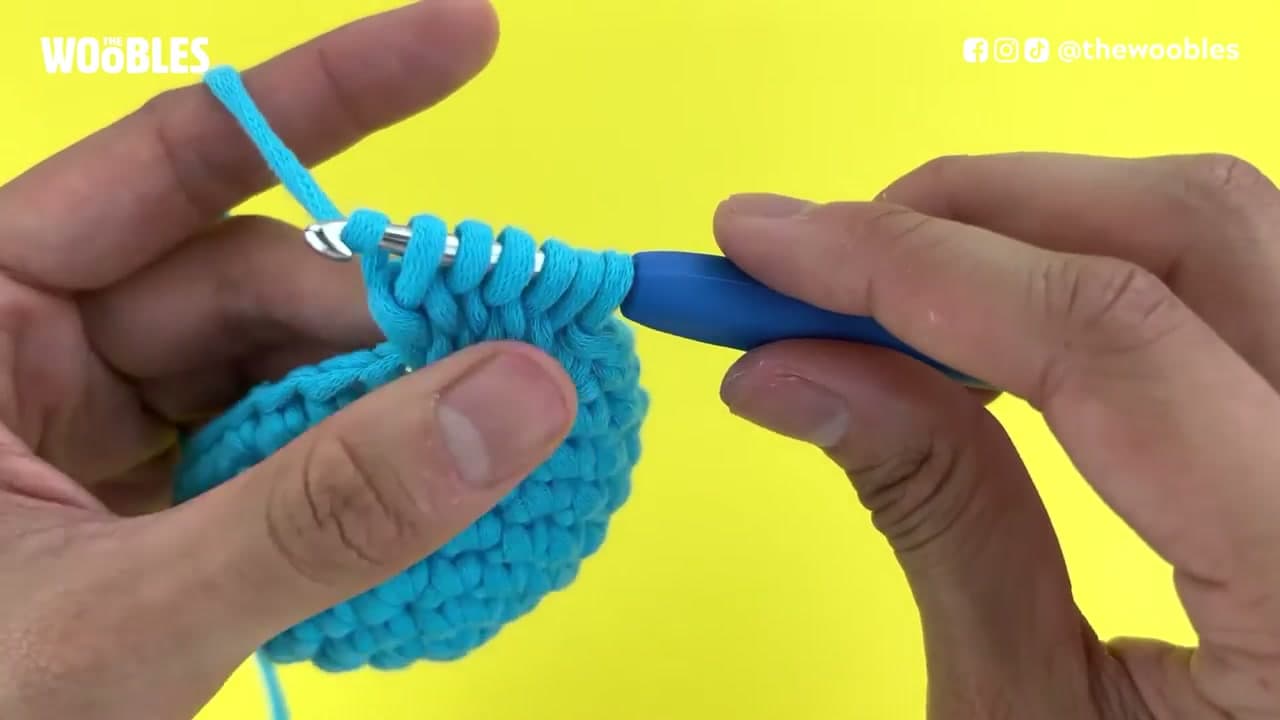
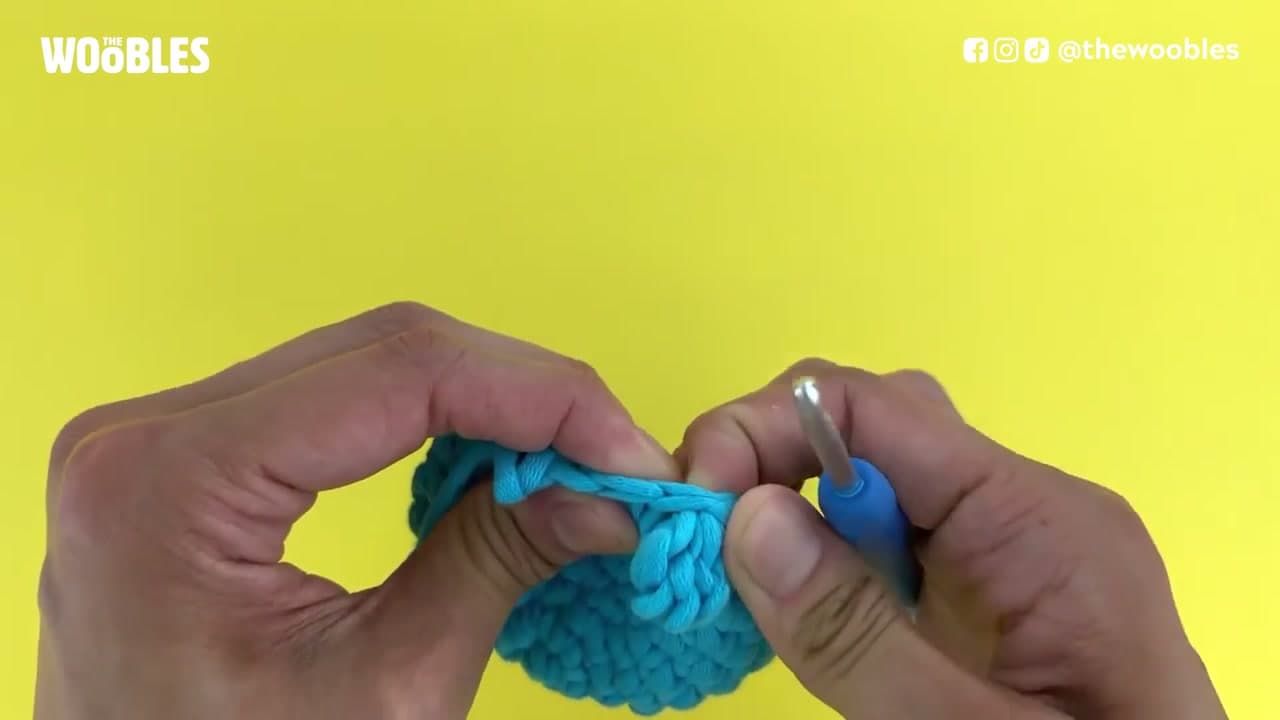
The bobble stitch is one of those crochet moves that instantly makes your work look more interesting. It is a cluster of five double crochets worked into a single stitch and gathered into one raised puff, and it is the building block behind bobble blankets, textured baby blankets, and cozy cushions. In this tutorial, The Woobles breaks down the dc5tog so even a confident beginner can follow along.
You will start by understanding what the stitch is, work five double crochets into the same hole leaving each one unfinished, then join them all in a single pull and pop the finished bobble to the front. The whole thing comes down to one rule: leave each double crochet one step short, then close them together at the end.
What you need
- Smooth worsted weight yarn in a light color. Fuzzy or dark yarn swallows the texture
- A 5mm (H) hook, or whatever the yarn label calls for
- A stitch marker and a tapestry needle
What dc5tog means in a pattern
Patterns write the bobble as dc5tog, double crochet five together. One instruction, not five: five double crochets into the same stitch, each stopped a step early so two loops stay on the hook, then one yarn over through all six loops. Six, not five, because the working loop counts. Any wobble in your base stitch shows up five times over.
Some designers write MB (make bobble) instead, or dc3tog for a flatter bump, so read the pattern notes first. Reading a crochet pattern covers the rest of the shorthand.
Bobble, puff and popcorn - which one is which
- Bobble - five unfinished double crochets in one stitch, closed with a single pull. Firm, round, defined.
- Puff - yarn over and pull up a tall loop three to five times in the same stitch, nothing worked off, then close the lot. Softer, no crisp edge.
- Popcorn - five complete double crochets in one stitch, joined by dropping the loop, hooking through the top of the first dc and pulling the loop back through. Folds into a pocket and pops forward on its own.
Which side the bobble pops out on
The bump forms on the side facing away from you, so a bobble worked on a right-side row ends up on the back of the finished piece. That is why nearly every pattern puts the bobble rows on the wrong side, and getting it backwards is the number one bobble mistake.
Tie a scrap of contrast yarn to the right side on row 1 and check before each bobble row.
Crochet bobble stitch patterns
A bobble is a texture rather than a project, so it gets dropped into things you already make. Bobble blankets carry a bobble row every third or fourth row - start on a plain blanket and swap rows in. Bobble hearts and letters place bumps on a grid to draw a shape.
Spacing that holds up: two plain stitches between bobbles, one plain row between bobble rows. Crowd them and the fabric stiffens. Changing color at the start of a bobble row gives each bump its own shade.
Troubleshooting
- Floppy bobbles. The last pull-through was too generous. Snug that yarn over, and drop a hook size in soft acrylic.
- Holes either side. The neighboring stitches stretched while you crammed five dc into one hole. Tighten the stitch before and after.
- It will not pop forward. It is pinned under the next stitch. Push from the back, two or three stitches later.
- Stitch count off. A bobble is one stitch. Five go in, one comes out, so the row count does not change.
- Uneven bobbles. Pull every loop up to the height of a normal double crochet before you work it off.
For texture that fans out instead of gathering in, see the shell stitch.