How to Macrame: 7 Basic Knots Every Beginner Must Know

MacraméEasy11:017 steps

By CraftingStepByStepPublished Updated

Based on a video by Majestic Macrame.

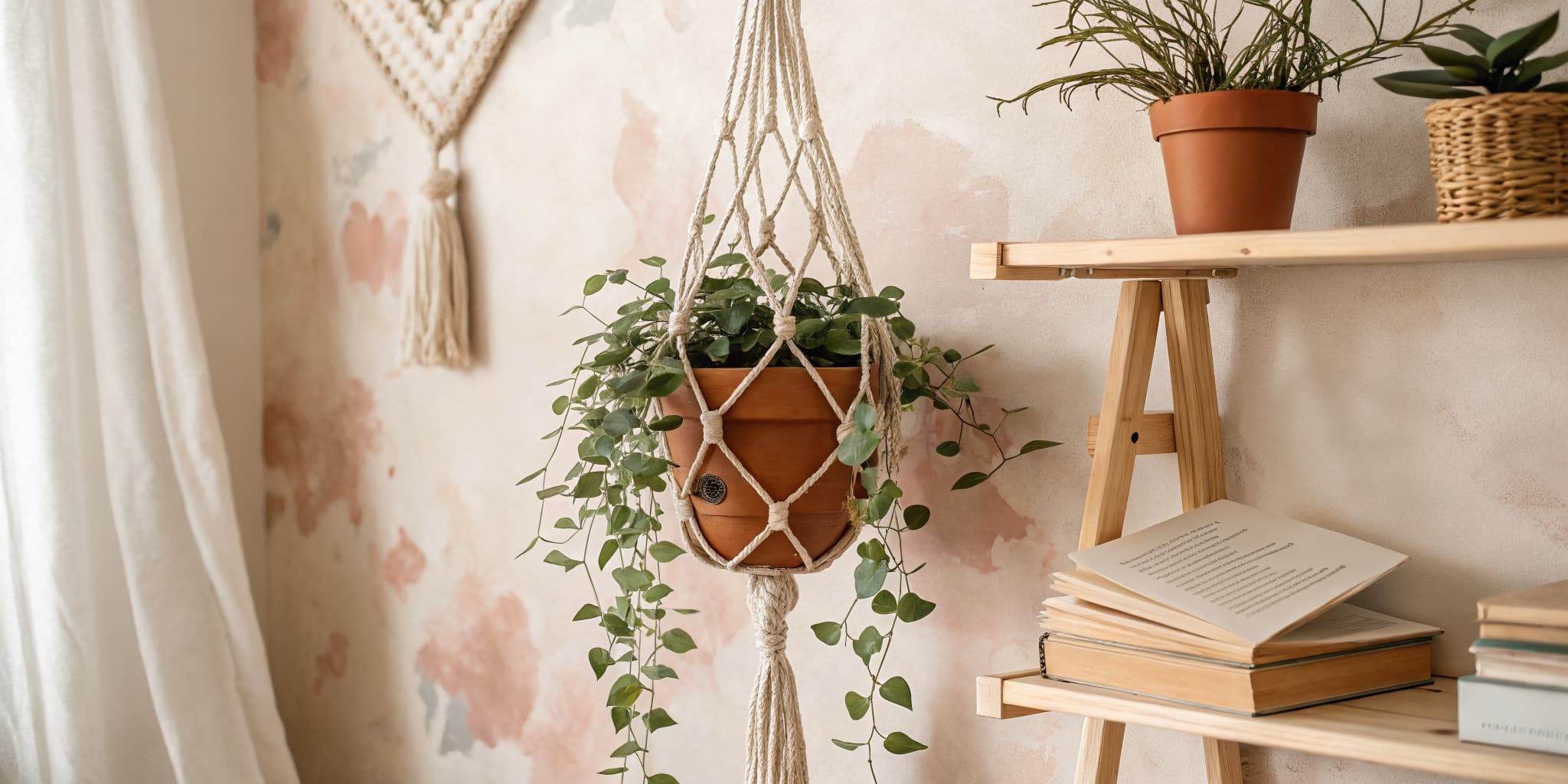
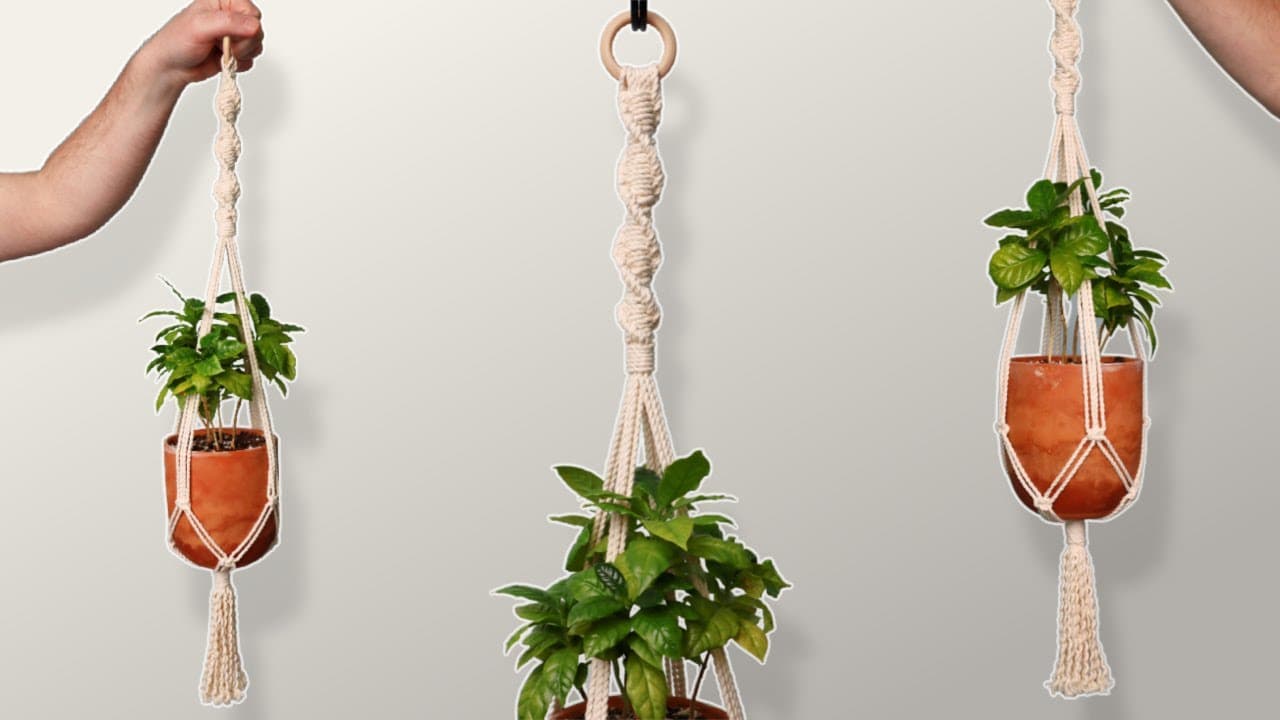
Macrame looks like a lot of separate skills - plant hangers, wall hangings, friendship bracelets, lanterns, baby teethers - but it's all built from the same handful of knots. Master these seven and you can read any macrame pattern and build any project.

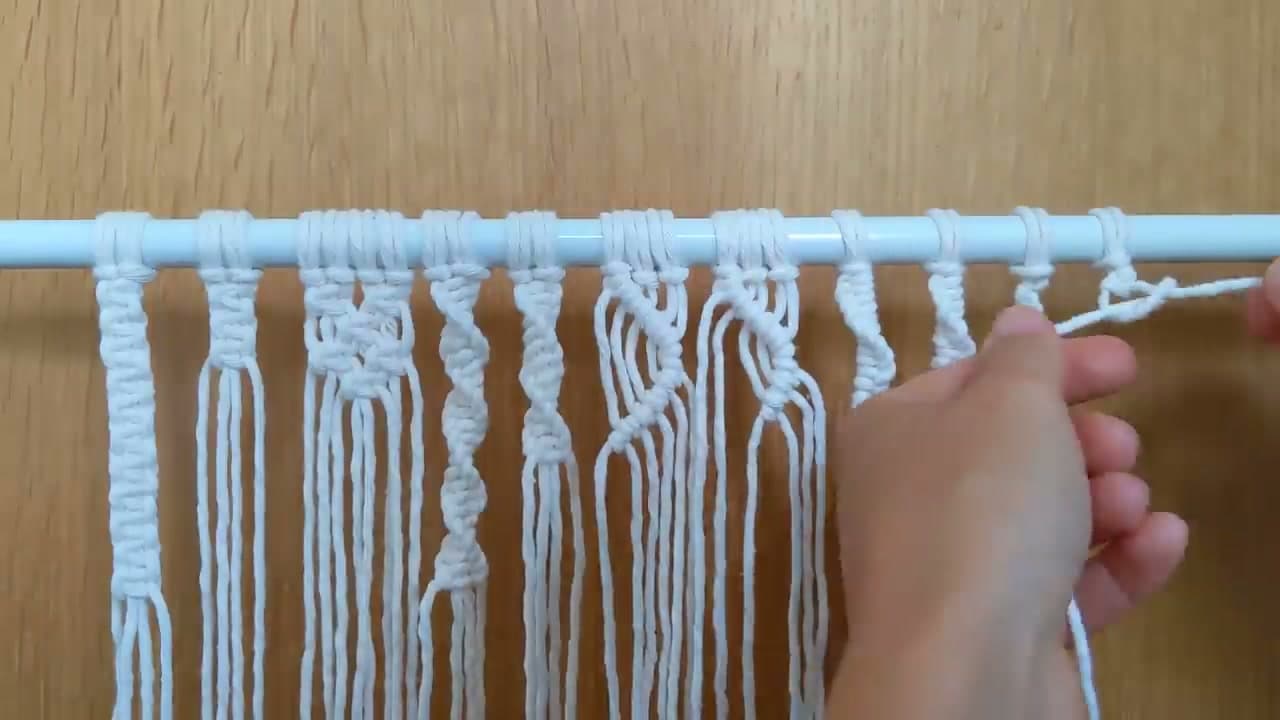
This walkthrough from Majestic Macrame teaches every foundational knot in one tutorial. Larks Head attaches your cord to the dowel, Square Knots build the body, Spirals add visual interest, and Half Hitches let you draw geometric and floral patterns. Practice each one until it feels automatic.

Step-by-Step Guide

1

Step 1: Tie a Larks Head Knot

0:12
Step 1: Step 1: Tie a Larks Head Knot

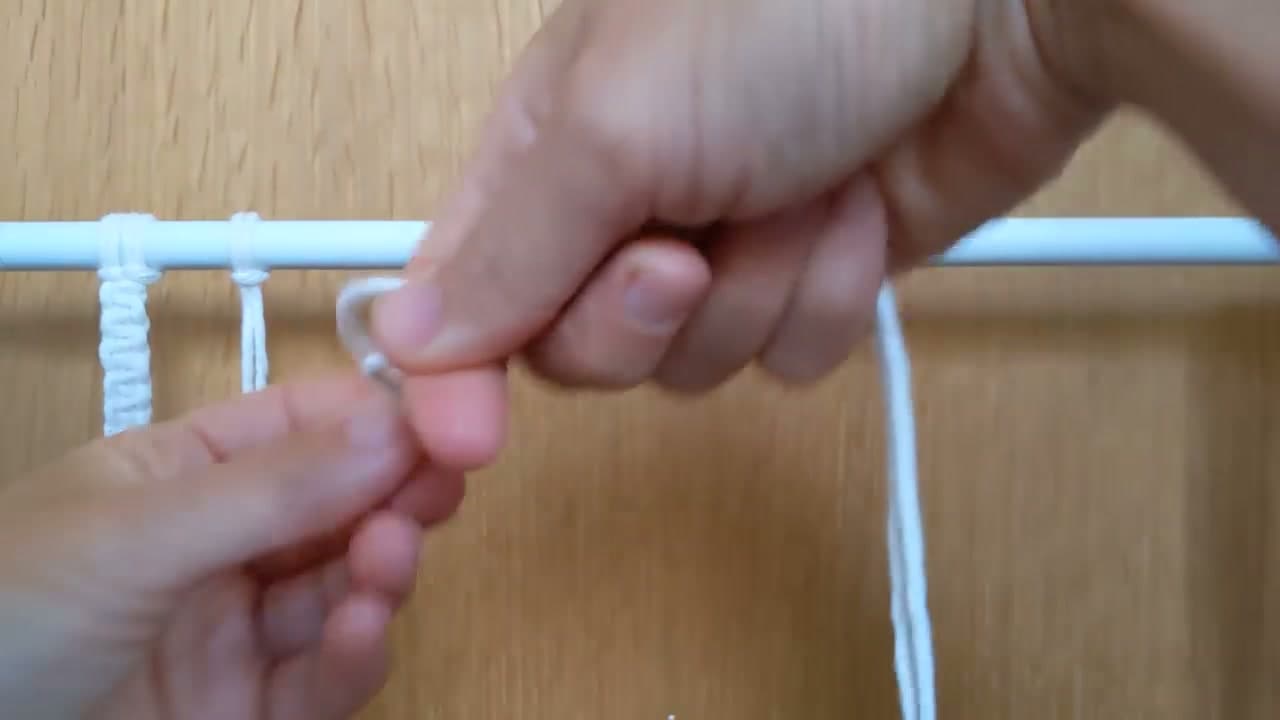
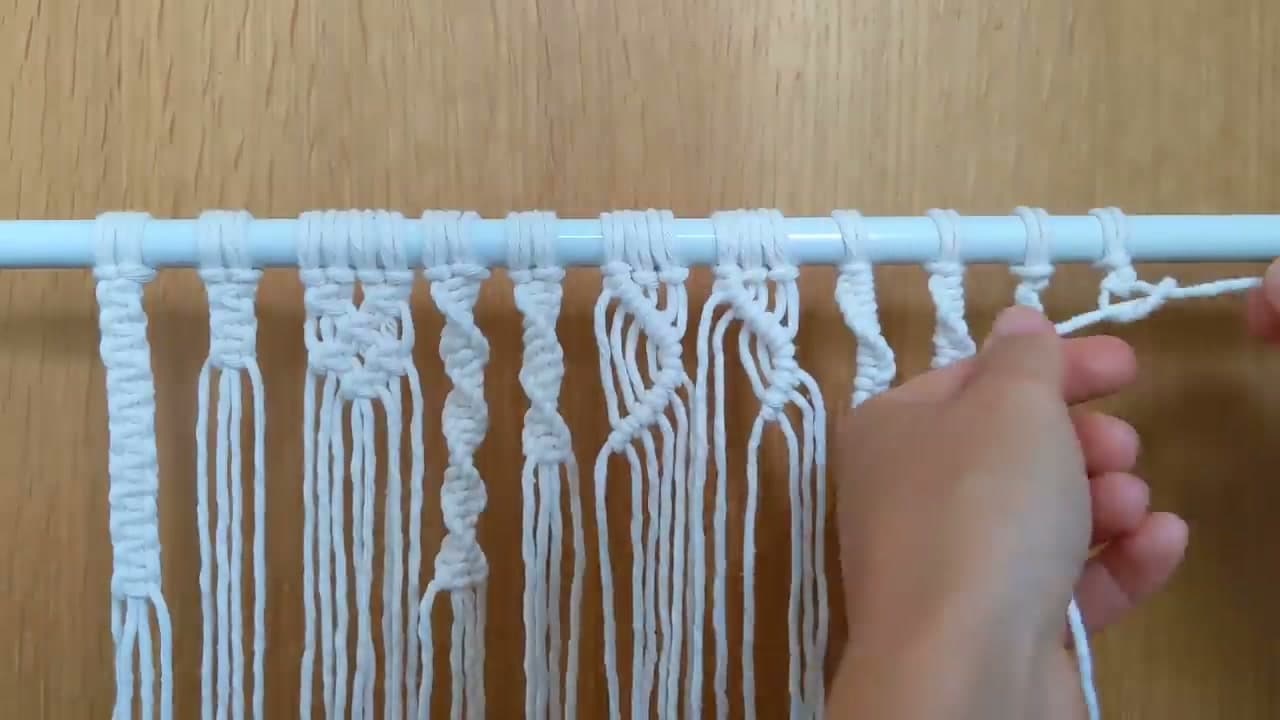
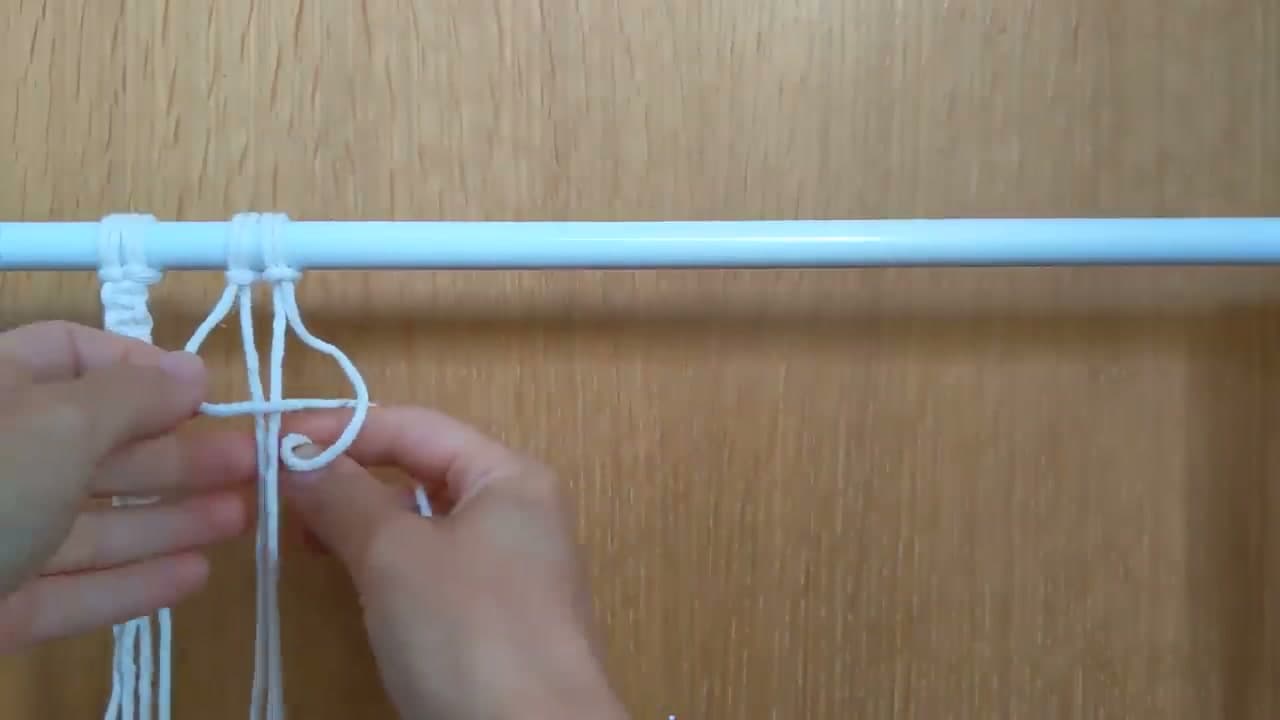
Every macrame project starts with attaching cord to a rod. Fold a long cord in half, drape the fold over the back of the dowel, then bring both cord ends through the loop and pull tight. That's a Larks Head Knot.

Each Larks Head produces 2 working strands. Most projects use 4-8 Larks Head knots side by side, giving you 8-16 working strands to knot down through the body of the project.
2

Step 2: Tie a Square Knot

0:45
Step 2: Step 2: Tie a Square Knot

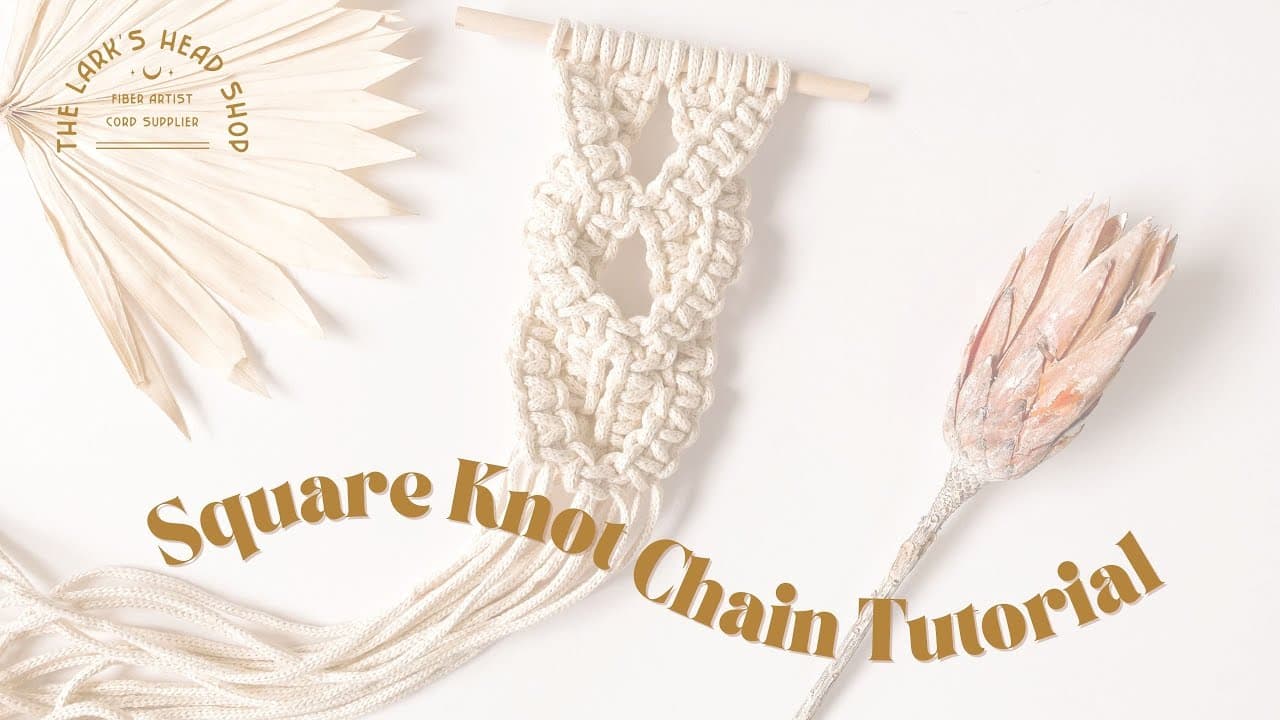
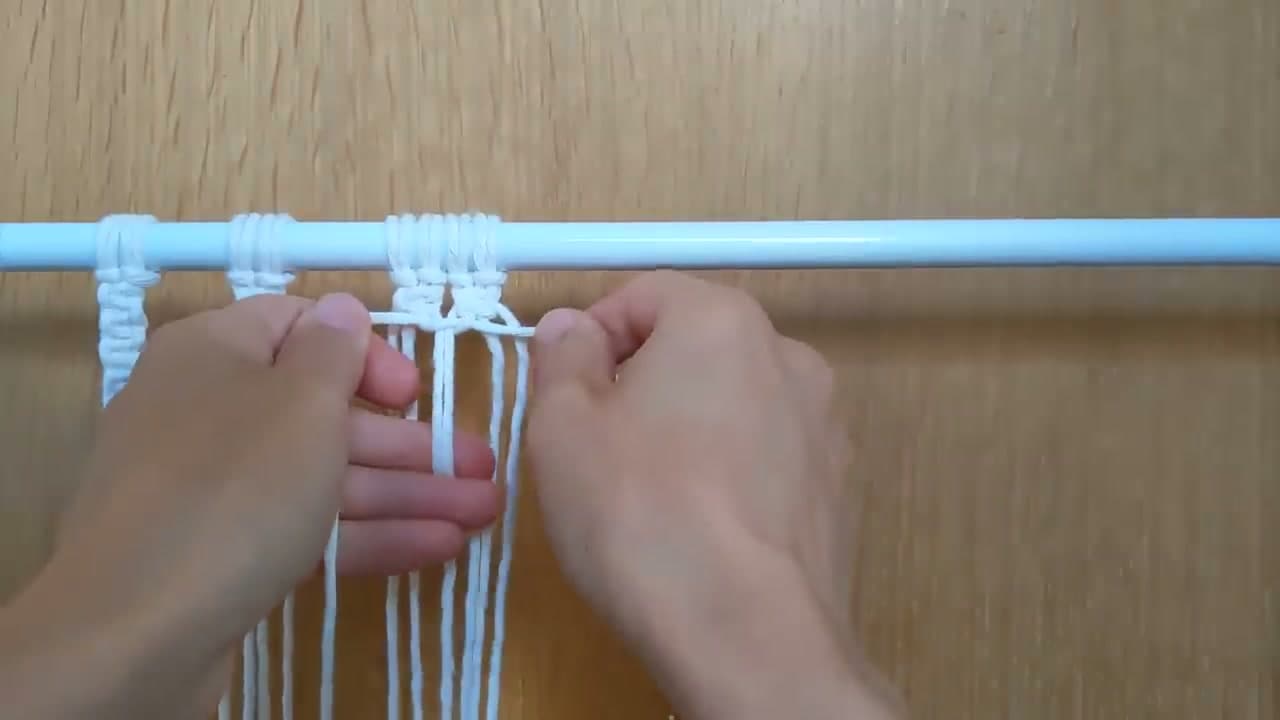
Square knots are the workhorse - most macrame walls and plant hangers are mostly square knots. With 4 cords (from 2 Larks Heads), take the leftmost cord OVER the middle two and UNDER the rightmost. Then take the rightmost cord UNDER the middle two and back through the loop.

Reverse direction for the second half: start from the right this time. Going right-then-left creates a flat, balanced knot. Skip the reverse and you get a spiral instead (that's Step 4).

3

Step 3: Combine Sets With Alternating Square Knots

2:40
Step 3: Step 3: Combine Sets With Alternating Square Knots

Tie square knots in two adjacent groups of 4 cords. For the next row, take the middle 4 cords (2 from each adjacent group) and tie a square knot using those. The pattern shifts so each row of knots offsets the row above.

This alternating diamond pattern is the foundation of most macrame wall hangings and plant hanger bodies. Continue down the project, alternating each row with the one above.

4

Step 4: Tie a Spiral Knot

5:00
Step 4: Step 4: Tie a Spiral Knot

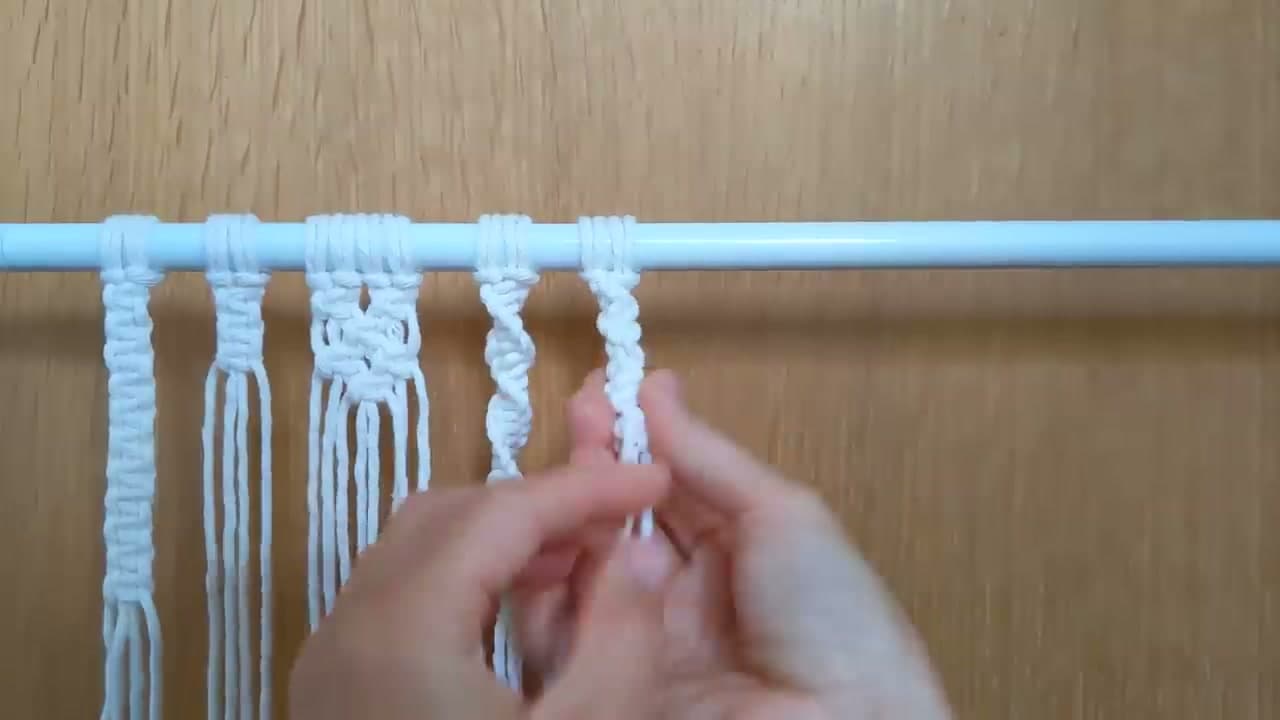
Tie ONLY the first half of a square knot - left cord over middle and under right, right cord under middle and through the loop - then repeat exactly that same direction. Don't reverse.

The cords twirl as you go. Always lead with the same side (left if you started left, right if you started right). When the cord twists, just spin the project around to keep working from the front.

5

Step 5: Tie Double Half Hitch Knots

6:40
Step 5: Step 5: Tie Double Half Hitch Knots

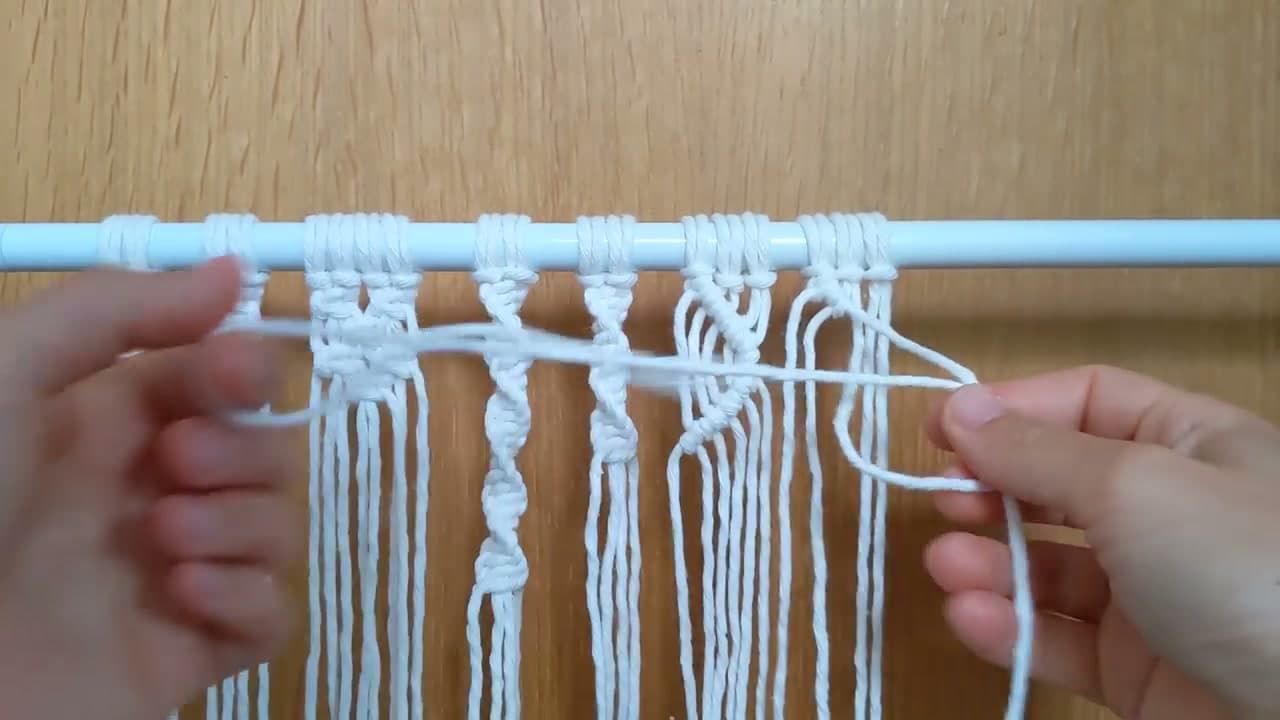
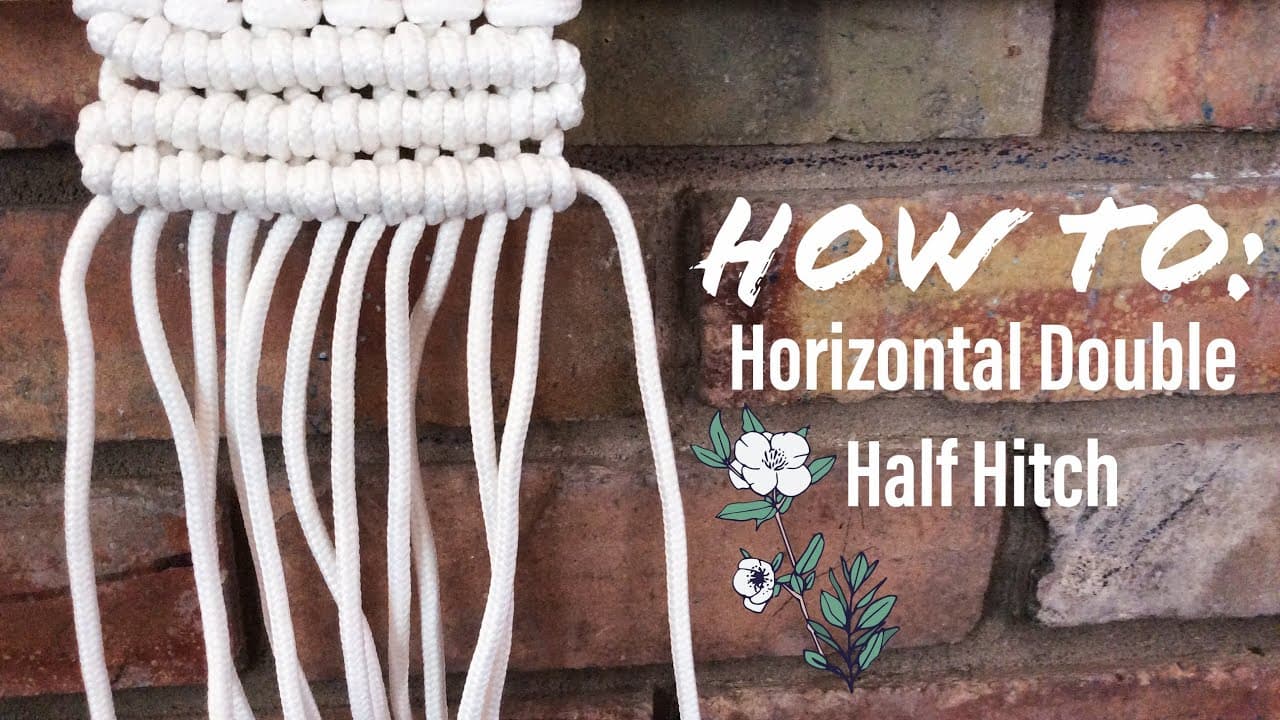
Take one cord (the 'lead' or 'leader') and hold it horizontally across the others. Each remaining cord is a 'filler' - wrap each filler OVER and UNDER the leader twice, creating two knots per filler.

The leader stays straight; the fillers do all the wrapping. The result is a clean horizontal line of knots. Angle the leader for diagonal lines, and you can build any geometric or floral pattern by chaining lead cords together.

6

Step 6: Tie a Single Half Hitch Knot

9:40
Step 6: Step 6: Tie a Single Half Hitch Knot

The single Half Hitch is just one wrap (versus two for Double). Always lead with the same cord - take the left cord over the right and through the loop, then repeat with the same left cord over and over.

As you keep going, the cord starts to spiral. It's similar to the Spiral Knot in step 4, but uses just two cords instead of four. Useful for narrower decorative spirals.

7

Step 7: Tie an Alternating Half Hitch Knot

10:40
Step 7: Step 7: Tie an Alternating Half Hitch Knot

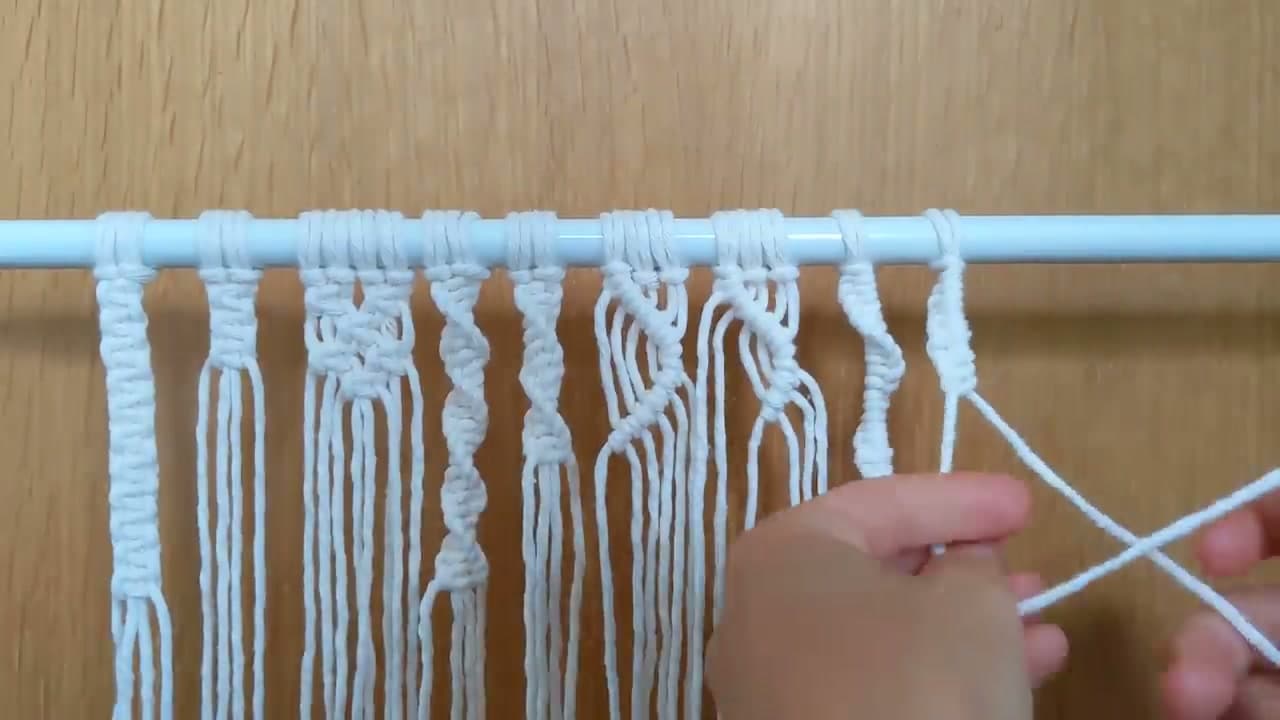
This time, alternate which cord is the leader. Tie a Half Hitch leading with the LEFT cord, then a Half Hitch leading with the RIGHT cord, then left, then right - back and forth.

Alternating creates a delicate woven pattern that lays flat instead of spiraling. Great for thin braided sections, jewelry, or as decorative borders within larger pieces.

Tip

Practice each knot 20-30 times on a scrap cord before trying a real project. The hand motions feel awkward at first but become automatic surprisingly fast. Once these feel easy, look up Berry Knots, Vertical Lark's Head, and Diagonal Half Hitches for intermediate patterns.

Products used in this step

Products Used

☐ The Checklist

How to Macrame: 7 Basic Knots Every Beginner Must Know

Tools
3
Materials
1
Steps
7
Video
11 min

Your Guide

Majestic Macrame

As an Amazon Associate we earn from qualifying purchases. Links on this page may be affiliate links - clicking them and buying doesn't change your price, but helps support ShowMeStepByStep.

Tags

Related Tutorials