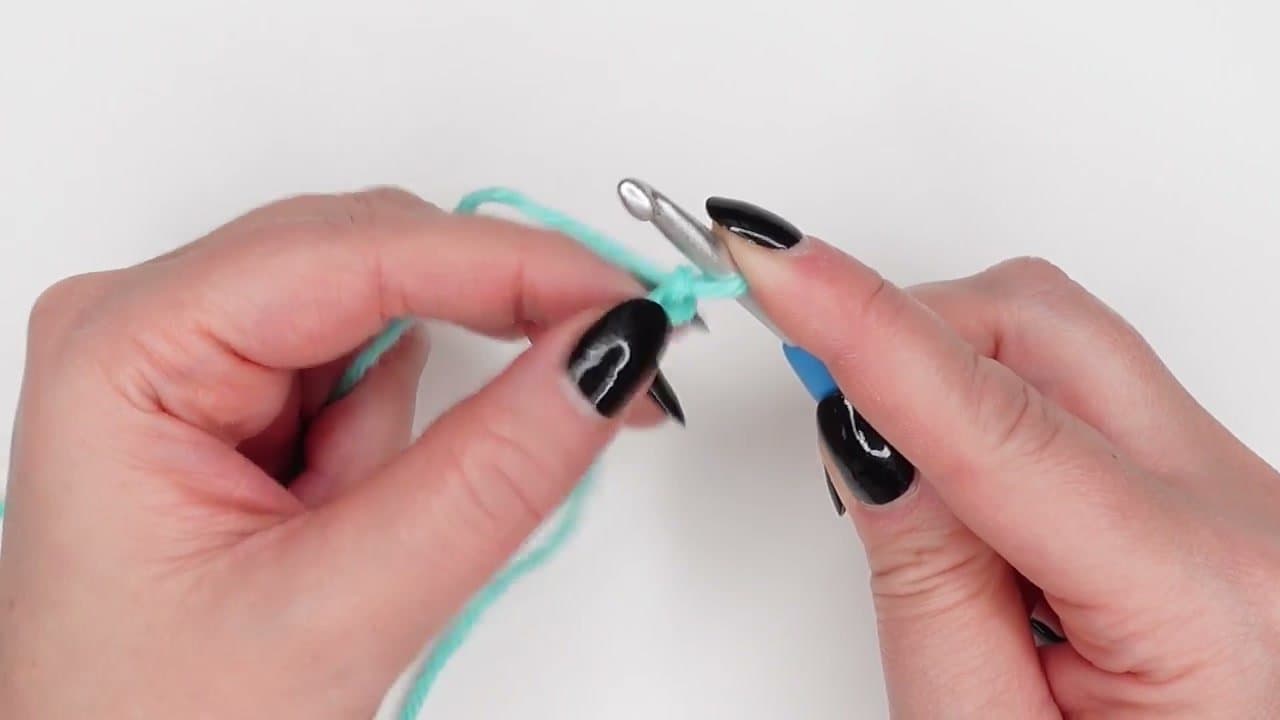
How to Crochet a Foundation Chain: 7 Step Beginner Tutorial

CrochetEasy7:137 steps

Based on a video by Just Be Crafty.

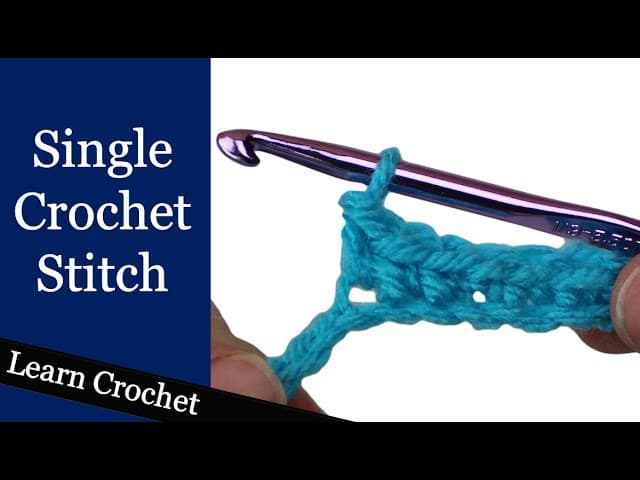
The foundation chain is the very first row of every crochet project. Before single crochet, before granny squares, before anything else, you make a chain. The chain isn't visually impressive but the tension control you build while making it is the foundation of every stitch you'll learn afterward.

This walkthrough from Britney at Just Be Crafty breaks the chain into seven clear steps. The hardest part of crochet for beginners is getting comfortable holding the yarn and hook - she covers exactly that before any actual stitching begins. Practice the chain for 10-15 minutes at a time and the rhythm will click within a session or two.

Step-by-Step Guide

1

Step 1: Start With a Slip Knot on the Hook

1:05
Step 1: Step 1: Start With a Slip Knot on the Hook

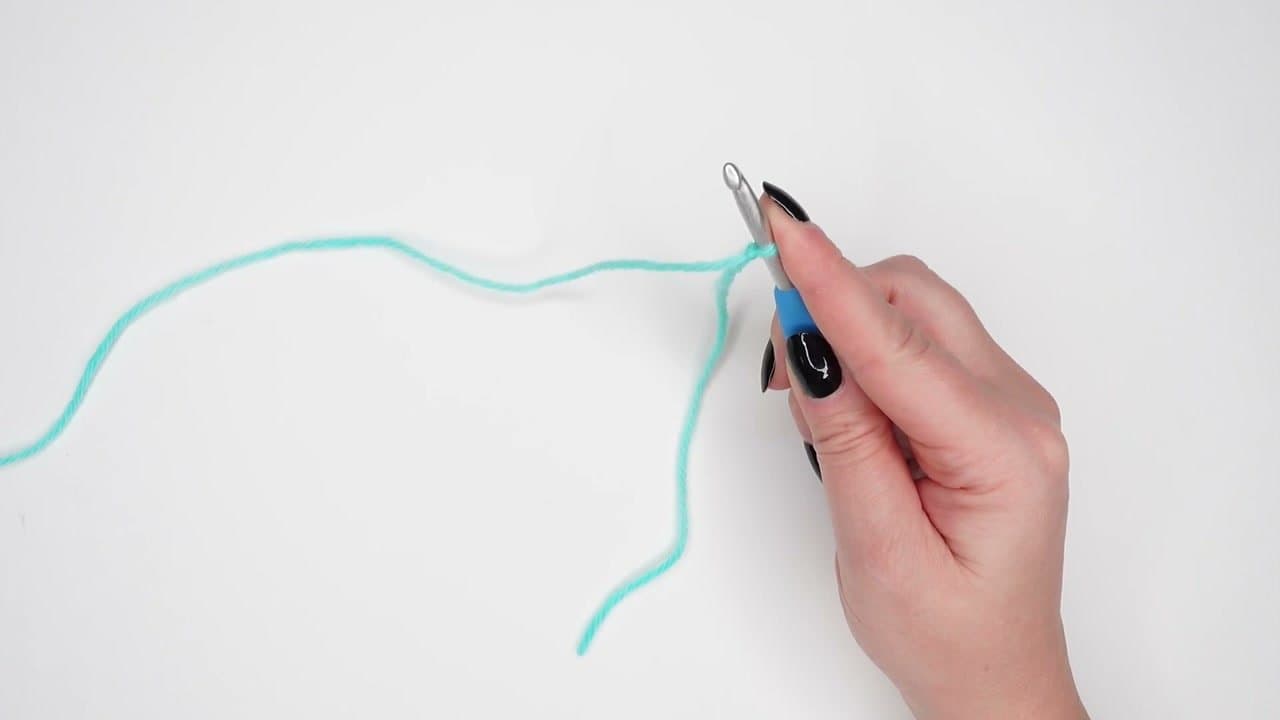
Make a slipknot at the end of your yarn and slide the loop onto the crochet hook. The slipknot is your anchor - it tightens when you pull but doesn't unravel as you work.

If you don't know how to make a slipknot: cross the yarn into a loop, twist it once, and pull a section of the working yarn through the loop. Slide it onto the hook and gently tighten so it grips the hook without choking it.
2

Step 2: Pick a Hook Hold

1:35
Step 2: Step 2: Pick a Hook Hold

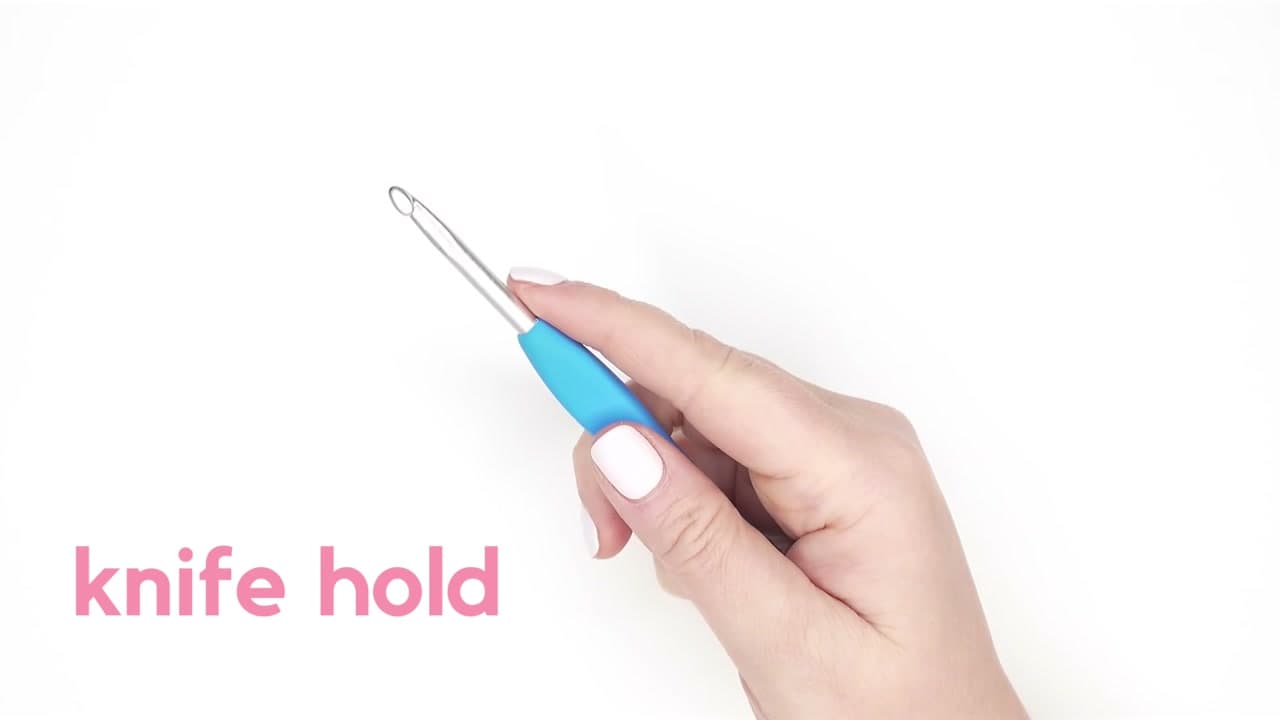
Two main hook holds: KNIFE hold (grip like a kitchen knife with the hook hand) or PENCIL hold (grip like a pen). Beginners usually find knife hold easier on the wrist over long sessions.

Whichever you pick, hold the hook lightly. Death-gripping causes hand cramps fast and forces tight inflexible stitches. The hook is heavy enough to do most of the work itself - your job is just steering.

3

Step 3: Set Up Your Yarn-Hand Tension

2:30
Step 3: Step 3: Set Up Your Yarn-Hand Tension

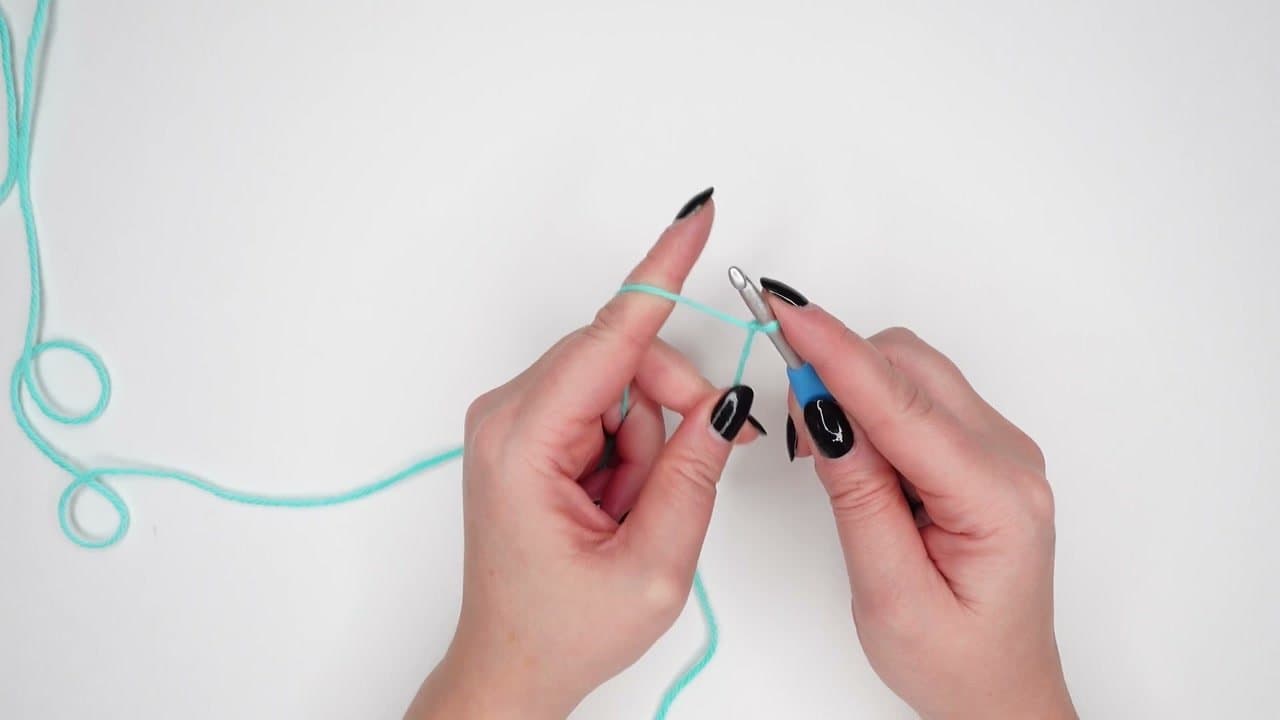
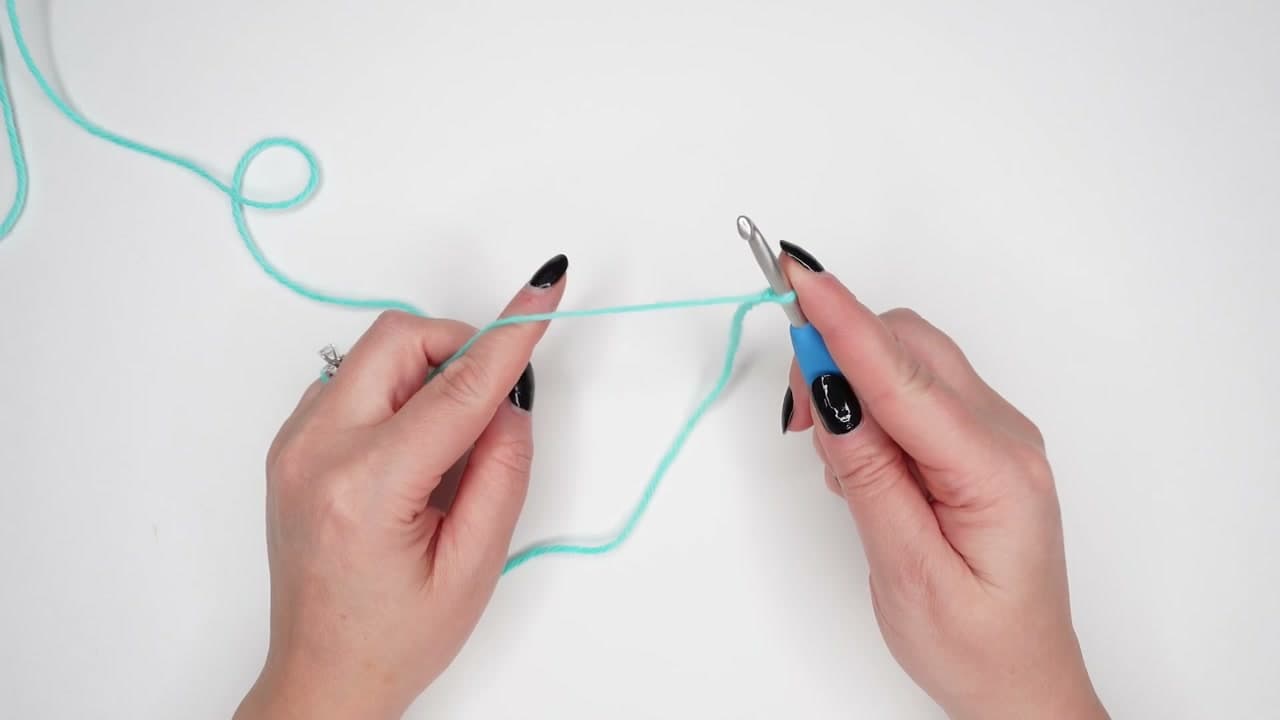
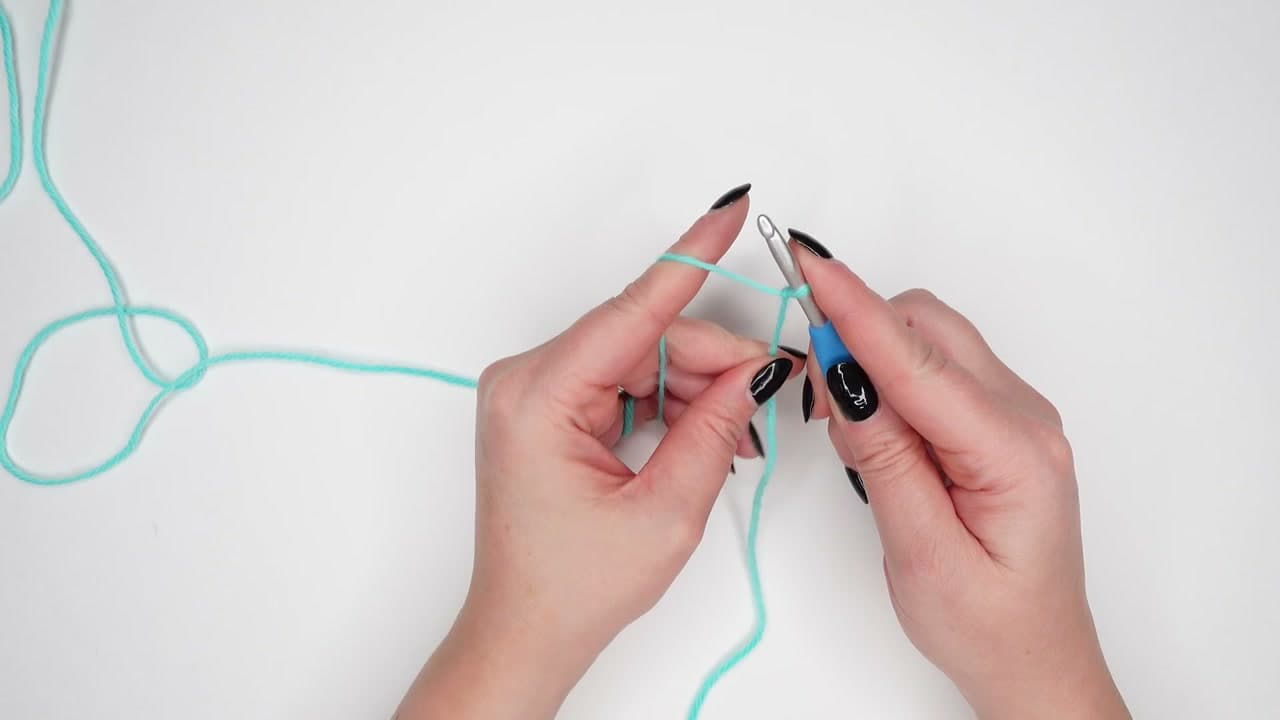
Trap the working yarn between your pinky and ring finger of your non-hook hand. Flip the hand so the back faces up. Run your pointer finger UNDER the yarn that feeds toward the hook.

The pointer finger feeds yarn forward; the pinky controls tension. This grip looks awkward at first but it's how every crocheter holds yarn. Practice getting in and out of position 10 times so it's automatic.

Products used in this step

4

Step 4: Anchor the Slipknot

3:05
Step 4: Step 4: Anchor the Slipknot

Press the pointer finger of your yarn hand against the slipknot to keep it from spinning on the hook. Give the yarn a couple gentle tugs to feel where the tension lives in your hand.

The hold should feel comfortably firm - not loose enough that the yarn flops around, not so tight your fingertips turn white. This is the position you'll work from for every stitch.

5

Step 5: Yarn Over the Hook

3:55
Step 5: Step 5: Yarn Over the Hook

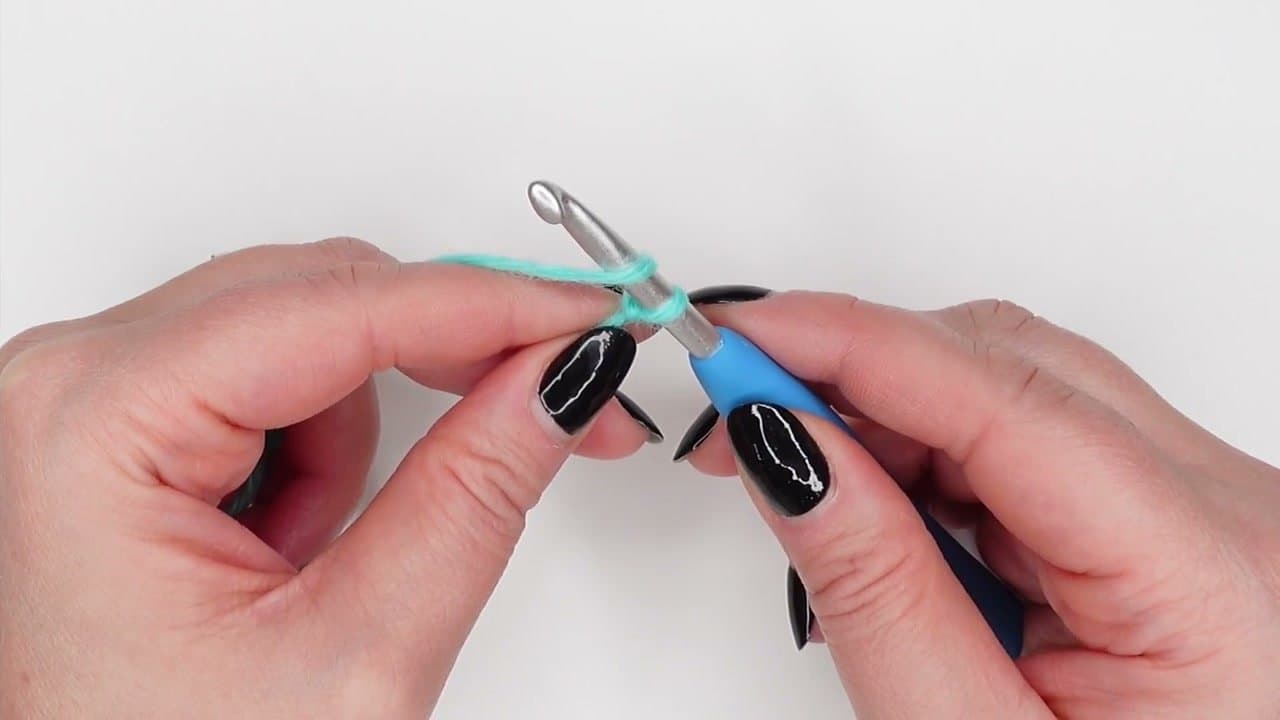
Yarn over (abbreviated YO in patterns) - wrap the working yarn around the hook from BACK to FRONT. The yarn passes over the top of the hook and comes back to the front, leaving a fresh loop sitting above the slipknot.

Your hook should now have two yarn loops on it: the slipknot below and the new yarn-over loop above.

6

Step 6: Pull Through to Make a Chain

4:10
Step 6: Step 6: Pull Through to Make a Chain

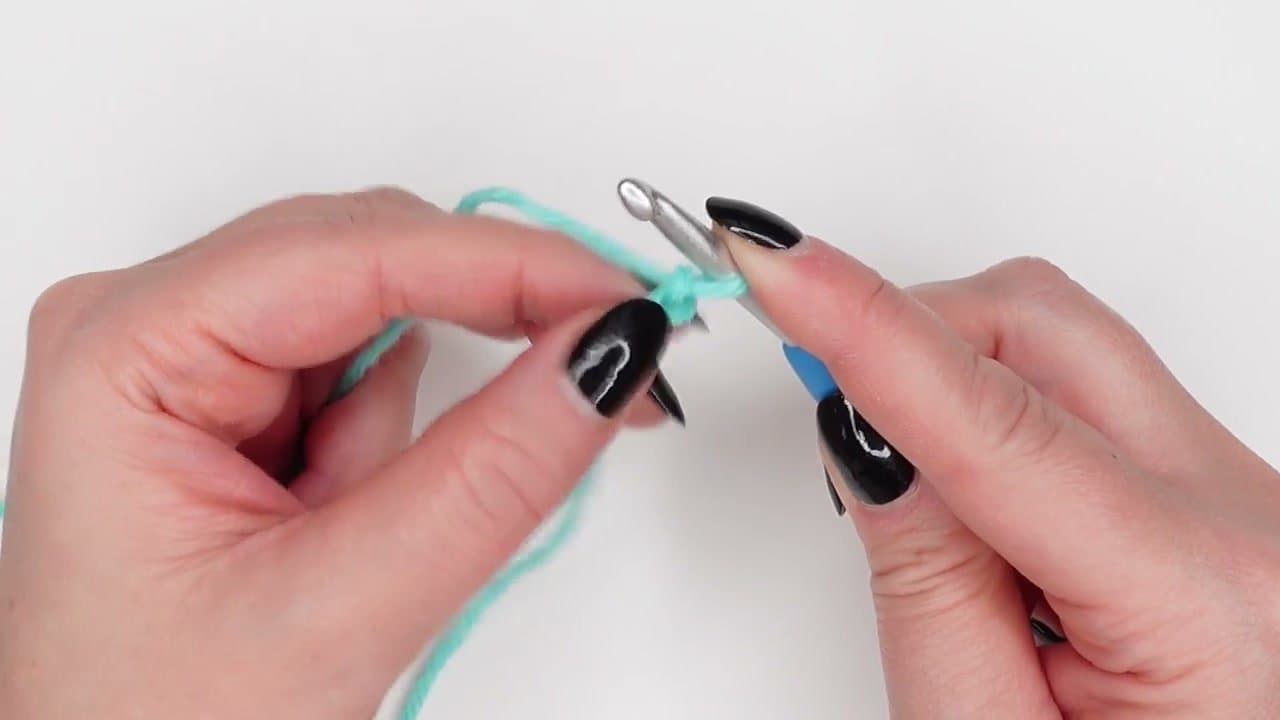
Tilt the hook slightly downward to catch the yarn-over loop, then pull it THROUGH the existing slipknot loop. The slipknot drops off; the new loop becomes the active loop on the hook.

That's one chain stitch (abbreviated 'ch' in patterns). The chain is the small bump now sitting between the hook and the rest of the yarn.

7

Step 7: Repeat to Build the Chain

4:55
Step 7: Step 7: Repeat to Build the Chain

Yarn over, pull through. Yarn over, pull through. Each repetition adds one more chain. Aim for chains all the same size - roughly the same diameter as the neck of your hook.

Set a 10-minute timer and just chain. Don't worry about a project. The first chain is never beautiful; the 50th will be way better. Foundation skill development happens through reps, not through perfection.

Tip

If your chains come out tight and hard to insert a hook into next time, you're holding the working yarn too tight. If they come out loose and floppy, your tension is too loose. The right tension feels like you're guiding the yarn, not yanking it.

Products used in this step

Products Used

☐ The Checklist

How to Crochet a Foundation Chain: 7 Step Beginner Tutorial

Tools
2
Materials
1
Steps
7
Video
7 min

Your Guide

Just Be Crafty

As an Amazon Associate we earn from qualifying purchases. Links on this page may be affiliate links - clicking them and buying doesn't change your price, but helps support ShowMeStepByStep.

Tags

Related Tutorials