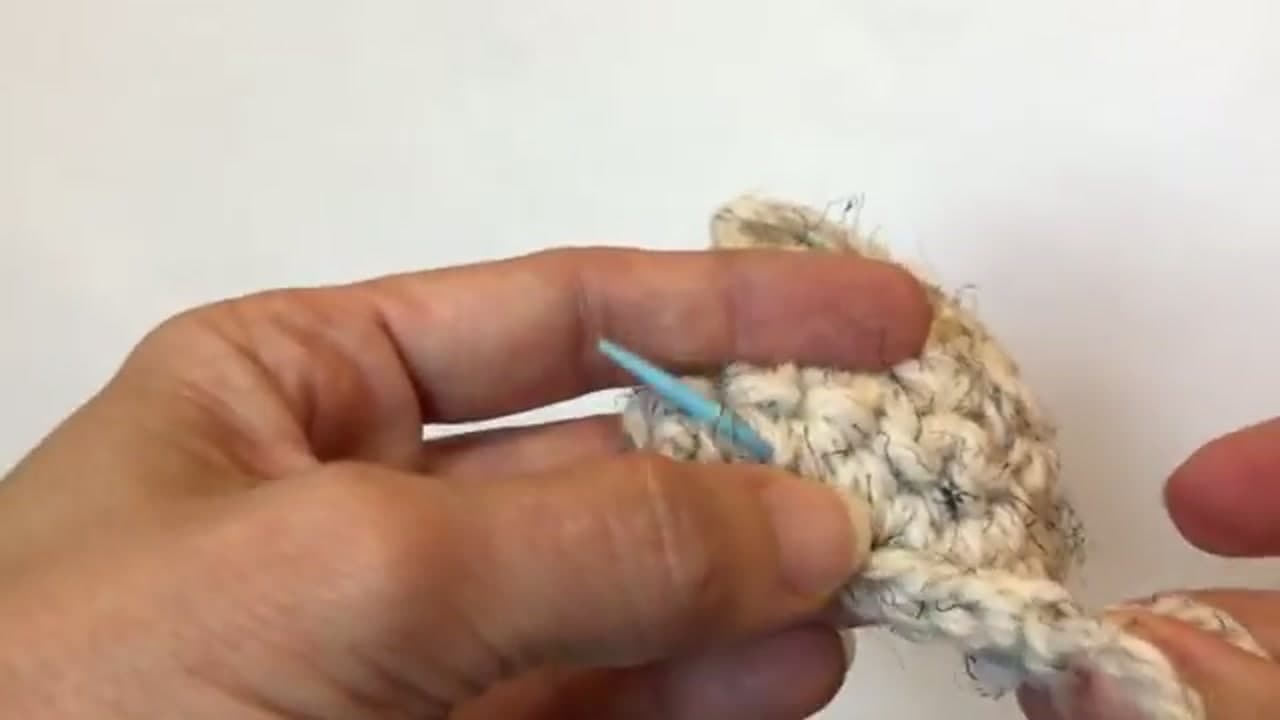
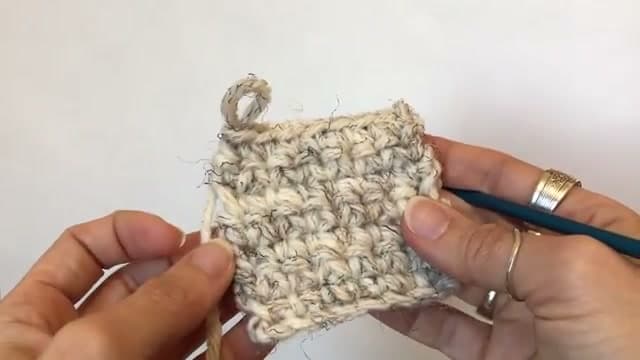
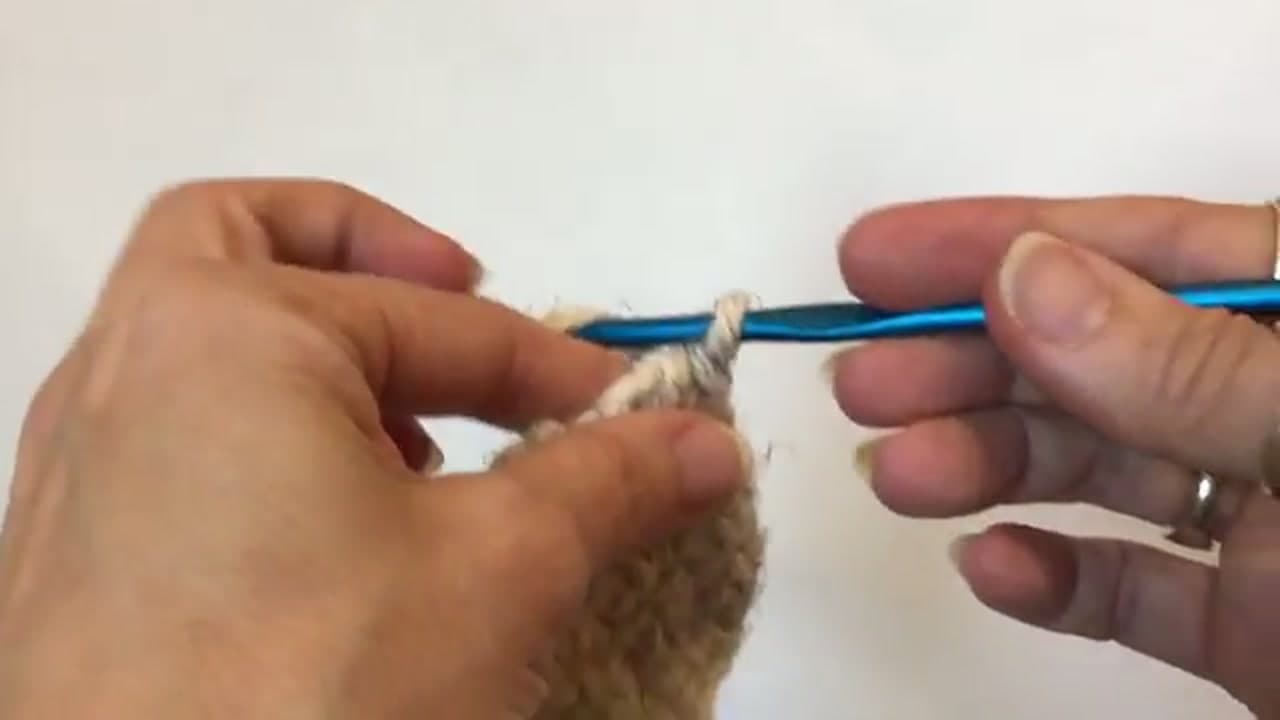
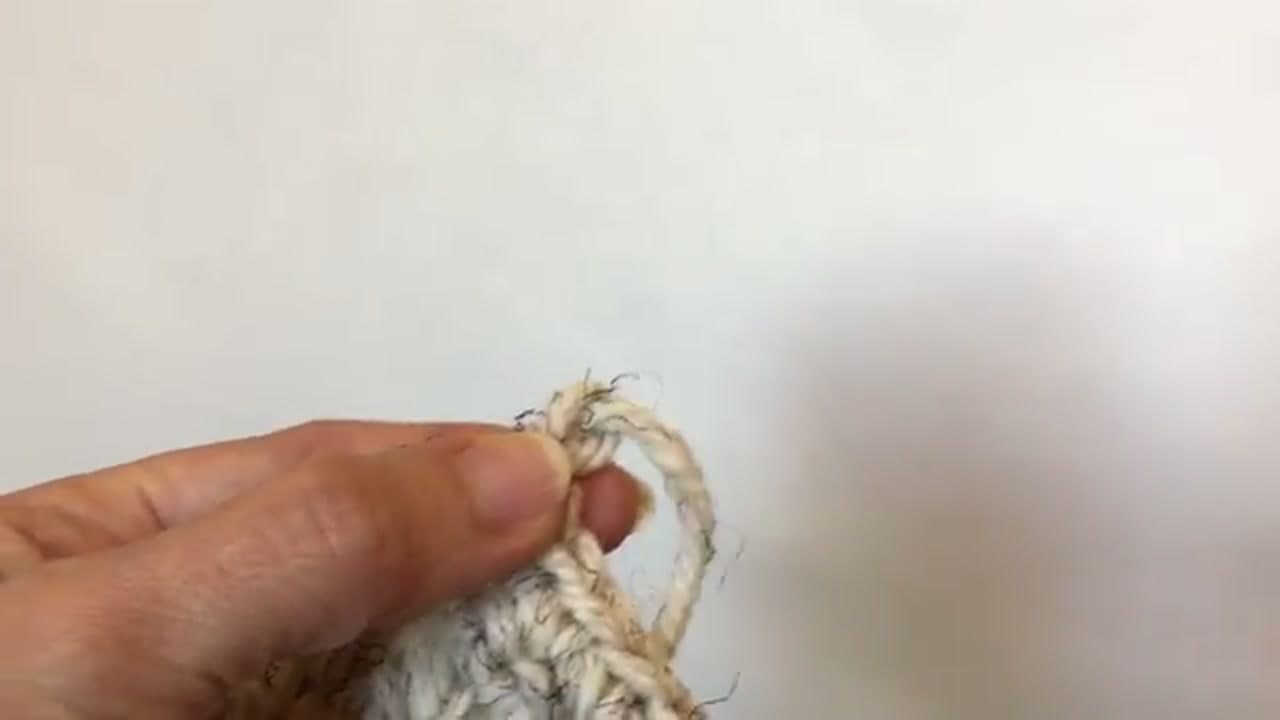
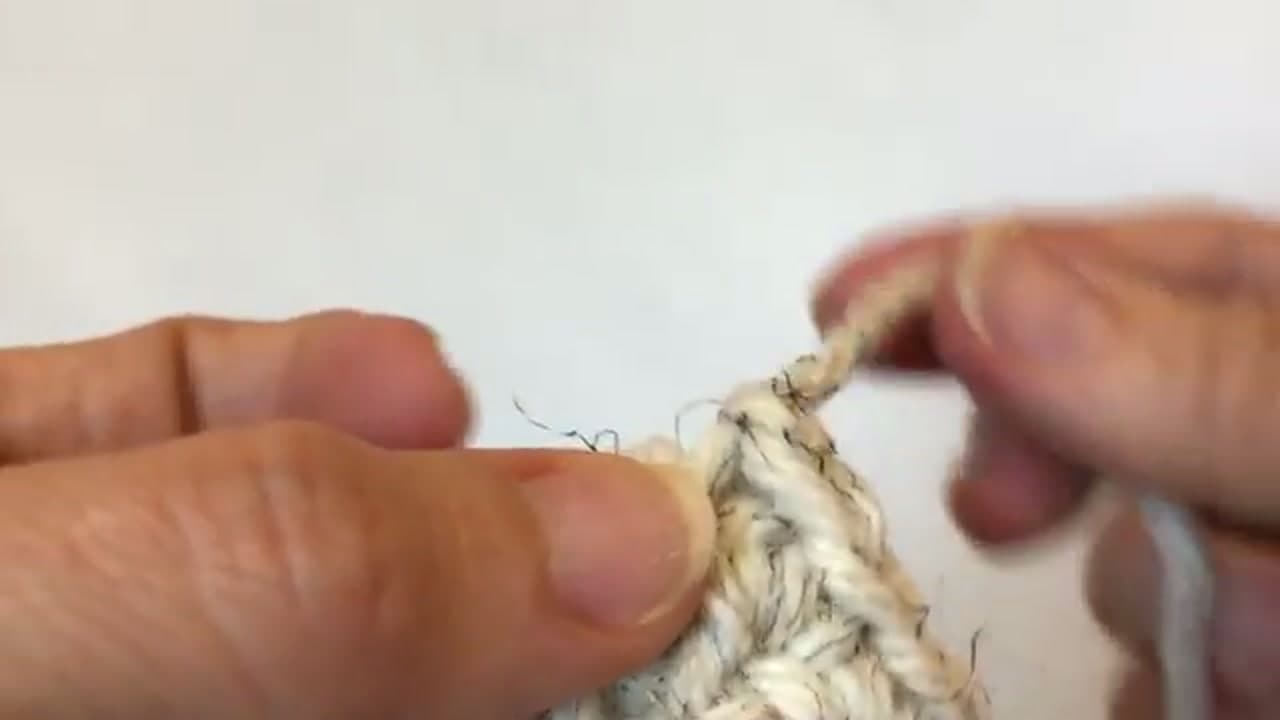
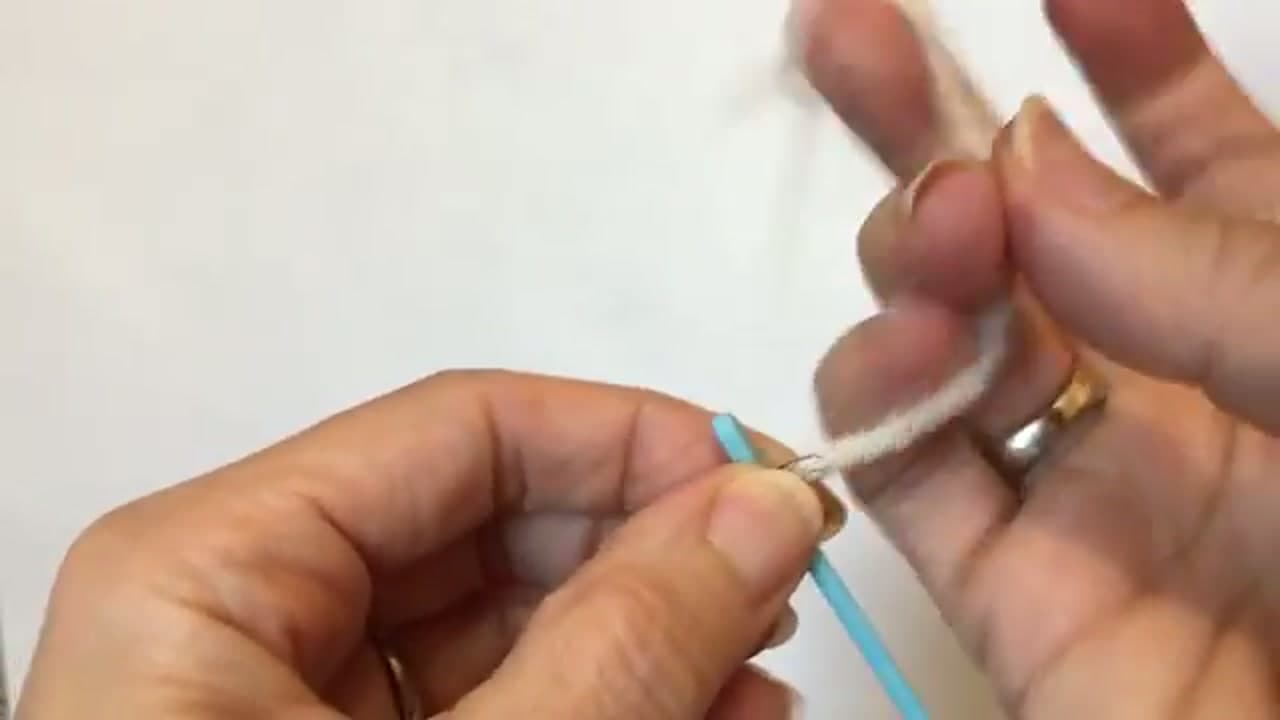
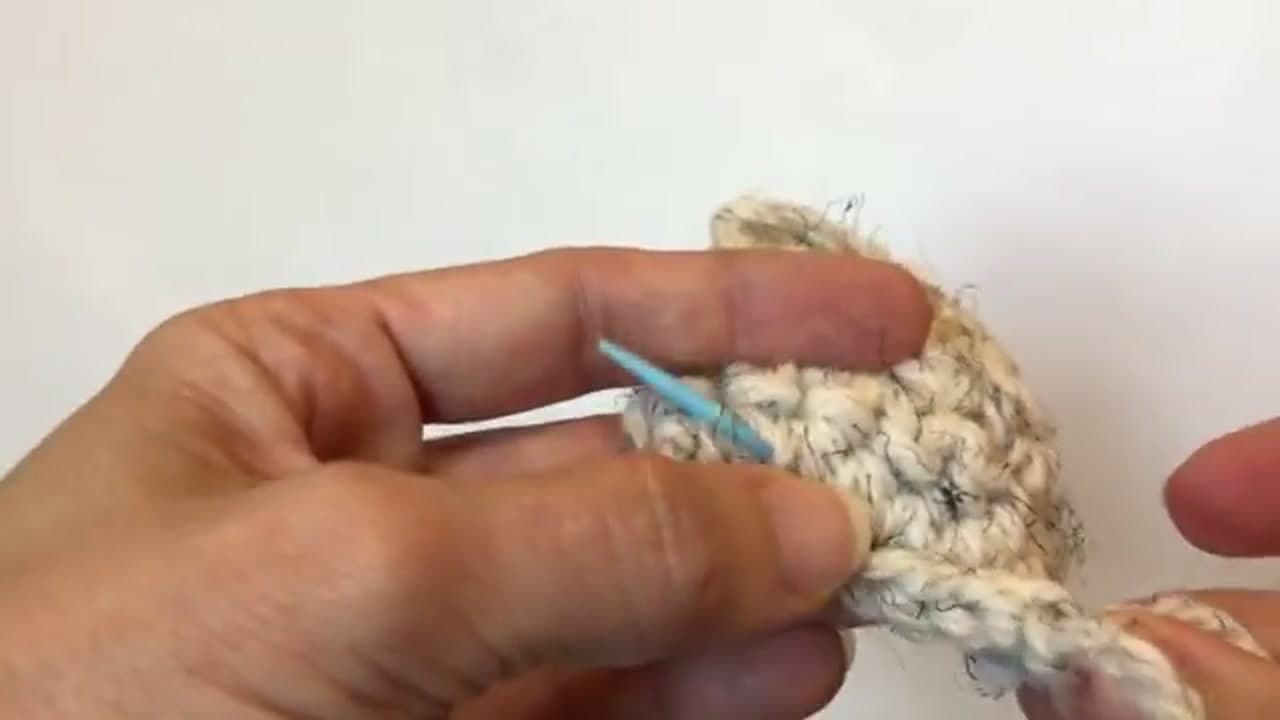
Fastening off feels nerve-wracking the first time you try it. You finished a whole project and now you have to cut the yarn and trust that a couple of small moves will hold the whole thing together. Spoiler: they do, and you can learn the move in under five minutes.
Rachel from TLC Inspiration walks through the basic fasten off and then weaves in the tail on a single crochet swatch. We follow her exact sequence, with a quick note at the end on the invisible fasten off if you are working on amigurumi or finishing a piece worked in the round.
This pairs with how to single crochet and how to weave in ends as the three finishing skills every new crocheter should lock in early.
Standard fasten off vs invisible join
The standard fasten off in the steps below works on anything. Cut, pull the tail through the last loop, tug. On a flat piece like a scarf or dishcloth it sits at the corner of the last row and nobody sees it.
Rounds are different. Close a round with a slip stitch and fasten off, and you get a small bump where the round started. On a hat brim or the rim of a basket, that bump is the first thing your eye lands on. The invisible join fixes it: leave out the closing slip stitch, fasten off, thread the tail, skip the first stitch, go under both loops of the next one, then back down through the center of your last stitch. You have sewn a fake V that fills the gap. Snug it to the size of its neighbours, not tighter.
How long a tail to leave
- 4 to 6 inches - for weaving in. Enough to thread a needle and make two passes.
- 10 to 12 inches - for sewing amigurumi parts on. Arms, ears and legs get a long tail so you can stitch them to the body with the same yarn.
- Longer still - if you plan to seam two panels together later. Leave about three times the length of the seam.
When in doubt, go long. A long tail costs you a few inches of yarn. A short one can cost you the stitch.
Weaving in so it stays put
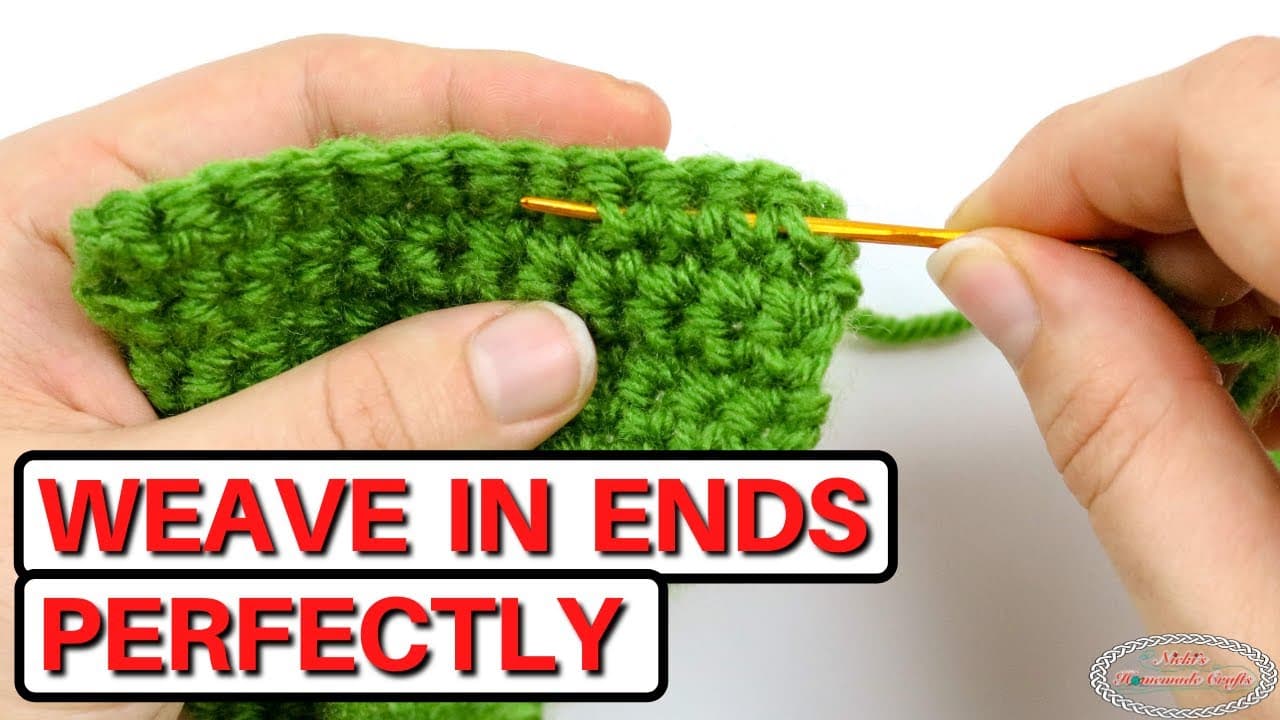
A tail that runs in one straight line through the fabric will work its way out after a few washes. Two habits stop that. Change direction at least once, so the path forms an L or a zigzag. And on the last pass, split the plies of the yarn you are weaving through instead of sliding cleanly between stitches. The split gives the tail something to grip.
Weave through stitches of the same colour where you can, on the wrong side. Stretch the fabric before you trim so the tail relaxes into place rather than pulling the stitches tight.
Fastening off in the round vs flat
Flat work ends at an edge, so the tail goes back along that edge or down into the rows. In the round there is no edge. For an amigurumi piece that is already stuffed, push the needle in at the fasten-off point and out on the far side of the piece, tug gently, and trim flush. The tail disappears into the stuffing. For a hat or bag, use the invisible join and weave the tail along the inside of the last round.
Common fasten-off mistakes
- Ends working loose. The tail went through in one direction only. Pick it out and re-weave with a turn.
- A visible knot. You do not need a knot on top of a fasten off. The pull-through already locks it, and a knot shows through lace and light colours.
- Tail too short to thread. Fold a scrap of thread into a loop, feed the loop through the needle eye, catch the tail in it and pull.
- Puckered last row. You tugged the tail too hard. Ease the fabric back out before weaving.
Fastening off is the last move in the beginner set. For the others, see how to decrease, how to change colors and how to join granny squares.