A sewing machine does one job. It pushes a top thread through the fabric, catches it with a second thread from the bobbin, and pulls the loop tight. Every dial and lever exists to control that loop. Once that clicks, a Singer, a Brother and a Janome stop looking like different machines.
This walkthrough follows Sew Bake Make through a first session on a domestic machine: the parts, needle and thread, the bobbin, threading, a straight seam, a zigzag, and tension. The steps below show each move. This section covers what they cannot - why the machine works the way it does, what goes wrong on day one, and what to sew once it runs.
The five parts you need to know
You can operate a sewing machine knowing five parts. The presser foot holds the fabric flat against the needle plate. The feed dogs are the ridged teeth under the foot that walk the fabric through, so you never push or pull. The hand wheel moves the needle by hand; turn it toward you, never away. The tension dial squeezes the top thread between two discs so it pulls evenly against the bobbin thread. The stitch selector picks the stitch and its length and width.
Threading the top and loading the bobbin
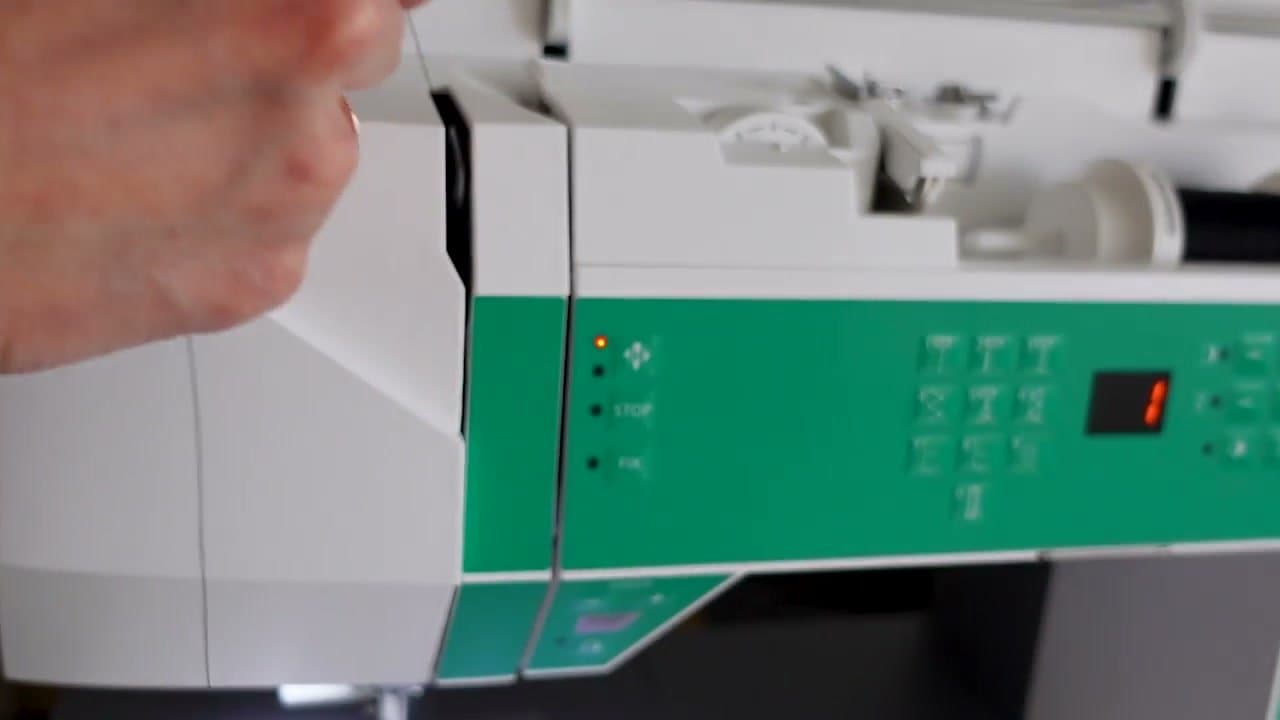
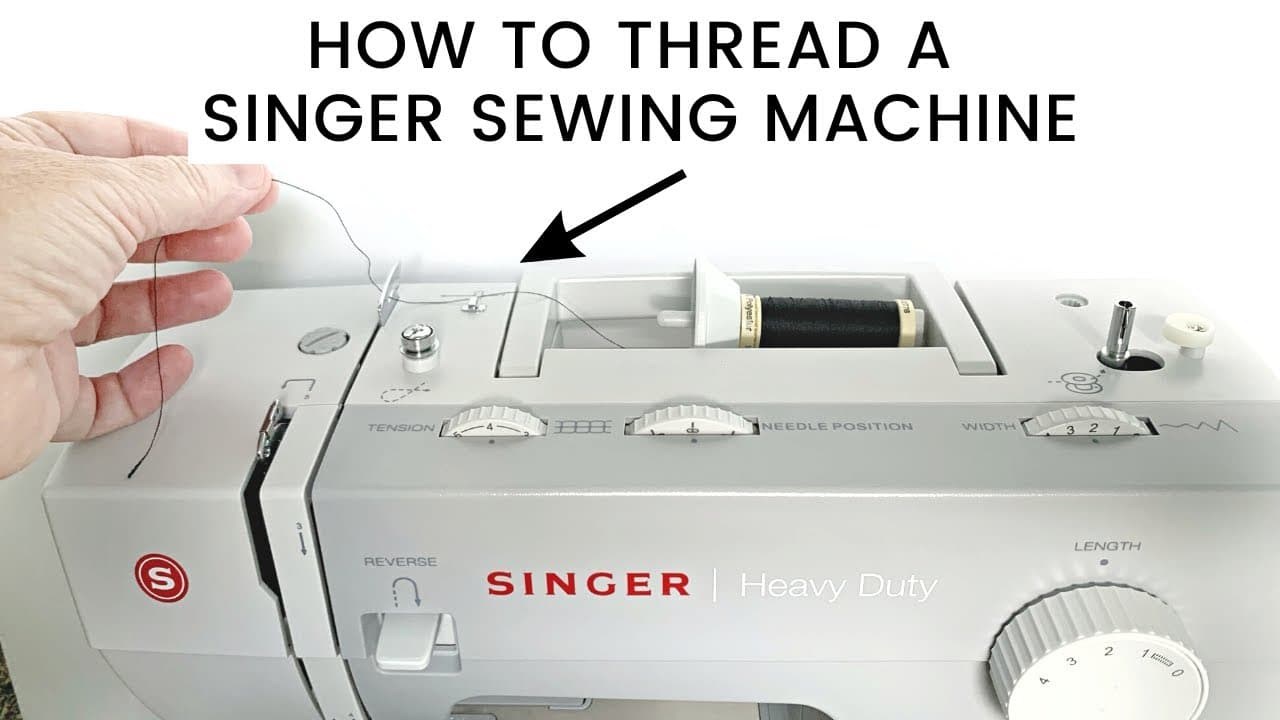
Threading goes wrong at the presser foot more than anywhere else. It has to be up while you thread. Foot up opens the tension discs so the thread slips between them. Foot down closes them, the thread sits on top, and you get loose loopy stitches with no tension at all.
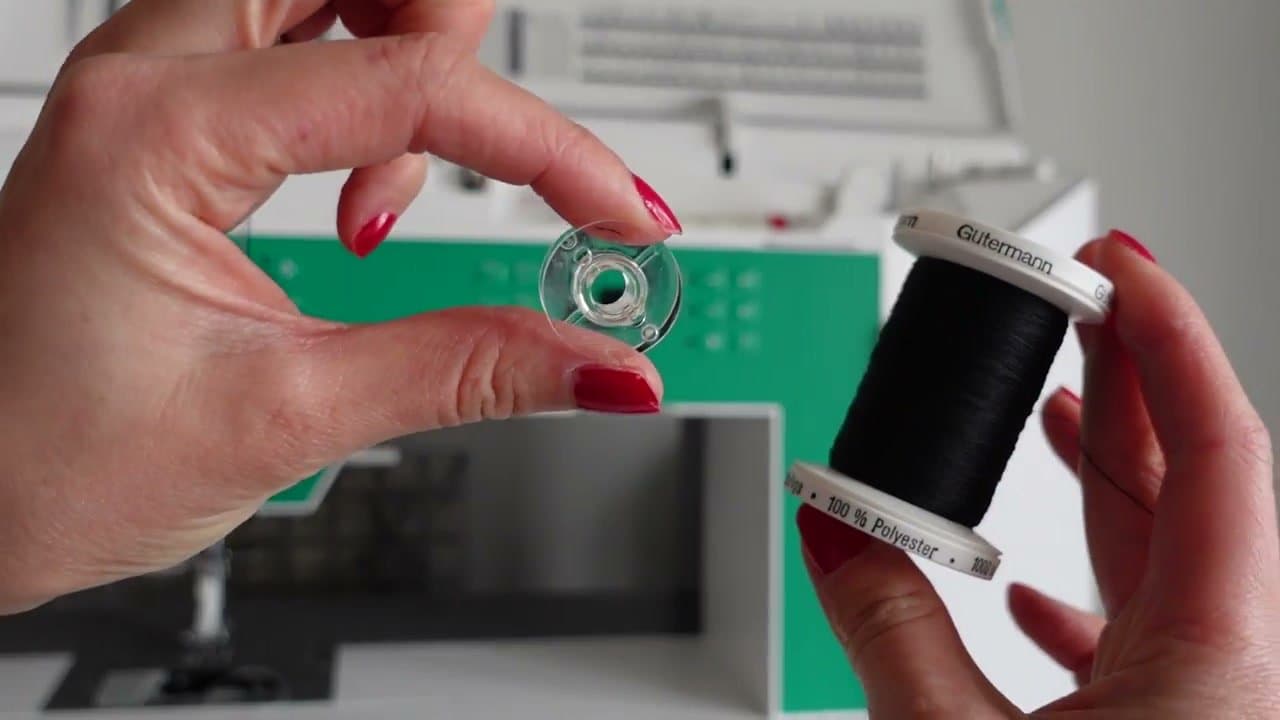
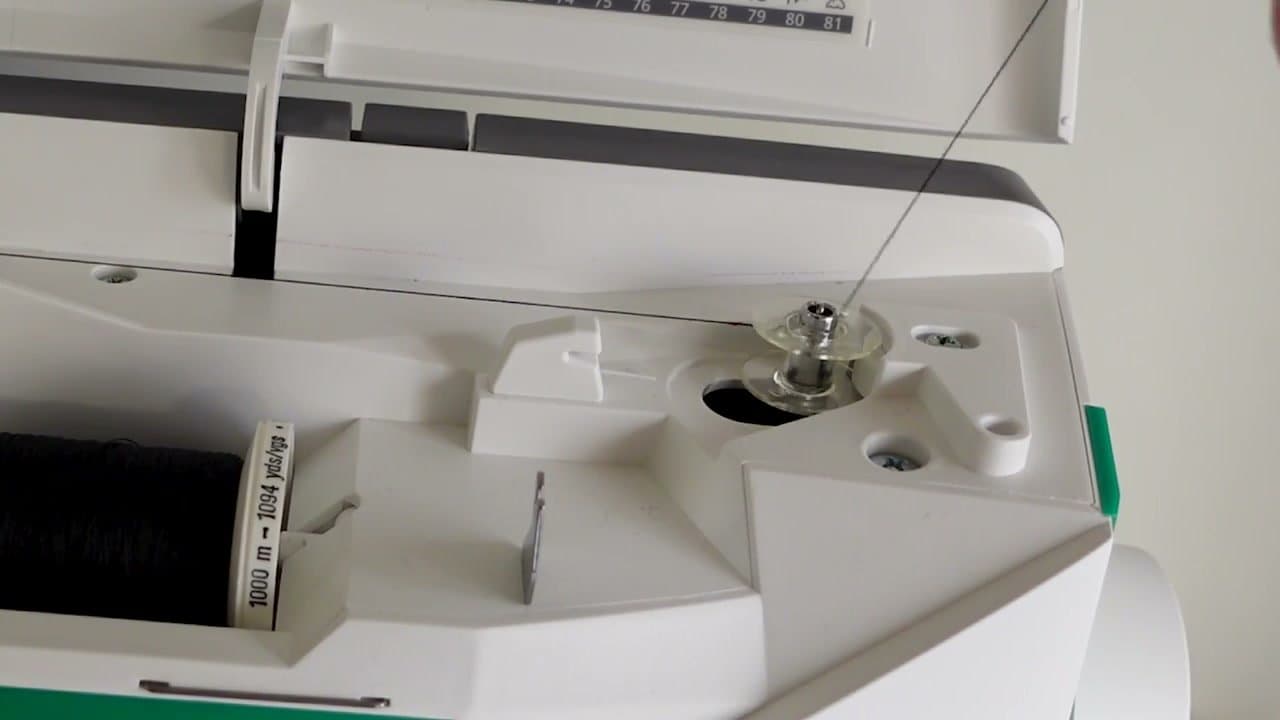
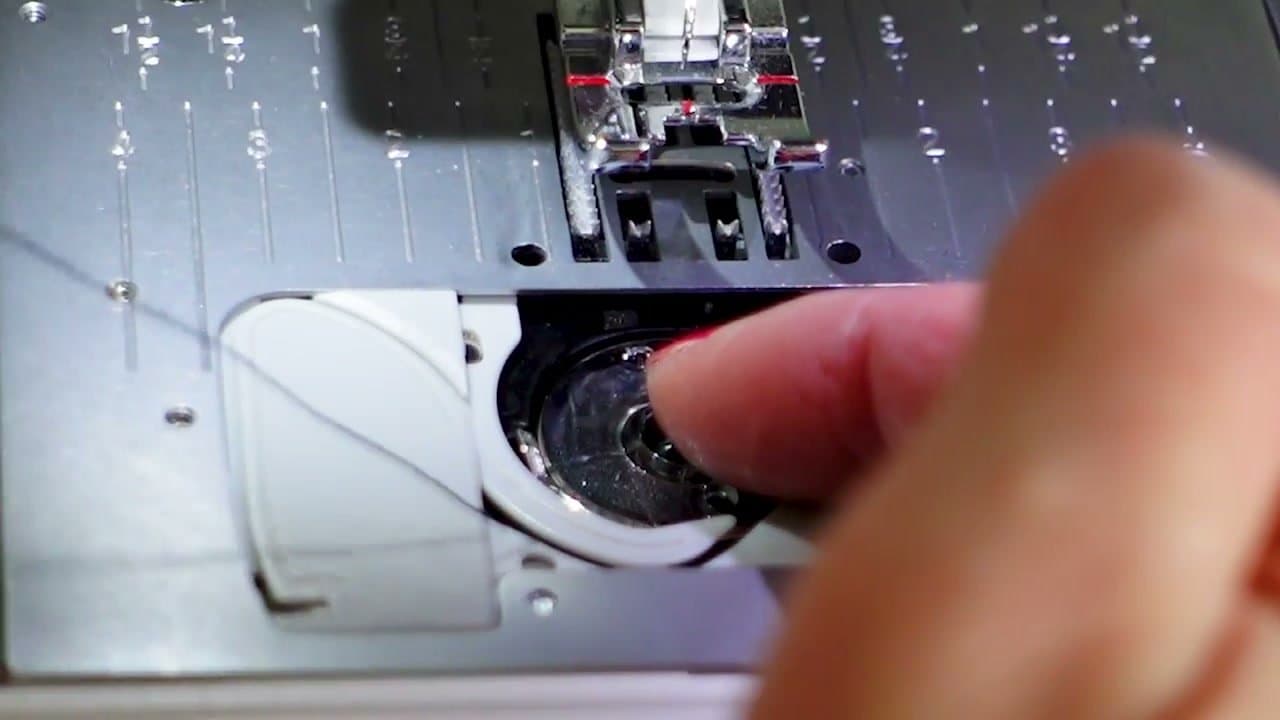
The bobbin has its own rules. Wind it slow and even. A bobbin wound at full pedal speed piles up at a slant and shows up later as tension that changes mid-seam. Drop it in so the thread comes off counterclockwise, like a letter P from above. Clockwise skips. For the full thread path at close range, see how to wind a bobbin and how to thread a sewing machine.
Tension and stitch length
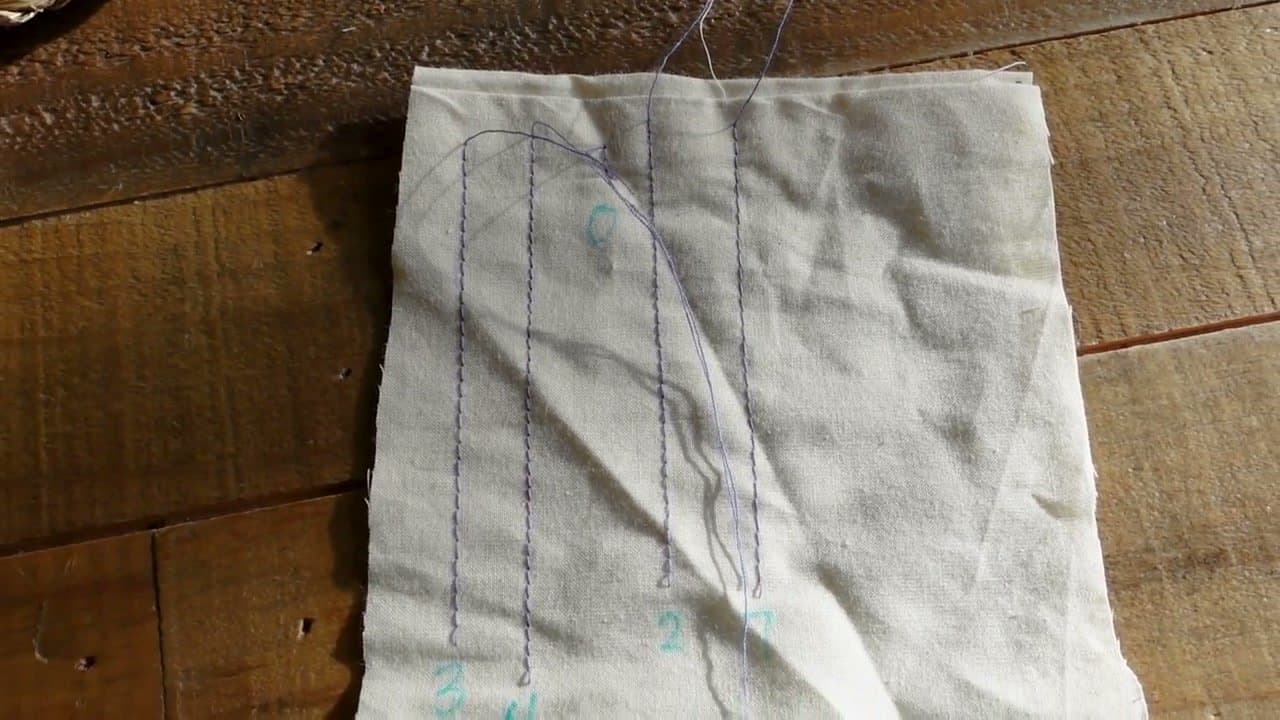
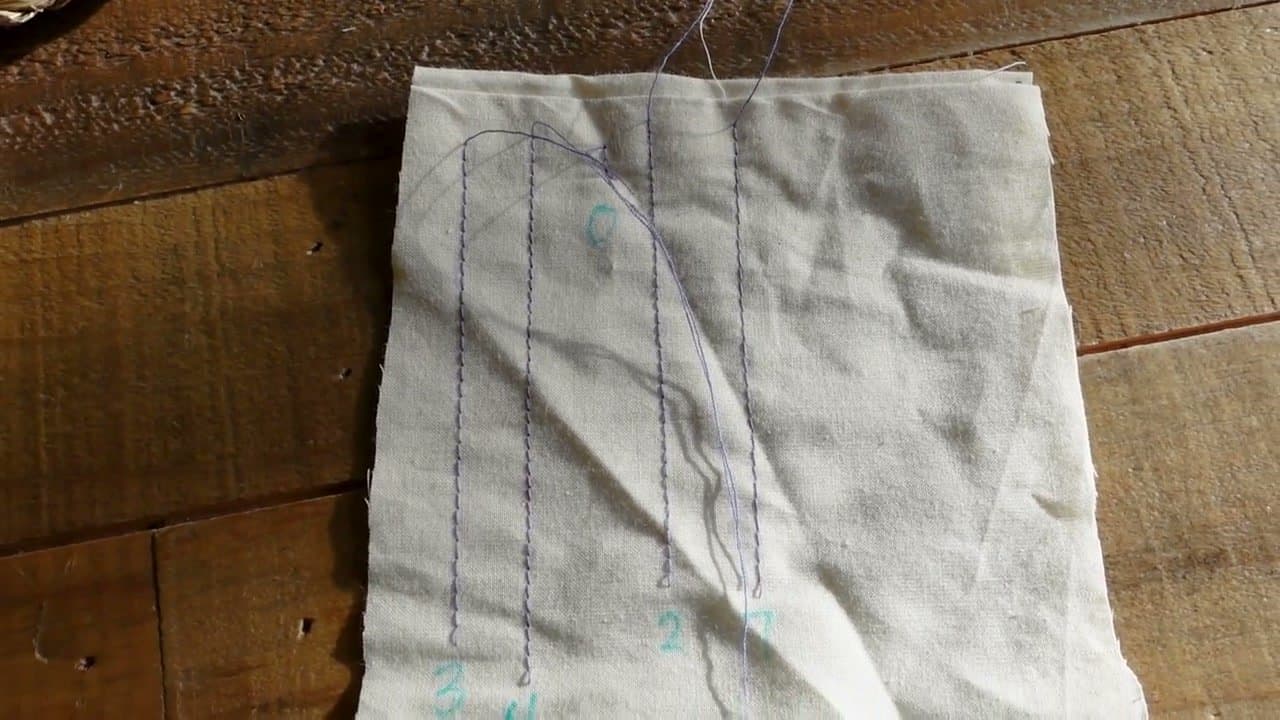
Leave the tension at its default, usually 4, until a test seam says otherwise. Sew a short line on a folded scrap and look at both sides. Balanced tension shows the same even line of stitches top and bottom. Loops on the underside mean the top thread is too loose, so raise the number. Bobbin thread showing on top means it is too tight, so lower it. One number at a time.
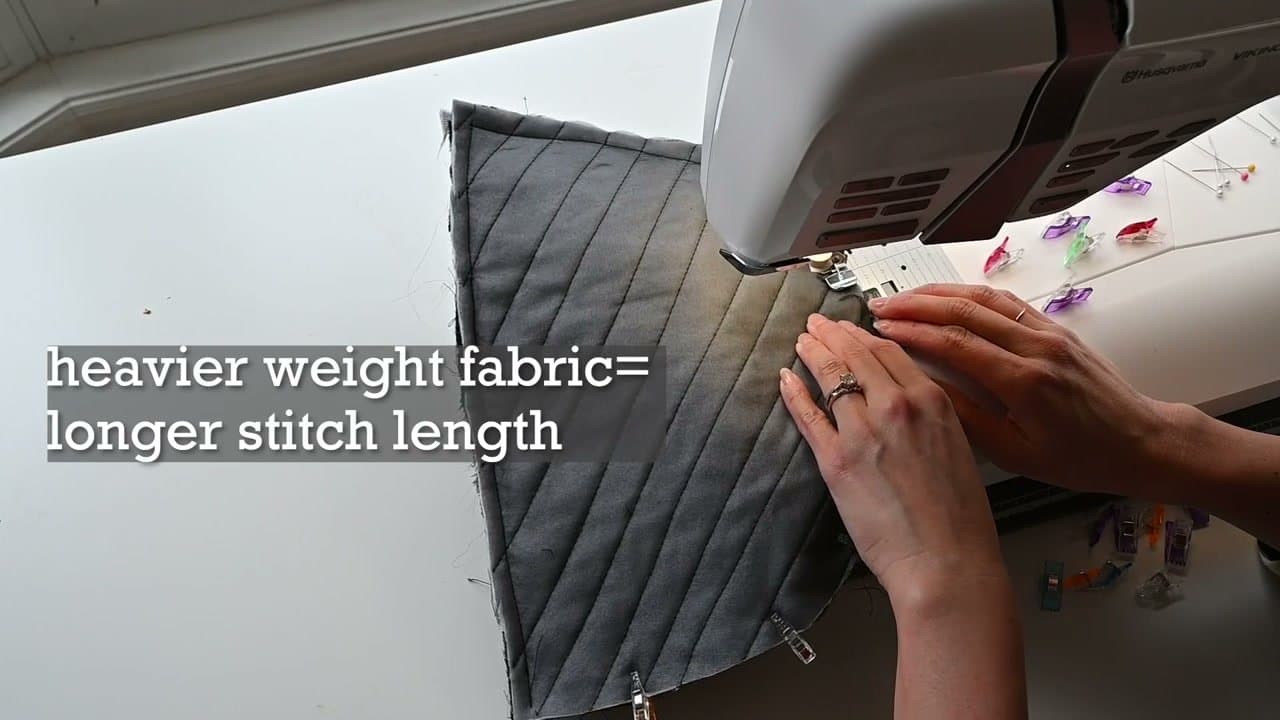
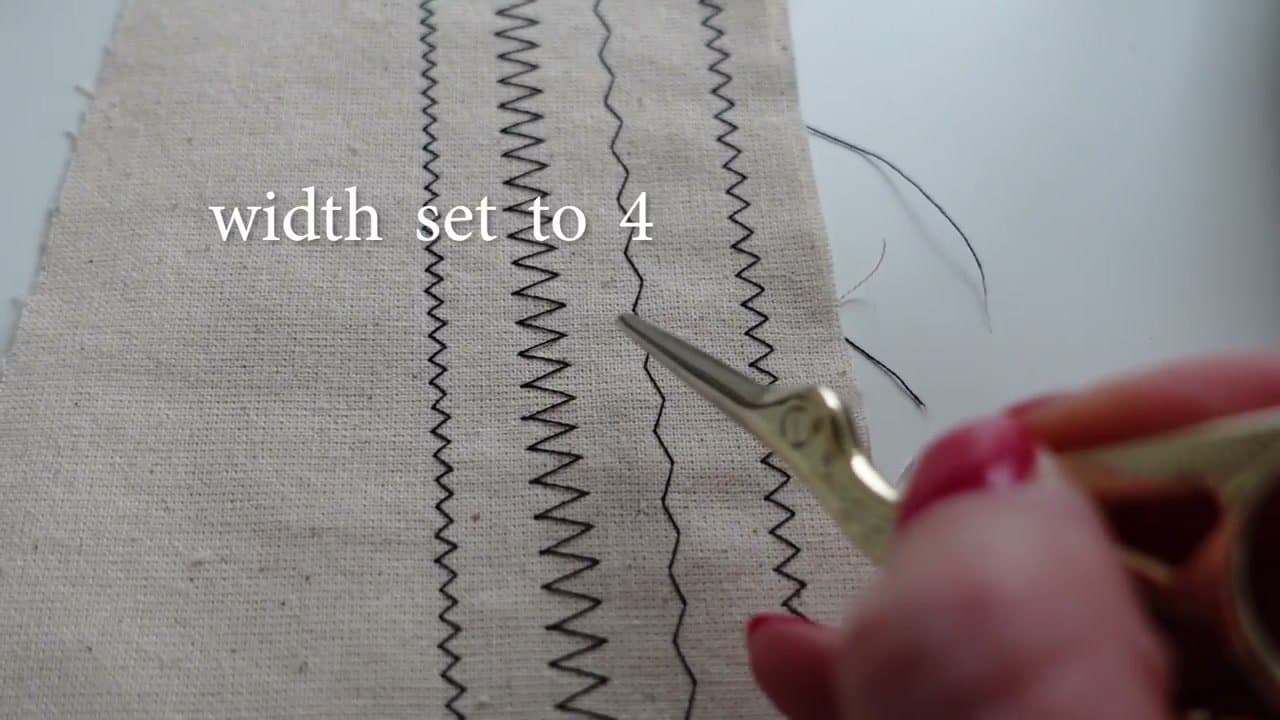
Stitch length is the setting beginners never touch. A 2.5 mm stitch is the everyday seam. Go longer, 3.5 to 4, for basting and thick layers like denim. Go shorter, 1.5 to 2, for fine cotton and curves. Width only matters on zigzag and decorative stitches.
The two jams every beginner hits
The thread nest. You sew a few stitches, the machine grinds, and there is a tangle under the fabric. Everyone blames the bobbin. It is nearly always the top thread: the presser foot was down during threading, or the thread skipped the take-up lever, the hook that rises and falls above the needle. Rethread the top with the foot up and the nest goes away.
The needle unthreading. You press the pedal and the thread pulls straight out of the eye. Either the tails were too short or the hand wheel got turned the wrong way. Leave four inches of thread behind the needle, hold both tails for the first two stitches, and turn the wheel toward you only.
What to sew first
Do not start with a garment. Sew lines. Cut scrap cotton into strips and practice straight seams, then a turn, then a curve. Quilting cotton and old bedsheets are the easiest fabrics to learn on: they feed flat and do not stretch. A pile of fabric scraps is practice material, not waste.
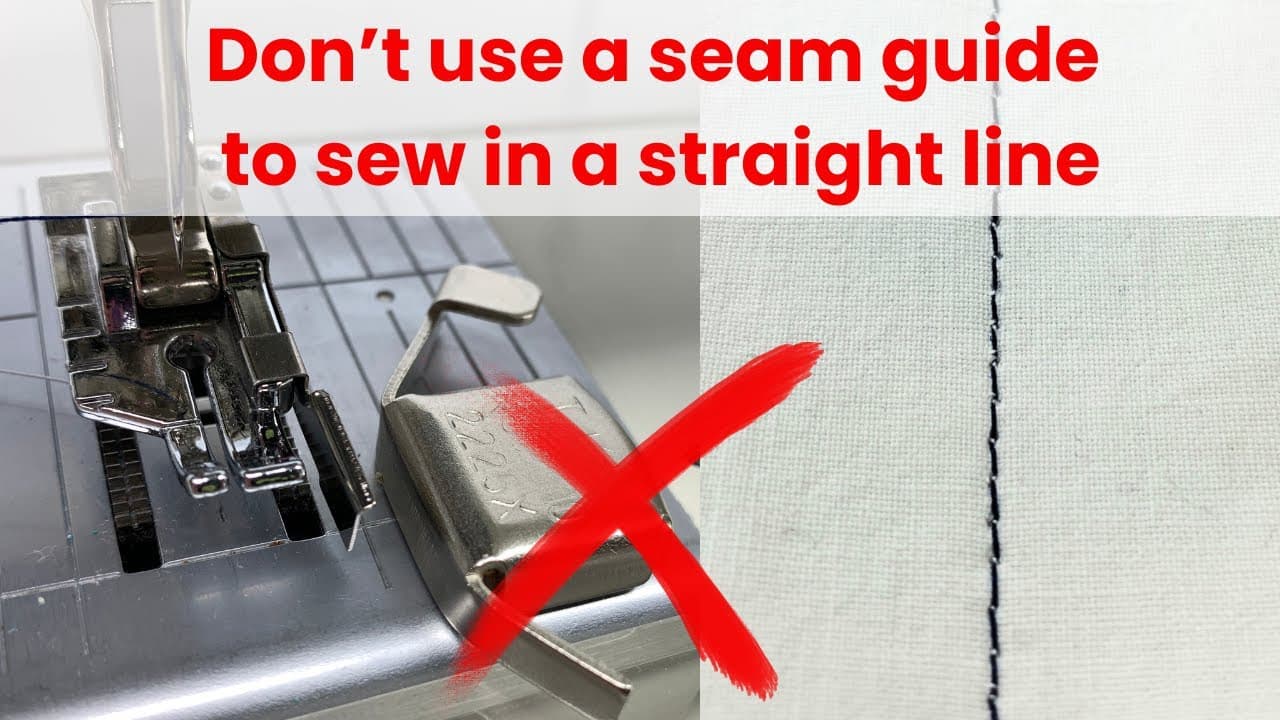
When the seam stops wandering, sewing a straight line covers the guides that keep it steady on a real project. Then pick something with straight seams and no closures: a pillowcase, a tote, a drawstring bag. Sewing on a patch is a good second job: it teaches turning a corner with the needle down.