How to Sew a Zipper: 7 Steps (Two Methods)

The finished result: How to Sew a Zipper: 7 Steps (Two Methods)
  • Difficulty: Easy
  • About 30 minutes
  • 7 steps

You tapped Save

Save this project for later

We'll email you a link, no password.

How to Sew a Zipper: 7 Steps (Two Methods)

  • Your saved projects in one list
  • Your ticked steps on any device

Check your inbox for an email from us. Not there? Look in your spam folder.

Print

Steps written out by Crafting Step by Step from MADE Everyday's video (opens YouTube) (11:00). Published .

Zippers stop a lot of beginner sewers in their tracks. They look complicated, the foot is different, and most videos show one method on one specific project. The good news: there are two ways to install a basic zipper, and once you've done each one, you can put a zipper in almost anything.

This walkthrough from MADE Everyday's Dana Willard covers both methods on plain fabric panels, so you can practice before committing to a real project. Method 1 is the exposed zipper used in pouches and bags. Method 2 is the concealed zipper used in the back of a skirt or dress.

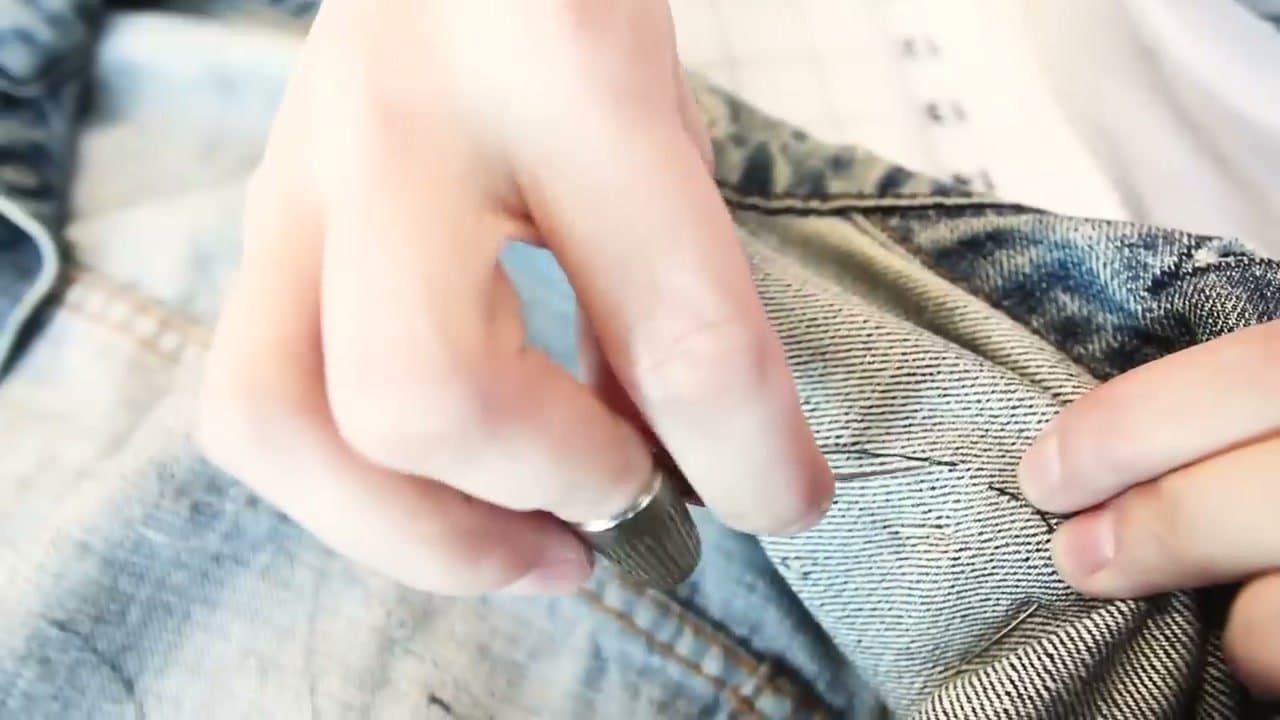
A zipper is a seam with hardware in it. If the needle work itself is the unfamiliar part, how to sew by hand covers threading, the tailor's knot, the backstitch and how to tie off so it holds.

Which zipper to buy

TypeGood forFoot
Coil (nylon)Pouches, pillows, skirts. Flexible, irons at low heat, cuts with scissors.Zipper foot
MetalJeans, jackets, heavy bags. Strong, but keep the iron and the needle off the teeth.Zipper foot
InvisibleDresses and fitted skirts where you want no stitching on show.Invisible zipper foot

Shortening a zipper that is too long

Coil zippers are easy. Mark the length you need, then zigzag back and forth across the teeth at that mark with the stitch width wide and the length near zero. That bar tack is your new stop. Cut half an inch below it. A few hand whipstitches over the teeth do the same job.

Metal teeth will break a needle, so buy the right length or pull the extra teeth off the top with pliers and add new stops. For a first project, coil saves you the trouble.

Keeping the stitching straight

Wavy zipper lines almost always come from the tape creeping while you sew. Hold it still before the needle ever touches it. Wonder clips work well on pouches. On a garment, hand baste the tape down with long running stitches, or run a thin line of washable glue stick along the tape and finger press it in place. Line the edge of the zipper foot up against the teeth and watch that edge, not the needle.

Sewing past the zipper pull

The pull is too bulky to sew beside, so you move it. Stop a couple of inches before you reach it with the needle down in the fabric. Lift the presser foot, reach behind and slide the pull back past the needle, then lower the foot and carry on. If you can't move it, start with the zipper half open so the pull sits out of the way from the first stitch.

Common zipper mistakes

  • Wavy stitching. The tape shifted. Baste or clip more often and slow down near the pull.
  • Fabric caught in the teeth. The seam allowance sat too close to the coil. Press it back firmly before you stitch, and keep pressing after the zipper is in.
  • The pull jams. You stitched so close that the slider rubs the fabric. Leave about an eighth of an inch between the stitch line and the teeth.
  • A crooked pouch. The two sides used different seam allowances. Keep the foot in the same position for both passes.

Where to use it next

The exposed method is the whole of a zipper pouch, so that is the natural follow-up. If you want something with no hardware at all while the zipper foot is still new, a cuffed pillowcase or a fabric scrunchie builds the same straight-seam control.

Free printable

Print the steps and supply list for this project

One page you can take to the table. Free with a free account, no password.

Get the free printable

What you'll need

Free, for this project

Get this checklist by email

  • All 9 tools and materials, with tick boxes
  • A link to print all 7 steps on paper, to keep by you while you craft

No password. The whole tutorial stays free on this page.

Quick answer

Sew a zipper into pouches or garments in 7 clear steps. An easy project: about 30 minutes. Materials cost about $4 to $8. You need 9 things, including Zipper, All-purpose polyester thread and Fabric. The 7 steps: pick the Right Zipper, attach the Zipper Foot, method 1 - Exposed Zipper for a Pouch, sew the Other Side, method 2 - Concealed Zipper in a Garment Seam, sew a Rectangle Around the Zipper and open the Seam to Reveal the Zipper.

Step-by-step guide

7 steps, about 11 minutes. Tap a picture to jump to that step. Your progress saves automatically.

Tick each step off as you go.

  1. Step 1: Pick the Right Zipper

    Watch this step · 0:50

    Color matches if you want the zipper to disappear into the fabric. Contrast colors if you want it to be a feature. Metal teeth are sturdier and look better but you can't iron over them. Plastic teeth are softer and you can shorten them with scissors if the zipper is longer than your opening.

    For a beginner project, get a zipper at least as long as the opening you're closing. Buy a few extras in different lengths so you don't end up making a special trip when you start your real project.

    Back to all steps

  2. Step 2: Attach the Zipper Foot

    Watch this step · 2:55

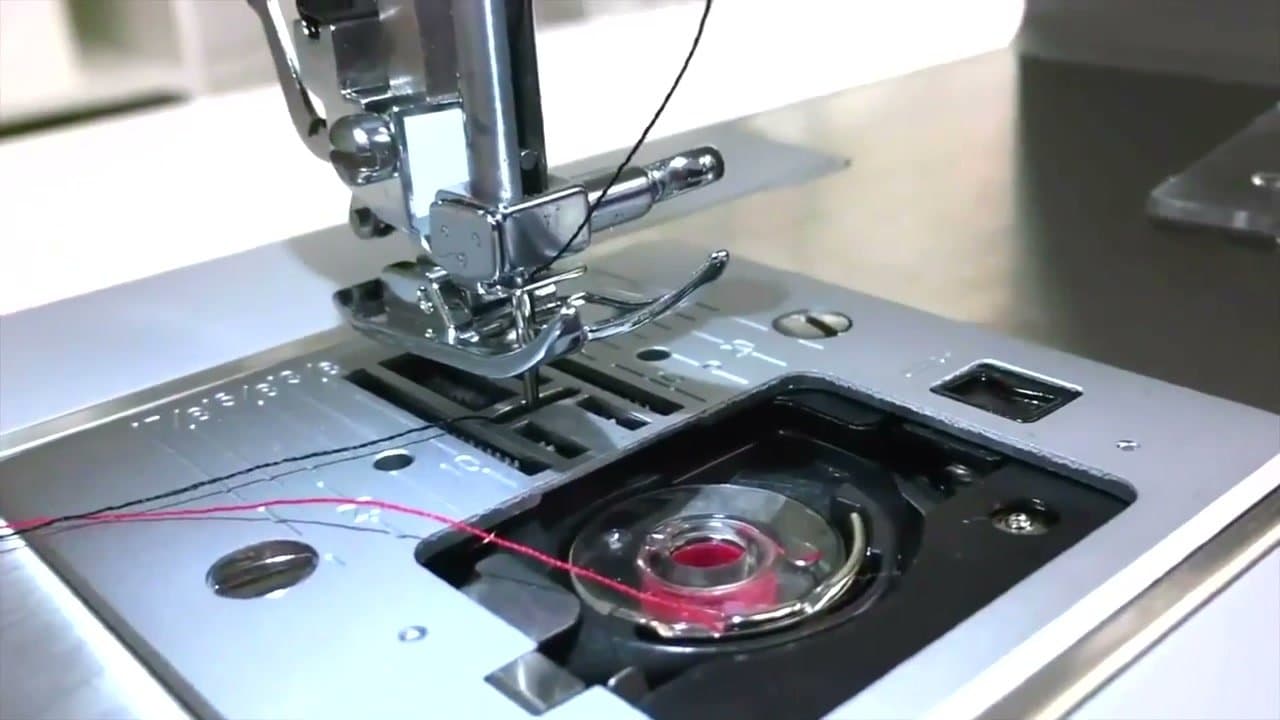
    Most machines come with a zipper foot in the box - it's the narrow one that lets the needle sew right next to the teeth. The standard foot is too wide and would push the zipper away from the needle.

    Pop your regular foot off and clip the zipper foot on. Some zipper feet have two positions (left and right of the needle) so you can sew down both sides of a zipper without flipping the work around.

    Back to all steps

  3. Step 3: Method 1 - Exposed Zipper for a Pouch

    Watch this step · 2:45

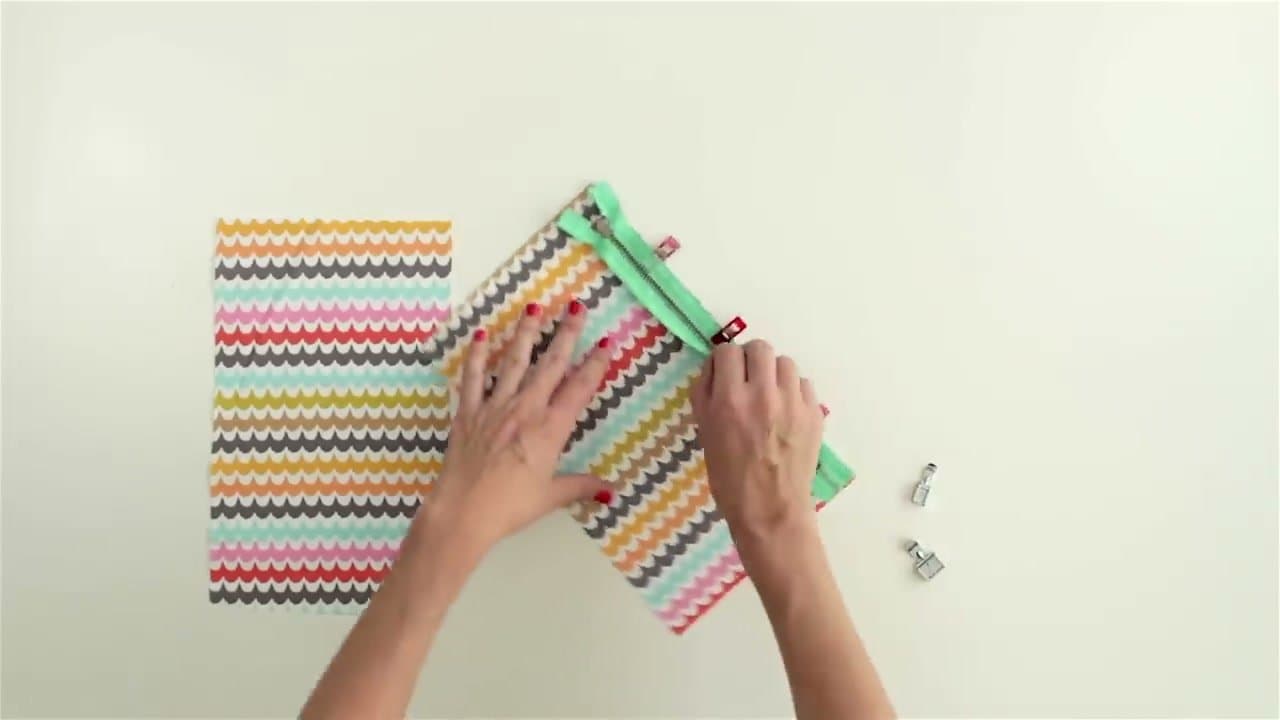
    Lay the zipper face-down on the right side of one fabric piece. Line up the long edge of the zipper tape with the cut edge of the fabric. For a pouch, your fabric width should match your zipper length.

    Clip everything together with wonder clips or pin it. Sew along the edge with the zipper foot, staying just past the teeth. When you reach the zipper pull, lift the presser foot, slide the pull behind the needle to get it out of the way, lower the foot, and keep sewing.

    Tip:

    Wonder clips beat pins for zippers - pins can bend the metal teeth and they're awkward to remove as you sew.

    Back to all steps

  4. Step 4: Sew the Other Side

    Watch this step · 3:40

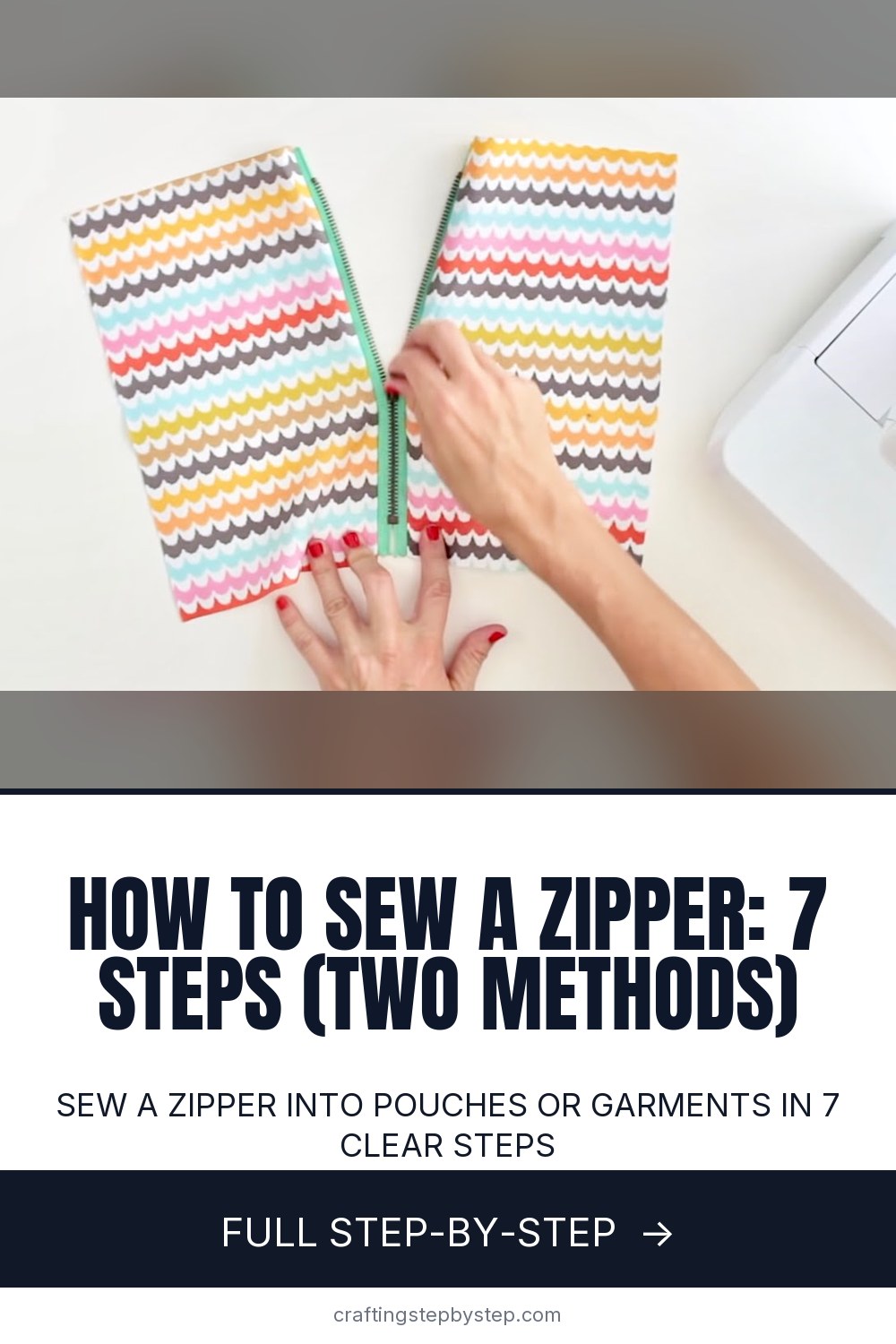
    Flip the zipper open and lay the second fabric piece right-sides-together with the zipper. Line up the edge the same way you did the first piece. Clip in place.

    Sew with the same seam allowance you used on the first side, otherwise the zipper won't sit centered when the pouch opens. When you open it back up, you have a flat panel with the zipper sandwiched in the middle - ready to fold and sew into a pouch.

    Back to all steps

  5. Step 5: Method 2 - Concealed Zipper in a Garment Seam

    Watch this step · 7:00

    For garments, you sew the seam closed first, then add the zipper on top. Sew the seam where the zipper will go using a long stitch length (around 5) so you can rip it out later. Press the seam open with an iron.

    Place the zipper face-down centered over the seam, with the teeth lined up exactly on top of the stitched line. Pin or clip in place all the way down. The more precise you are here, the more invisible the zipper will look.

    Back to all steps

  6. Step 6: Sew a Rectangle Around the Zipper

    Watch this step · 7:40

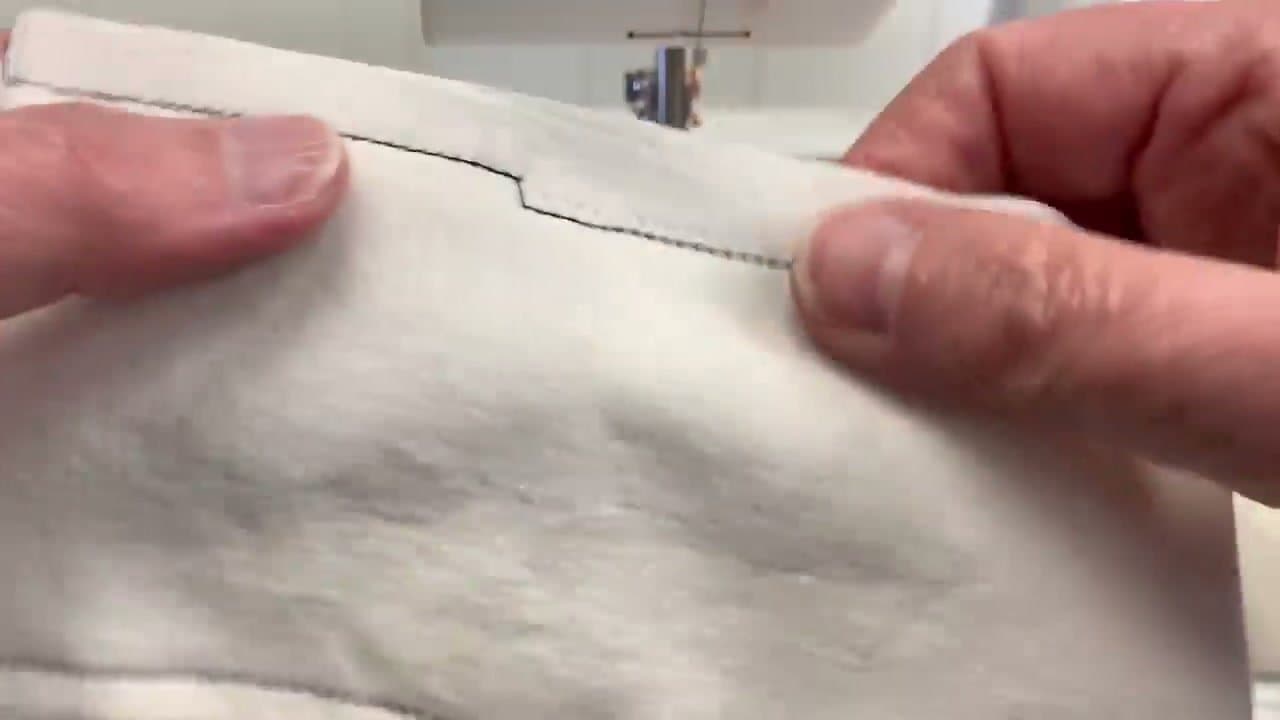
    Flip the fabric over so the right side is facing up (the zipper is hidden underneath, pinned in place). Sew with the zipper foot in a rectangle around the zipper - down one side past the pull, pivot at the bottom, sew across, pivot, sew up the other side.

    Backstitch at the start and end. Use thread that matches the fabric so the rectangle disappears (Dana uses contrast white in the demo just to show the line).

    Back to all steps

  7. Step 7: Open the Seam to Reveal the Zipper

    Watch this step · 9:25

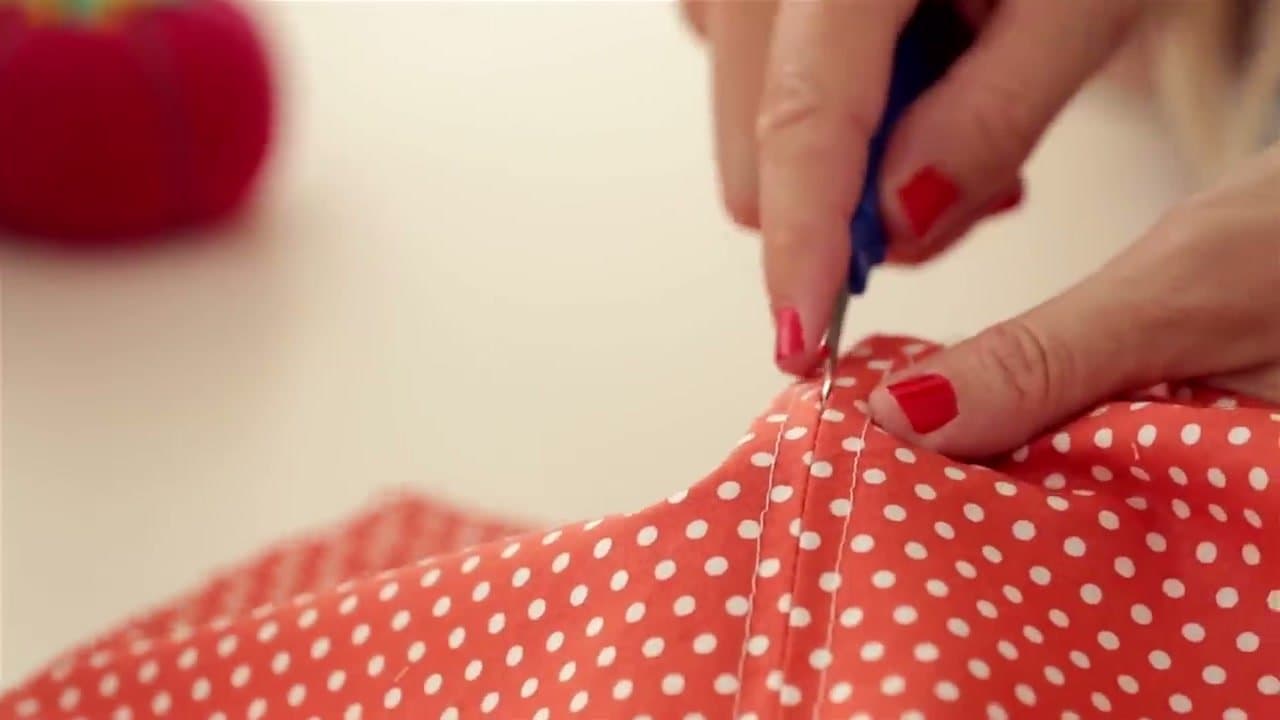
    Grab a seam ripper. Slide the point under a few stitches at a time on the original seam (the one you sewed in step 5 with the long stitch). Work down the seam between the two stitched lines, opening it up to expose the zipper teeth.

    Pull out the loose threads. The zipper now opens and closes, but on the right side of the garment it looks like a clean stitched seam with a barely-visible rectangle.

    Tip:

    Pull the seam ripper toward yourself rather than away - more control, less chance of slipping past the rectangle and ripping the wrong stitches.

    Back to all steps

How to Sew on a Patch

Keep going

How to Sew on a Patch

Keep going with sewing

More on this topic, picked for this zipper.

You reached the last step

Save this project to come back to it

Your ticked steps, the free printable and your other saved makes, together in My Projects. Free, no password.

You tapped Save

Save this project for later

We'll email you a link, no password.

How to Sew a Zipper: 7 Steps (Two Methods)

  • Your saved projects in one list
  • Your ticked steps on any device

Check your inbox for an email from us. Not there? Look in your spam folder.

Free printable

Printable sheet and shopping list for this project

The bonus is hidden until you sign up.

Free with a free account, no password. Every step above stays open to everyone.

Products Used

The Checklist

How to Sew a Zipper: 7 Steps (Two Methods)

Tools
6
Materials
3
Steps
7
Video
11 min

Tools we recommend

As an Amazon Associate we earn from qualifying purchases. Links on this page may be affiliate links - clicking them and buying doesn't change your price, but helps support Crafting Step by Step.

Tags

The Crafter's Weekly

New sewing tutorials, every Sunday

One short email with the week's best step-by-step guides. Free, no spam, unsubscribe anytime.

Test your knowledge

Did the lesson stick? Start with this one.

5 questions covering what you just read. No signup, no score saved, and you can stop after this one.

Question 1 of 5

Which presser foot lets you stitch right next to the teeth?

Quick reference

Key takeaways from How to Sew a Zipper: 7 Steps (Two Methods)

5 questions, answers, and one-line explanations. Tap to expand.

  1. 1.Which presser foot lets you stitch right next to the teeth?

    Answer: The zipper foot

    Its narrow shape sews close to the teeth without pushing them aside.

  2. 2.Which kind of zipper can you shorten with scissors?

    Answer: Plastic teeth

    Plastic teeth cut cleanly; metal teeth can't be trimmed that way.

  3. 3.Why avoid the standard foot for sewing a zipper?

    Answer: It is too wide and shoves the zipper aside

    The wide foot can't get close to the teeth, so the seam ends up crooked.

  4. 4.For a concealed zipper, what do you do to the seam first?

    Answer: Baste it shut with a long stitch

    A long basting stitch holds the seam closed, then rips out easily later.

  5. 5.In the exposed pouch method, how does the zipper start out?

    Answer: Face-down on the fabric's right side

    You lay it face-down along the edge, then flip it out after stitching.

Did this work for you?

What's next

Related collections

Curated theme pages that include this tutorial.

Similar tutorials

Hand-picked next reads based on the one you just finished.

Liked this sewing tutorial?

Pick the crafts you want to hear about. One email every Sunday with new step-by-step tutorials. No spam, easy to unsubscribe.

Get more like this in your inbox

Weekly digest. Pick the categories you want. Unsubscribe anytime.

Send me tutorials about

We only email about new tutorials. Easy unsubscribe anytime.