There are five common ways to make a paper flower, and they produce genuinely different results. Folding gives you a crisp geometric rose from a single sheet. Tissue paper gives you soft, full blooms in about three minutes each. Crepe paper looks the most like a real flower because the grain stretches into a curved petal. Rolled paper makes flat rosettes for wreaths and backdrops. Coffee filters are the cheapest way to fill a large space.
The steps on this page walk through the folded origami rose, which is the hardest of the five and the one people most often search for. The other four methods are quicker, and each has its own walkthrough linked below.
Pick the method by what you are making
Folded origami rose. One square sheet, no glue, no scissors. Best for a single keepsake bloom or a bouquet of a dozen. Takes fifteen to twenty minutes the first time and about five once you know the crease pattern.
Tissue paper flowers. Stack, accordion-fold, tie the middle, fan the layers apart. Fastest method by a distance, and the one to use when you need thirty of them for a party.
Crepe paper flowers. The grain stretches, so you can cup a petal with your thumbs and get a shape that reads as real from across a room. Slowest and the most convincing.
Rolled paper rosettes. Cut a spiral, roll it from the outside in, glue the base. Flat-backed, so they sit against a wall, a wreath form or a card.
Coffee filter flowers. Dye them, layer them, twist a stem. Cheap enough to make a hundred, and they soak up watercolour without falling apart.
For anything larger than a dinner plate, giant paper flowers use cardstock petals on a separate backing disc rather than a scaled-up version of any of these.
Folding the origami rose
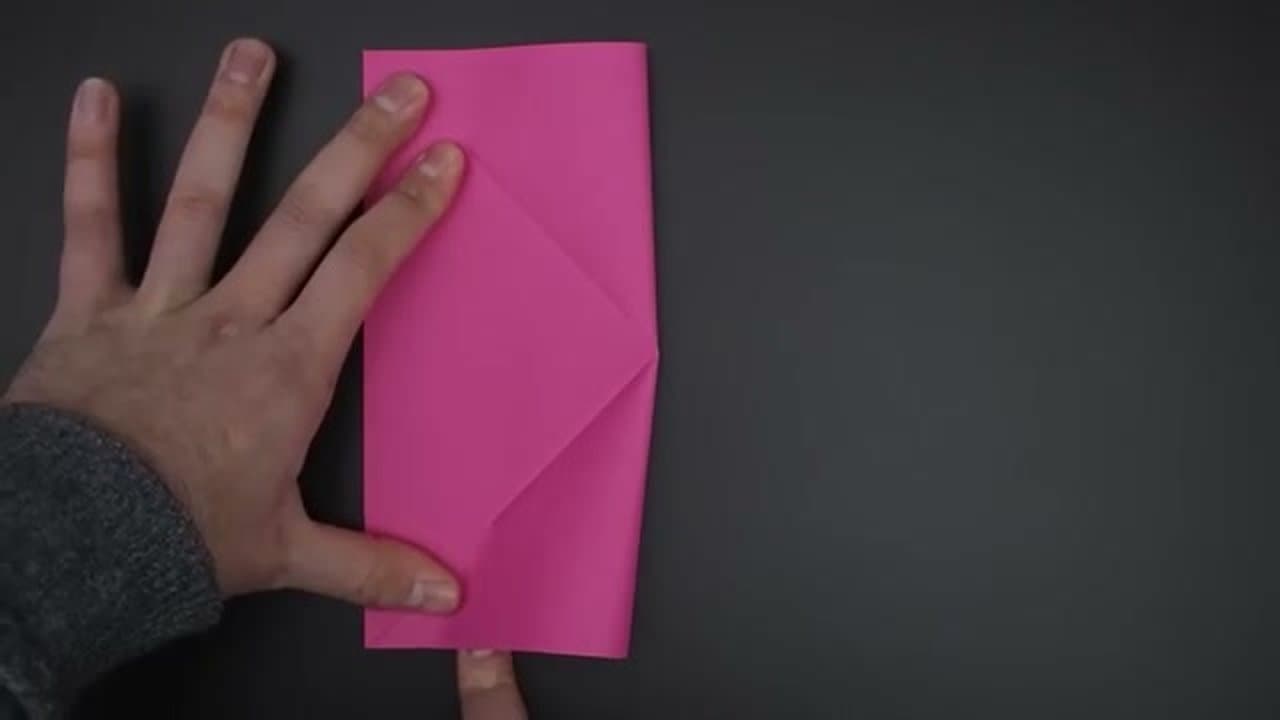
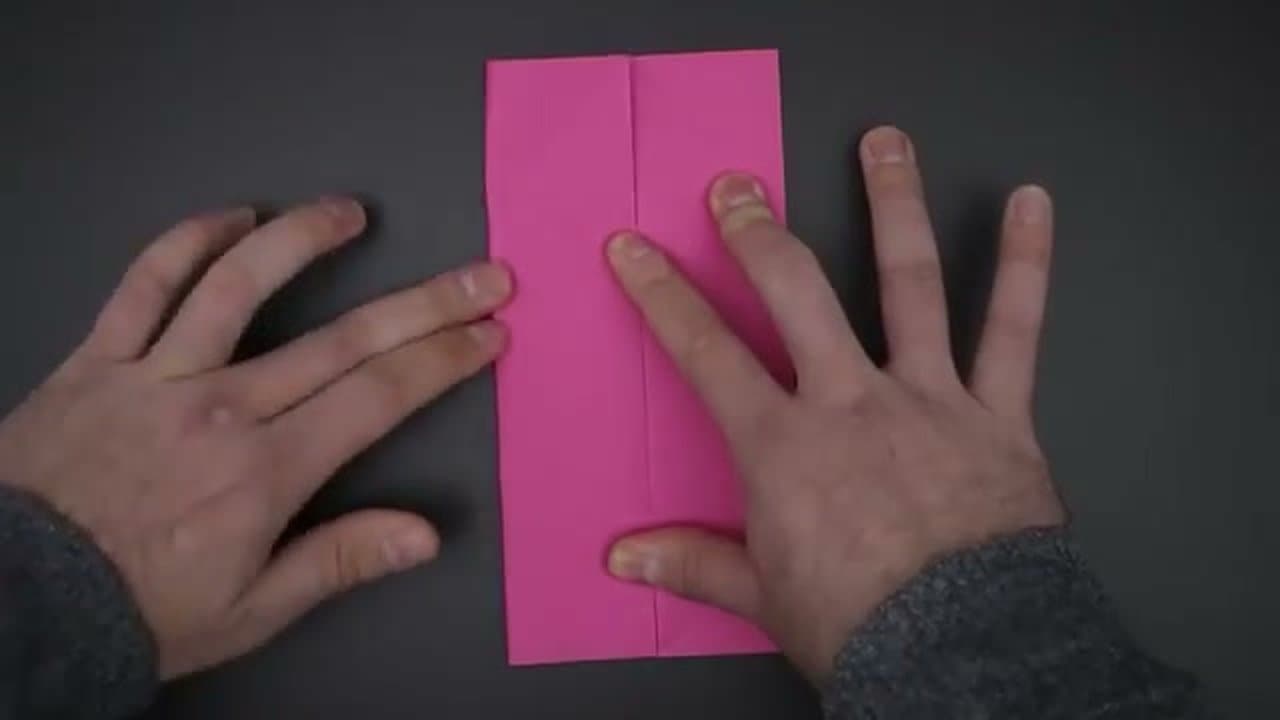
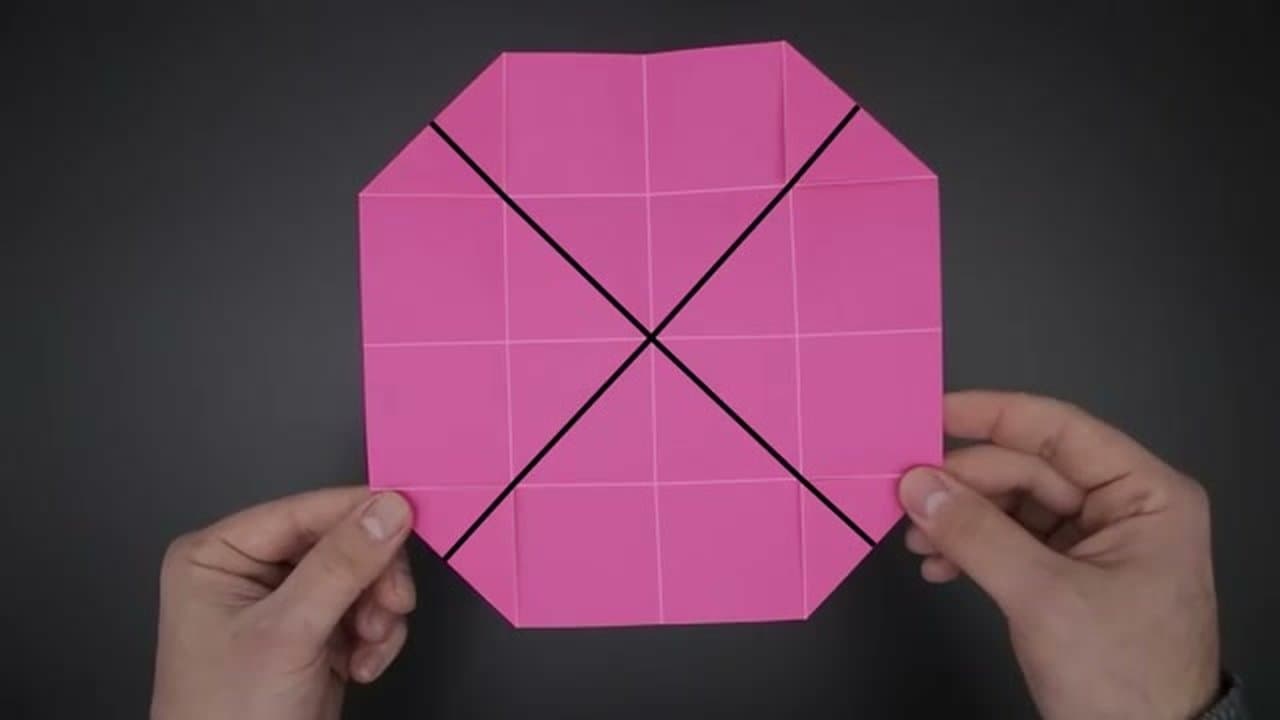
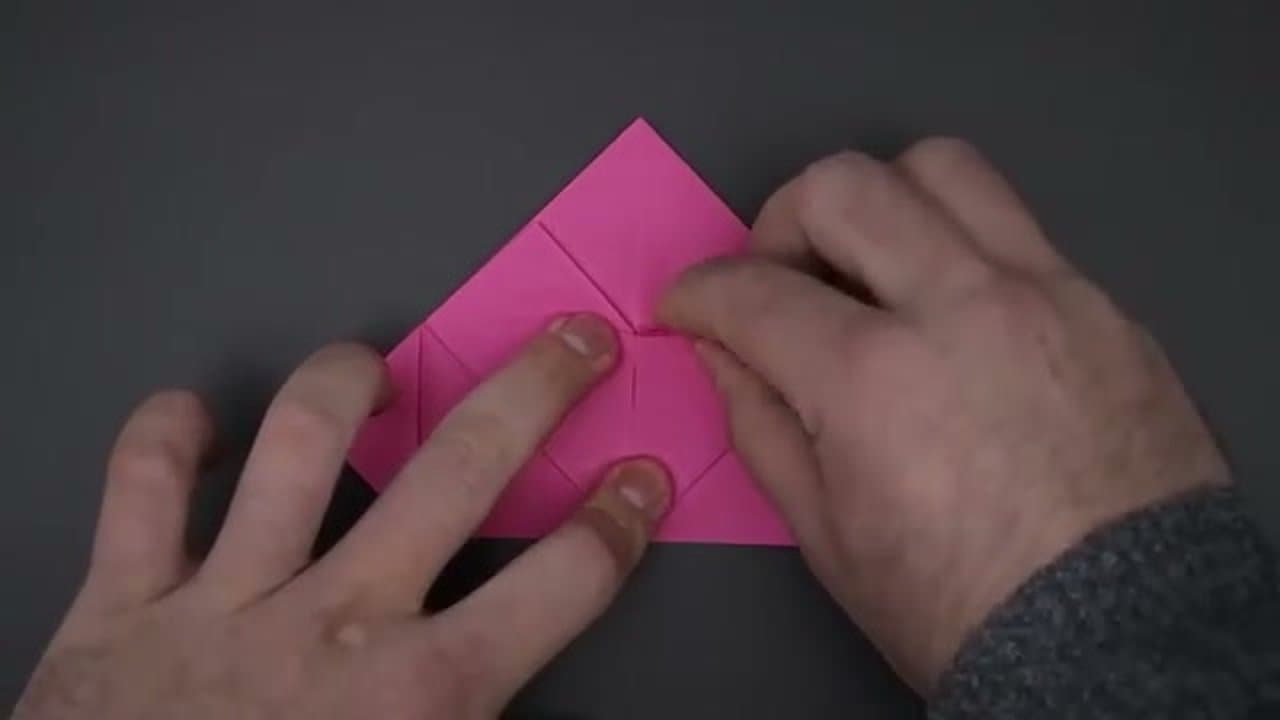
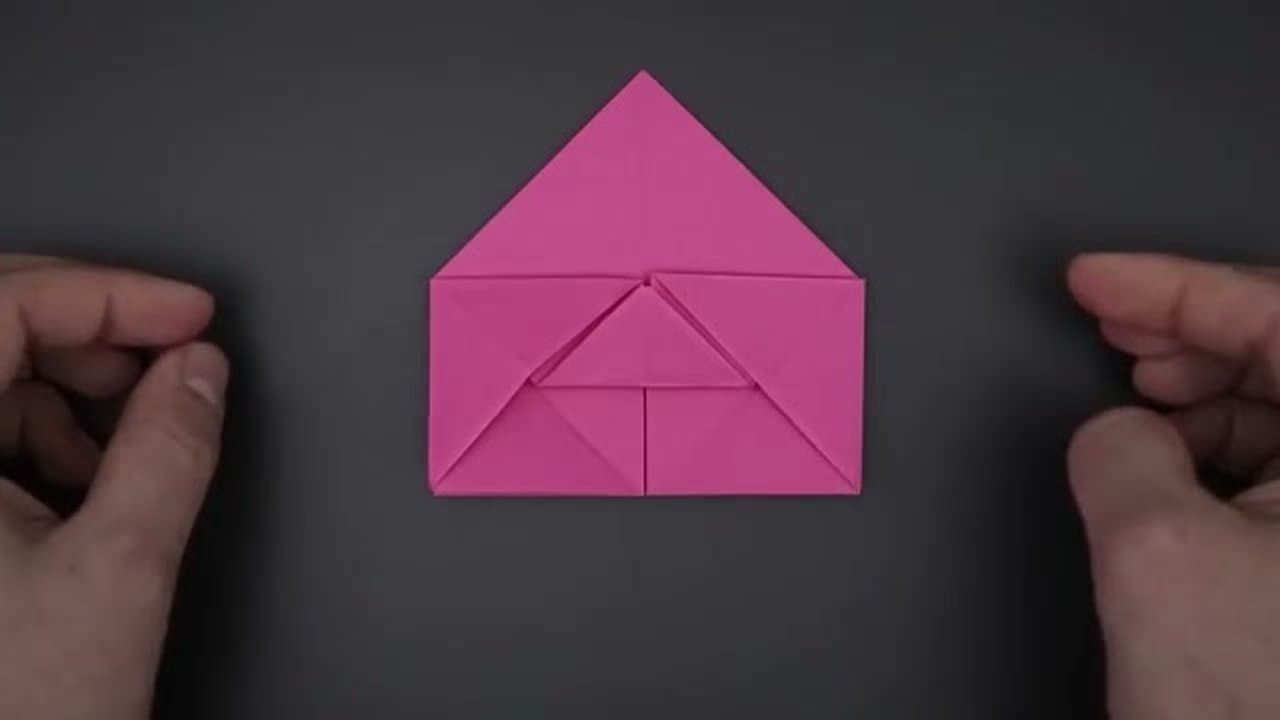
Origami roses look complicated and they are, a little. But every step is an extension of the crease patterns you would use for a paper crane or a fortune teller. The hard part is the crease pattern in step 4. Once those creases are in, the model collapses into the rose shape almost on its own.
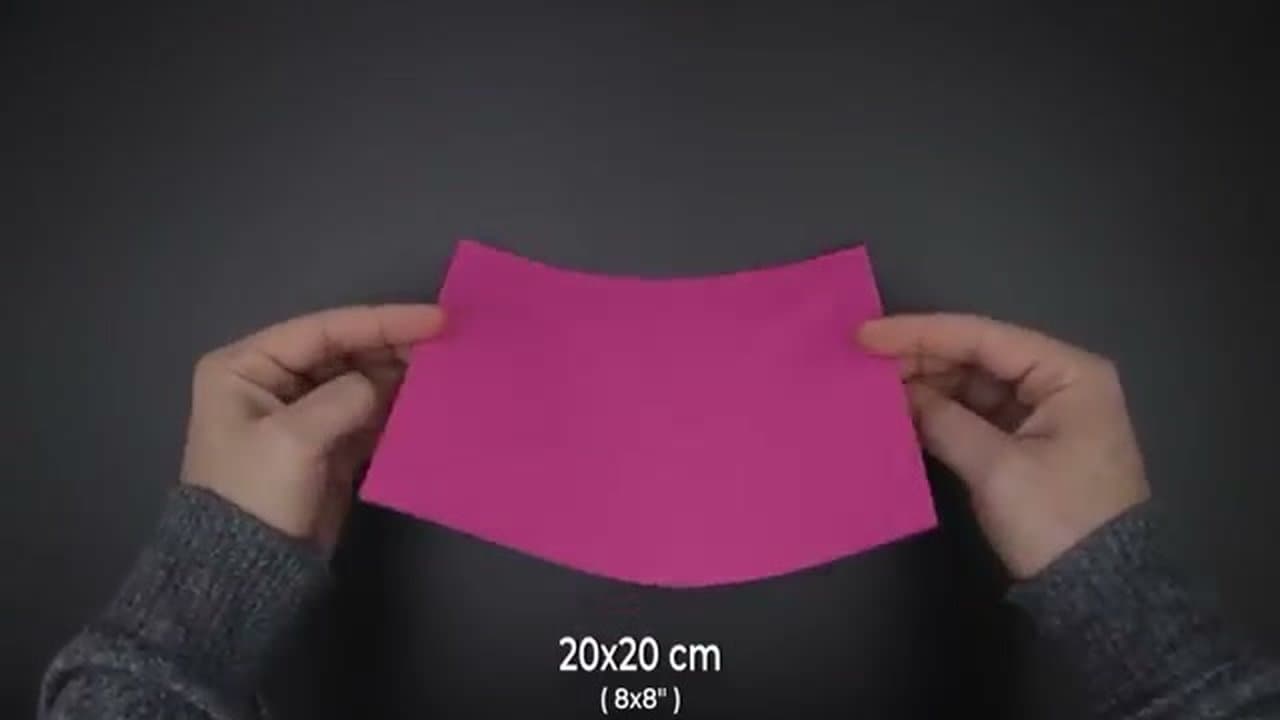
This walkthrough is from Easy Origami and Crafts on YouTube. Use a square sheet around 20x20cm (8x8 inch). Standard origami paper works well, and a two-tone sheet gives the finished rose visible depth between the petals.
What goes wrong
Sloppy creases lead to a sloppy rose. Every fold in the crease pattern needs to be sharp and land exactly on the reference point, because step 5 relies on all of them collapsing together. Run a fingernail or a bone folder along each one.
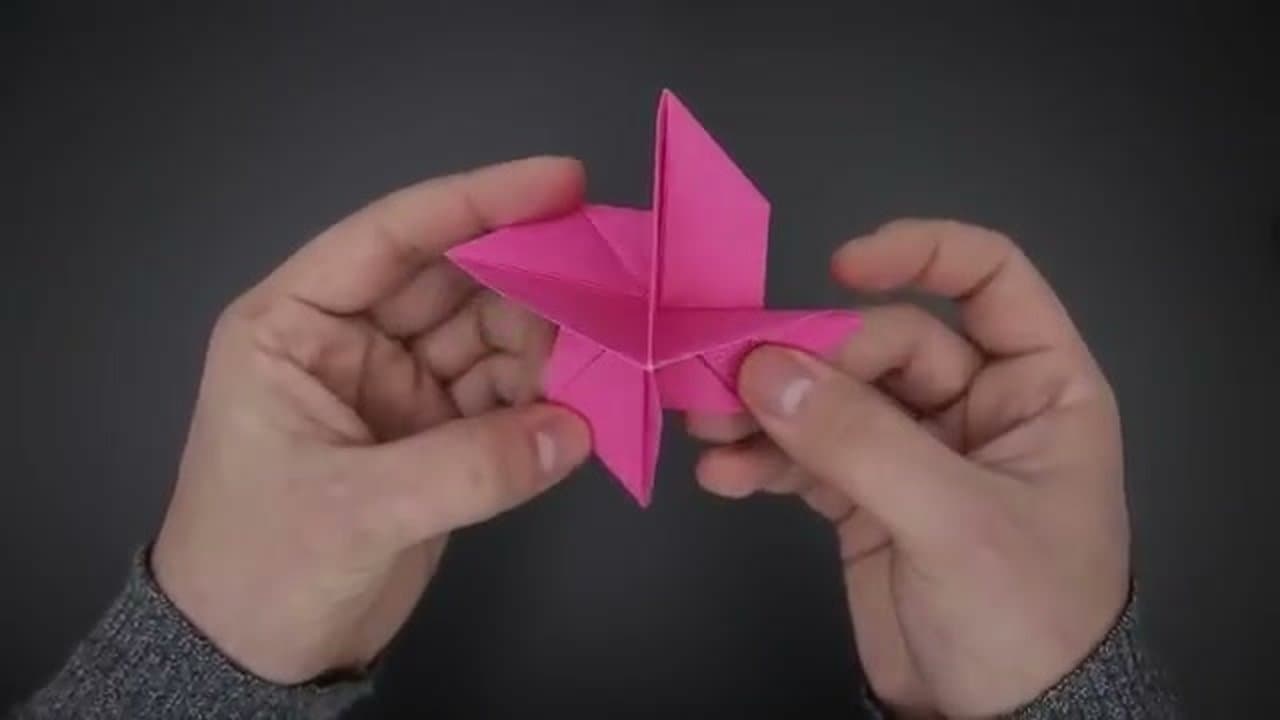
If the model refuses to collapse in step 5, you are almost always missing a crease or have one folded as a mountain where it should be a valley. Open the sheet flat and check the pattern against the video before forcing it.
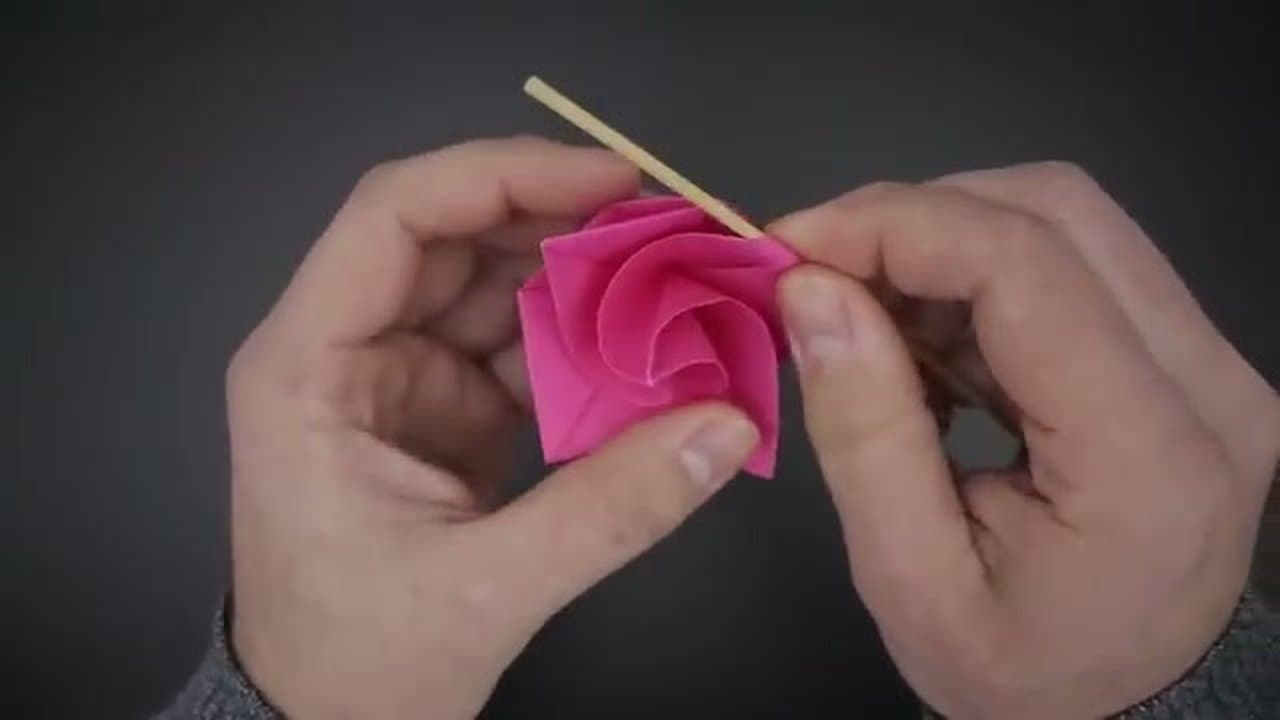
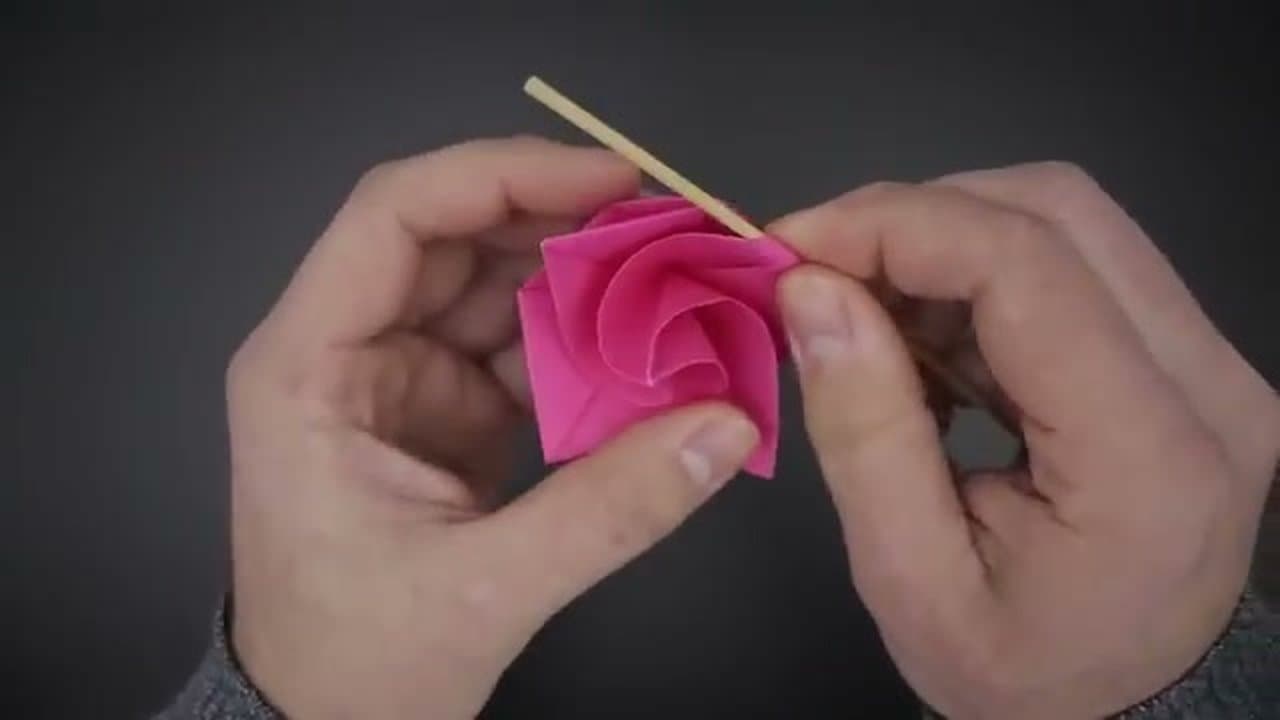
The petal curls in the final step are the forgiving part. Roll them over a pencil or a chopstick, and if the shape is not right, unroll and go again. The paper takes several attempts before it starts to fatigue.
What to do with them
A single folded rose on a gift box does more than a bow. A dozen in a vase reads as a real arrangement from a few feet away and never needs water. Mixed methods work well together too, since a wreath or backdrop looks better with two or three petal shapes in it than with thirty identical blooms.
If you want to keep folding, the origami lotus uses a related collapse, and basic origami covers the base folds every one of these models is built on.