How to Make a Paper Fortune Teller (7 Easy Folds)

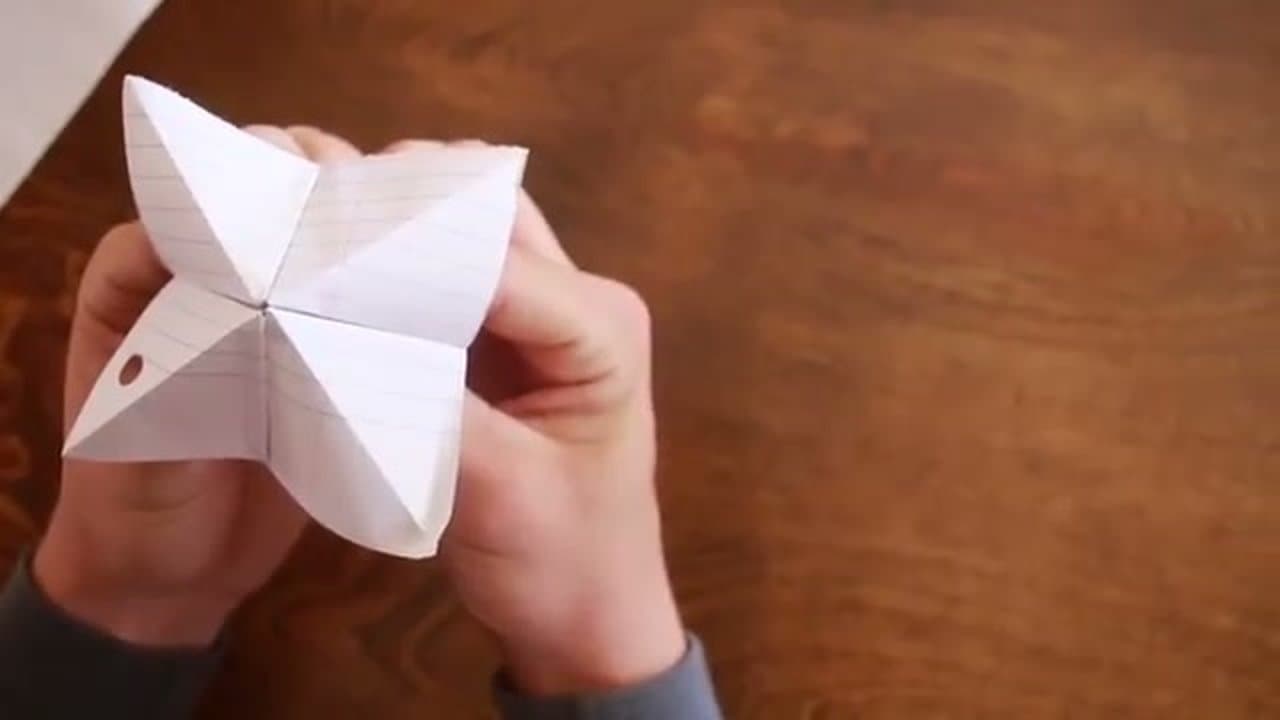
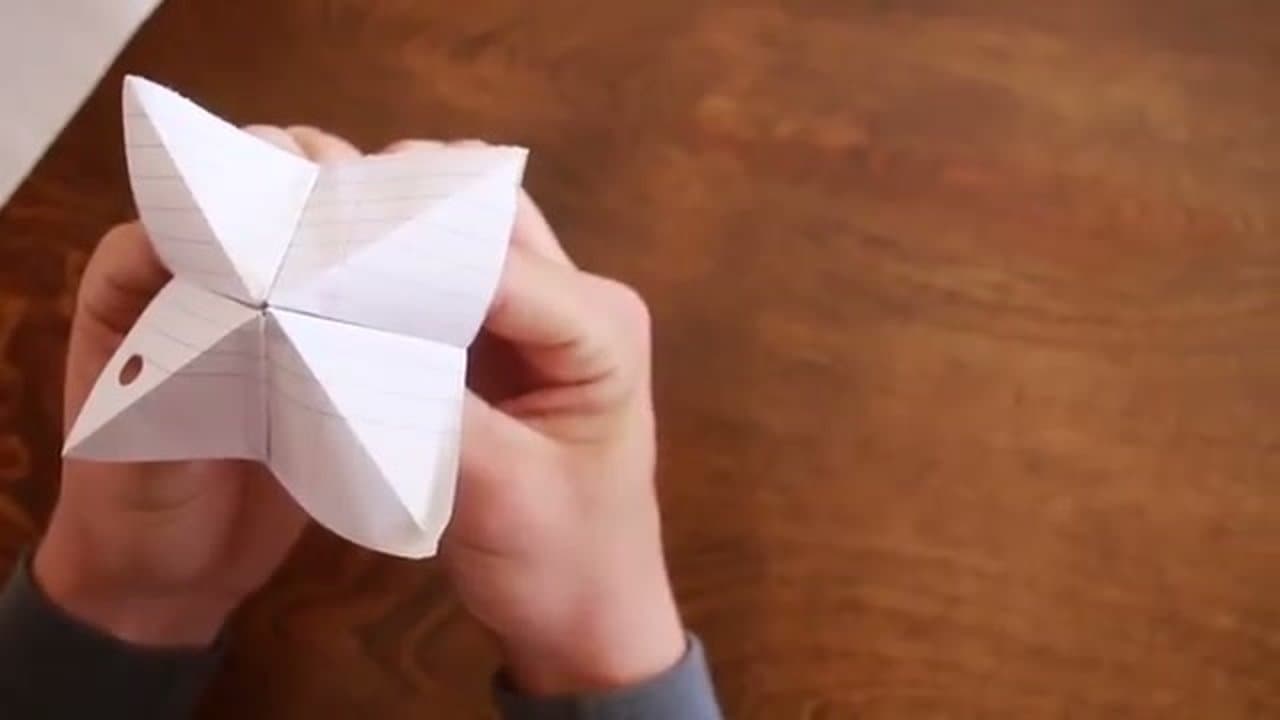
The finished result: How to Make a Paper Fortune Teller (7 Easy Folds)

By CraftingStepByStepPublished Updated

Based on a video by Aaron Honer.

One square of paper, about two minutes. Americans mostly call it a cootie catcher; in the UK it is a chatterbox, and origami books file it under salt cellar. Same object, same seven folds.

You get a four-pointed shape that sits on your fingertips and opens two ways. Someone picks a number, you work it open and shut while you count, they pick a colour, and the fortune under that flap gets read out.

What you need

  • One sheet of paper - printer, notebook, or a 6-inch origami square
  • Scissors, or a hard crease and steady hands for tearing
  • A pen, plus coloured markers so the colours read at a glance

Fold on a flat table, not your lap. Crisp creases separate a cootie catcher that snaps open from one that flops.

Which paper works, and how to square it

Printer paper is the right answer for a first one. It creases hard and takes pen without bleeding. Notebook paper works too. Stay off cardstock: eight corners fold into the middle, and heavy stock bulks up so much there that the flaps stop closing. Save it for a paper crane.

The square has to be square. Fold a corner across so the short edge lies along the long edge, crease hard, then cut or tear off the leftover strip. Six to eight inches suits adult hands; below five there is no room to write a legible fortune.

The fold sequence in plain language

Two diagonal creases to find the centre. Four corners into that centre. Flip it. Four corners into the centre again. Fold the small square in half both ways, then push your fingers into the four pockets.

The flip is where people lose the thread. Turning it over hides the first round of points and gives a clean face for the second. Skip it and the pockets land on the outside where fingers cannot reach, which is why half-built ones refuse to open. The origami basics guide names these moves properly.

What to write on it

Write before you pop it open, while it is still flat. Numbers go on the four outer flaps, colours on the eight inner triangles. Lift each triangle and write a fortune underneath, eight in all, six words or so each.

  • You will laugh before lunch
  • Something you lost turns up this week
  • Ask again after dinner
  • Today is a good day to be brave
  • You owe someone a thank you
  • Wear your lucky socks tomorrow
  • A small mistake works out fine
  • Say yes to the next thing offered

Teachers can swap fortunes for questions: times tables, spelling words, state capitals.

How to work it

One digit into each pocket, thumbs and forefingers, then pinch until it points. Open it by spreading your thumbs away from your fingers. Close it. Spread the other way, so it opens front to back instead of side to side. Alternating those two directions is the bit people get wrong: open it the same way every time and half your fortunes stay hidden.

Variations

A 10-inch square makes one small hands can work. A class set goes faster if you print the number and colour grid onto the squares first. Kids who take to this want the rest of the notebook-paper canon - a paper airplane, a ninja star, a paper football.

When it goes wrong

The flaps will not open. Nine times out of ten the two half folds got skipped. Flatten the small square, fold left to right and crease, unfold, then top to bottom. Those are the hinge.

The corners do not meet in the middle. The square was not square. Fold it corner to corner and check the edges line up. Out by more than a millimetre or two, trim and refold.

It splits at the centre. Too much rubbing back and forth over one crease, usually on thin or damp paper. Set each crease with one firm pass of a fingernail or ruler edge. Tape on the inside holds it, but the flaps never sit flat again.

Another one-sheet classic to fold next: how to make a paper popper.
Step-by-Step Guide

7 steps · about 4 minutes.Check off each step as you go and your progress saves automatically.

1

Fold a Square from Any Paper

0:25
Step 1: Fold a Square from Any Paper - How to Make a Paper Fortune Teller (7 Easy Folds)

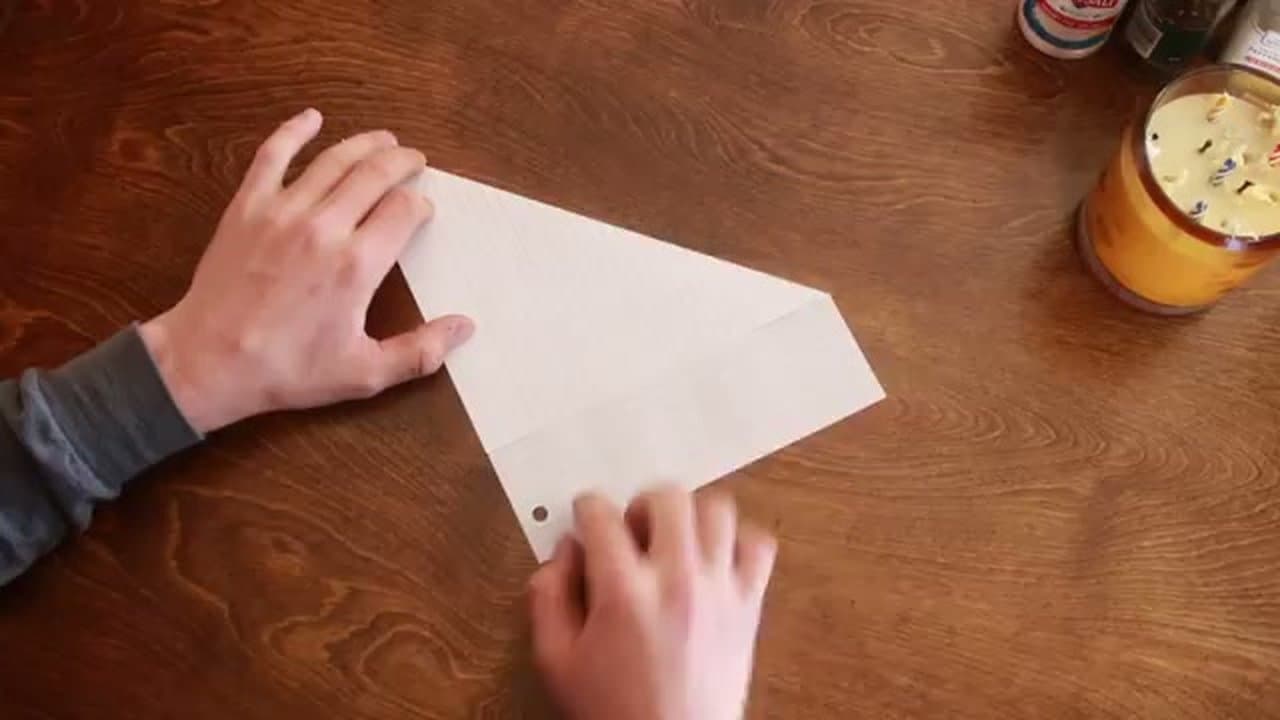
Grab any sheet of paper. Lined notebook paper works fine - it's what kids use at school. Take one corner and fold it diagonally so the short edge of the paper lines up with the long edge.

You'll have a triangle on top of the page with a strip of extra paper sticking out at the bottom. Crease the diagonal fold firmly.

2

Cut or Tear Off the Strip

0:55
Step 2: Cut or Tear Off the Strip - How to Make a Paper Fortune Teller (7 Easy Folds)

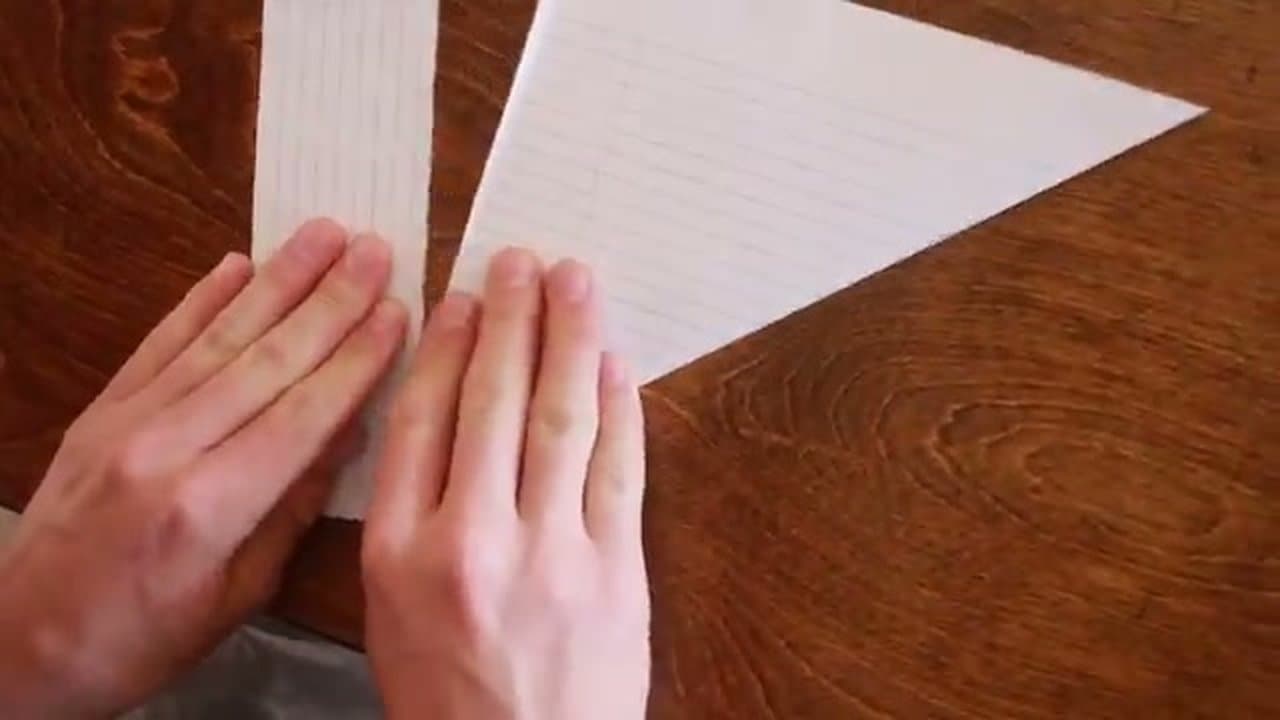
Cut off the leftover strip along the bottom edge of the triangle with scissors. No scissors? Crease the line firmly back and forth a few times until the paper is weak there, then tear cleanly along the crease.

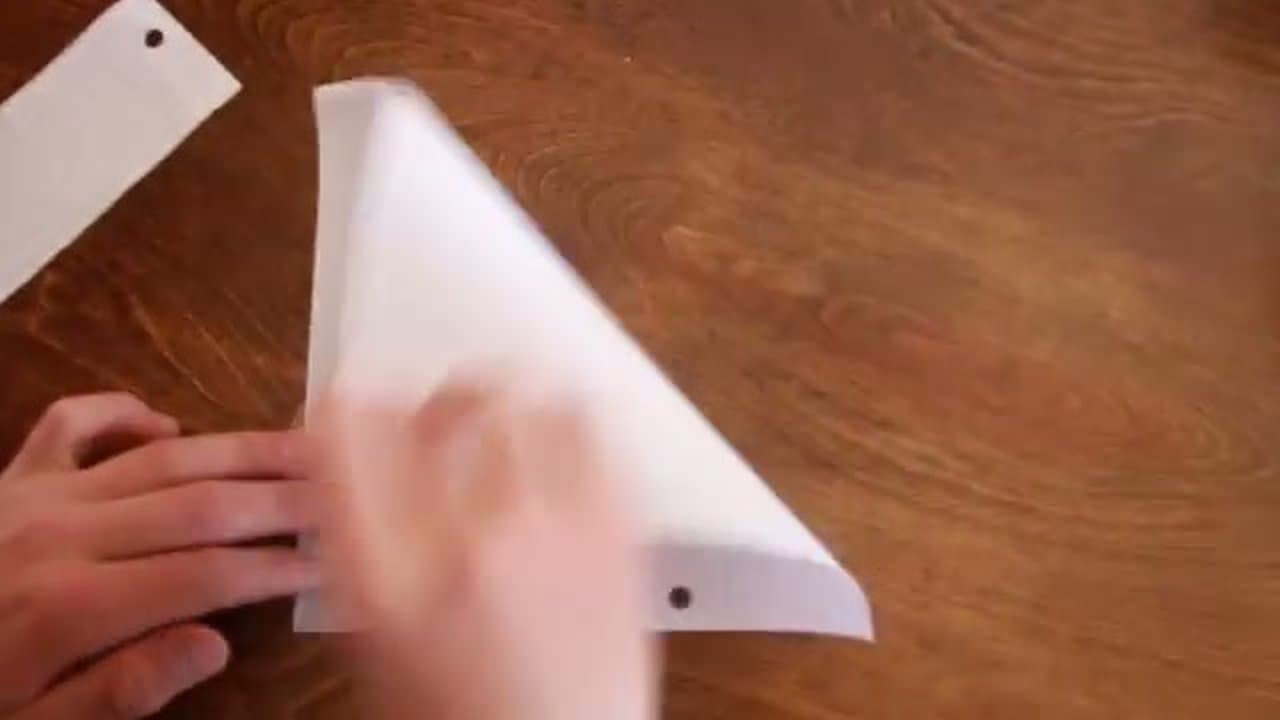
Unfold the triangle. You should be holding a perfect square with one diagonal crease running corner to corner.

Used in this stepKids' safety scissors
3

Crease the Other Diagonal

1:05
Step 3: Crease the Other Diagonal - How to Make a Paper Fortune Teller (7 Easy Folds)

Fold the square along the other diagonal so the unmarked corners meet. Crease firmly, then unfold.

Your paper should now have two diagonal creases that cross in the middle, forming an X. The center of the X marks the exact middle of the square - which is where the next fold lands.

4

Fold All Four Corners to the Center

1:40
Step 4: Fold All Four Corners to the Center - How to Make a Paper Fortune Teller (7 Easy Folds)

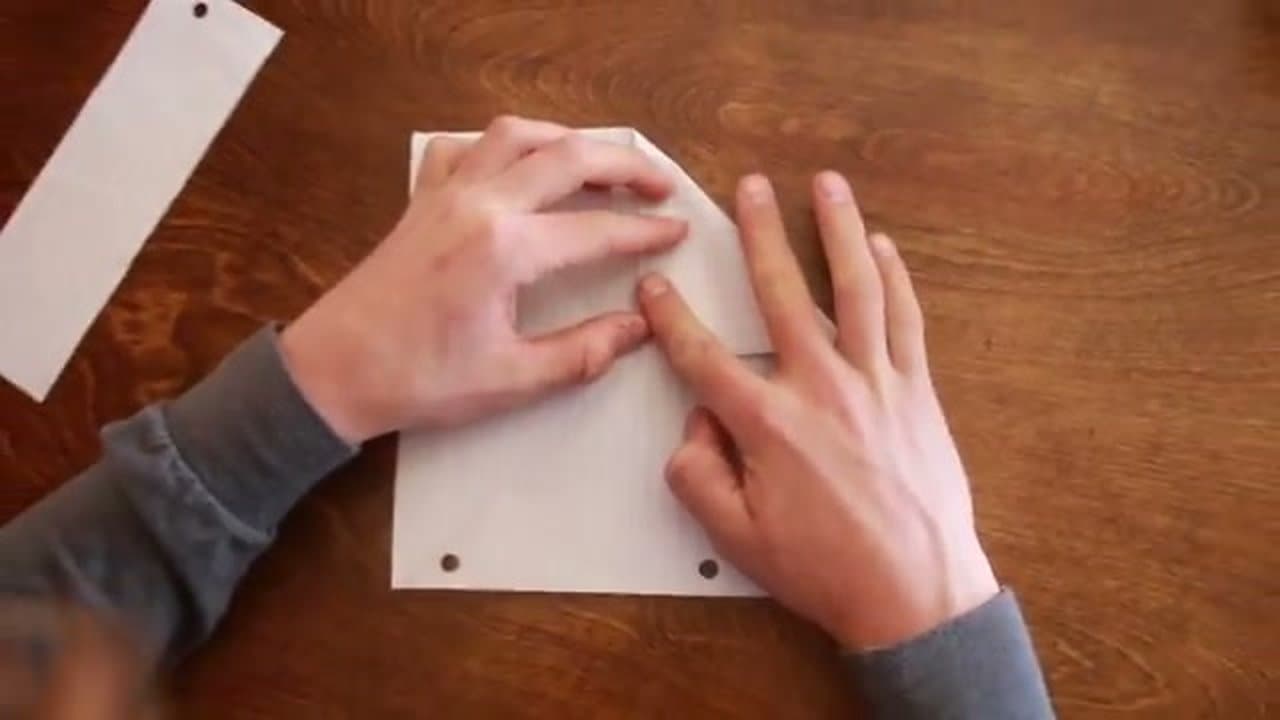
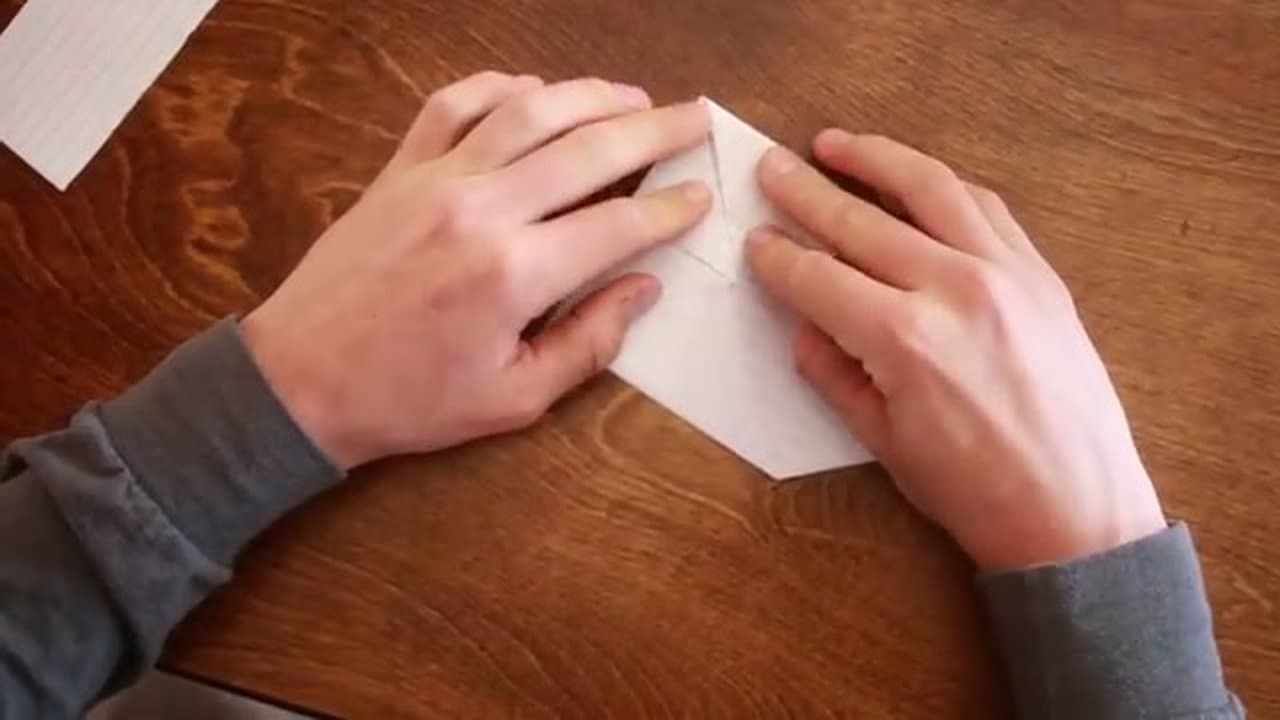
Take each of the four corners of the square one at a time and fold them inward so the points meet at the center of the X.

Press each fold down firmly. When all four are done, you'll have a smaller square - exactly half the size of the original - with the points all meeting in the middle. The square should sit flat with crisp edges.

5

Flip and Fold Corners Again

2:55
Step 5: Flip and Fold Corners Again - How to Make a Paper Fortune Teller (7 Easy Folds)

Flip the whole square over so the back side is now facing up. The flat side is on top - the side with the points hidden underneath.

Repeat the previous step: fold each of the four corners inward to meet at the center. You'll now have an even smaller square. The two layers of folded points create the four little pockets that the fortune teller plays with.

6

Fold the Square in Half Both Ways

3:40
Step 6: Fold the Square in Half Both Ways - How to Make a Paper Fortune Teller (7 Easy Folds)

Fold the small square in half horizontally and crease firmly, then unfold. Fold it in half vertically and crease, then unfold again.

These two extra creases give the fortune teller its hinge - they're what let the four flaps open and close cleanly when you operate it.

7

Pop It Open and Play

4:05
Step 7: Pop It Open and Play - How to Make a Paper Fortune Teller (7 Easy Folds)

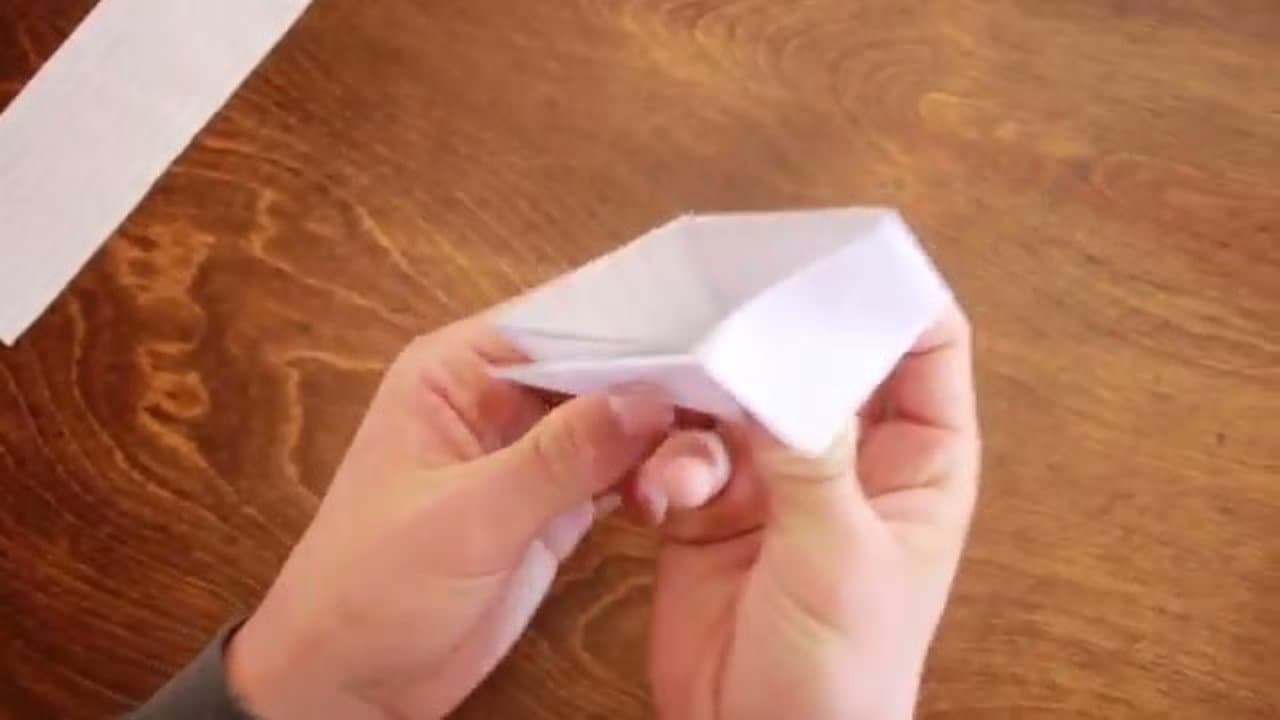
Flip the square so the four pockets are facing down. Slide your thumbs and forefingers up into the four pockets - one finger per pocket - and pinch them inward toward the center.

The fortune teller pops open into its classic shape. Open and close it side-to-side and front-to-back as someone counts. Write numbers on the outside flaps, colors inside, and fortunes under the inner flaps to play the full game.

Used in this stepFine-tip colouring pens

Keep going

How to Make a Paper Fan

Products Used

Tools we recommend

Your Guide

Aaron Honer

As an Amazon Associate we earn from qualifying purchases. Links on this page may be affiliate links - clicking them and buying doesn't change your price, but helps support CraftingStepByStep.

Tags

Sunday How-To

New paper crafts tutorials, every Sunday

One short email with the week's best step-by-step guides. Free, no spam, unsubscribe anytime.

Test your knowledge

Did the lesson stick? Start with this one.

5 questions covering what you just read. No signup, no score saved, and you can stop after this one.

Question 1 of 5

Total folds required to make one?

Quick reference

Key takeaways from How to Make a Paper Fortune Teller (7 Easy Folds)

5 questions, answers, and one-line explanations. Tap to expand.

  1. 1.Total folds required to make one?

    Answer: 7 folds

    Seven folds total, no glue or tape. The seven-step recipe is what the name implies in the title.

  2. 2.How do you turn rectangular notebook paper into a square?

    Answer: Diagonal fold + tear

    Diagonal fold to line up short edge with long edge, then tear off the strip. The triangle unfolds to a perfect square.

  3. 3.What does the X of two diagonal creases mark?

    Answer: Exact center of square

    Two crossed diagonals locate the exact center. All four corners then fold inward to meet at that point.

  4. 4.After folding corners to the center, what's next?

    Answer: Flip and repeat

    Flip the square over and fold all four corners to the center AGAIN. Two layers of folded points create the four playing pockets.

  5. 5.How do you operate the finished fortune teller?

    Answer: Fingers in pockets

    Slide thumbs and forefingers into the four pockets, pinch inward. Opens side-to-side and front-to-back as someone counts.

Did this work for you?

What's next

Related collections

Curated theme pages that include this tutorial.

Weekly Digest

Liked this paper crafts tutorial?

Pick the categories you want to hear about. Weekly digest of new step-by-step tutorials. No spam, easy unsubscribe.

Send me tutorials about

We only email about new tutorials. Easy unsubscribe anytime.