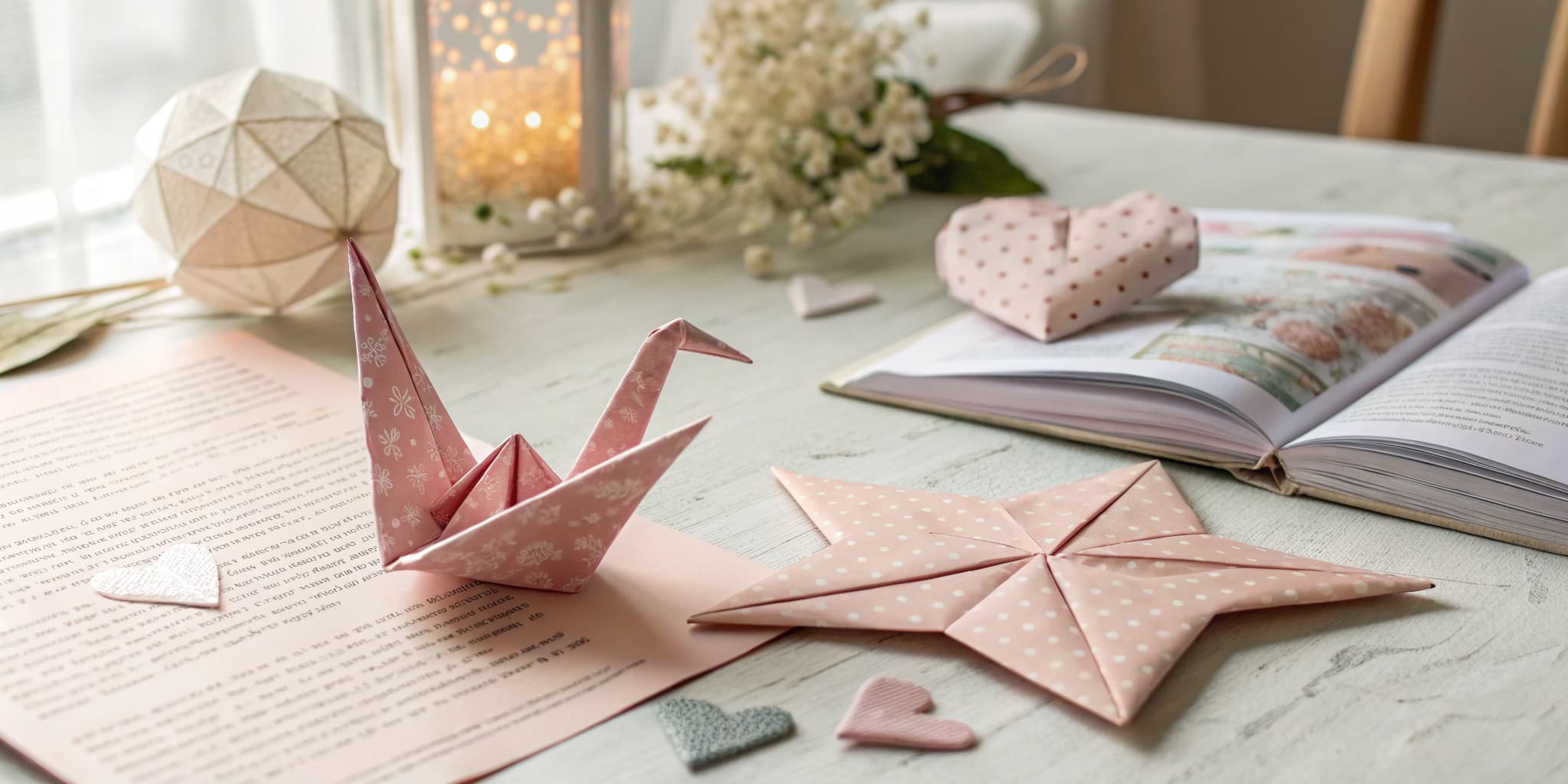
The paper crane is the gateway to origami. It uses a handful of folds that show up in dozens of other models, so once you can make a crane, the rest of origami opens up.
The eight folds below take a square of paper to a finished bird in about ten minutes the first time. New to this? The origami basics guide covers the vocabulary used here: valley folds, mountain folds, and bases.
What you need
- A square of paper, six inches on a side for a first try
- Scissors, only if you are cutting a square from a rectangular sheet
- A hard table. Creases made on carpet go soft, and soft creases cause most crane problems.
Why a 6-inch square, and why origami paper
Six inches gives you a crane the size of your palm, with a neck thick enough to reverse-fold without shredding. At 3 inches the head is a fingernail-sized pinch that most beginners tear. Origami paper is thinner than copy paper and holds a crease, which matters at the end where you press through six or eight stacked layers. Printer paper works, but the last folds fight back.
The square base decides everything after it
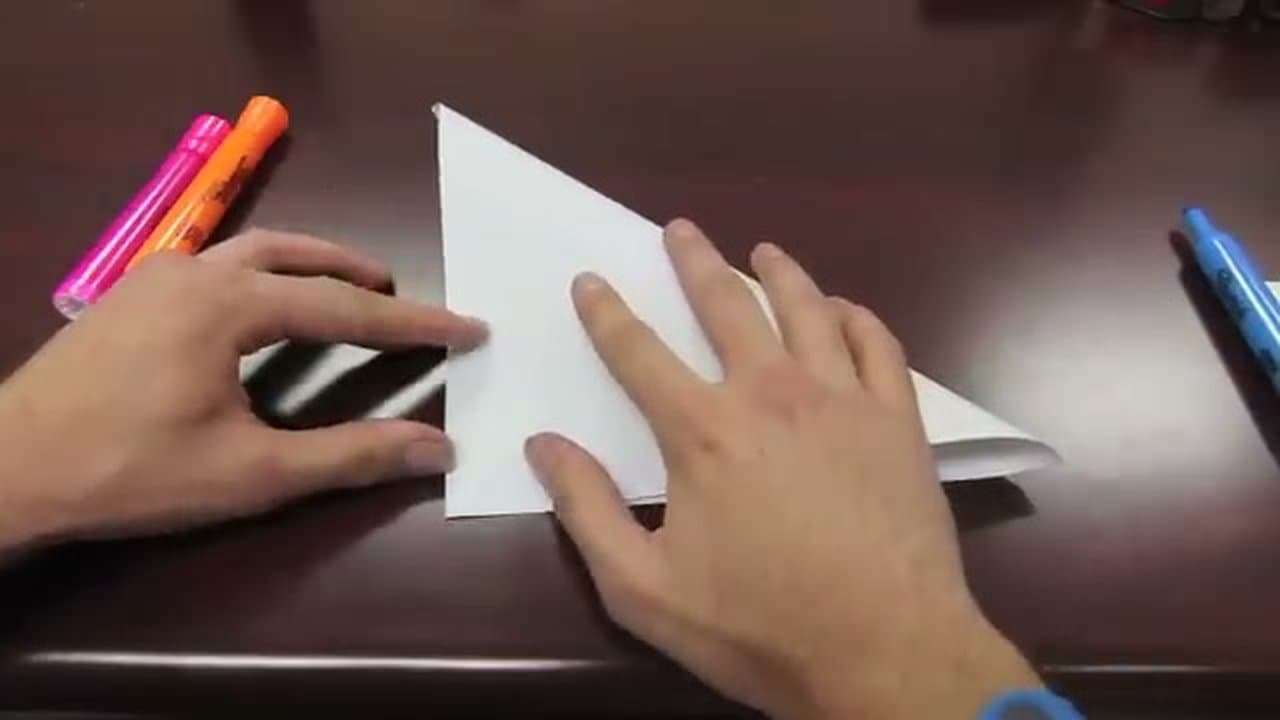
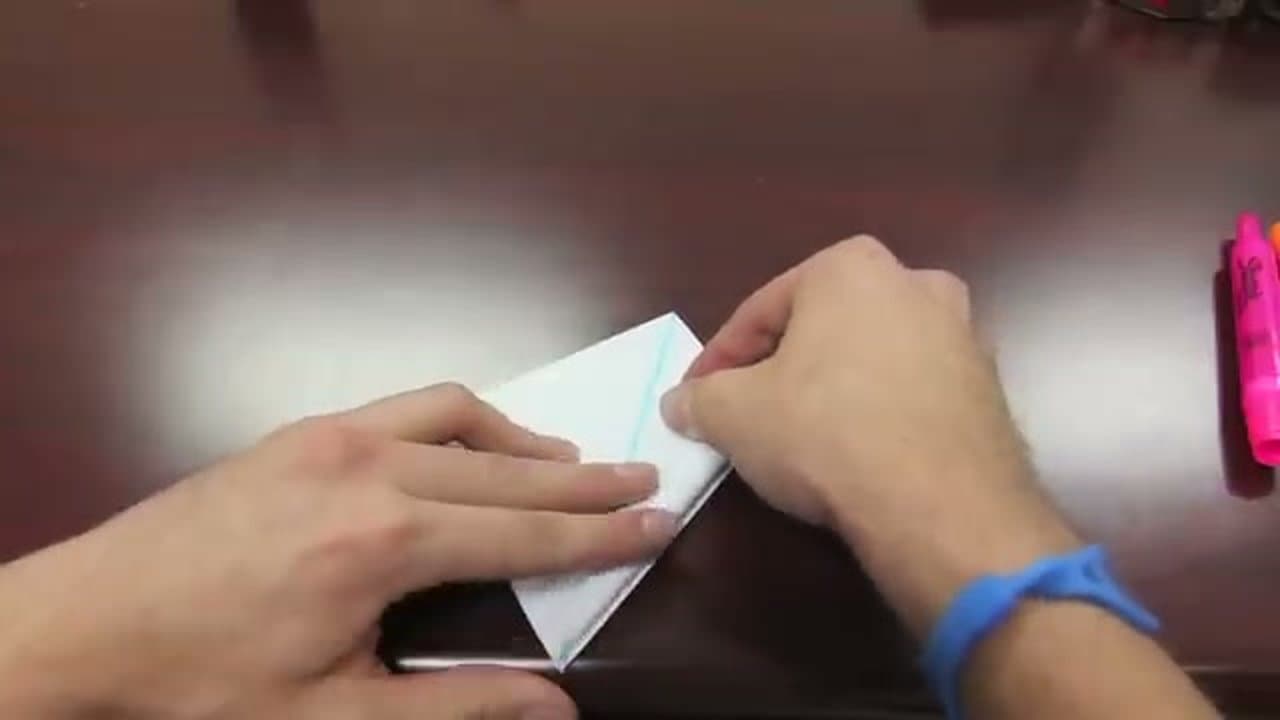
Steps 2 through 4 build the square base: four stacked triangular flaps with one closed point. Get it square and the rest of the crane is bookkeeping. Get it slightly off and the error multiplies, because every later fold measures itself against the center line of that base. Pinch the corners together before you press anything flat, and run each crease along a table edge with your thumbnail.
The petal fold, the move that loses people
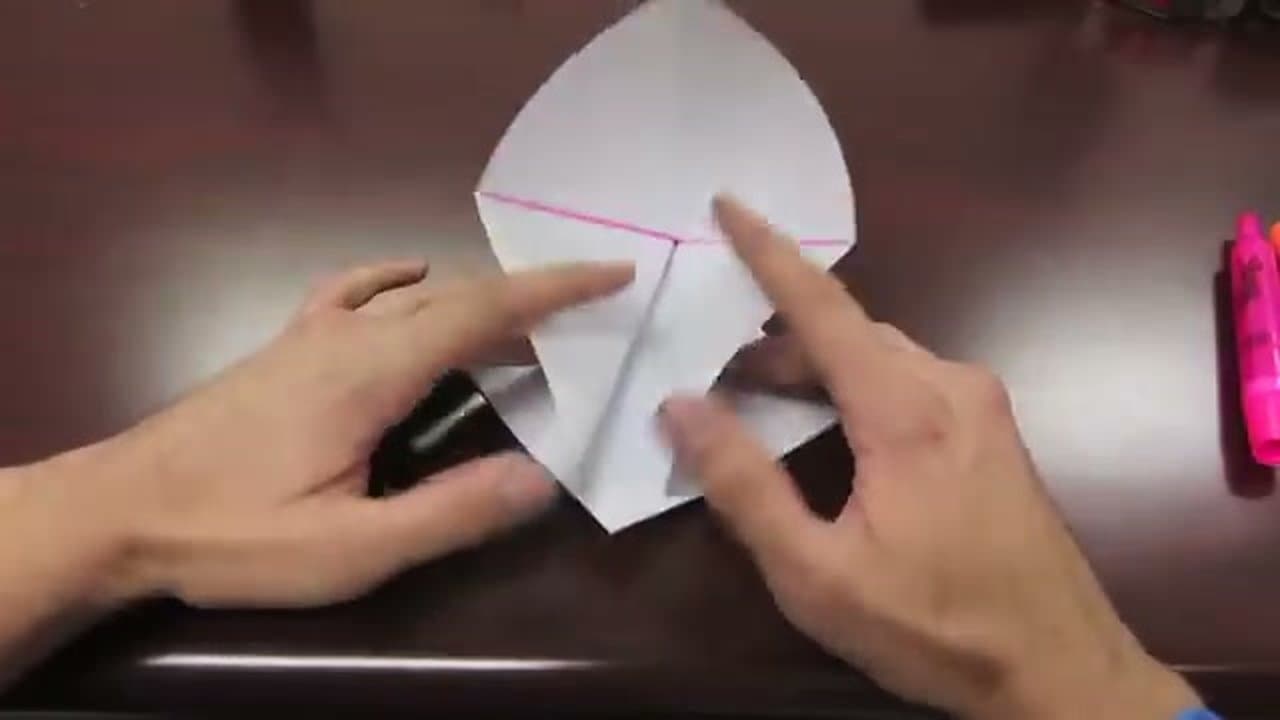
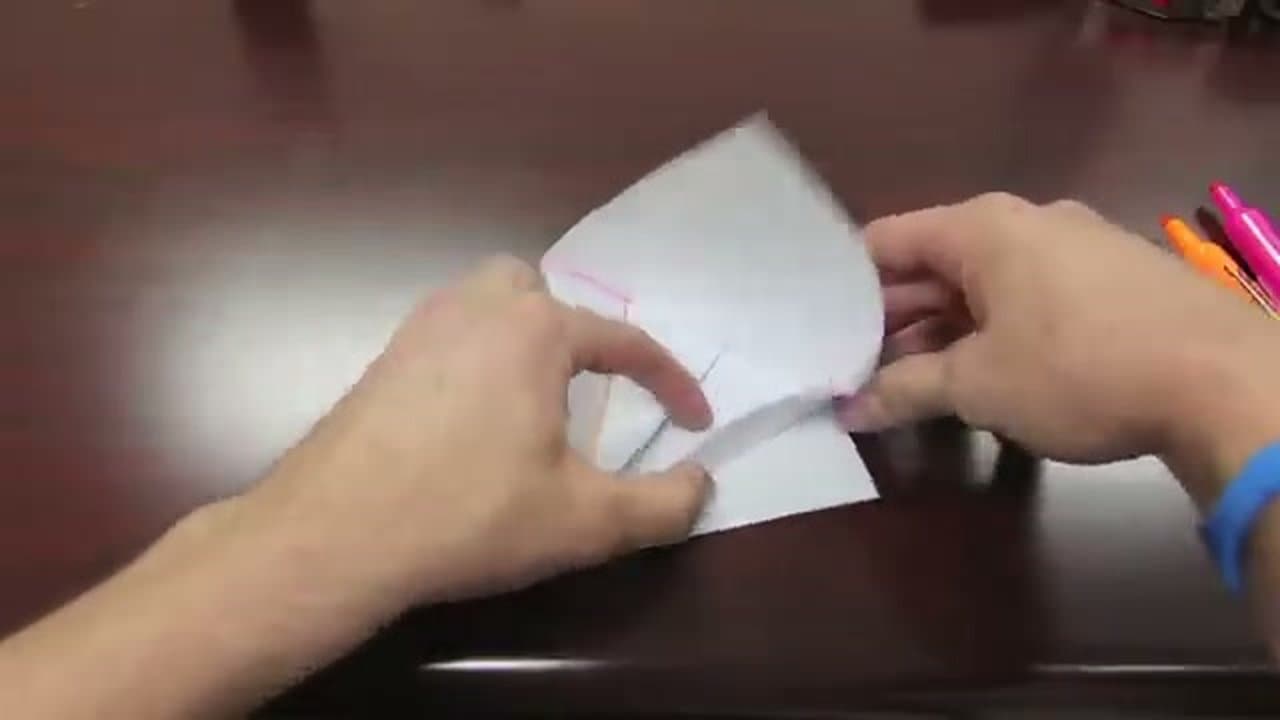
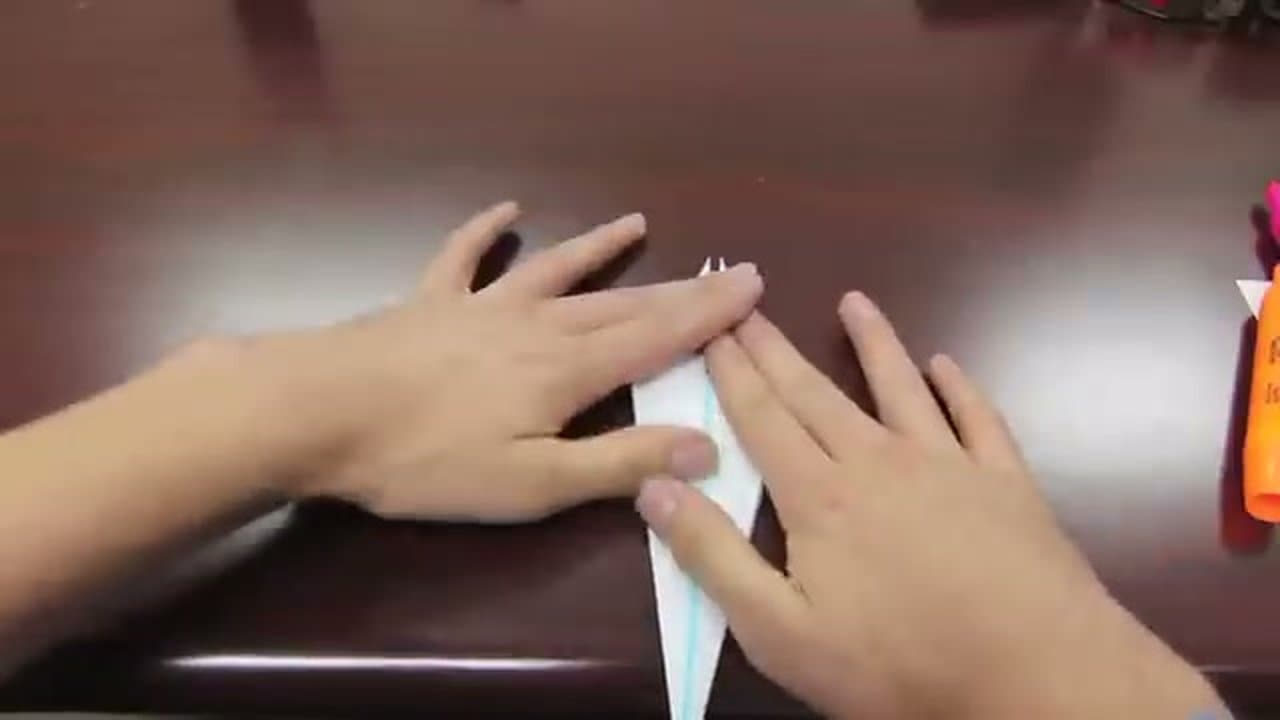
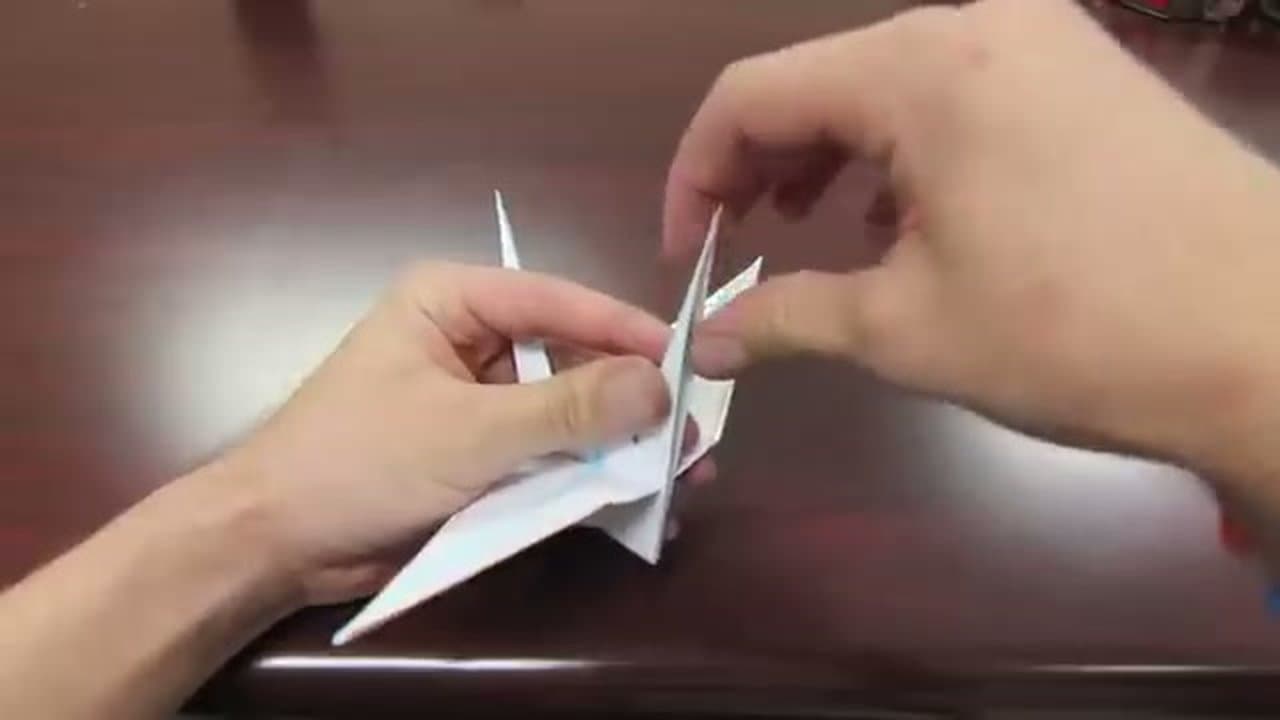
Step 6 is where beginners quit. The paper has to lift, open, and settle into a narrower diamond. Pre-creasing makes it obedient. With the kite folds done, fold the loose bottom point of the top layer up over those flaps, crease hard, then unfold. Release the kite flaps, lift that point straight up, and the side edges walk inward along creases that already exist. Repeat on the back and you have the bird base.
Inside reverse folds for the head and tail
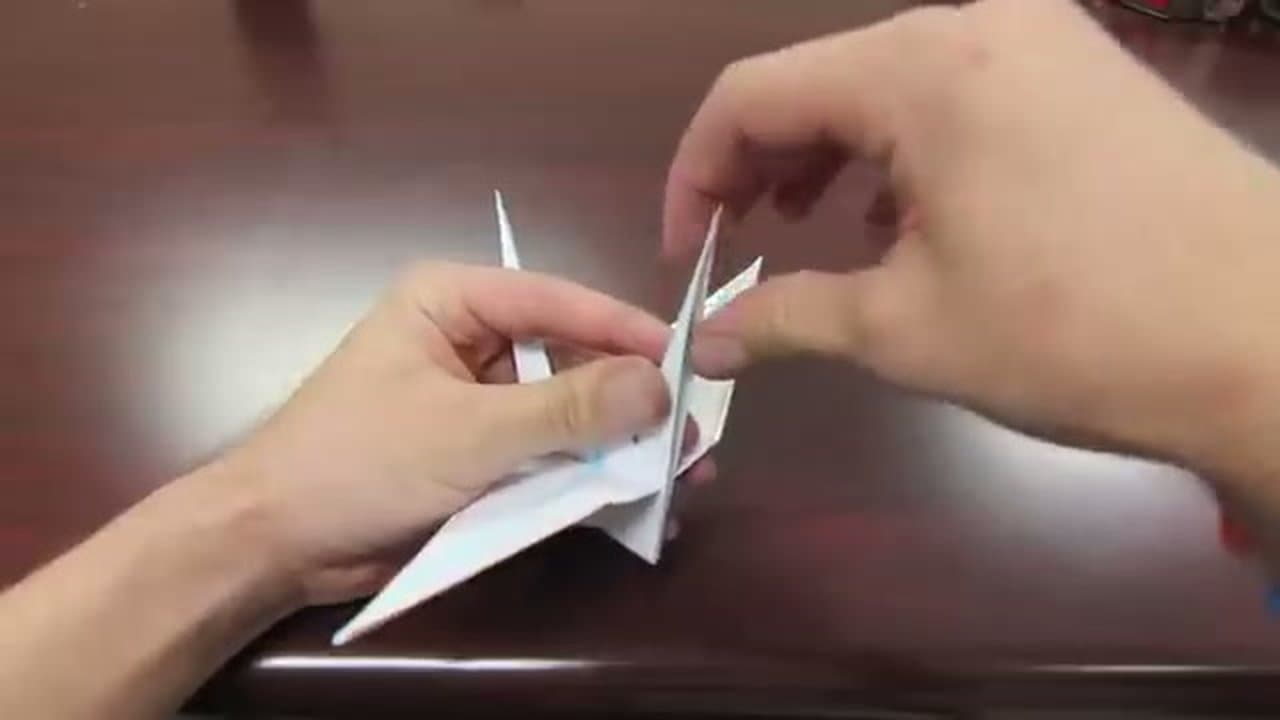
A reverse fold does not go over the outside of the model. You open the flap, push the point back down between its own two layers, and let it come out facing the other way. Pre-crease it: bend the flap forward at the angle you want, crease, bend it back, crease, unfold, then part the layers with a fingernail and push. The head is that same move a quarter inch from the tip, where a short pinch makes the beak.
How long the first one takes
Budget fifteen minutes for crane number one. Number two lands nearer six minutes. Fold three in a row in one sitting rather than one a day. If the crane is beating you, an origami heart or an origami butterfly builds the same crease discipline with fewer layers.
The thousand cranes
Japanese tradition holds that folding a thousand cranes, senbazuru, earns the folder a wish, and strings of them are given as a wish for recovery. Most people meet the story through Sadako Sasaki, who folded cranes in hospital after Hiroshima.
When the crane goes wrong
The base will not sit square. Flatten the paper and check the star pattern. The diagonals and the straight creases have to run opposite ways, one set mountains and one set valleys.
The wings will not spread. A kite fold or the petal fold caught the back layer as well as the top one. Open the wings by holding the body and easing them out from the base, not by pulling on the tips.
The paper tears at the neck. Too-thick paper, too small a square, or a reverse fold forced without pre-creasing. Separate the layers with a fingernail first.
The neck and tail are different lengths. The two reverse folds went in at different angles. Crease both flaps together as a pair, then separate them and reverse-fold each one. For a bird with half the folds, try an origami swan next.