A paper boat is one of maybe three folds that stays with people for life. You learn it at a kitchen table when you are six, and thirty years later your hands still remember it. One rectangular sheet, seven folds, no glue and no tape.
This is the classic hull, the one with the flat bottom and the two pointed ends. It floats. Not forever, but long enough for a rain gutter, a puddle, or a bathtub race.
What You Need
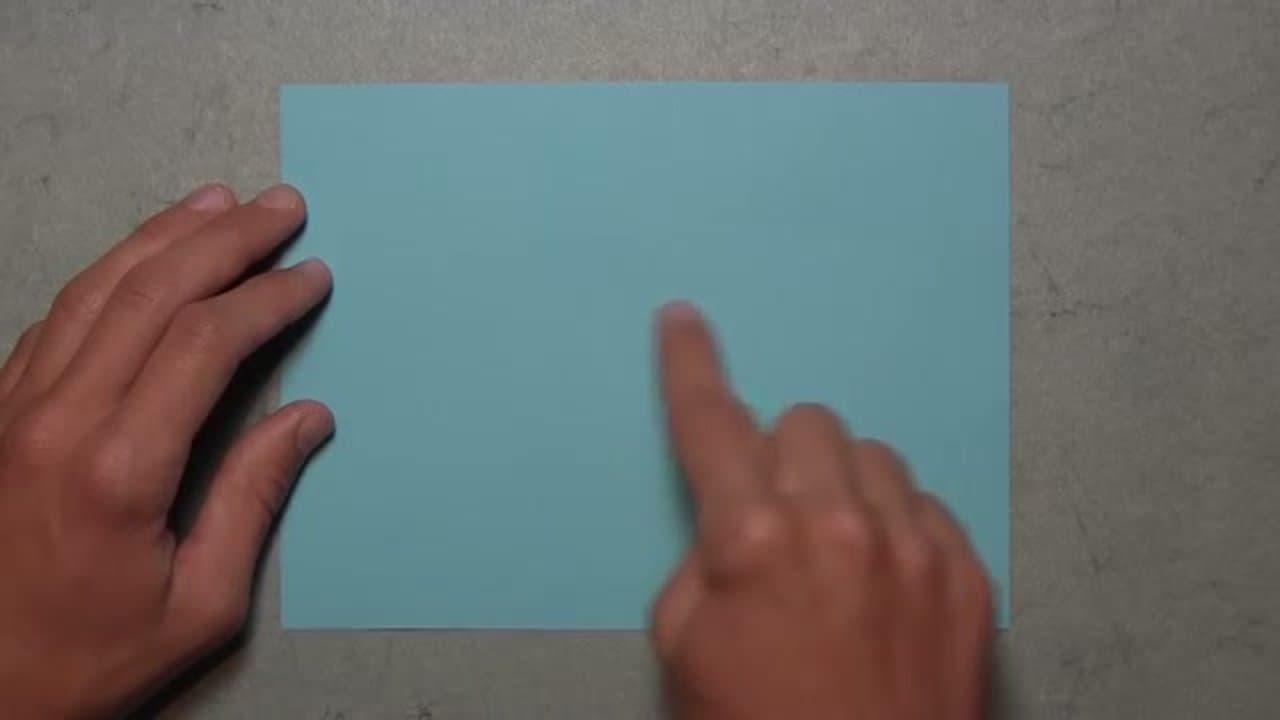
One rectangular sheet. Standard printer paper works and is the easiest size to learn on. Square origami paper does not work for this fold, because the boat needs the extra length to form a hull.
Nothing else. If a set of instructions asks you for glue, it is a different boat.
How to Fold a Paper Boat, Step by Step
The seven steps are laid out with photos below, but here is the shape of the thing so you know where you are going.
- Crease the sheet down the middle both ways, then unfold. You are just marking the center.
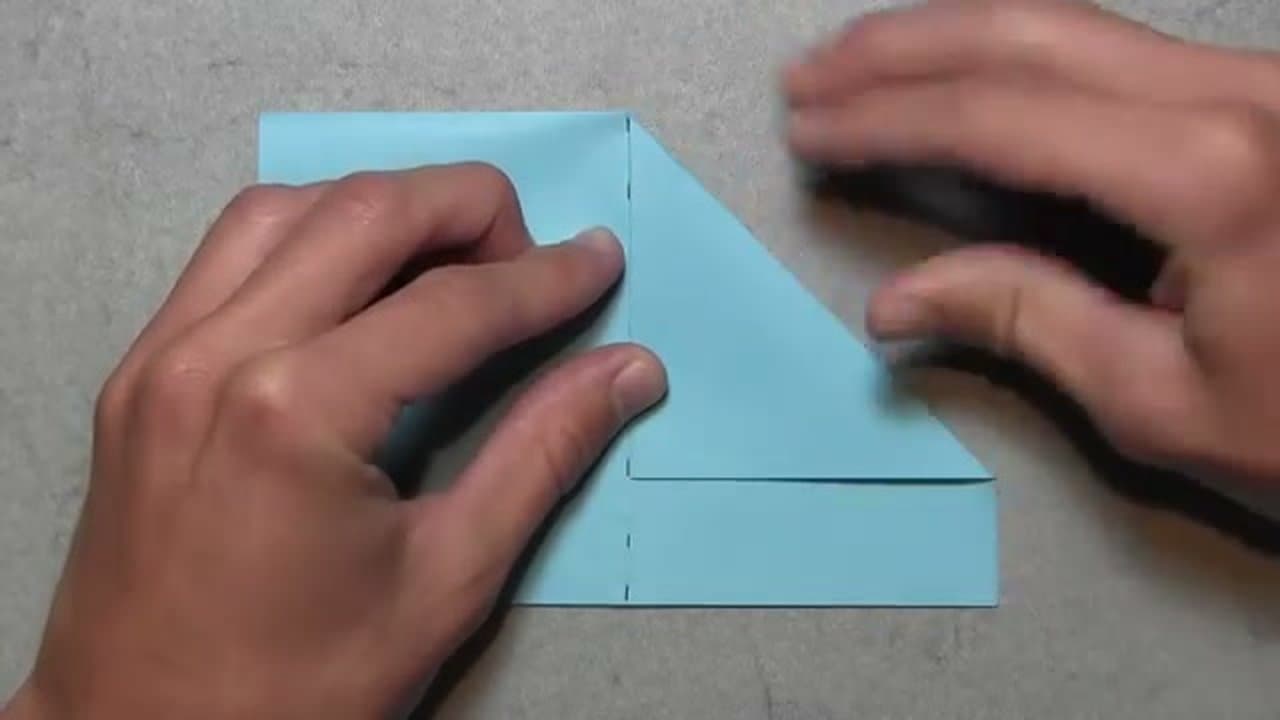
- Fold the top two corners into that center line. You get a house shape with a rectangle of paper left at the bottom.
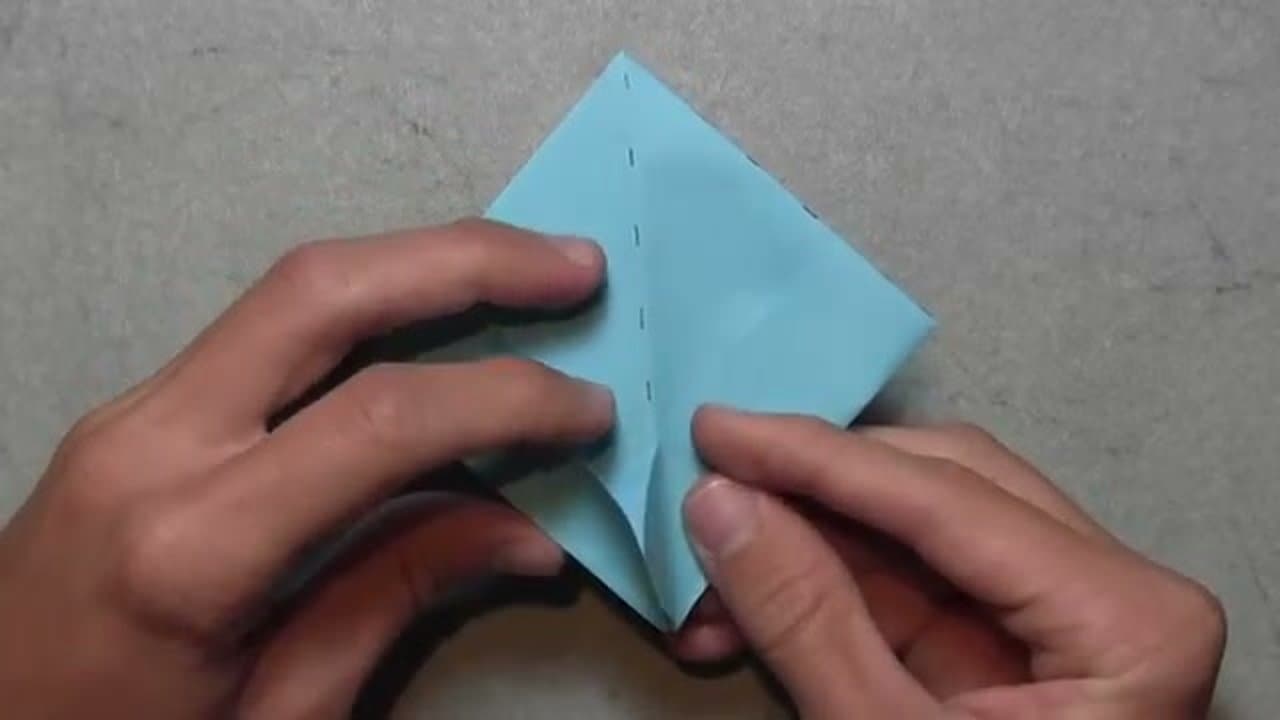
- Fold that bottom rectangle up against the triangle. Flip and do the same on the back.
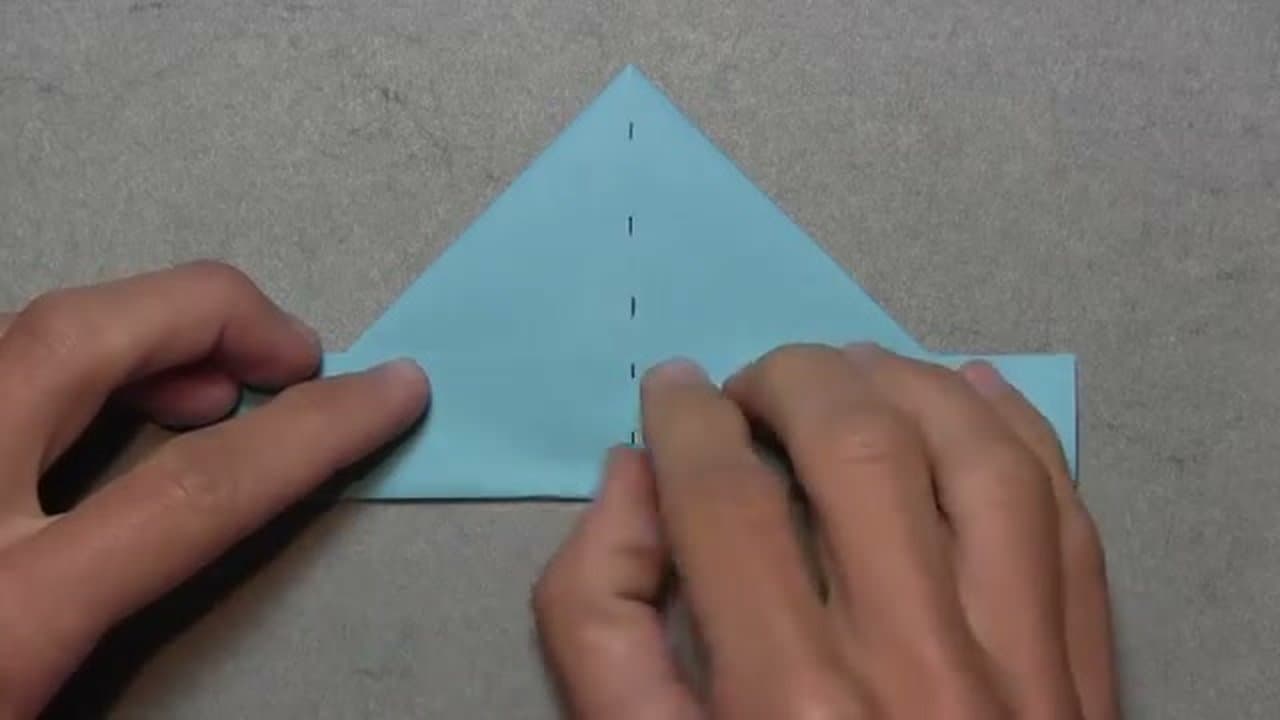
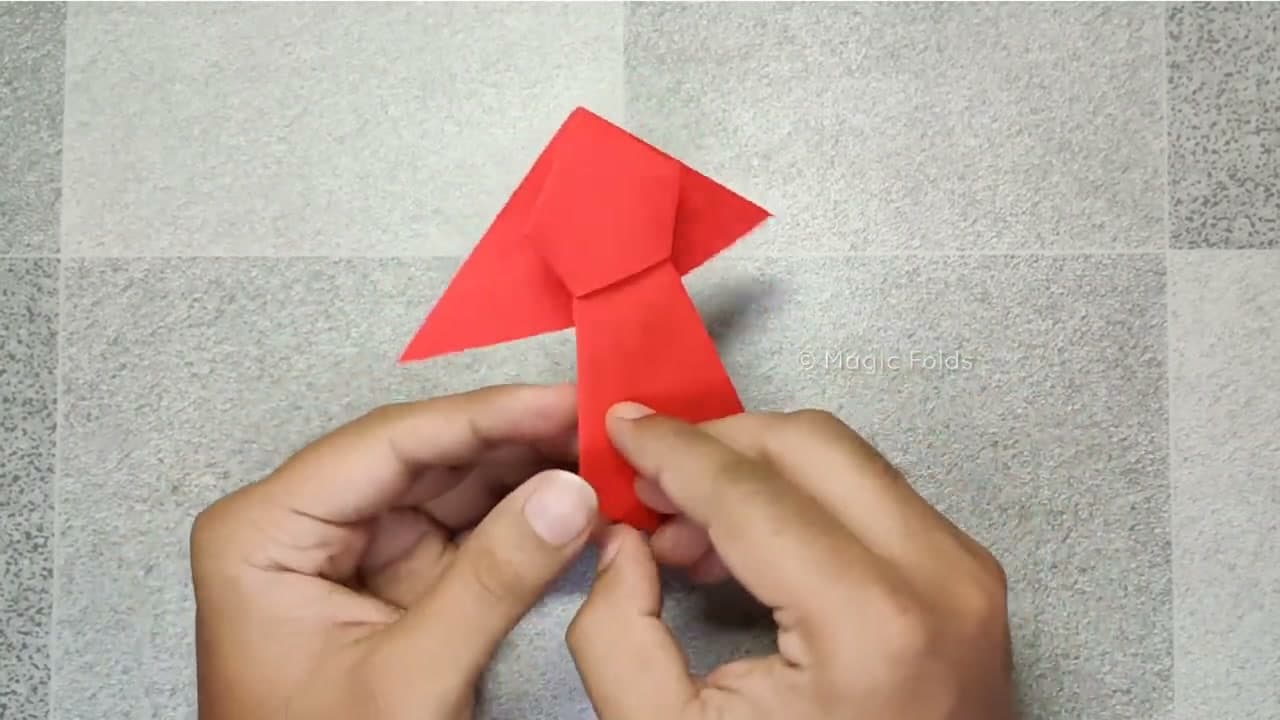
- Open the triangle from underneath and squash it flat into a diamond.
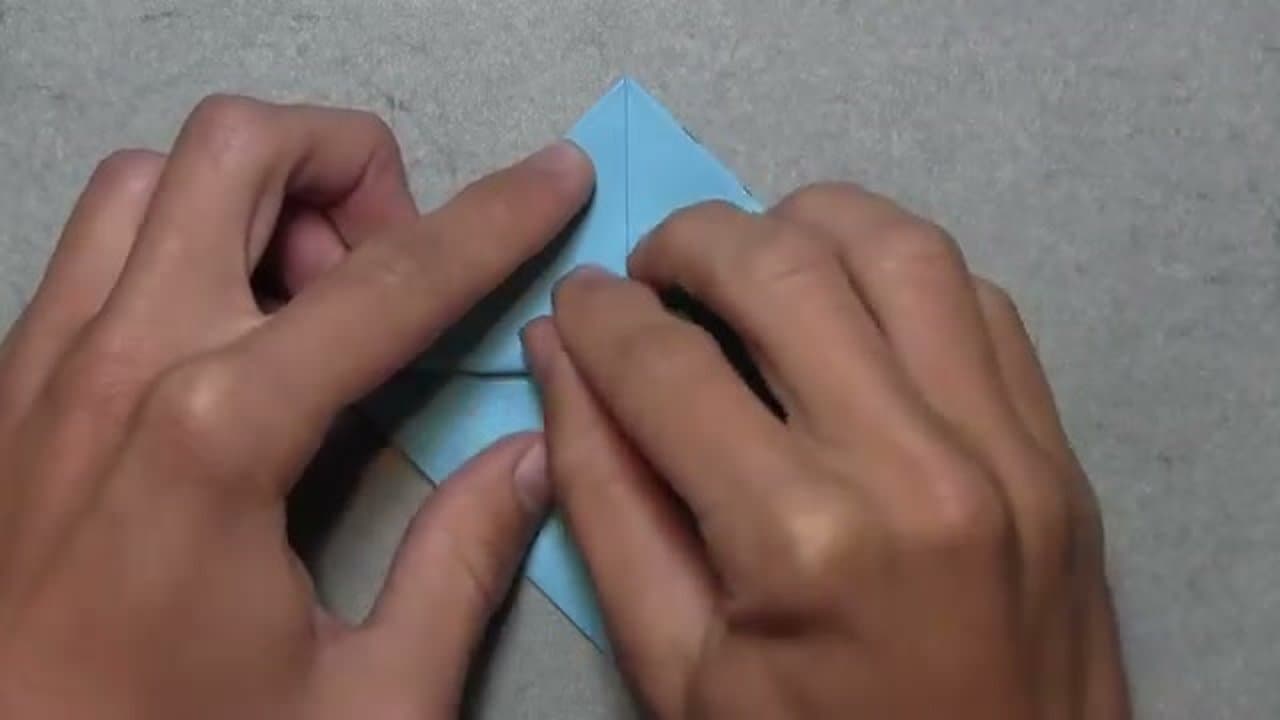
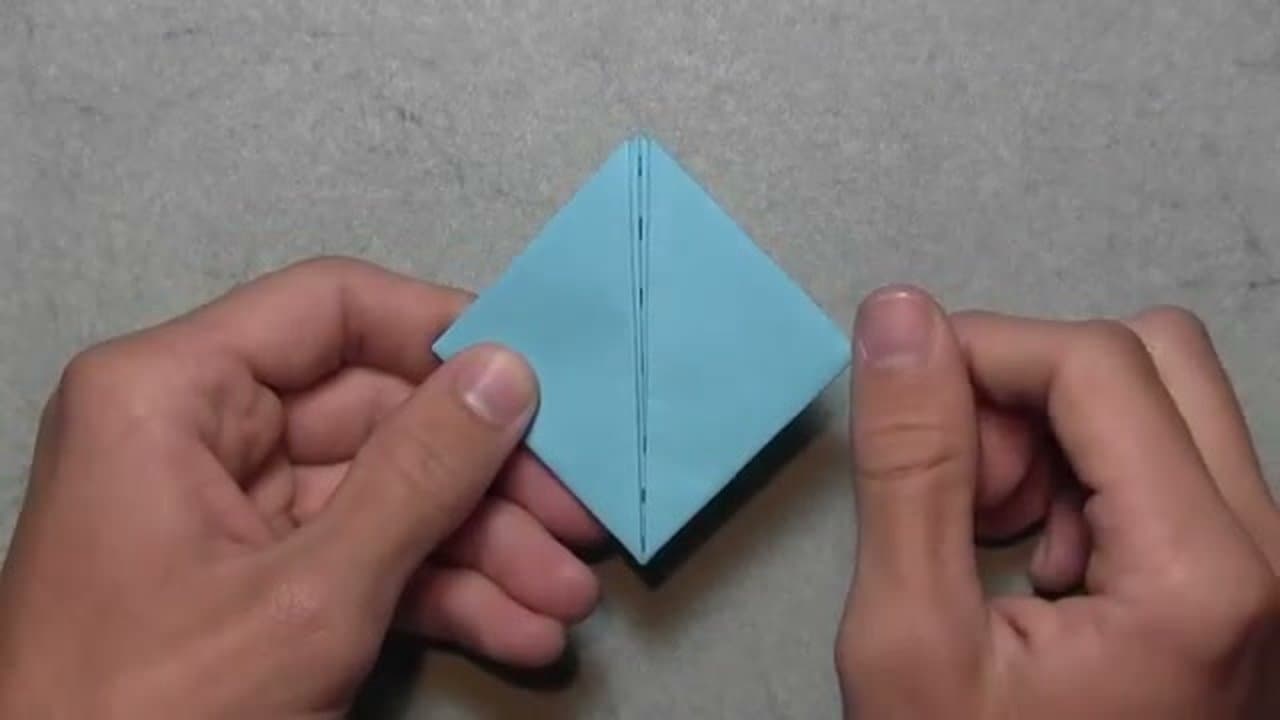
- Fold the bottom corner of the diamond up to the top. Both sides.
- Open it from underneath again and squash into a second, smaller diamond.
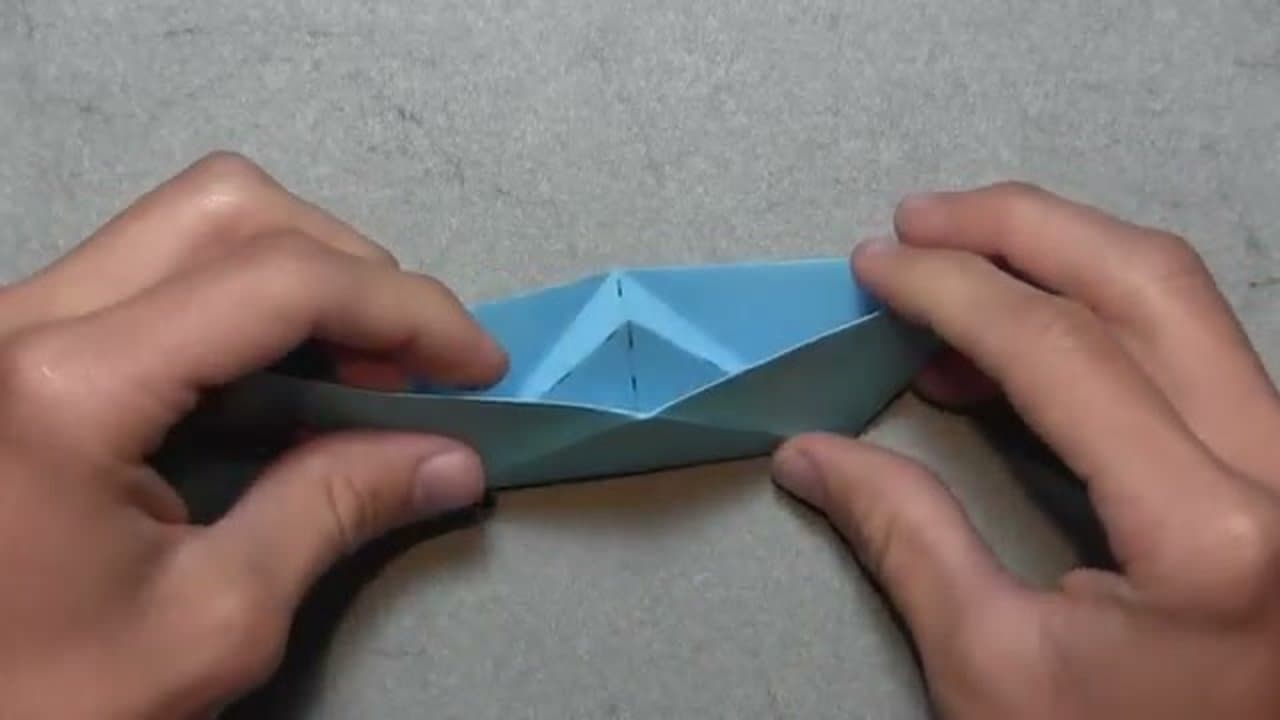
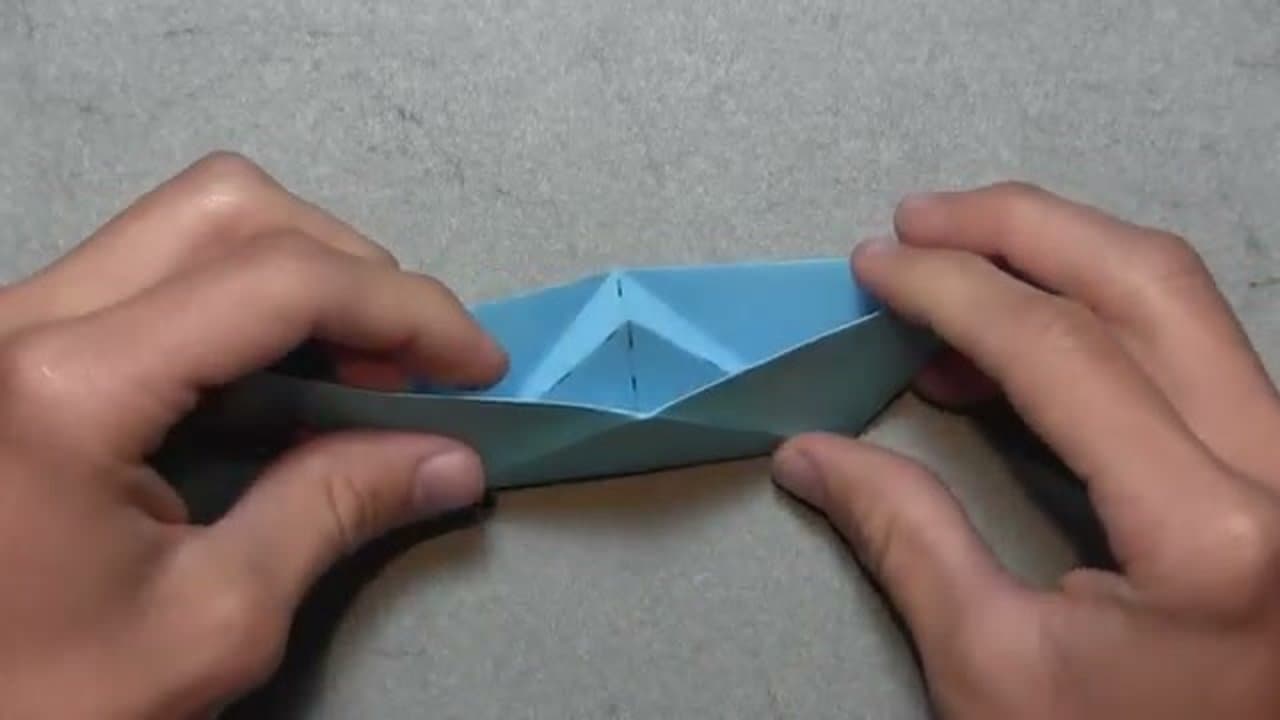
- Hold the two top points and pull them apart. The hull opens up under your hands.
That last pull is the moment it stops being a folded triangle and becomes a boat. Go slowly. Pull too hard and you tear the seam at the bottom.
The Two Folds People Get Wrong
Almost every failed paper boat fails in the same two places.
The squash fold. Steps 4 and 6 both ask you to open a triangle from underneath and flatten it into a diamond. People try to fold it flat instead of opening it first. Put your thumb inside the pocket, spread it, and let the paper find its own creases. It wants to go.
Uneven bottom folds. In step 3 the two flaps have to line up. If one sits higher than the other, the finished hull is lopsided and the boat rides at an angle. Match them before you crease.
Which Paper Floats Longest
Ordinary printer paper gives you five to ten minutes on water before the hull goes soft. That is fine for a bathtub. It is not fine for a creek.
If you want the boat to survive, the ranking runs like this:
- Wax paper or freezer paper. Floats longest by a wide distance. Harder to crease sharply, so the folds look softer.
- Magazine or catalog pages. The clay coating on glossy stock resists water far better than plain paper, and the sheets are already a good size.
- Printer paper. The default. Sharp folds, short life.
- Newspaper. Folds well at large sizes and makes a great big boat, but it is the fastest to sink.
How to Waterproof a Paper Boat
Two options, both cheap. Rub a white candle over the outside of the finished hull until the surface looks slightly waxy, then set it on the water. The wax sheds water at the fold lines, which is where soaking starts.
Or brush the outside with clear nail polish or a thin coat of mod podge and let it dry fully. This makes the hull stiff and buys you an hour or more, though it changes the look.
Do not waterproof the inside. Water gets in over the sides, not through the bottom, and a sealed interior just traps it.
Origami Boat or Paper Boat?
Same fold, two names. People search for a folded boat as an origami boat, a paper boat, and a boat out of paper, and they all land on this design. Traditional Japanese origami works from a square, so a purist would call this a Western fold. Nobody at a puddle cares.
There is a separate fold called the origami sampan that uses a square and turns inside out at the end. If you came looking for a boat with a canopy on it, that is the one you want, and it is a harder fold.
When the Boat Sinks Right Away
Three usual causes.
The bottom seam has a tear. Look at the underside where you pulled the boat open. If the paper split, water comes straight in. Fold a new one and pull more gently.
The hull is not opened all the way. A half-opened boat has a narrow base and tips over. Push the flat bottom out between your fingers until it is genuinely flat and the boat sits level on a table.
The paper is too thin. Tissue paper and newsprint go translucent in seconds. Move up to printer weight.
Three Variations Worth Trying
Once the basic hull is automatic, these use the same seven steps.
- Boat with a sail. Stop at step 6 and cut a small triangle from a second sheet. Slot it over one of the raised points.
- Double boat. Fold two hulls from half-sheets and slide one inside the other for a catamaran that is much harder to tip.
- Giant newspaper boat. A full broadsheet folds into a hull big enough to hold a tennis ball. Same seven steps, larger creases, and it makes a genuinely impressive gutter racer after a storm.
Set a few on a puddle and race them. That is the entire point.