How to Make a Paper Snowflake

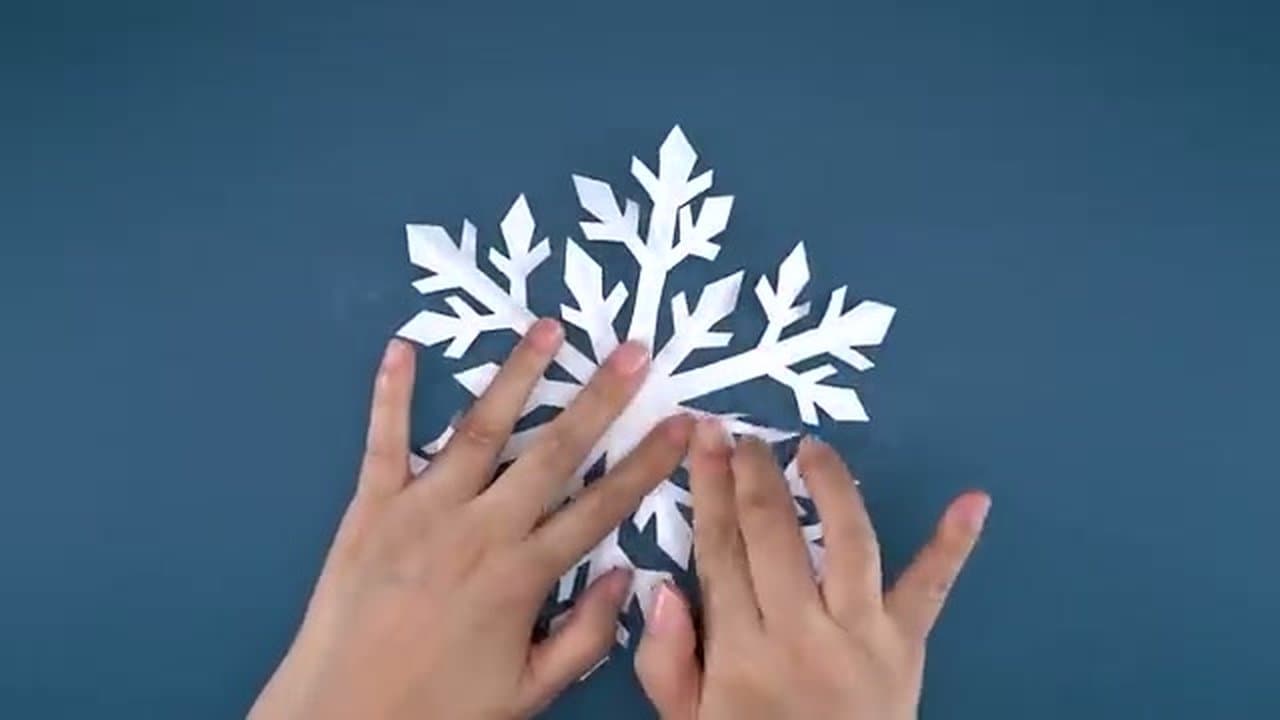
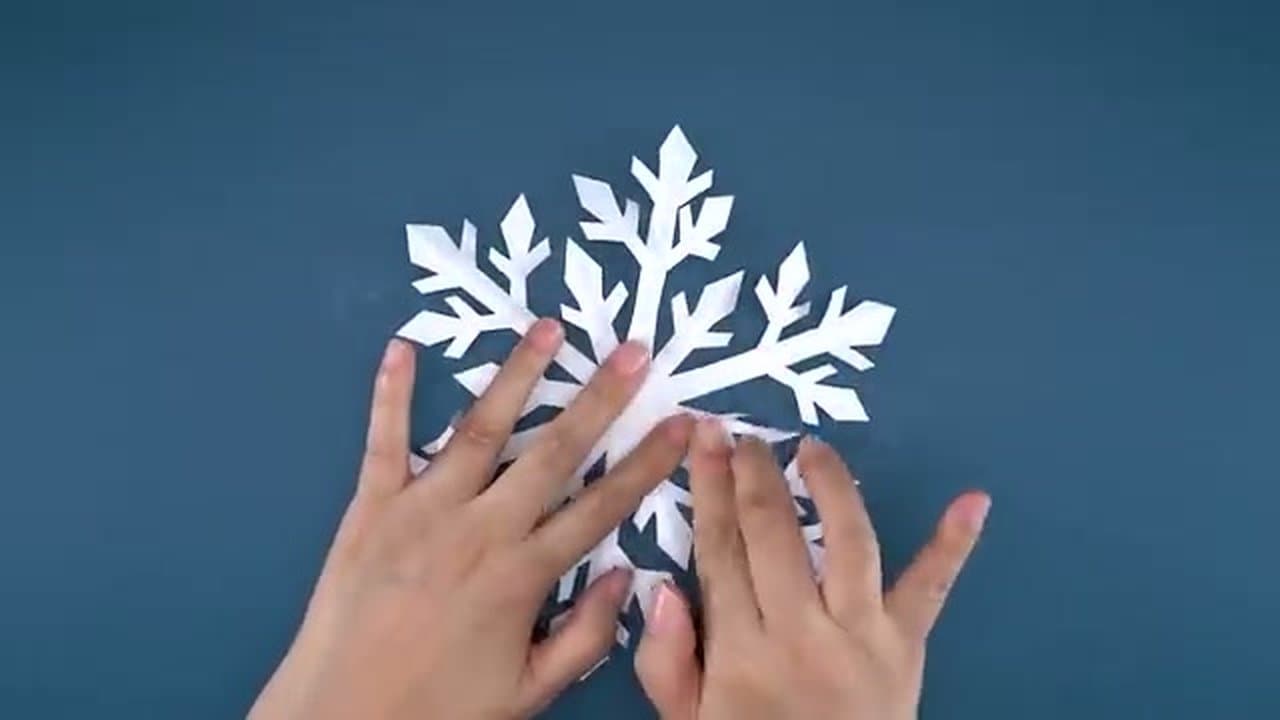
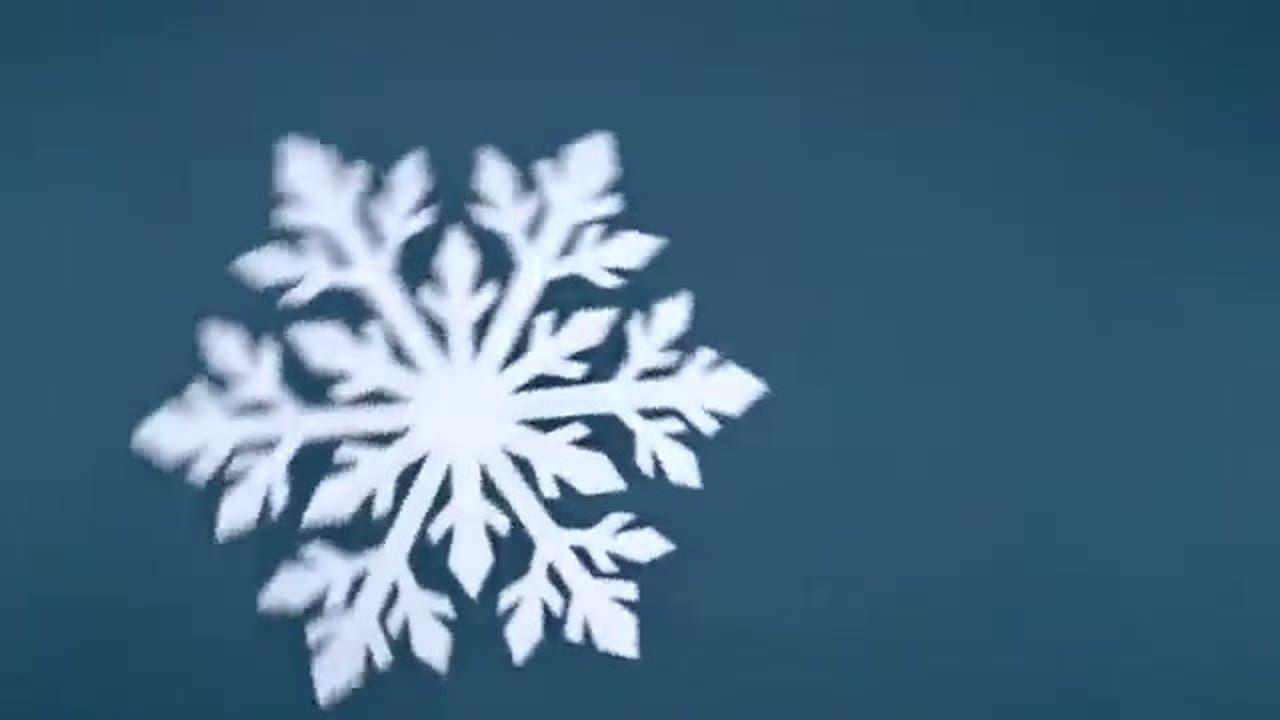
The finished result: How to Make a Paper Snowflake
Also in:Crafts

By CraftingStepByStepPublished Updated

Based on a video by Wonder Crafts.

Paper snowflakes are one of those crafts that look complicated but really come down to two skills - folding into the right starting shape and cutting clean lines. The folding builds the six-fold symmetry that makes the snowflake look real; the cuts you make decide whether you get a delicate filigree or a chunky cartoon.

This walkthrough is from Wonder Crafts on YouTube. The technique is the classic six-fold method - fold a square in half three times into a narrow wedge, sketch a design along the folded edges, cut, and unfold.

One sheet makes one snowflake. Cut a few at once for a window display - they look great taped to a window with daylight coming through.

How to Fold Paper for a Snowflake

The fold is the whole trick. Cut into a square of paper folded the wrong number of times and you get a four-pointed or eight-pointed star, which is pretty but is not what snow does. Real snowflakes are six-sided, and six points come from folding the paper into thirds.

Square sheet, folded in half diagonally into a triangle. Fold that triangle in half again. Now the tricky part: fold the resulting triangle into thirds, overlapping the two outer flaps like you are folding a letter. The wedge you end up with has six layers of paper in it, and every cut you make passes through all six.

Getting the thirds even takes a couple of tries. Fold one side over by eye, then bring the other side across and adjust both before you crease anything. A wedge that is off by a few degrees still makes a good snowflake, so do not chase perfection here.

How to Cut a Paper Snowflake

Cut the top edge straight across first. That flat cut is what turns the wedge into a snowflake instead of a floppy triangle, and cutting it at a slight angle instead of straight gives you longer, spikier arms.

After that, every cut is a notch taken out of one of the three edges. Notches on the two folded edges become the interior holes. Notches on the single open edge become the outline of the arms. That is the entire logic of it.

  • Leave paper between your cuts. If two notches meet, the snowflake falls into pieces when you unfold it. Aim to leave at least a few millimetres of paper anywhere two cuts get close.
  • Cut deep, not wide. Long thin notches make delicate filigree. Short wide ones make a chunky snowflake that reads as a blob from across the room.
  • Vary the shapes. Triangles, curves and squared-off slots in the same snowflake look far more like real snow than six identical triangles.
  • Small sharp scissors beat big ones. Six layers of paper is a lot to push through, and kitchen scissors will crush the folds.

If the paper is too thick to cut through cleanly, cut the outline first, unfold once so you are working through three layers instead of six, then cut the interior holes.

Snowflake Templates and Patterns

You do not need a printable template to make a good snowflake, and most people who go looking for one are really after ideas for what to cut rather than lines to trace.

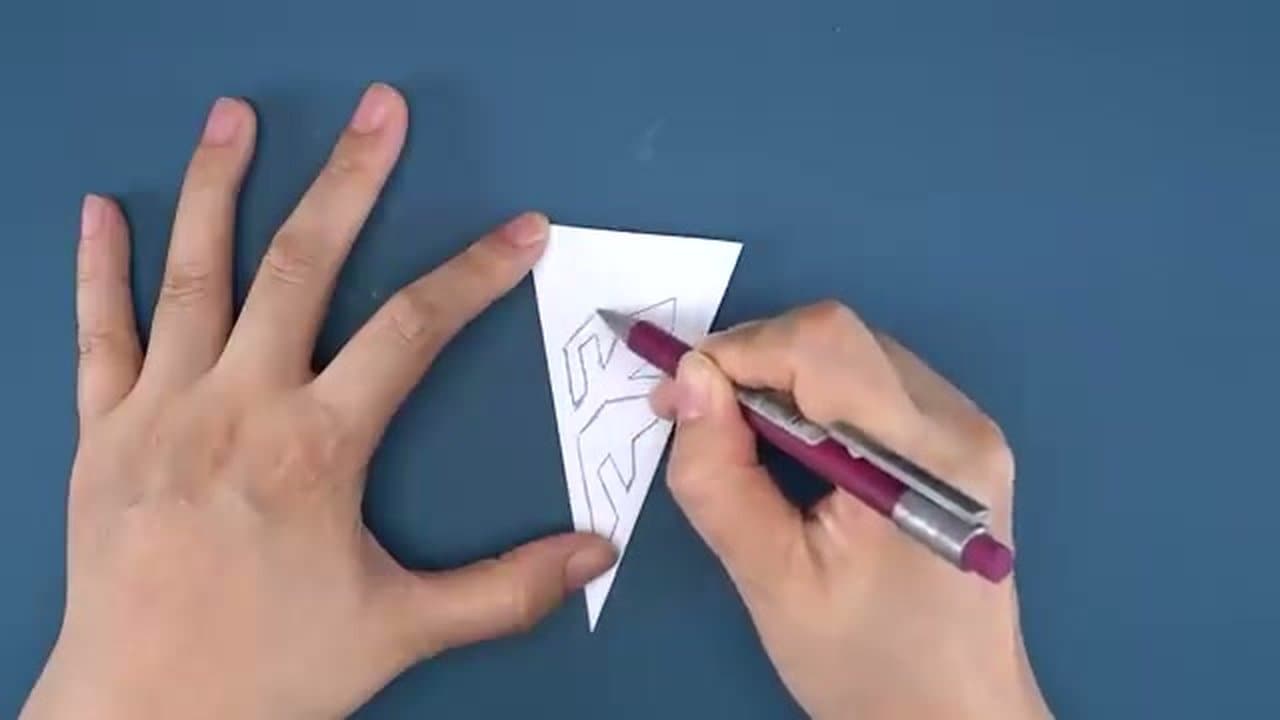
Sketch your design on the folded wedge in pencil before you cut anything. That is your template, it costs nothing, and it means you can rub out a shape you do not like instead of throwing away a ruined snowflake. Draw the notches you want on each of the three edges, check that none of them meet, then cut along the pencil lines.

To repeat a design you liked, unfold the finished snowflake, flatten it under a book, and trace one sixth of it onto a fresh wedge. That gives you a reusable pattern in your own hand, sized to the paper you actually use.

Three patterns worth knowing, because they cover most of what people picture:

  • Classic filigree: many thin notches along both folded edges, a pointed tip, nothing cut wider than about a third of the wedge.
  • Star: one big deep notch on each folded edge near the tip, leaving six long arms with a solid centre.
  • Lace: rows of small circles and slots punched through the middle of the wedge rather than cut in from the edges. Use a hole punch for the circles.

An Easy Paper Snowflake for Younger Kids

The six-fold wedge is hard for small hands to cut through. Drop to four folds instead: square, half diagonally, half again, and stop there. You get four layers and a four-pointed snowflake, which no child has ever complained about.

Thinner paper helps more than sharper scissors. Standard printer paper is easier than construction paper, and tissue paper is easier still, though it tears if you unfold it roughly.

Let them cut freely rather than following a sketched design. Random notches on a folded wedge come out symmetrical no matter what, which is the part that feels like magic when the paper opens up.

How to Make a 3D Paper Snowflake

The 3D version is a different craft that shares a name. It is built from six square sheets rather than cut from one.

Fold each square in half diagonally twice, then cut three slits parallel to the open edge, stopping short of the fold. Open the square flat. Roll the innermost pair of flaps together and tape them into a tube, flip the sheet, roll the next pair the other way, and keep alternating until all four pairs are joined. That gives you one arm.

Make six arms. Staple them together at the centre in two groups of three, join the groups, then tie the outer points of neighbouring arms together so the whole thing holds its shape. Hang it from the middle with fishing line.

It takes about half an hour and looks like it took longer, which is the best kind of Christmas decoration.

Paper Bag Snowflakes

Twelve brown paper lunch bags, a glue stick and one cut make a snowflake nearly two feet across.

Stack the bags flat. Run a stripe of glue up the middle of each bag, from the bottom edge to about two thirds of the way up, and press the next bag on top. Glue all twelve into one block. Cut the open end of the stack into a point or a set of notches, exactly as you would cut a folded wedge.

Now fan the stack open into a circle and glue the first bag to the last. The bags spread into a huge starburst. Hang it flat against a wall or a window - it is too big and too light to hang free.

Which Paper Works Best

Ordinary printer paper is the right default. It folds crisply, cuts cleanly through six layers, and is stiff enough to hang without curling.

Origami paper gives you colour on one side and white on the other, which looks good against a window. Tissue paper makes the most delicate snowflakes and the most frustrating cutting. Card stock is a mistake at six layers unless you cut in two passes.

Whatever you use, trim it to a true square first. A rectangle folded diagonally leaves a strip along one edge, and that strip throws off the symmetry of every cut after it.

Flattening and Hanging Them

Fresh snowflakes hold the memory of the folds and sit open like a fan. Press them flat under a stack of books overnight, or run a warm dry iron over them with a sheet of paper on top.

For windows, a small loop of tape at the centre holds better than tape on an arm, which tears. For a hanging display, thread fishing line through one of the interior holes near the centre. Sticky tack marks paint, so keep it off walls you care about.

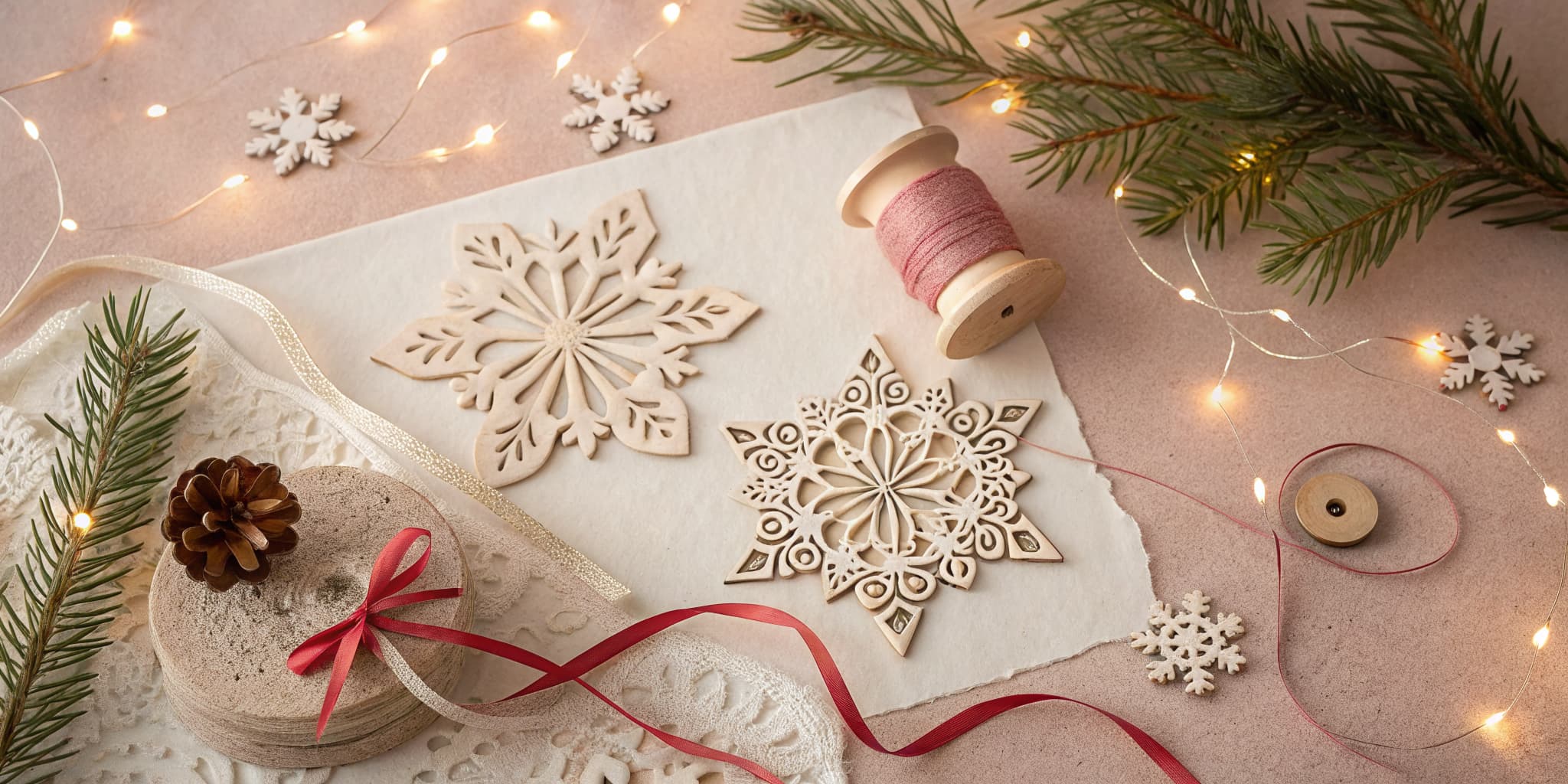
Making a set for the holidays? Salt dough ornaments use the same cookie-cutter logic in a different material, and origami lucky stars fill a jar with the leftover paper strips.
What you'll need

Step-by-Step Guide

8 steps · about 5 minutes.Check off each step as you go and your progress saves automatically.

1

Start With a Square Sheet of Paper

0:15
Step 1: Start With a Square Sheet of Paper - How to Make a Paper Snowflake

Start with a square sheet of paper. Standard 8.5x11 printer paper works fine - just trim one end so you have an 8.5x8.5 square. Origami paper or thinner craft paper also works well.

Thin paper cuts cleaner and is easier to fold tightly through multiple layers. Card stock is too thick for this technique.

Tip

For really crisp folds, run a fingernail or bone folder along each crease. Sloppy folds at the start lead to crooked snowflake arms at the end.

2

Fold the Square in Half Diagonally

0:30
Step 2: Fold the Square in Half Diagonally - How to Make a Paper Snowflake

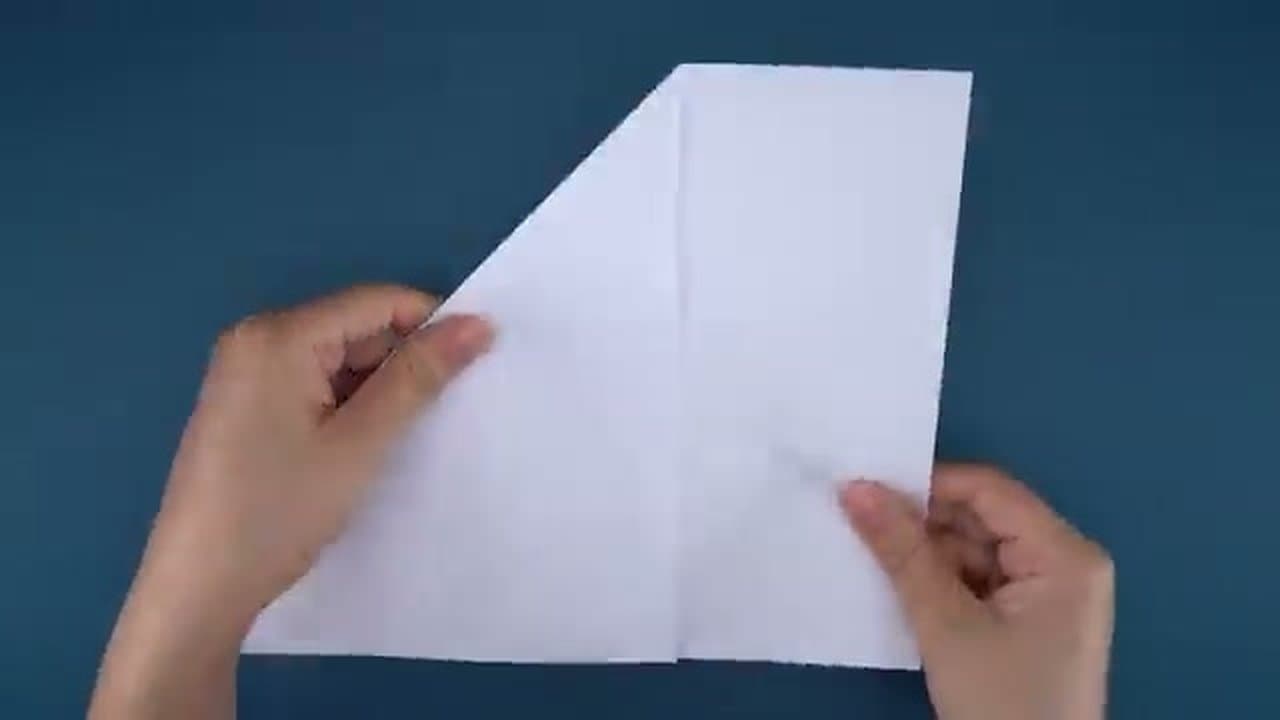
Fold the square in half along the diagonal so you end up with a triangle. The folded edge runs along one of the sides; the long open edge runs along the bottom.

Press the crease firmly. This first fold sets up the symmetry for everything that follows.

Tip

Match the corners exactly before pressing the crease. A few millimeters off here means the finished snowflake won't be quite symmetrical.

3

Fold the Triangle in Half Again

0:50
Step 3: Fold the Triangle in Half Again - How to Make a Paper Snowflake

Fold the triangle in half again, bringing one of the bottom corners up to meet the other. You now have a smaller triangle with the folded edge at the bottom and the open corners at the top.

This second fold creates the four-fold symmetry. The next fold takes it to six-fold, which is what makes paper snowflakes look like real ice crystals.

Tip

If you stop here and cut, you get a four-pointed snowflake instead of six. That's a thing you can do too - but the six-pointed version looks more like a real snowflake.

4

Fold Into Thirds

1:15
Step 4: Fold Into Thirds - How to Make a Paper Snowflake

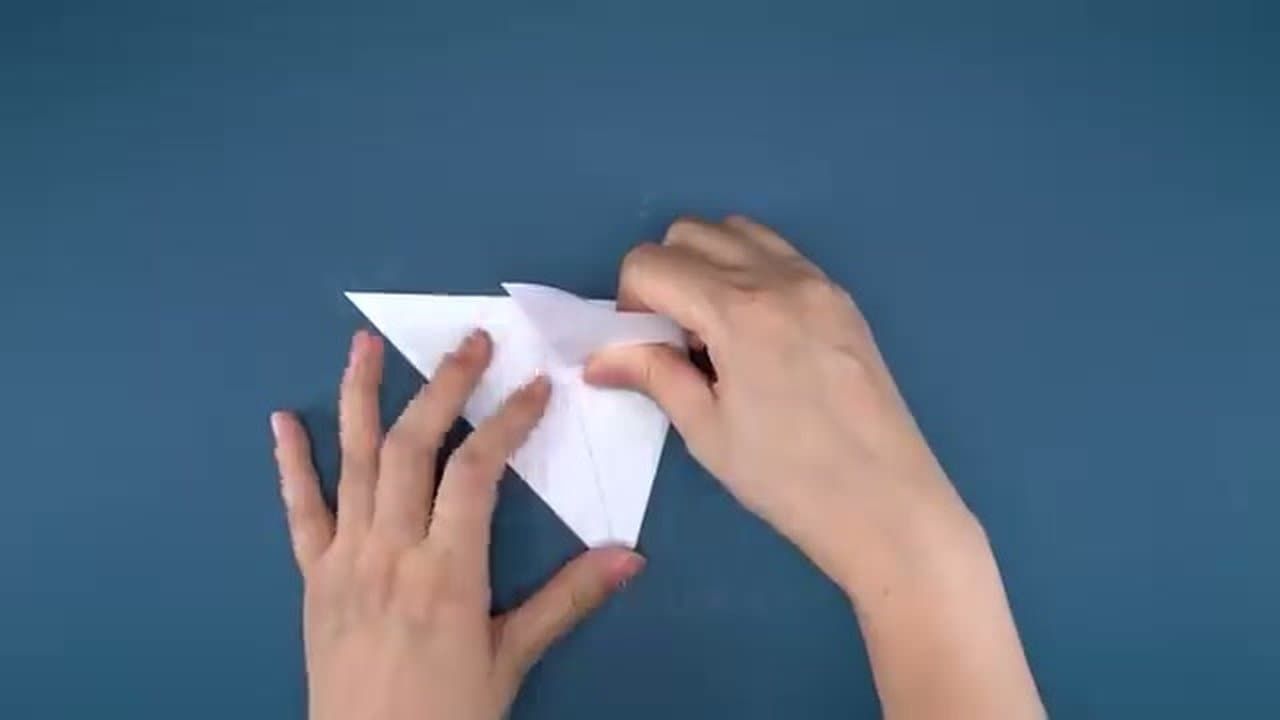
Now fold the triangle into thirds. Take the right corner and fold it across the front so its edge sits at about one-third of the way across the triangle. Then fold the left corner over the top of the right fold.

The result is a long narrow wedge with overlapping flaps at the top. This is your snowflake blank.

Tip

The thirds don't have to be exact. As long as both side folds match each other, the snowflake stays symmetrical. Eyeball it and adjust before pressing the creases.

5

Trim the Top Straight

1:40
Step 5: Trim the Top Straight - How to Make a Paper Snowflake

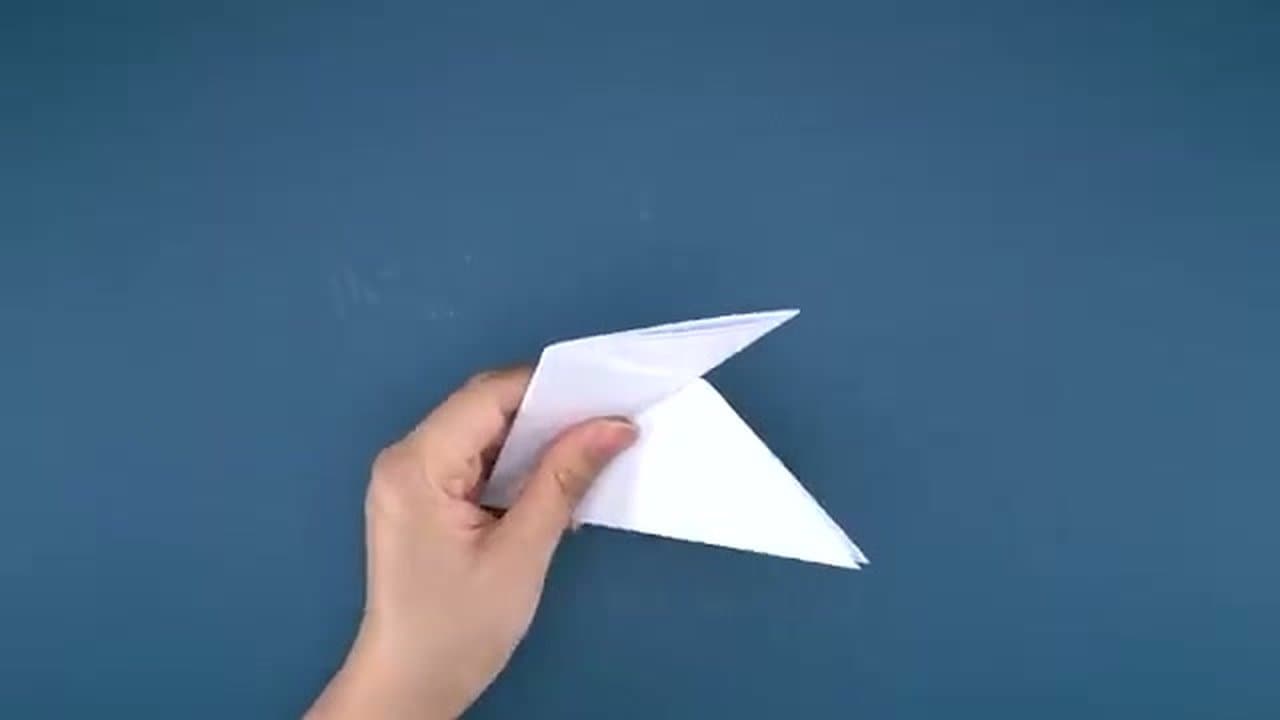
Look at the top of the wedge - it has uneven points sticking up from the third folds. Cut straight across with scissors to even them off.

The angle you cut here decides the outer edge of the snowflake. A flat cut gives a hexagonal silhouette; a slight V-cut gives points; a curved cut gives rounded arms.

Tip

Cut a slight V into the top edge for the most snowflake-looking outer shape. The two outer points become the tips of the snowflake arms when you unfold.

Used in this stepsharp craft scissors
6

Sketch the Snowflake Design

2:10
Step 6: Sketch the Snowflake Design - How to Make a Paper Snowflake

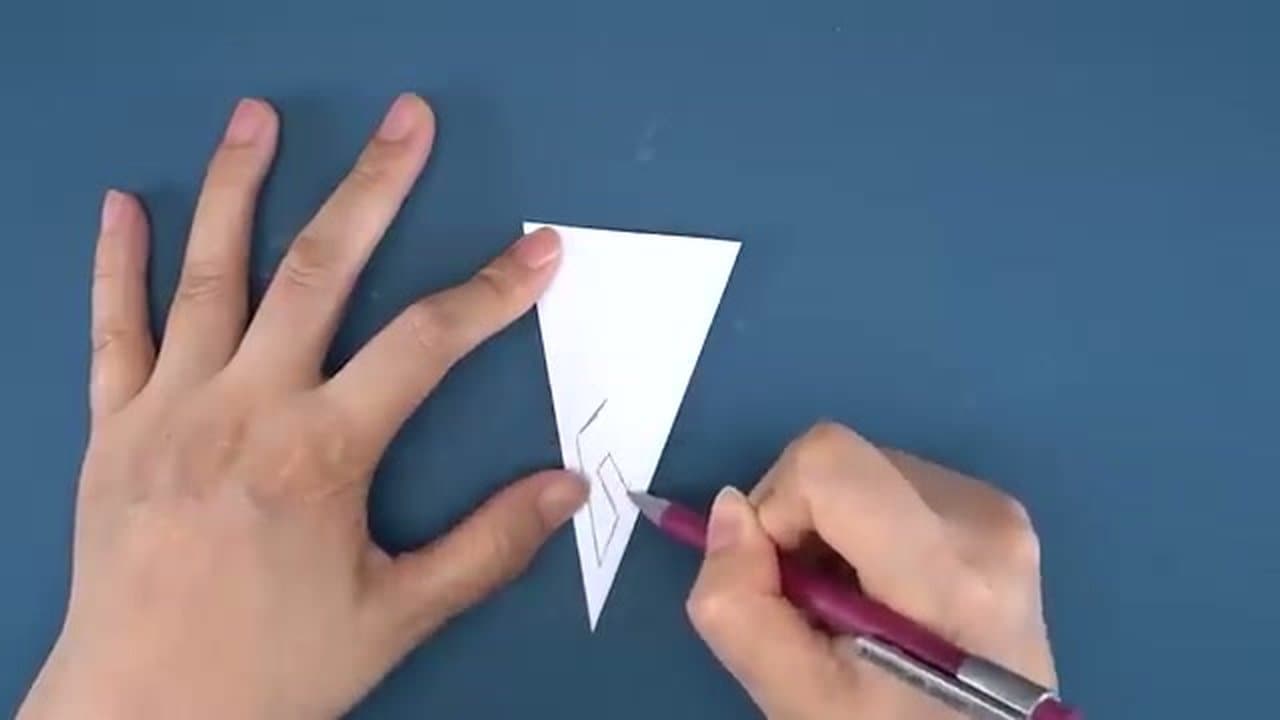
Take a pencil and sketch shapes along the two folded edges of the wedge. Anywhere you cut INTO a folded edge becomes the negative space of the snowflake when you unfold.

Try chevrons, small diamonds, triangles, and short rectangles. The classic snowflake look uses 3 to 5 shapes per side, alternating between the two folded edges.

Tip

Don't cut all the way across the wedge - that would chop the snowflake in half. Leave at least a thin spine of paper running down the center.

7

Cut Along the Lines

3:20
Step 7: Cut Along the Lines - How to Make a Paper Snowflake

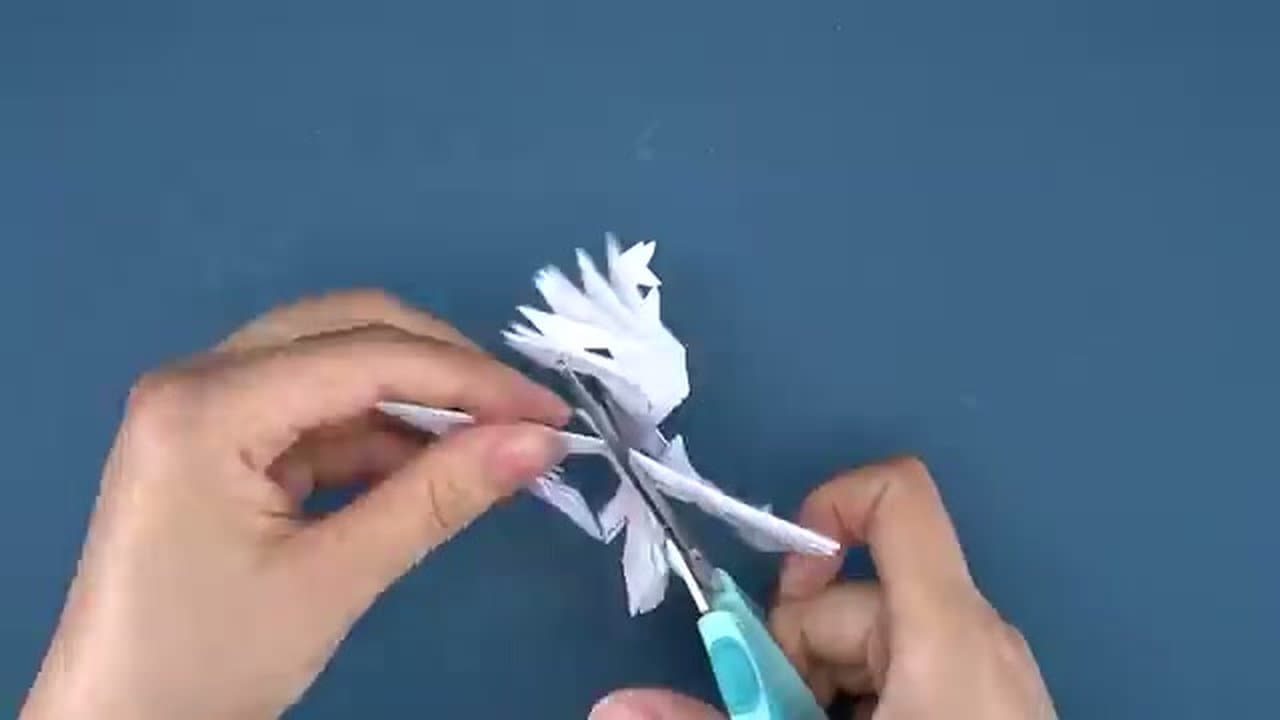
Cut along the pencil lines with sharp scissors. Press the layers firmly together with one hand while the other hand cuts. The wedge has six layers of paper at this point - sharp scissors make a real difference.

Take it slow on the smaller cuts. Clean clean cuts give crisp snowflake edges; ragged cuts ruin the effect.

Tip

If your scissors are dull or the paper is thick, cut each shape in stages - rough cut first, then come back and refine.

8

Unfold and Press Flat

4:00
Step 8: Unfold and Press Flat - How to Make a Paper Snowflake

Carefully unfold the wedge. Each cut you made repeats six times around the center to form the symmetrical snowflake.

Press it flat under a heavy book for a few minutes to flatten the creases. Tape to a window or string it up with thread for a winter display.

Tip

Cut multiple snowflakes from different paper sizes for a window cluster. A mix of large, medium, and small snowflakes looks more natural than identical ones.

Keep going

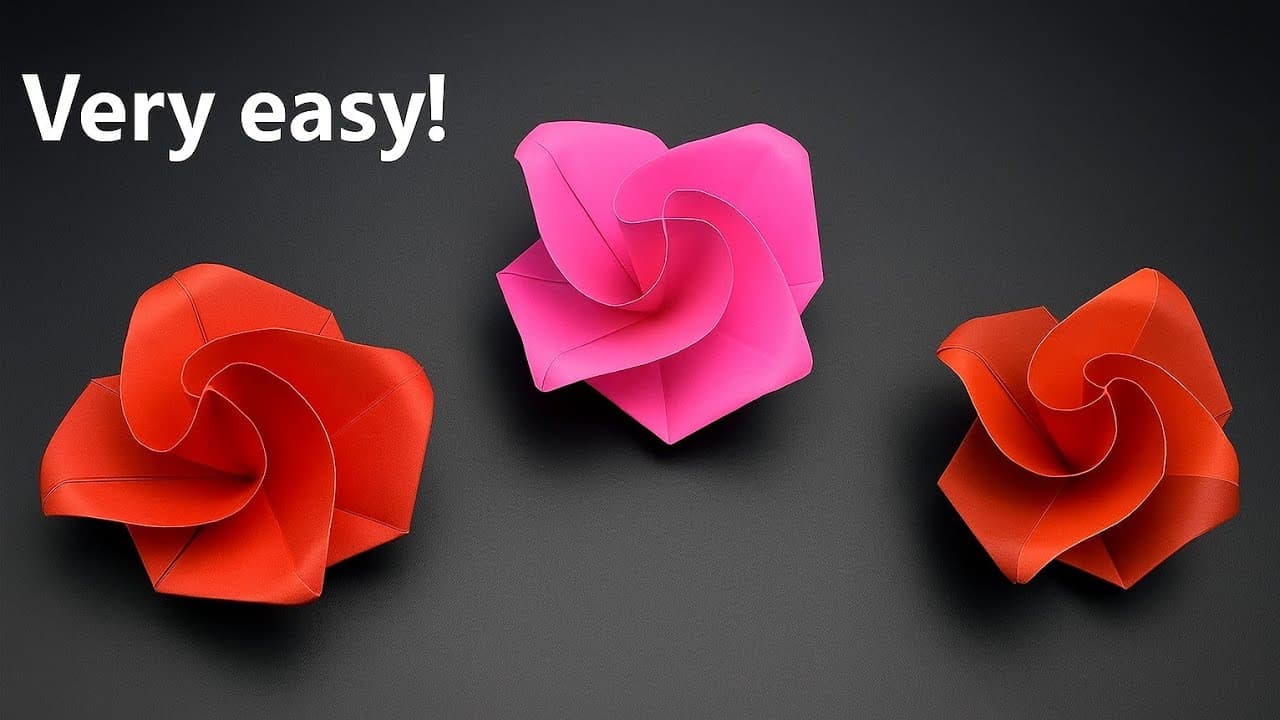
How to Make Paper Flowers (Origami Rose)

8 steps · about 11 minutes

Products Used

The Checklist

How to Make a Paper Snowflake

Tools
2
Materials
1
Steps
8
Video
5 min

Tools we recommend

Your Guide

Wonder Crafts

As an Amazon Associate we earn from qualifying purchases. Links on this page may be affiliate links - clicking them and buying doesn't change your price, but helps support CraftingStepByStep.

Tags

Sunday How-To

New paper crafts tutorials, every Sunday

One short email with the week's best step-by-step guides. Free, no spam, unsubscribe anytime.

Test your knowledge

Did the lesson stick? Start with this one.

5 questions covering what you just read. No signup, no score saved, and you can stop after this one.

Question 1 of 5

What gives a paper snowflake its 6-fold symmetry?

Quick reference

Key takeaways from How to Make a Paper Snowflake

5 questions, answers, and one-line explanations. Tap to expand.

  1. 1.What gives a paper snowflake its 6-fold symmetry?

    Answer: After folding in half diagonally then in half again, you fold the triangle into THIRDS (right corner across, left corner over)

    Diagonal fold + half fold + thirds = 6-fold symmetry. Each cut you make repeats six times around the center.

  2. 2.Why does CARDSTOCK NOT work for paper snowflakes?

    Answer: Too thick - you cannot fold tightly through multiple layers and the scissors cannot cut six layers cleanly

    Standard printer or origami paper folds cleanly through 6 layers. Cardstock cannot fold tight enough and cuts ragged.

  3. 3.What does cutting INTO a folded edge become when unfolded?

    Answer: NEGATIVE SPACE - the cut-out becomes the empty shape in the snowflake design

    Anywhere you cut INTO a folded edge becomes a hole; the paper that stays becomes the snowflake arms.

  4. 4.How many shapes per side make a classic snowflake design?

    Answer: 3 to 5 shapes per side, alternating between the two folded edges

    3-5 shapes alternating per edge gives the right complexity without making the snowflake fall apart.

  5. 5.After unfolding, how do you flatten the snowflake?

    Answer: Press it under a heavy BOOK for a few minutes to flatten the creases

    Book press = a soft flat result. Iron can scorch paper.

Did this work for you?

What's next

Related collections

Curated theme pages that include this tutorial.

Weekly Digest

Liked this paper crafts tutorial?

Pick the categories you want to hear about. Weekly digest of new step-by-step tutorials. No spam, easy unsubscribe.

Send me tutorials about

We only email about new tutorials. Easy unsubscribe anytime.