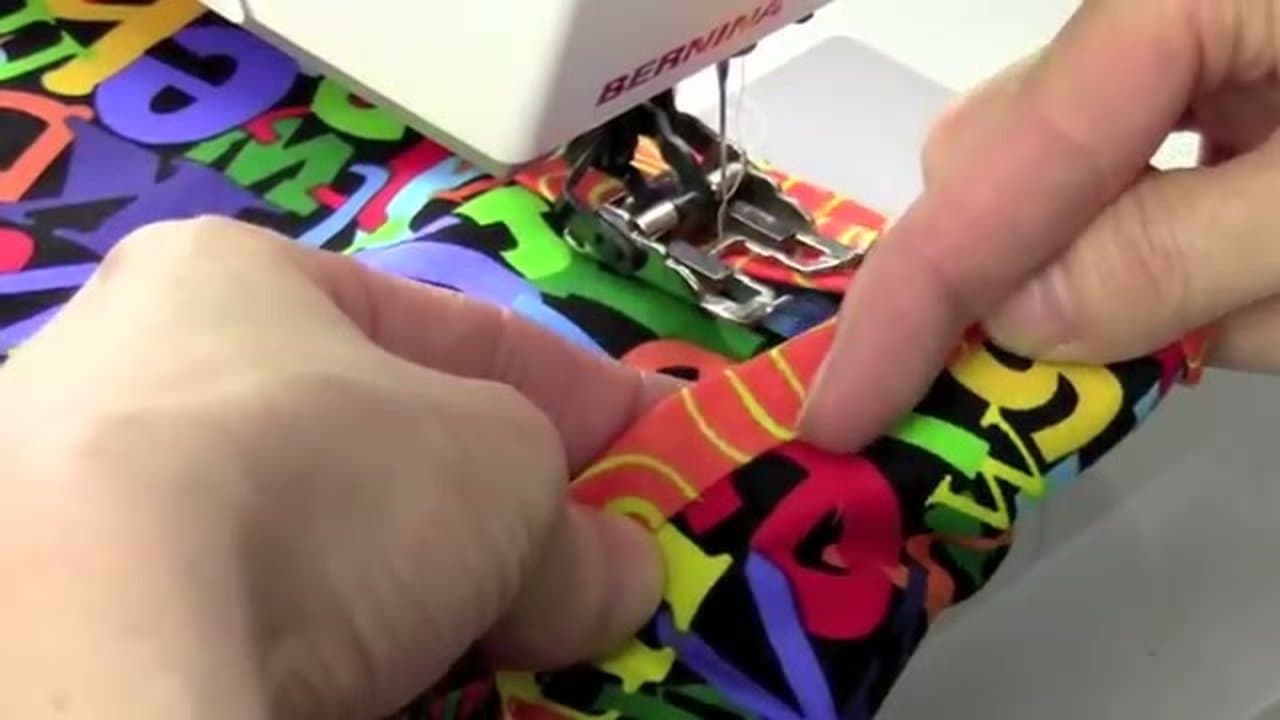
How to Bind a Quilt: 7 Step Beginner Guide

QuiltingMedium6:577 steps
Also in:CraftsSewing

By CraftingStepByStepPublished Updated

Based on a video by HeirloomCreations.

Binding is the last step that takes your finished quilt top from a project to a real quilt - it covers all those raw edges and gives the whole thing a clean, professional finish. The classic double-fold binding with mitered corners looks fancy but the technique is repeatable on every project once you've done it once.

This walkthrough from Heirloom Creations breaks the binding into seven clean steps. The trickiest part is the mitered corners (step 5), but the rest is straightforward sewing once you've got the binding strip prepared.

Step-by-Step Guide

1

Step 1: Cut Binding Strips

0:25
Step 1: Step 1: Cut Binding Strips

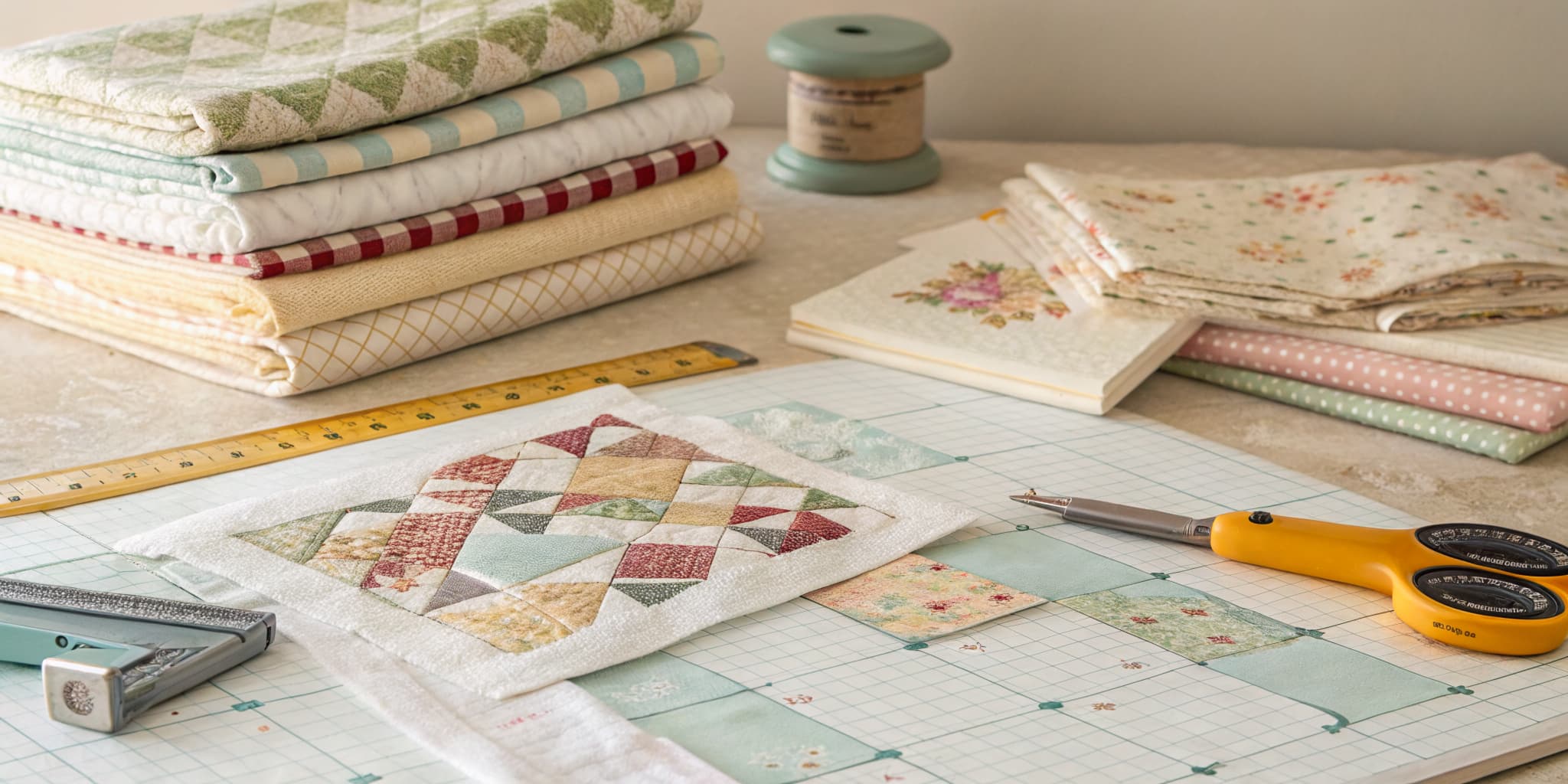
Cut binding strips between 2.25 and 2.5 inches wide using a rotary cutter and quilting ruler against a cutting mat. The narrower 2.25 makes a tighter binding; 2.5 gives more wiggle room when stitching the back down.

You'll need enough total length to wrap all four sides of your quilt with about 12 extra inches for joining and the diagonal overlap at the end. For a lap quilt, plan on roughly 200-220 inches of binding.
Products used in this step

Rotary Cutter Set
Self-Healing Cutting Mat
Quilting Ruler
Quilt Binding Fabric
2

Step 2: Sew Strips Together on the Diagonal

1:10
Step 2: Step 2: Sew Strips Together on the Diagonal

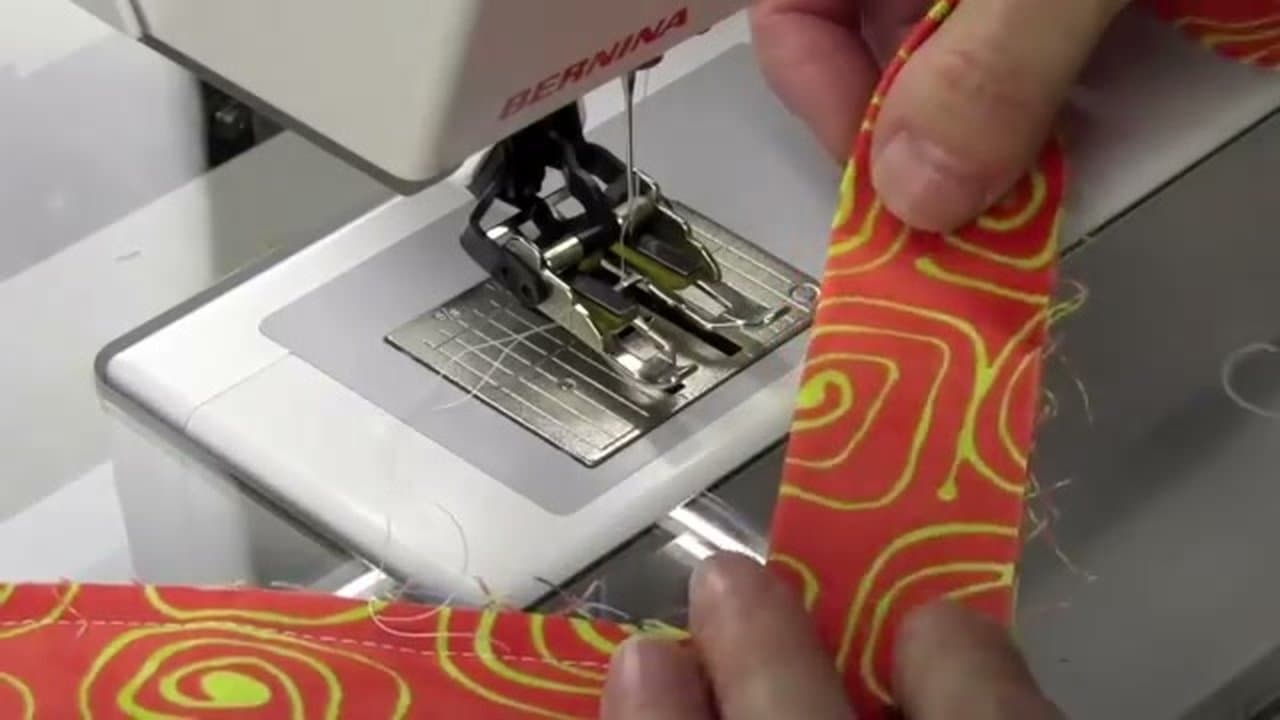
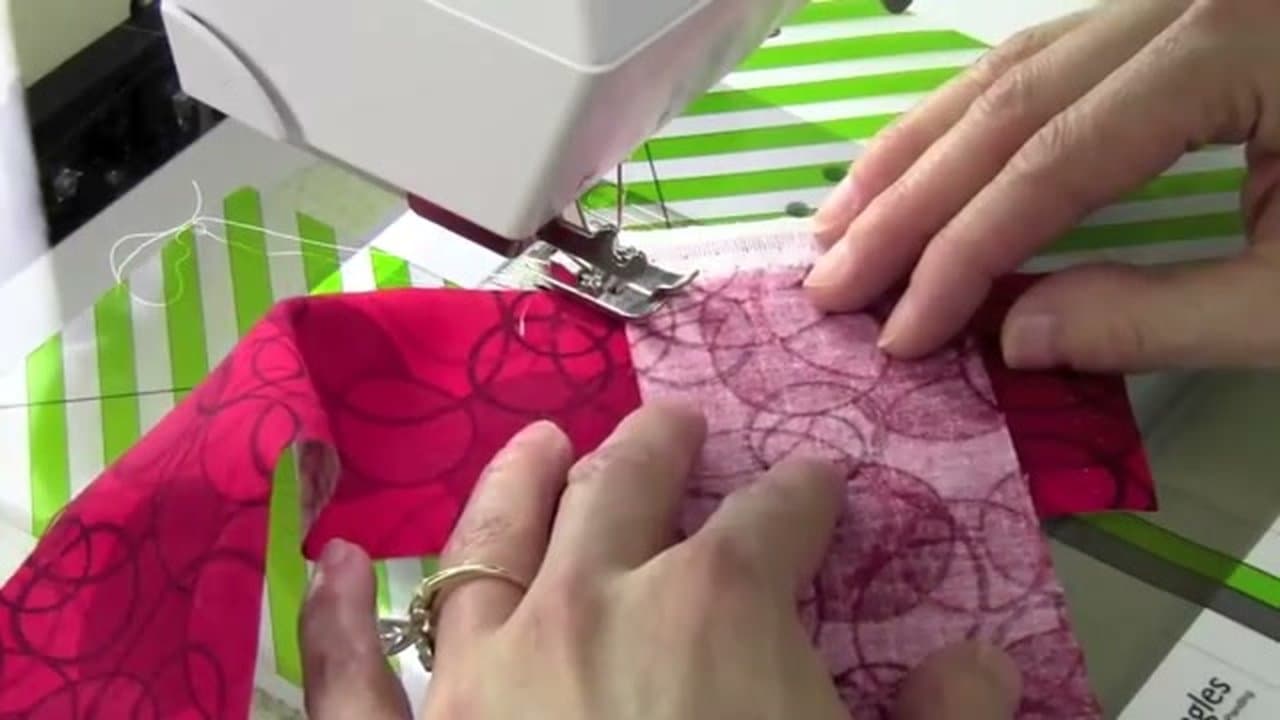
Lay two strips perpendicular to each other, right sides together. Stitch from corner to corner on the 45-degree diagonal so the seams won't bulk up under the binding when you sew it down.

A clearly-perfect-angle tool that sticks to the bed of the machine gives you a guaranteed line, but you can also draw the diagonal with a pencil first. Repeat until all your strips are joined into one long binding piece.

Products used in this step

Sewing Machine
All-Purpose Sewing Thread
Diagonal Seam Tape
3

Step 3: Trim Seams and Press in Half

2:30
Step 3: Step 3: Trim Seams and Press in Half

Trim each diagonal seam allowance to a quarter inch using scissors or a rotary cutter. Press the seams open so they lay flat under the iron - bunched seams cause lumps in the finished binding.

Then press the entire strip in half lengthwise, wrong sides together. You now have a double-thickness binding that's about 1.25 inches wide and ready to attach.

Tip

Wrap the pressed binding around a quilting ruler and tie with a ribbon if you're storing it for later - keeps it neat and uncreased until your quilt top is ready.

Products used in this step

Quilting Iron
Fabric Scissors
4

Step 4: Attach Binding to the Quilt Front

3:00
Step 4: Step 4: Attach Binding to the Quilt Front

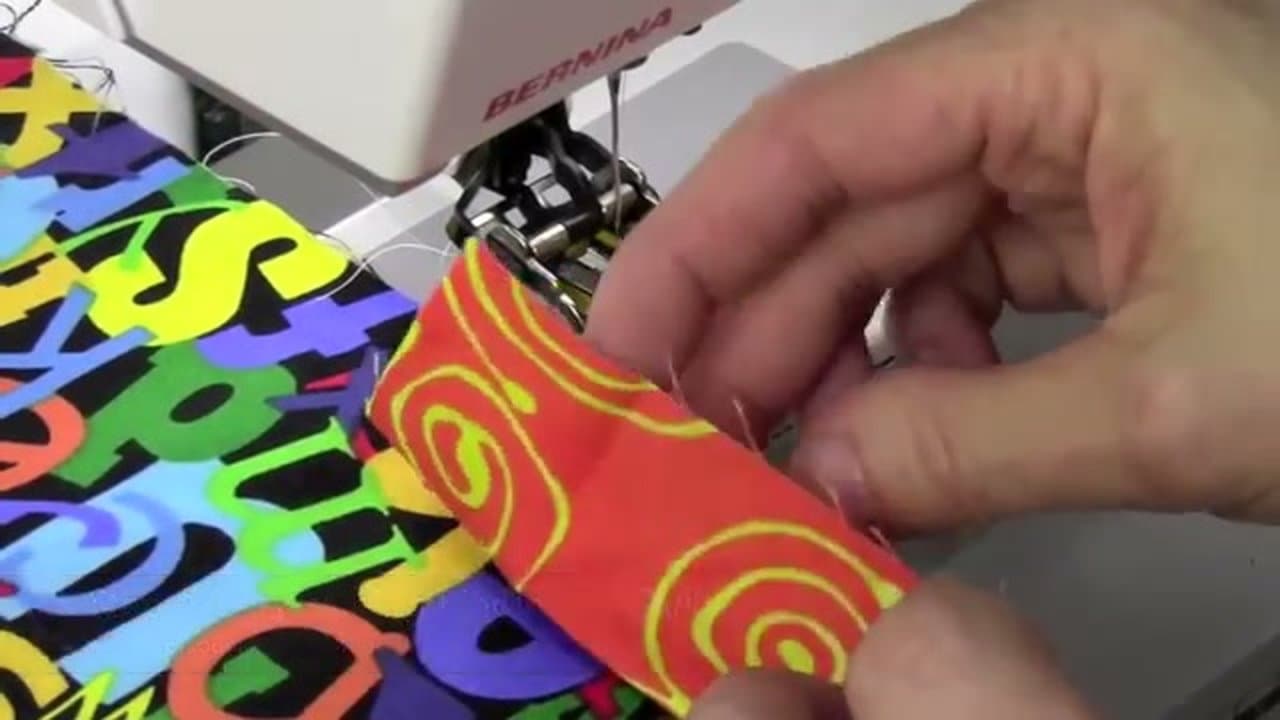
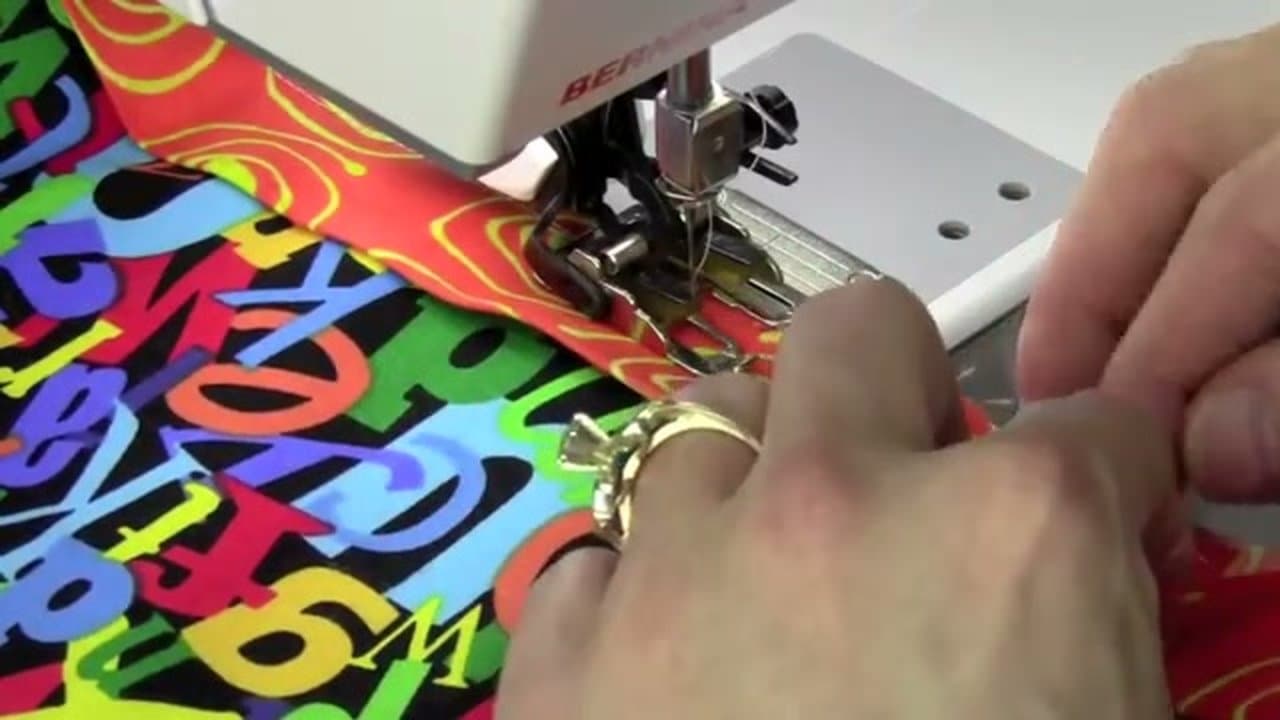
Switch to a walking foot on your sewing machine. Match the binding's raw edges to the raw edges of your quilt's front, leaving a 6-inch tail at the start.

Open up the very top edge of the binding, fold a diagonal corner inward, then refold to recreate the binding shape - this creates a little angled pocket. Start stitching with a quarter-inch seam allowance about 6 inches in from the start of the binding.

Products used in this step

Walking Foot Sewing Machine Attachment
Quilting Pins
Wonder Clips
5

Step 5: Miter the Corners

4:20
Step 5: Step 5: Miter the Corners

As you approach each corner, stop exactly a quarter inch from the edge. Backstitch a couple of stitches and remove the quilt from the machine.

Twist the binding straight up so it forms a 45-degree fold, then fold it back down so the binding edge aligns with the next side of the quilt. Drop the needle a quarter inch in from the new edge and continue stitching. Repeat at each of the four corners.

6

Step 6: Tuck the End Into the Starting Pocket

5:00
Step 6: Step 6: Tuck the End Into the Starting Pocket

When you've stitched almost all the way around, trim the remaining tail at a slight angle. Tuck the trimmed end into the diagonal pocket you made at the start of step 4.

Line up the raw edges so they sit flush, then continue stitching across the joined section. The starting and ending tails are now hidden inside the pocket, joined at a clean 45-degree angle - no math, no overlap calculation.

7

Step 7: Press to the Back and Stitch Closed

5:45
Step 7: Step 7: Press to the Back and Stitch Closed

Press the binding away from the front of the quilt, then fold it over to cover the raw edges on the back. The pre-pressed centerfold makes it lay smoothly. The mitered corners will tuck into themselves cleanly.

Hand-stitch the binding closed on the back for the cleanest finish, or run it through the machine using stitch-in-the-ditch on the front with an edge stitch foot to catch the binding's edge on the back. Done.

Tip

Use high-contrast thread in your bobbin - if you're hand-stitching the back, that visible thread line tells you exactly where to roll the binding edge to.

Products used in this step

Hand Sewing Needles
All-Purpose Sewing Thread

Products Used

Rotary Cutter SetSelf-Healing Cutting MatQuilting RulerQuilt Binding FabricSewing MachineAll-Purpose Sewing ThreadDiagonal Seam TapeQuilting IronFabric ScissorsWalking Foot Sewing Machine AttachmentQuilting PinsWonder ClipsHand Sewing Needles
☐ The Checklist

How to Bind a Quilt: 7 Step Beginner Guide

Tools
6
Materials
4
Steps
7
Video
7 min

Your Guide

HeirloomCreations

As an Amazon Associate we earn from qualifying purchases. Links on this page may be affiliate links - clicking them and buying doesn't change your price, but helps support ShowMeStepByStep.

Tags

Related Tutorials