How to Whittle: 7 Basic Cuts Every Beginner Must Master

Woodworking CraftsEasy7:167 steps
Also in:Crafts

Based on a video by Carving is Fun.

Whittling looks intimidating until you realize the entire craft boils down to seven cuts. Master these and you can carve anything - faces, animals, geometric patterns, walking stick handles. Skip them and you'll fight the wood and probably your fingers.

This walkthrough from Brian at Carving is Fun teaches the seven essential whittling cuts in order from least to most controlled. Use a cut-resistant glove and thumb guard while you're learning the motions - building the right muscle memory now keeps your fingers attached when you eventually whittle without protective gear.

Step-by-Step Guide

1

Step 1: The Rough Cut

0:31
Step 1: Step 1: The Rough Cut

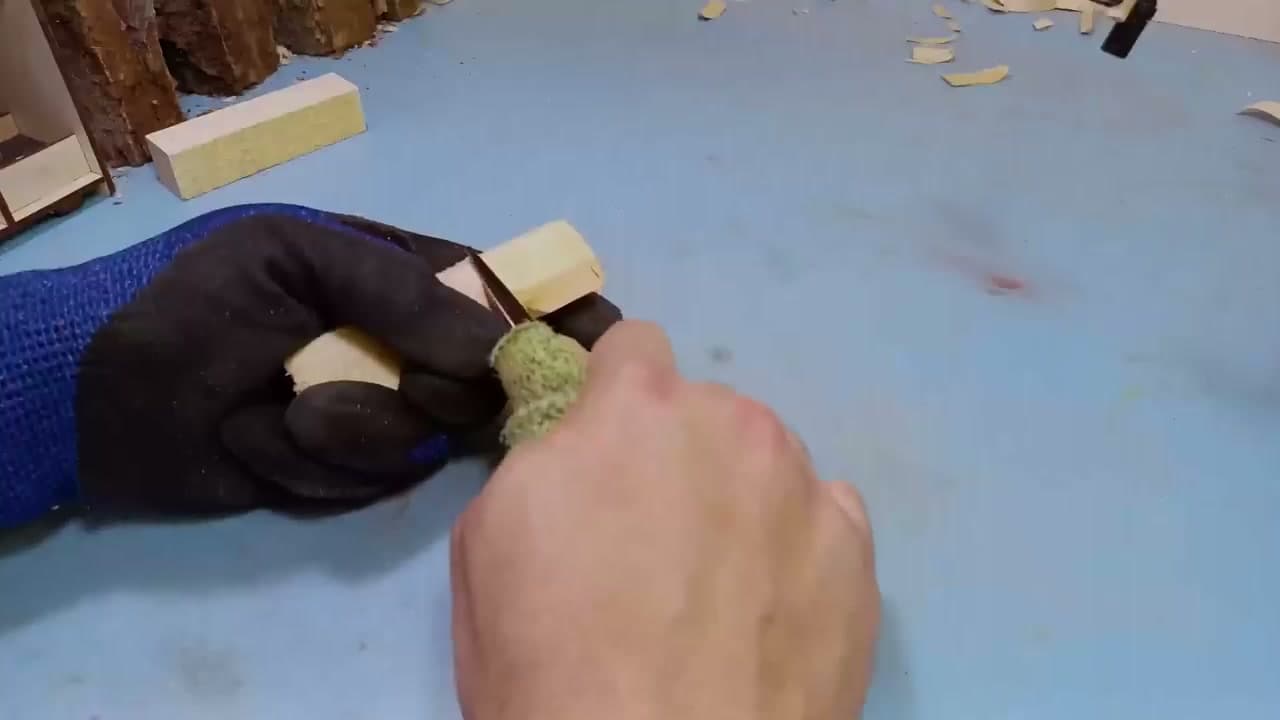
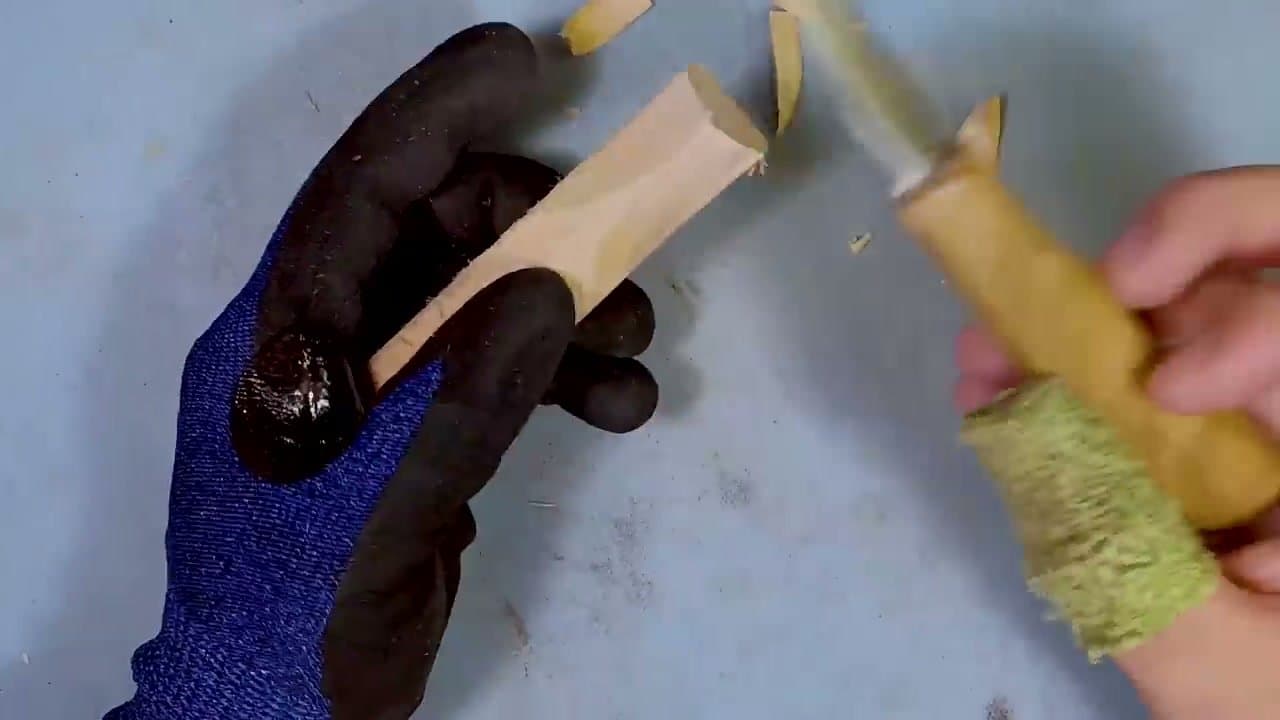
The simplest cut - just push the blade through the wood. You used this one as a kid. It's the fastest way to remove big chunks but the least controlled.

Watch where the blade exits. With no resistance built in, it can keep going past the wood and into your other hand or anything else in the path. Reserve this cut for shaping a fresh blank when nothing's near the work area.
2

Step 2: The Push Cut

1:08
Step 2: Step 2: The Push Cut

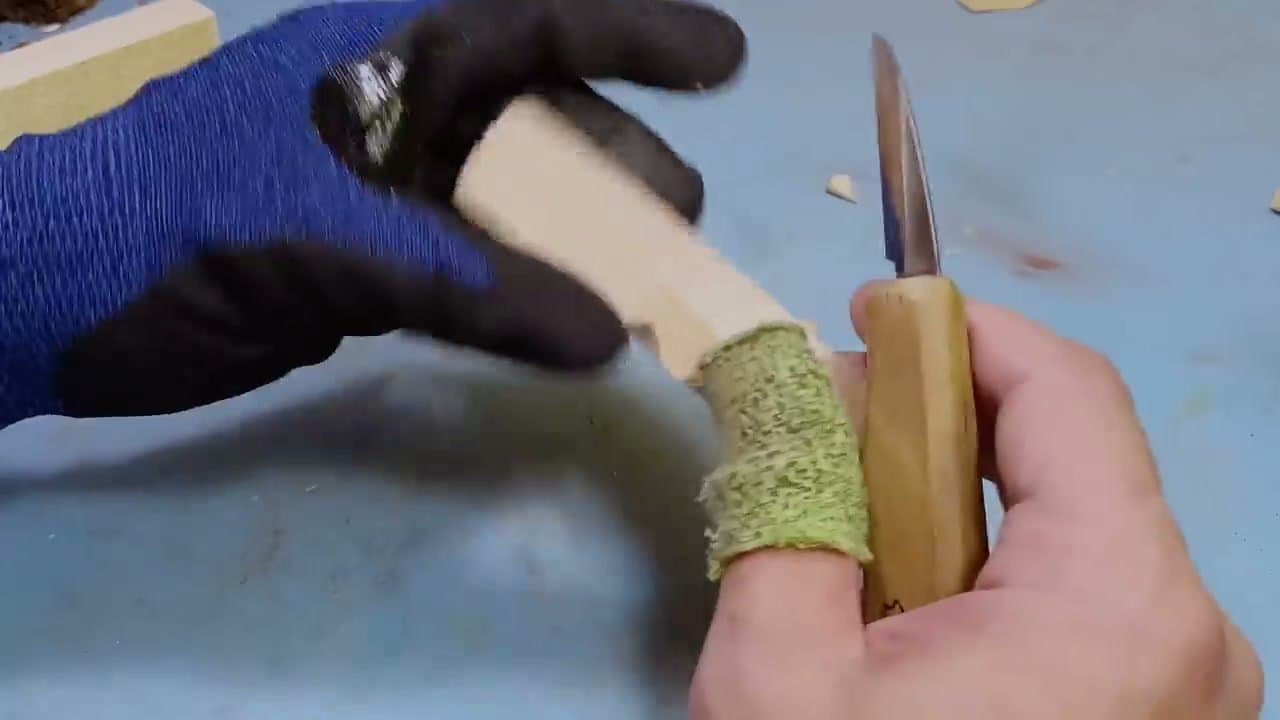
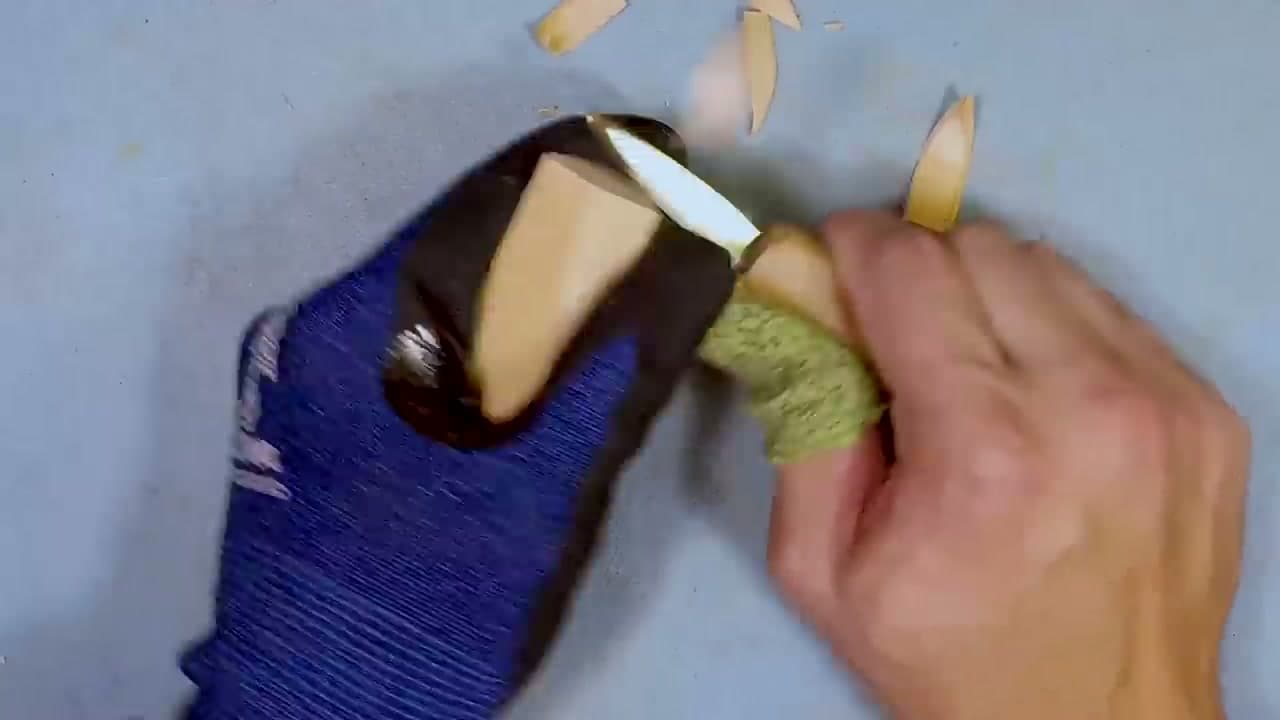
The controlled version of a rough cut. Hold the knife in your dominant hand and rest the blade on the wood. Use your off-hand thumb (with a thumb guard) to push on the back of the blade. Your dominant hand controls direction; the off-hand provides the power.

Push cuts limit how far the blade can travel - your off-hand thumb runs out of pushing range before the blade reaches your fingers. This is the workhorse cut for shaping forms.

Products used in this step

3

Step 3: The Sweeping Cut

2:04
Step 3: Step 3: The Sweeping Cut

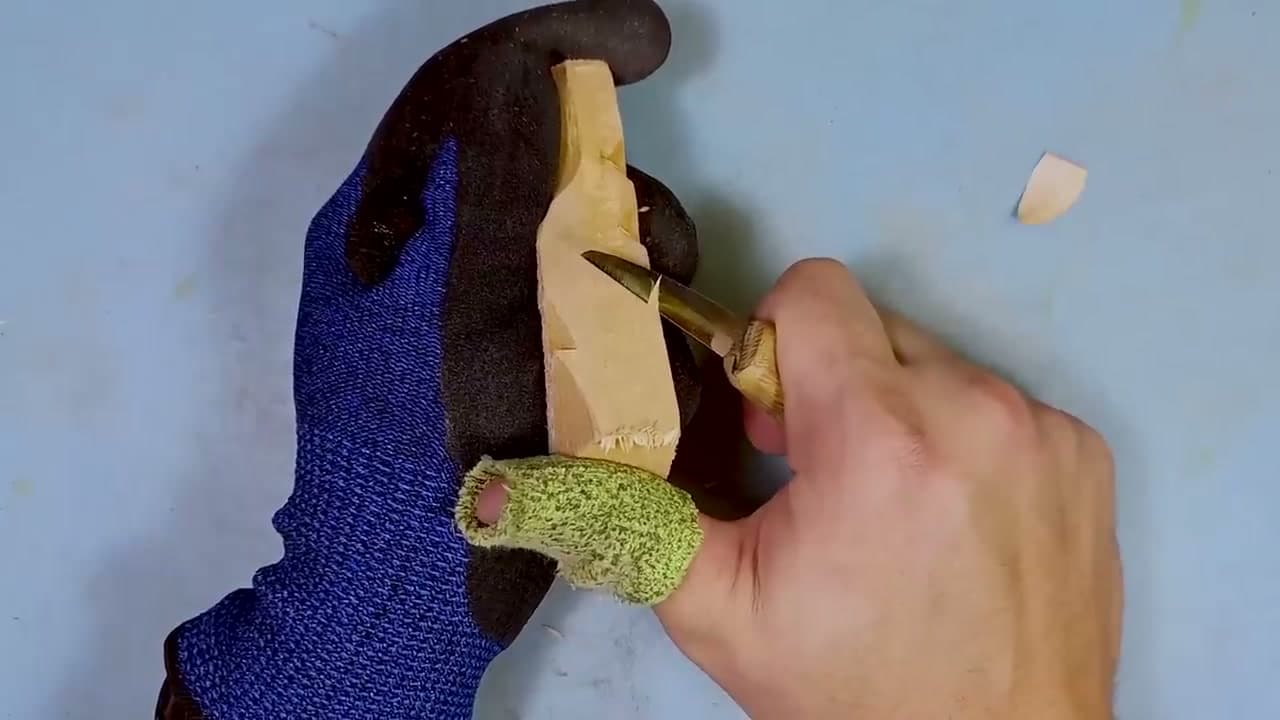
Push the blade down into the wood at an angle, then sweep forward and rotate the blade up to lift out a curved chip. The motion creates a J-shape in the wood.

Sweeping cuts are great for organic curves, rounding edges, and shaping features like noses or ears. Following the wood grain matters - cut with the grain (not against) and the blade glides; cut against and you tear the wood.

4

Step 4: The Stop Cut

2:43
Step 4: Step 4: The Stop Cut

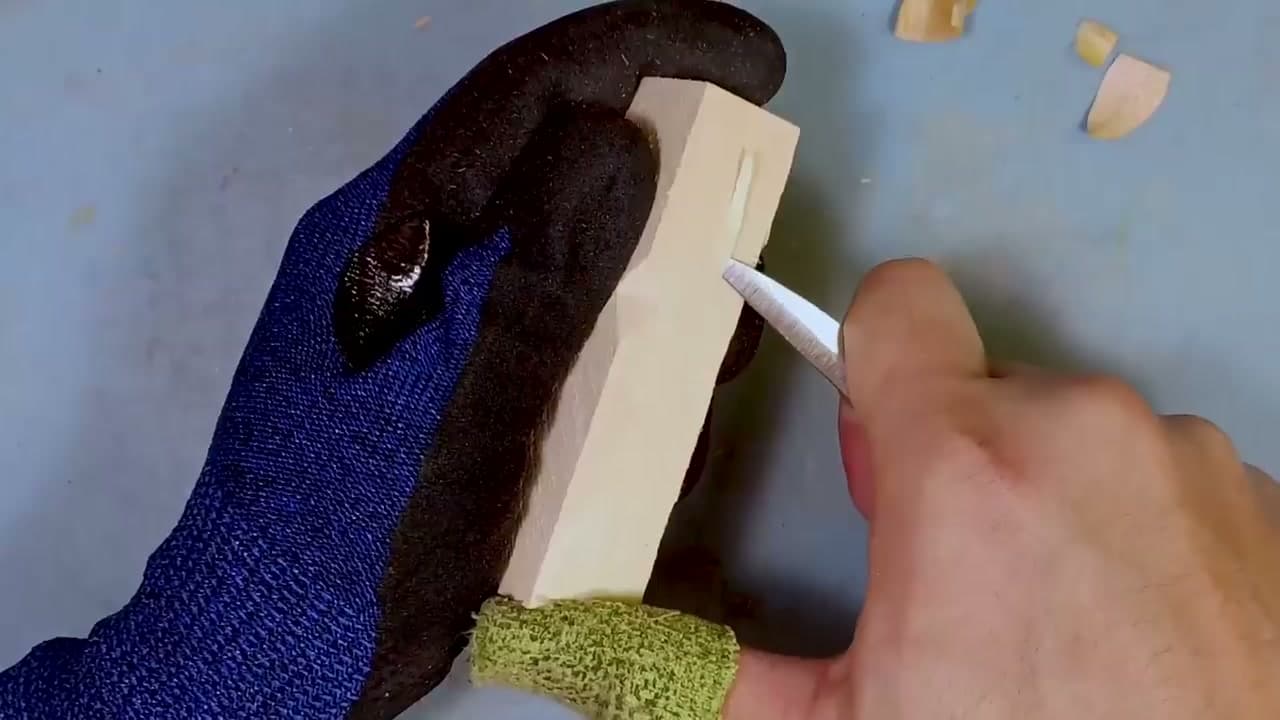
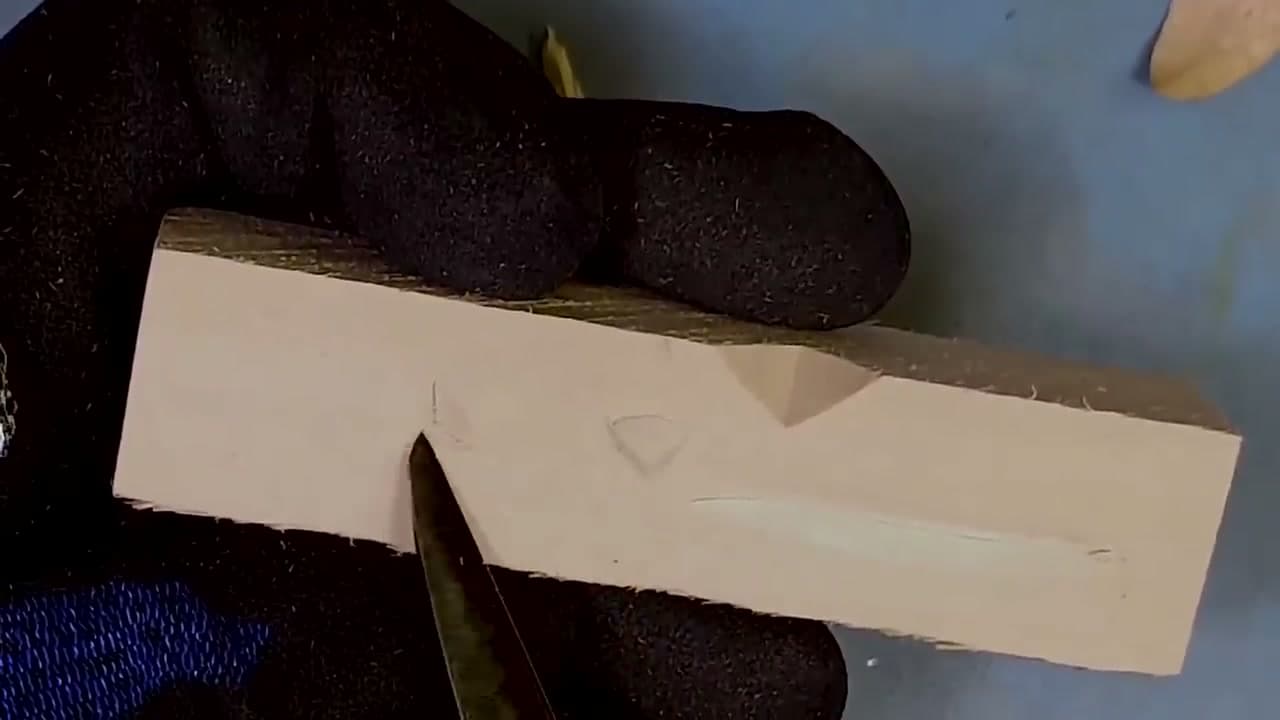
Push the blade straight into the wood (perpendicular to the surface) to make a small wedge. The stop cut sits there and waits.

When you push-cut toward it later, the blade hits the wedge and stops cleanly, leaving a sharp ledge. Stop cuts are essential for face features (eyes, nose bridge), step transitions, and any time you need to control where another cut ends. You'll use them constantly.

5

Step 5: The Paring Cut

3:27
Step 5: Step 5: The Paring Cut

The paring cut is the only cut where the blade comes toward you - controlled and safe when done right. Brace your knife-hand thumb against the wood (out of the blade's exit path), place the blade where you want to cut, and squeeze your hand closed.

The blade arcs through a tight, predictable path that ends well before your braced thumb. Don't pull the knife with your arm - just squeeze. A thumb guard adds insurance while you're learning the motion.

6

Step 6: The V-Cut

4:59
Step 6: Step 6: The V-Cut

Two angled stop cuts meeting at a point form a V-shaped wedge. Cut down at one angle, then mirror the cut from the other side - the chip pops out and leaves a clean V-trench.

V-cuts make geometric patterns (rows of Vs across a surface), vine and floral designs, and any feature where you need an indented line with sharp edges. They're chip carving's foundation cut.

7

Step 7: The Pyramid (Stab) Cut

5:57
Step 7: Step 7: The Pyramid (Stab) Cut

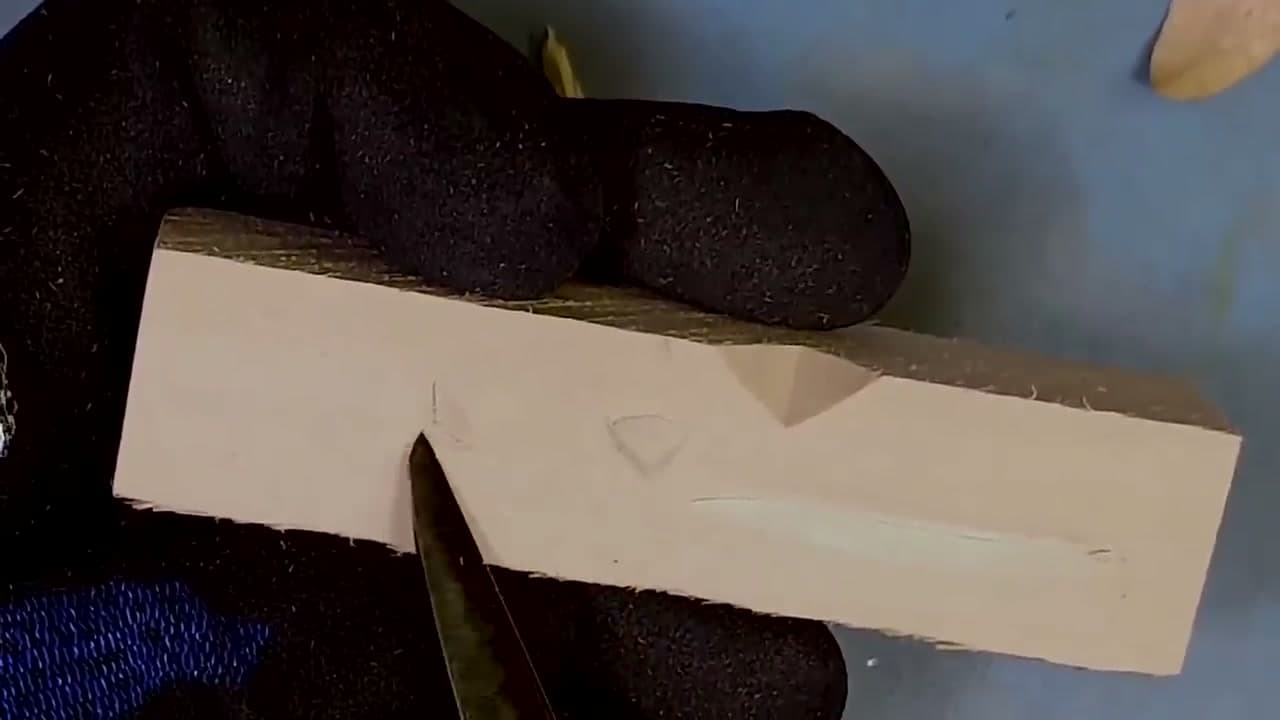
Drive the blade straight into the wood three or more times in a polygonal pattern. The cuts intersect and lift out a chip in the shape of an inverted pyramid. Three cuts make a triangular pyramid; four make a diamond; six or more start looking like a circular dot.

Use pyramid cuts for irises in eyes, decorative dots, and any chip carving where you want a clean indented shape. Combined with the other six cuts, this gives you everything you need to carve anything.

Tip

Use basswood blocks while you're learning - it's the softest common carving wood, cuts predictably, and forgives mistakes. Save oak, walnut, and other hardwoods for after the cuts feel automatic.

Products used in this step

Products Used

☐ The Checklist

How to Whittle: 7 Basic Cuts Every Beginner Must Master

Tools
3
Materials
1
Steps
7
Video
7 min

Your Guide

Carving is Fun

As an Amazon Associate we earn from qualifying purchases. Links on this page may be affiliate links - clicking them and buying doesn't change your price, but helps support ShowMeStepByStep.

Related Tutorials