How to Make Resin Coasters: 7 Step DIY Tutorial With Wood Inlays

Resin ArtMedium4:107 steps
Also in:Crafts

By CraftingStepByStepPublished Updated

Based on a video by Rockler Woodworking and Hardware.

Resin coasters are the perfect first epoxy project. Small pours, fast cure relative to bigger projects, and the silicone molds release cleanly so failures are forgiving. The wood inlay technique here turns scrap wood into striking miniature 'river table' coasters.

This walkthrough from Lily at Rockler breaks the project into seven steps. Two key tricks separate this from the typical resin-coaster tutorial: pre-sealing the wood with penetrating epoxy stops bubbles, and weighing the wood down with pin nails keeps it from floating during cure.

Step-by-Step Guide

1

Step 1: Choose and Cut Wood Pieces

0:30
Step 1: Step 1: Choose and Cut Wood Pieces

Pick wood scraps less than half an inch thick - the silicone coaster molds are about half-inch deep, so the wood needs to leave room for epoxy on top. Live-edge pieces facing each other create a 'mini river table' look in the finished coaster.

Curly hardwoods like bubinga, walnut, or maple show off best under clear epoxy because the figure pops. Cut pieces small enough to fit inside the mold cavity with about an eighth-inch gap around the edges for the resin to flow.

2

Step 2: Seal the Wood With Penetrating Epoxy

0:55
Step 2: Step 2: Seal the Wood With Penetrating Epoxy

Coat every face of each wood piece with penetrating epoxy sealer. The sealer soaks into the wood pores and prevents trapped air from bubbling out into the main epoxy pour.

Set the sealed pieces aside on a non-stick surface and let them cure for 24 hours. Skipping this step almost always results in cloudy, bubble-filled coasters. The pre-seal is what separates clear-as-glass from foggy.

3

Step 3: Mix Epoxy in a 1:1 Ratio

1:49
Step 3: Step 3: Mix Epoxy in a 1:1 Ratio

Use a shallow-pour epoxy specifically (deep-pour formulas are too thin and will leak under the wood). Most coaster epoxies mix 1:1 - 3.5 oz of Part A and 3.5 oz of Part B for each 7 oz batch (about 4 coasters' worth with a bit extra).

Pour each part into a graduated mixing cup. Add a drop or two of mica powder or alcohol ink if you want tinted resin (a little goes a very long way - add slowly).

4

Step 4: Stir Thoroughly

2:14
Step 4: Step 4: Stir Thoroughly

Stir slowly for 2-3 minutes, scraping the sides and bottom of the cup as you go. Under-mixed epoxy leaves sticky uncured spots; over-fast stirring whips in extra air bubbles.

The mix should look completely uniform - no streaks of clear resin in the tinted color, no swirls of part-A meeting part-B. Stir, scrape, stir, scrape until it's all one color.

5

Step 5: Pour a Base Layer and Torch Bubbles

2:45
Step 5: Step 5: Pour a Base Layer and Torch Bubbles

Spray a light coat of mold release on the silicone (optional but eases removal). Pour about 1/8 inch of epoxy into the bottom of each mold - just enough to cover the floor and create a base under the wood.

Wait a minute, then pass a butane torch quickly back and forth over the surface. The heat pops surface bubbles instantly. Keep moving - sitting on one spot too long will scorch the resin or warp the silicone.

Products used in this step

6

Step 6: Press Wood In and Add Weights

3:35
Step 6: Step 6: Press Wood In and Add Weights

Press the sealed wood pieces into the base layer of epoxy. Pour the rest of the resin around the wood, stopping at the top of the wood (not over it).

Wood floats. To hold it down, drive 4 pin nails through a scrap wood block to use as a weight - rest the weight across the mold so the nail tips just barely touch the wood. Spray release agent on the nails so they don't stick to cured resin.

7

Step 7: Cure 24-30 Hours, Then Demold

3:20
Step 7: Step 7: Cure 24-30 Hours, Then Demold

Leave everything alone for at least 24-30 hours. The epoxy progressively hardens through tack-free, then full-cure. Test with a fingernail in an unobtrusive spot - if it feels like firm rubber instead of sticky, it's ready.

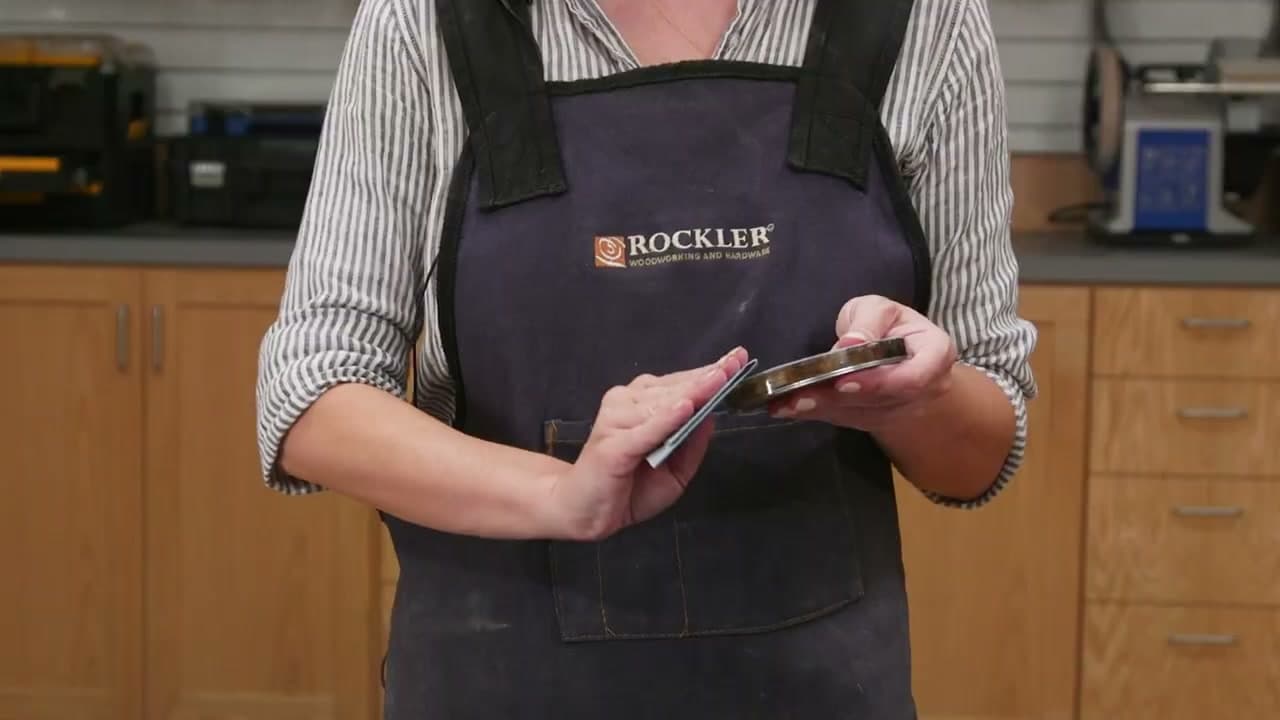
Pull off the weights, peel the silicone mold back from the cured coaster (silicone flexes generously - work the edges loose first), and pop each coaster out. Lightly sand any sharp bottom edges with 400-grit, careful not to scuff the top face.

Tip

If you nick the top face during demolding or sanding, you can polish it back to clear with progressive grits (400 → 800 → 1500 → 2500) followed by automotive polishing compound. Worth the effort to save a bad demold.

Products Used

☐ The Checklist

How to Make Resin Coasters: 7 Step DIY Tutorial With Wood Inlays

Tools
5
Materials
5
Steps
7
Video
4 min

Your Guide

Rockler Woodworking and Hardware

As an Amazon Associate we earn from qualifying purchases. Links on this page may be affiliate links - clicking them and buying doesn't change your price, but helps support ShowMeStepByStep.

Tags

Related Tutorials