A sugar scrub is the shortest trip from a kitchen cabinet to something that looks shop-bought. Sugar to exfoliate, oil to soften, a few drops of essential oil for scent. That is the whole 3 ingredient sugar scrub, and it takes ten minutes.
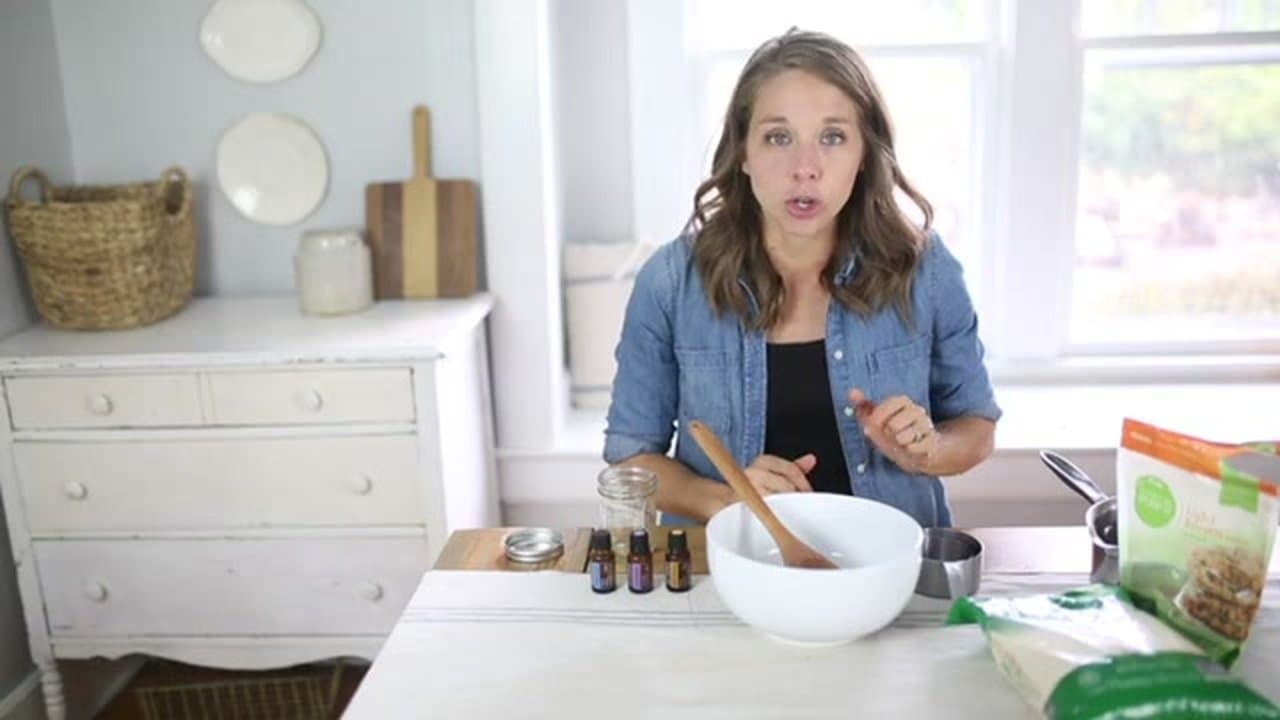
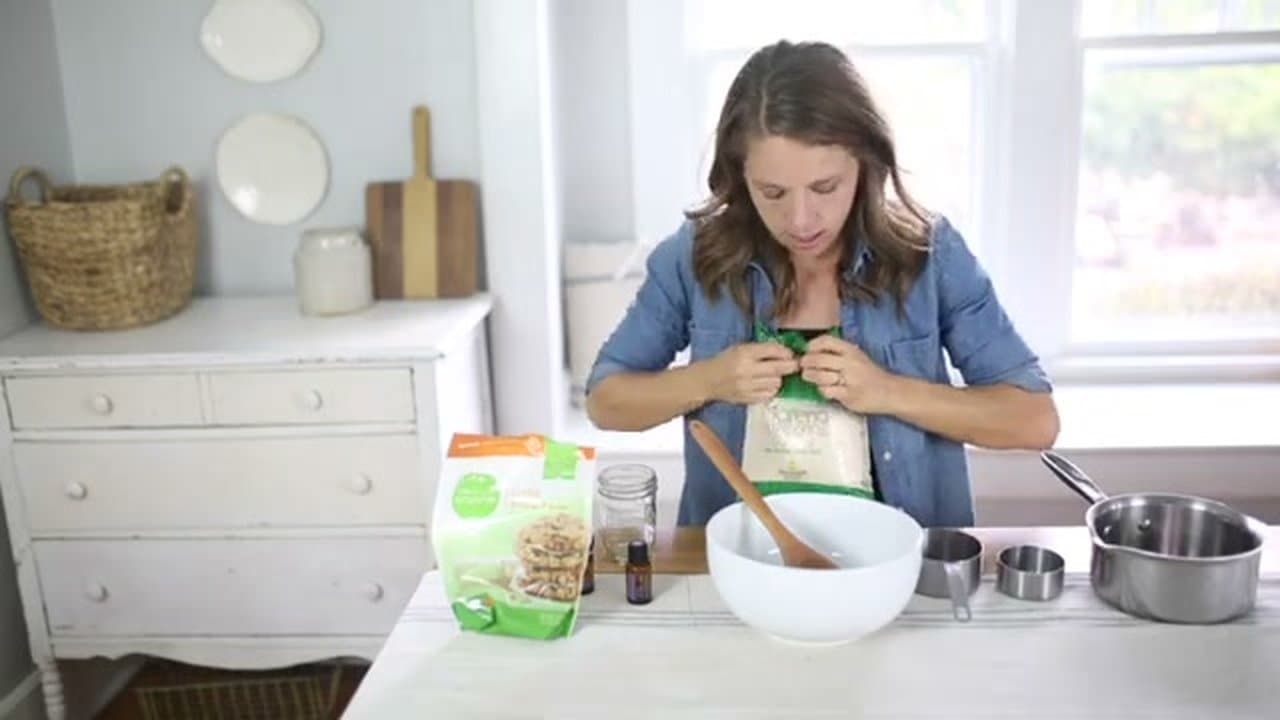
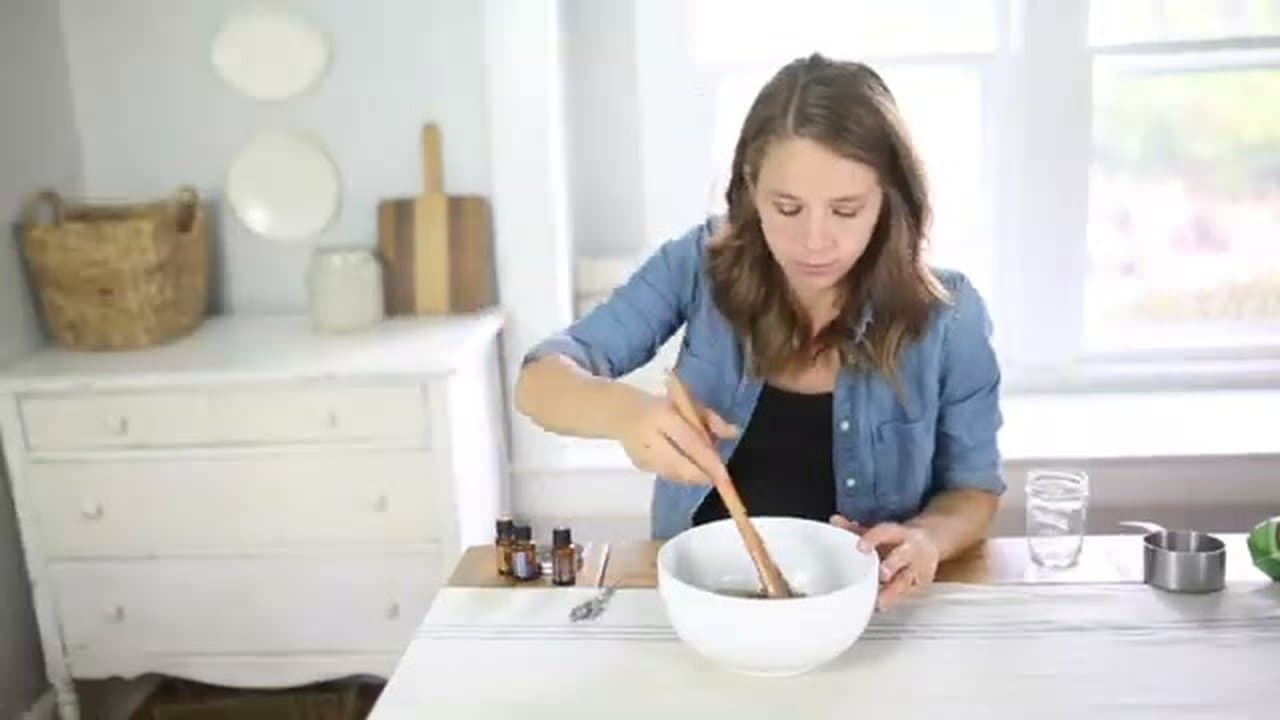
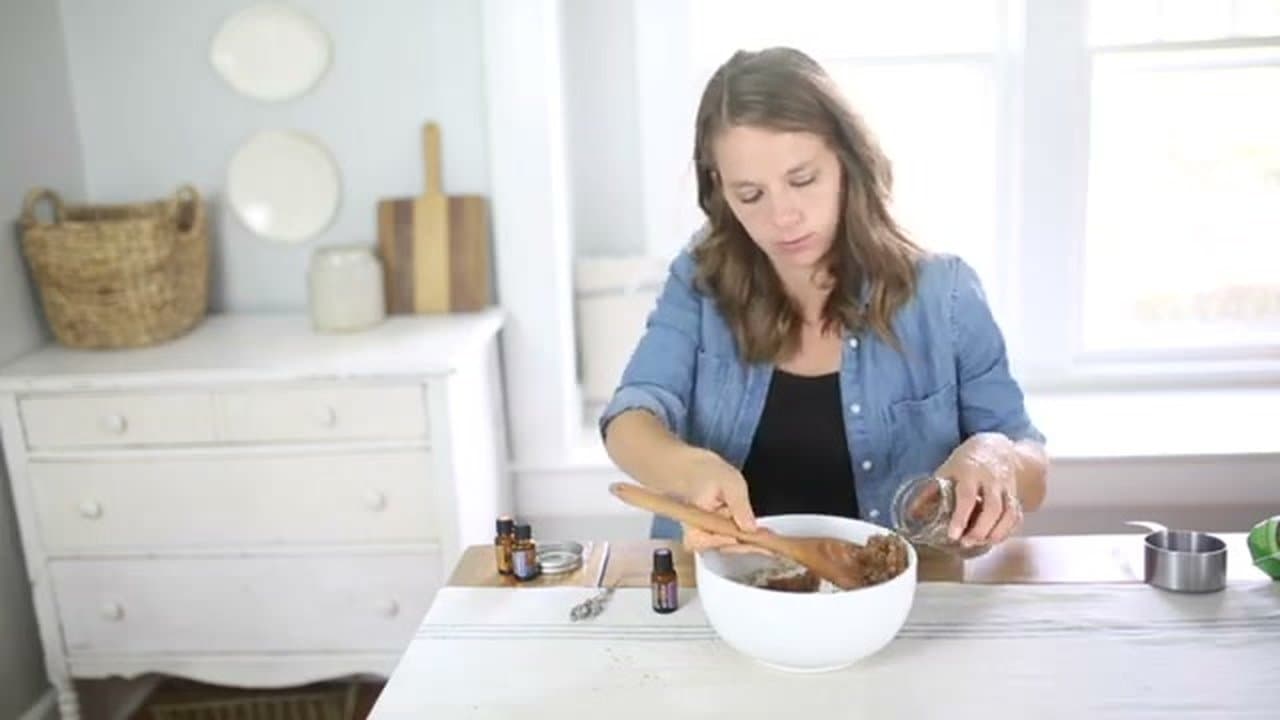
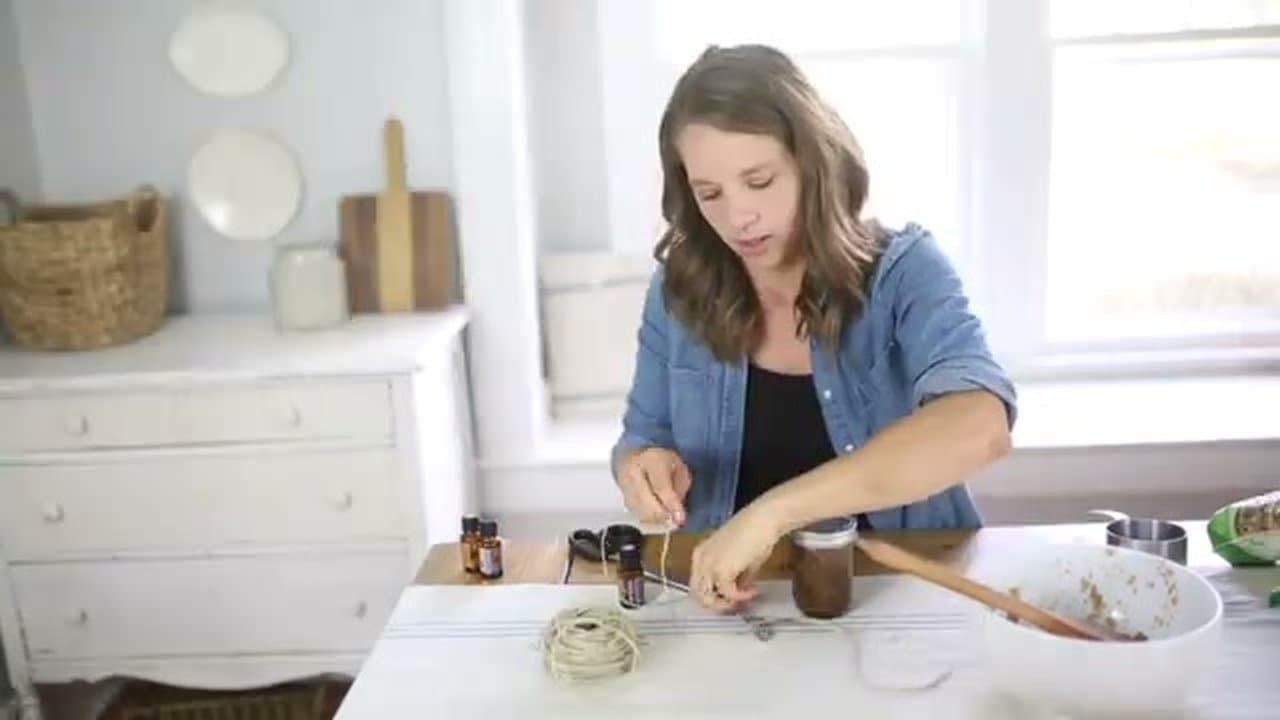
Lisa from Farmhouse on Boone mixes hers at a 1:1:1 ratio - half a cup of brown sugar, half a cup of white, half a cup of melted coconut oil. The ratio is the part worth memorizing. The rest of this page is what nobody tells you: which sugar, which oil, how much scent is safe on skin, and what ruins a jar.
White Sugar, Brown Sugar, and Where Each Grain Belongs
Grain size is the difference between a scrub that polishes and one that scratches. White granulated sugar has hard, even crystals that keep their edges while you rub. Brown sugar is damp with molasses, so its crystals crumble as soon as they meet skin. Blending the two gives grit that fades as you work.
- Feet, elbows and knees: coarse raw or turbinado sugar, and lean on it
- Hands, arms and legs: the standard brown and white mix
- Lips: fine white sugar, no essential oil, since it ends up in your mouth
- Face: fine white sugar and a light hand - never coarse sugar, because facial skin tears
Powdered sugar is the one to skip. It dissolves on contact and leaves you rubbing oil in circles.
Pick the Oil Before You Pick the Scent
Coconut oil is cheap and keeps for a year in the pantry. It also turns solid below 76F, so a jar mixed in a warm kitchen shows up in a cold bathroom as a brick. Rubbing a spoonful between your palms loosens it, but if that will annoy the person you are giving it to, use an oil that stays liquid.
Sweet almond oil and jojoba pour at room temperature and sink in faster. Jojoba is the closest match to what skin makes on its own, so it is the safer pick for anyone prone to clogged pores.
Essential Oils: Ten Drops, and a Few to Leave Out
Ten drops across a batch this size is a fraction of a percent by volume, mild enough for daily use on arms and legs. Doubling it raises the odds of a reaction more than it raises the scent. Lavender, sweet orange, peppermint and cedarwood are all easy on skin.
Two groups deserve a pass. Cold-pressed citrus oils such as bergamot, lime and lemon make skin sun-sensitive, so keep them out of a scrub you use before heading outdoors. Cinnamon bark, clove and oregano are irritants at almost any dilution. Patch test on your inner wrist, skip the scrub on broken or freshly shaved skin, and leave essential oils out of a jar meant for a small child.
Jars, Labels, and a Batch Big Enough to Give Away
Half a cup of each ingredient makes a bit over a cup of scrub, so plan on two 4 oz jars per batch. Wide-mouth jars beat narrow ones, since you scoop this with a spoon. Glass looks better on a shelf, but plastic is smarter for a shower with wet tile and bare feet.
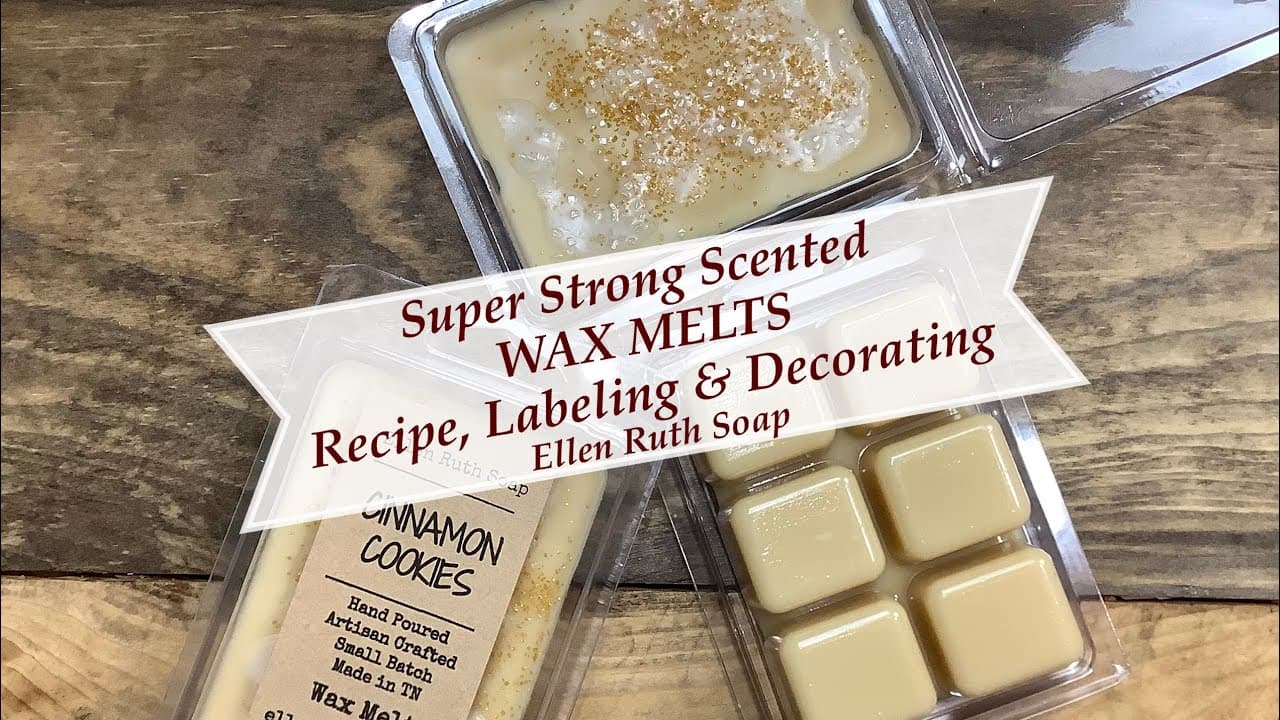
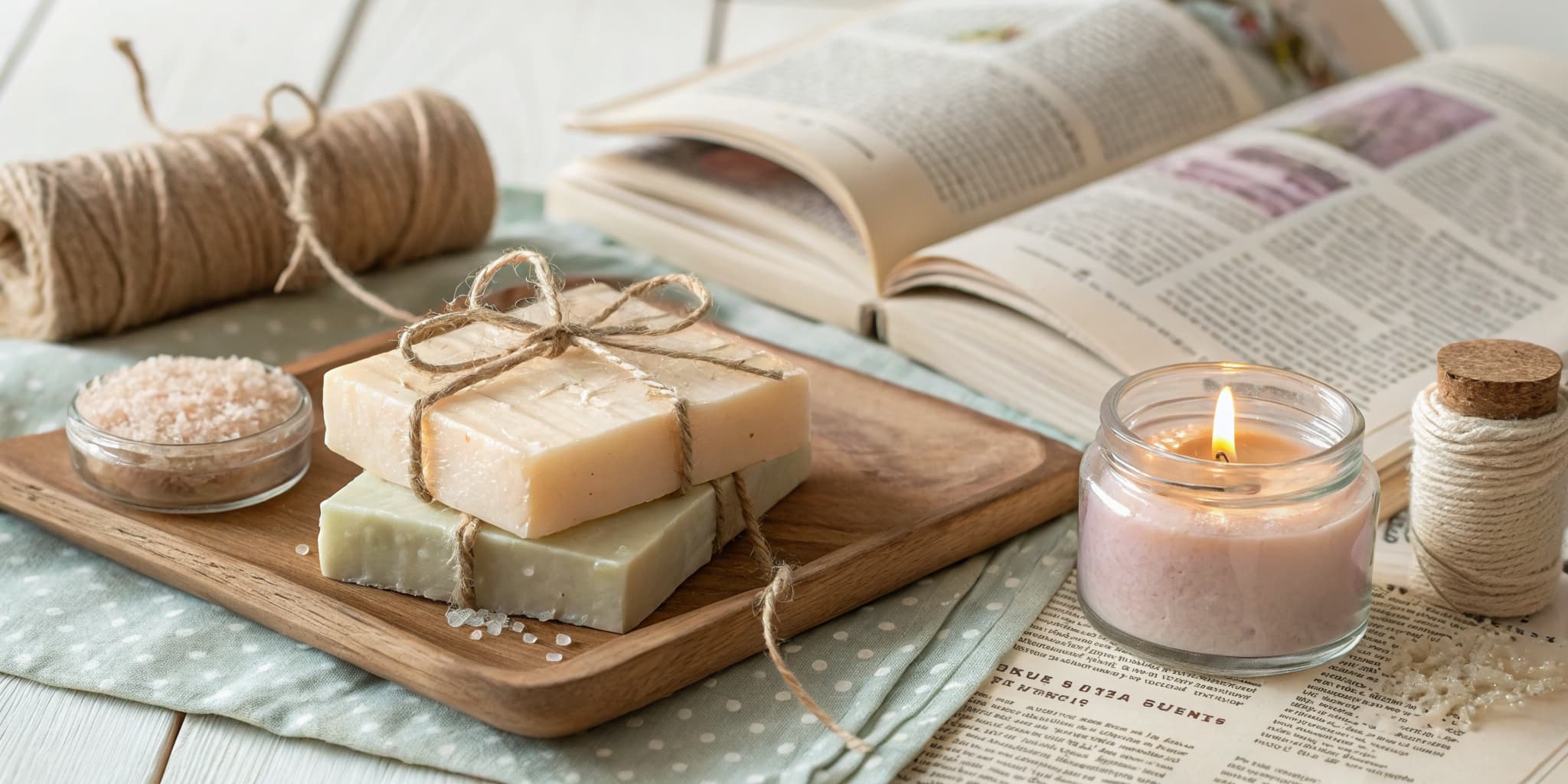
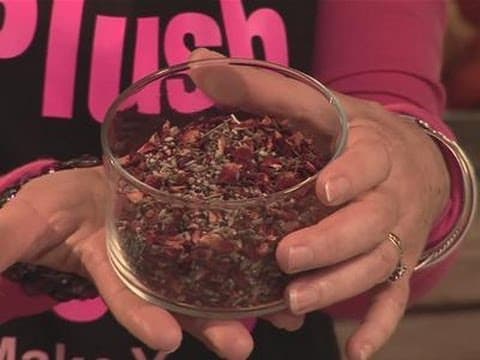
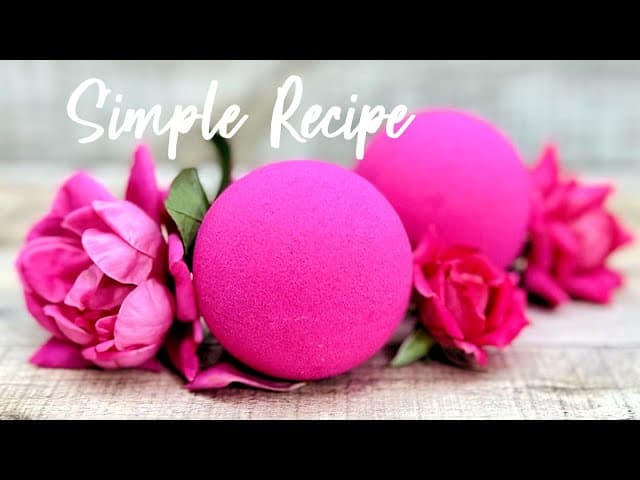
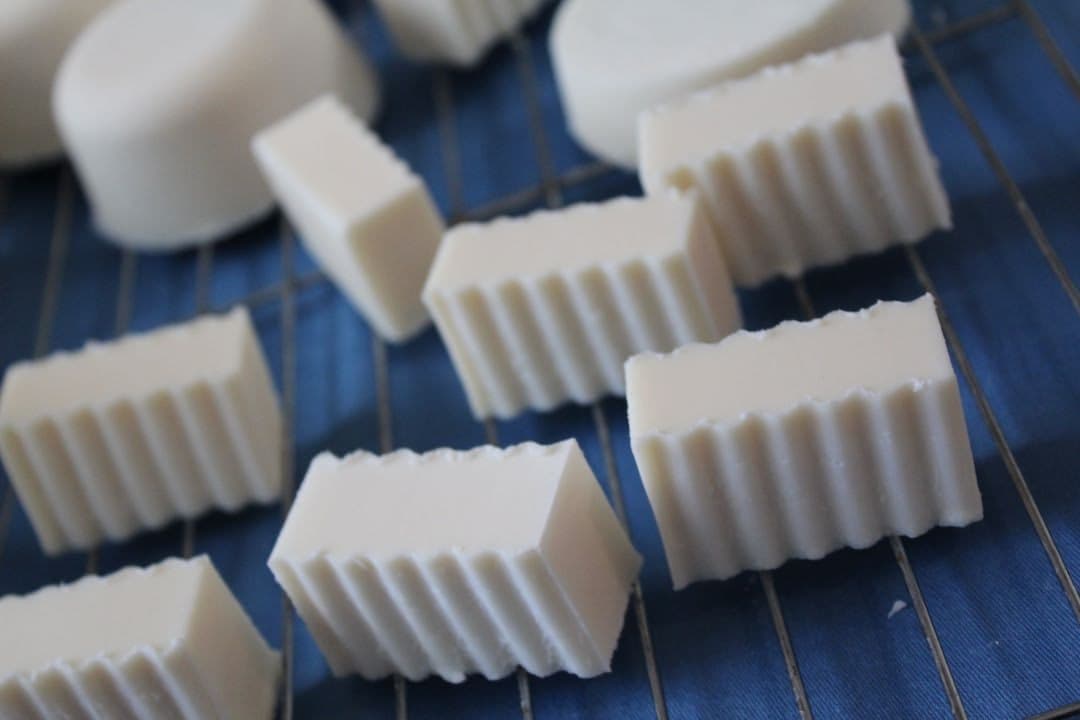
Write the scent and the month on the lid. Jute twine and a sprig of rosemary finish the jar, and if you dry flowers a week ahead you can tuck in lavender that will not wilt on the way over. Scrub sits well beside the rest of the handmade shelf: a bath bomb, a bar of homemade soap, a soy candle, or a tin of wax melts. Four small handmade things in a box read as more thought than one big one.
Shelf Life, and Why Water in the Jar Ruins It
There is no water in a sugar scrub, and that is the only reason it keeps without a preservative. Give it three months sealed at room temperature, out of the sun. The oil goes off before anything else, so a sharp crayon-like smell means throw it out.
The fastest way to wreck a jar is reaching into it with a wet hand mid-shower. Water dissolves the sugar into syrup, the grit vanishes, and bacteria gets somewhere warm and damp to live. Keep a dry spoon beside the jar and get the lid back on before the spray finds it.
For the other half of a homemade gift set, how to make lip balm uses the same shelf of oils and butters.