If you've finished a quilt top and stalled on the quilting, you're in good company. Most beginners don't ship their first quilt because they think you need a longarm machine, fancy free-motion footwork, or a $400 quilting class. You don't. You need a regular sewing machine and a roll of painters tape.
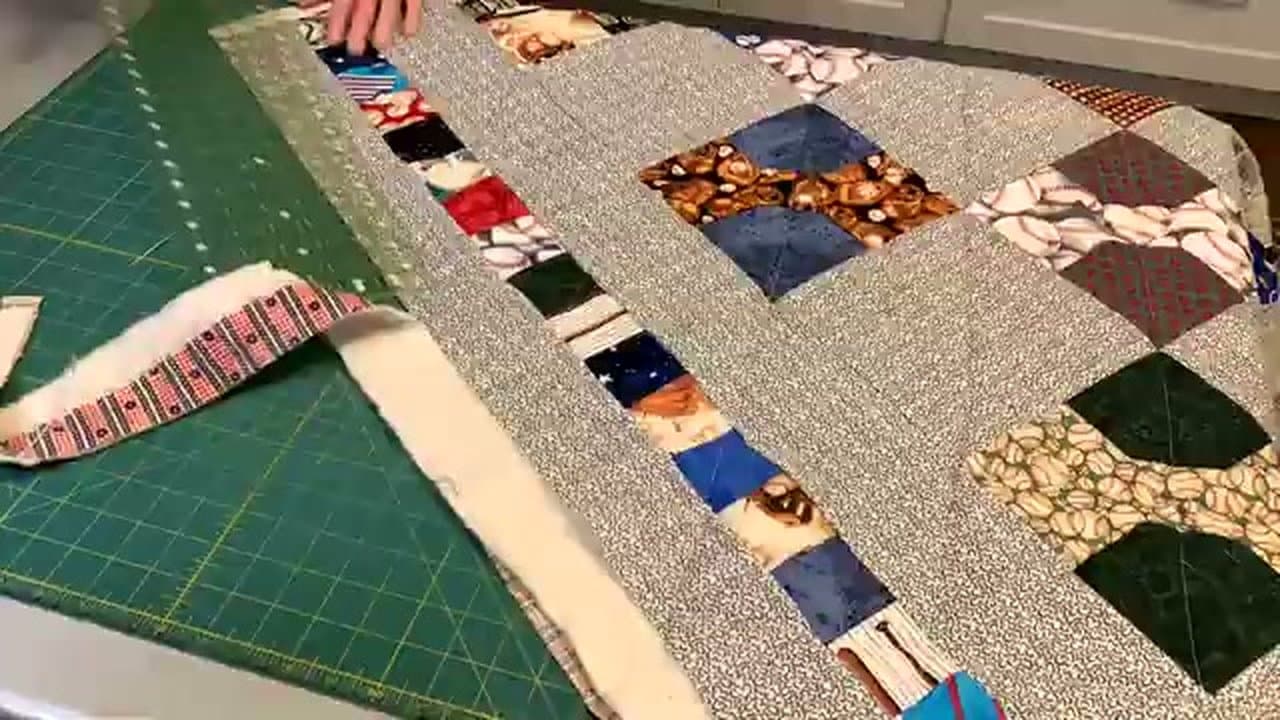
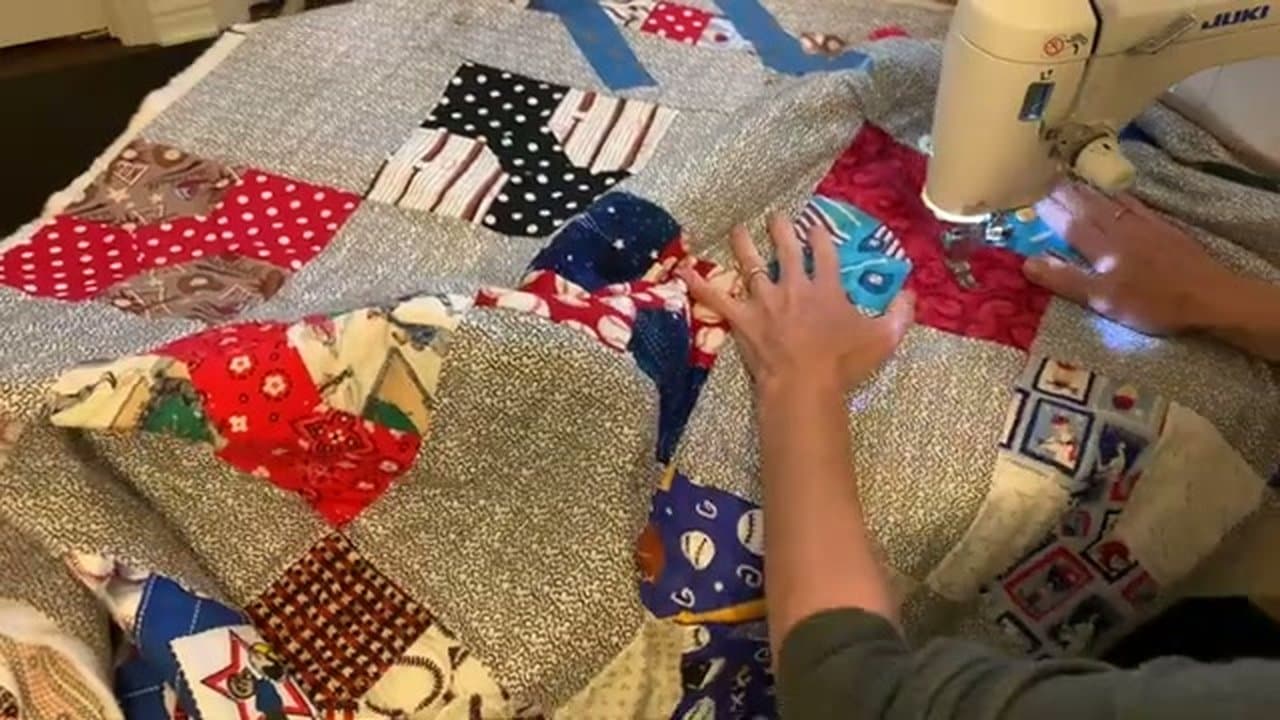
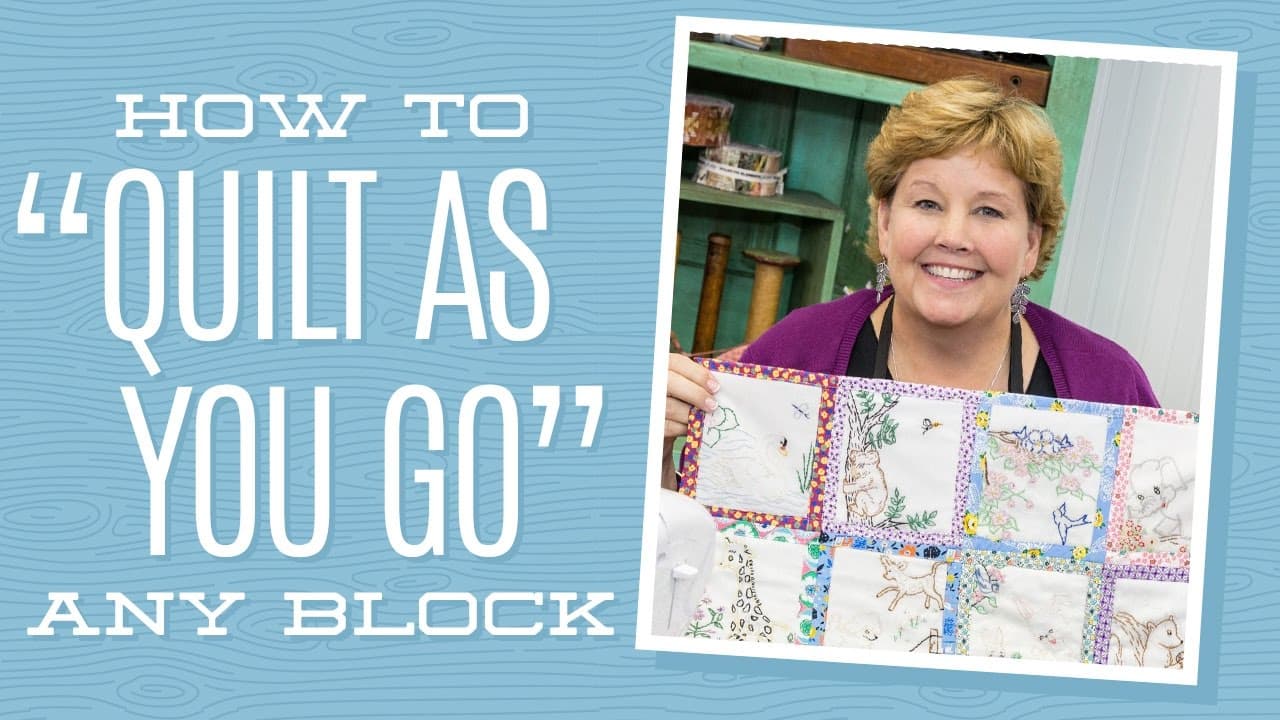
This walkthrough from Beth at My Sewing Room covers her go-to method for finishing a pieced top: spray-baste the sandwich, run diagonal straight lines corner to corner using the quilt blocks as a guide, and use painters tape on the borders where there's no block to follow. Eight minutes of source video, one finished quilt.
Quilting for beginners: where to start
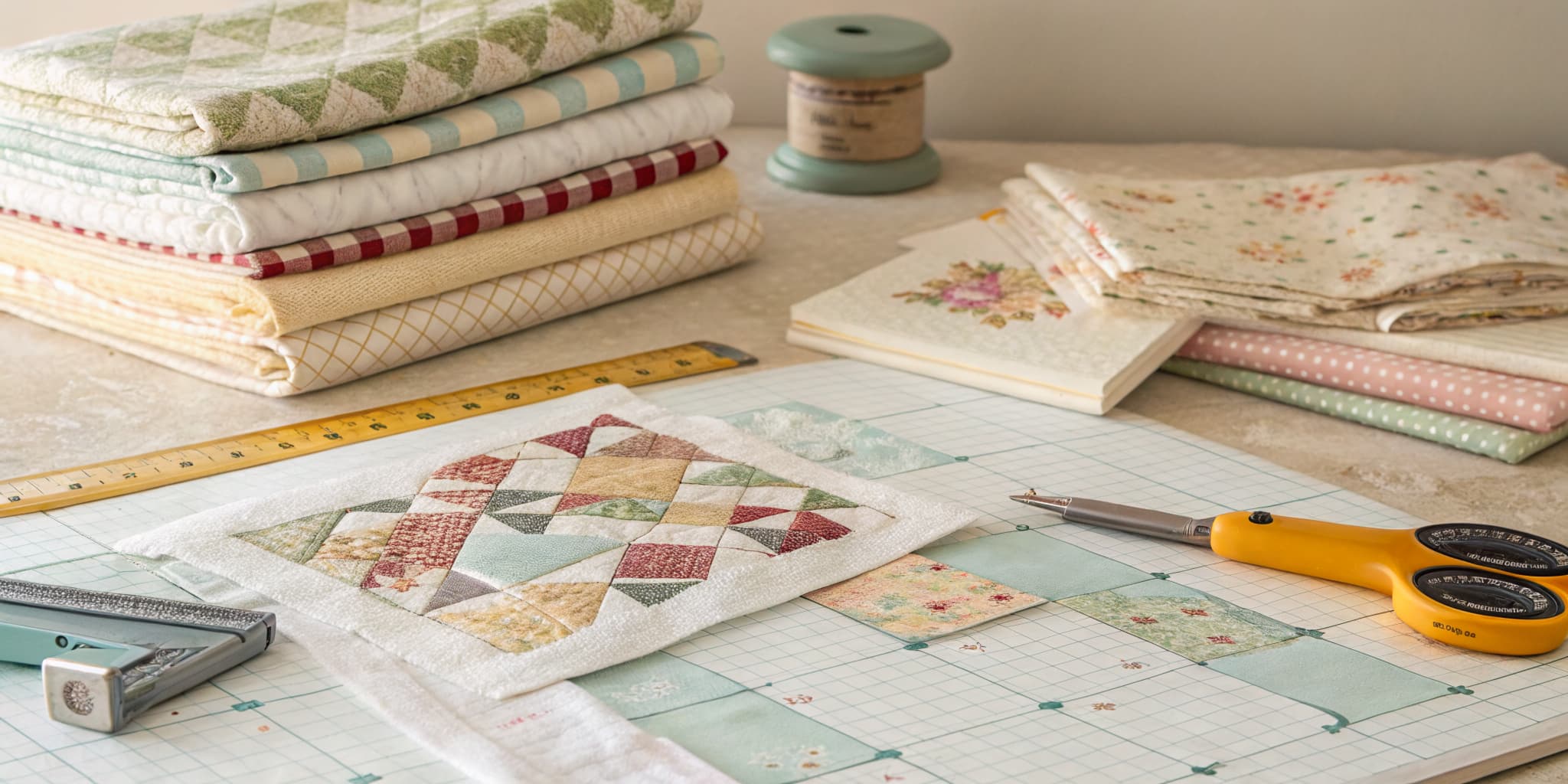
A quilt is three layers, a pieced top, a layer of batting and a backing fabric, held together with lines of stitching and finished with a strip of binding around the edge. To start quilting you need a regular sewing machine, a rotary cutter, a cutting mat, a long acrylic ruler, quilting cotton, thread and batting. No longarm, no special foot, no class.
The order of work is the same for every quilt. Pick fabric, cut it, sew the pieces into a top, sandwich and baste the three layers, quilt them together, then bind the edge. This page covers the quilting stitch itself. The rest of the path is already written up:
- Choose quilting fabric, which explains why quilting cotton and not everything else.
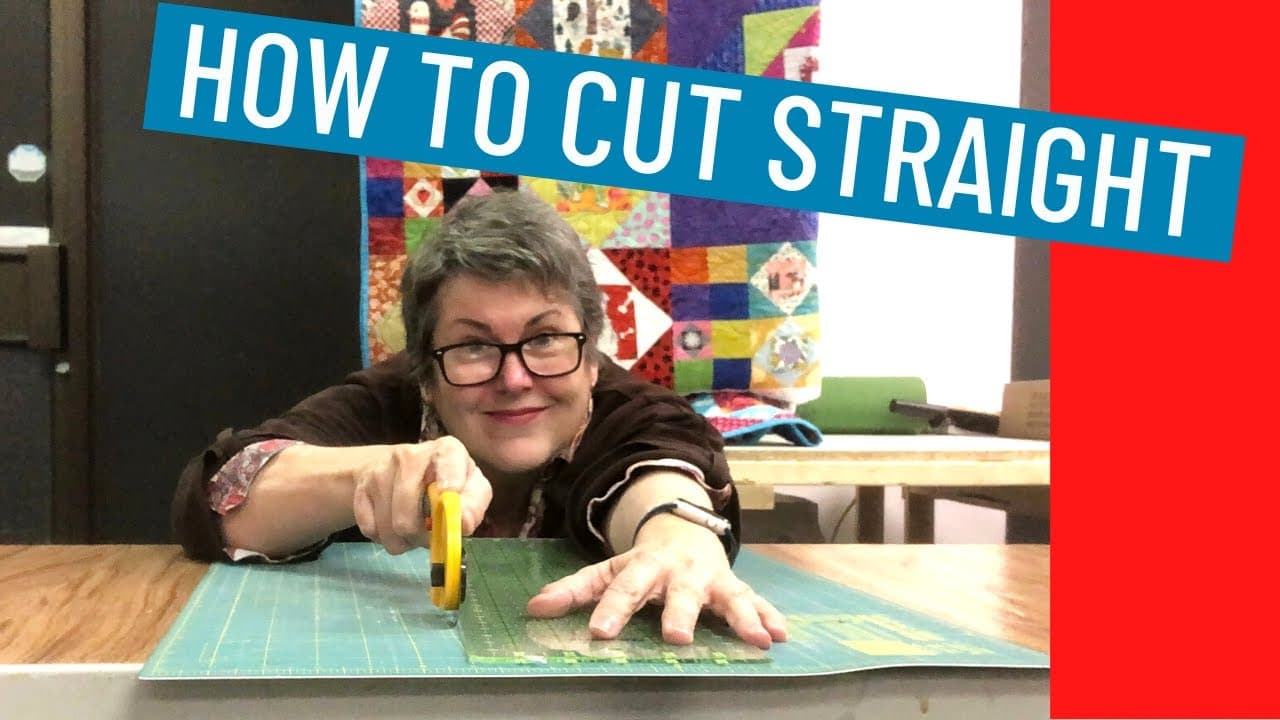
- Cut quilt fabric with a rotary cutter, ruler and mat.
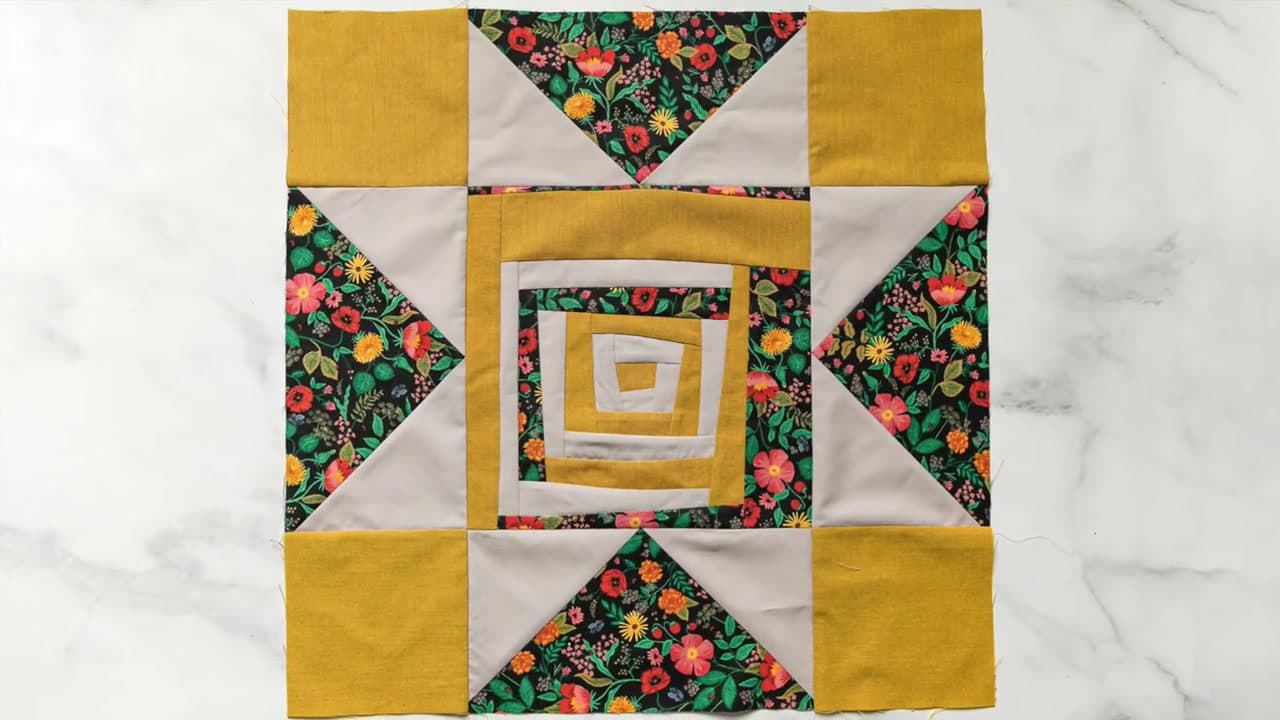
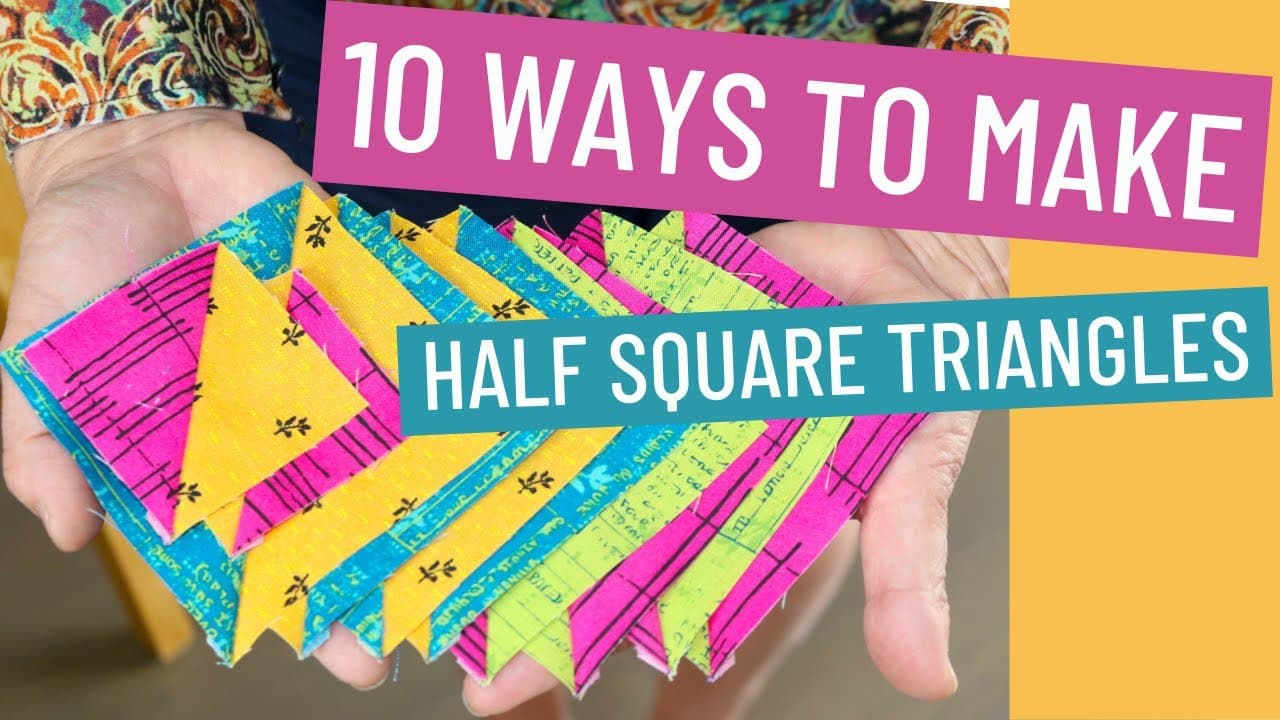
- Sew quilt squares together for a simple patchwork top, or make half-square triangles once squares feel easy.
- Baste the quilt so the three layers cannot shift while you stitch.
- Quilt the layers with the straight-line method on this page.
- Bind the quilt to finish the raw edge.
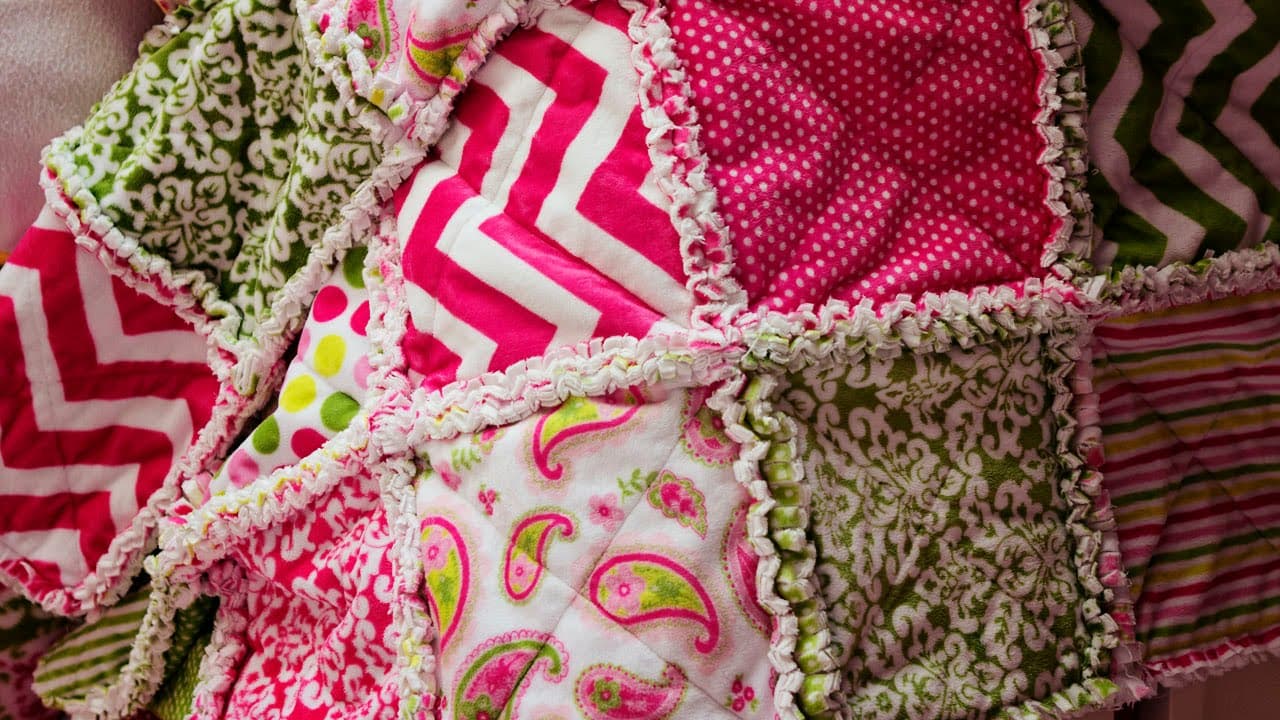
For a first project, keep it small. A baby quilt or a lap quilt made of plain squares fits under a home machine, uses one cut size, and is finished in a weekend. If even that feels like a lot, a rag quilt skips the quilting and binding steps entirely.
Frequently Asked Questions
Do I need a special sewing machine to quilt?
No. Any machine that sews a straight stitch will quilt a baby or lap quilt. A walking foot, which feeds the top and bottom layers together, is the one accessory worth buying, and a wider throat only matters once you move up to bed-size quilts.
What is the easiest quilting pattern for beginners?
Straight lines, either parallel or in a diagonal crosshatch like the one on this page. You steer along a seam or a strip of painters tape, there is no free-motion control to learn, and the finished texture looks deliberate rather than beginner.
How far apart should quilting lines be?
Check the batting packaging; most cotton batting can be quilted up to eight to ten inches apart, and polyester a little further. Two to four inches apart is the usual choice for straight lines because it holds the layers well and looks even.
What stitch length should I use for machine quilting?
About 3.0 to 3.5 mm, a touch longer than the 2.5 mm most people piece with. The longer stitch shows better on three layers and helps the machine feed the thickness without skipping.
Should I spray baste or pin baste?
Spray basting is faster and leaves nothing to sew around, which is why this tutorial uses it. Pins are better for very large quilts, for anyone sensitive to the spray, and when the quilt will sit for weeks before it is quilted. Either way, how to baste a quilt covers both.
What size quilt should a beginner make first?
A baby quilt around 36 by 45 inches or a lap quilt around 50 by 60. Both fit under a home machine without wrestling, and both are finished fast enough that you learn the whole process before you lose interest.