How to Bake Polymer Clay

PotteryEasy8:525 steps
Also in:Crafts

By CraftingStepByStepPublished Updated

Based on a video by MyClayCo.

Brittle polymer clay is the number one reason beginner pieces snap. The problem is almost never the clay - it's the oven. Most home ovens drift 10 to 20 degrees off their dial, which is enough to under-bake or scorch a project without you knowing it.

Tegan and Dani at MyClayCo bake hundreds of pieces a week and the rules they follow are simple: a cheap oven thermometer, a real preheat, the temperature on the packet, and at least 30 minutes. Polymer clay can't really over-bake, so longer is fine - shorter is what kills it.

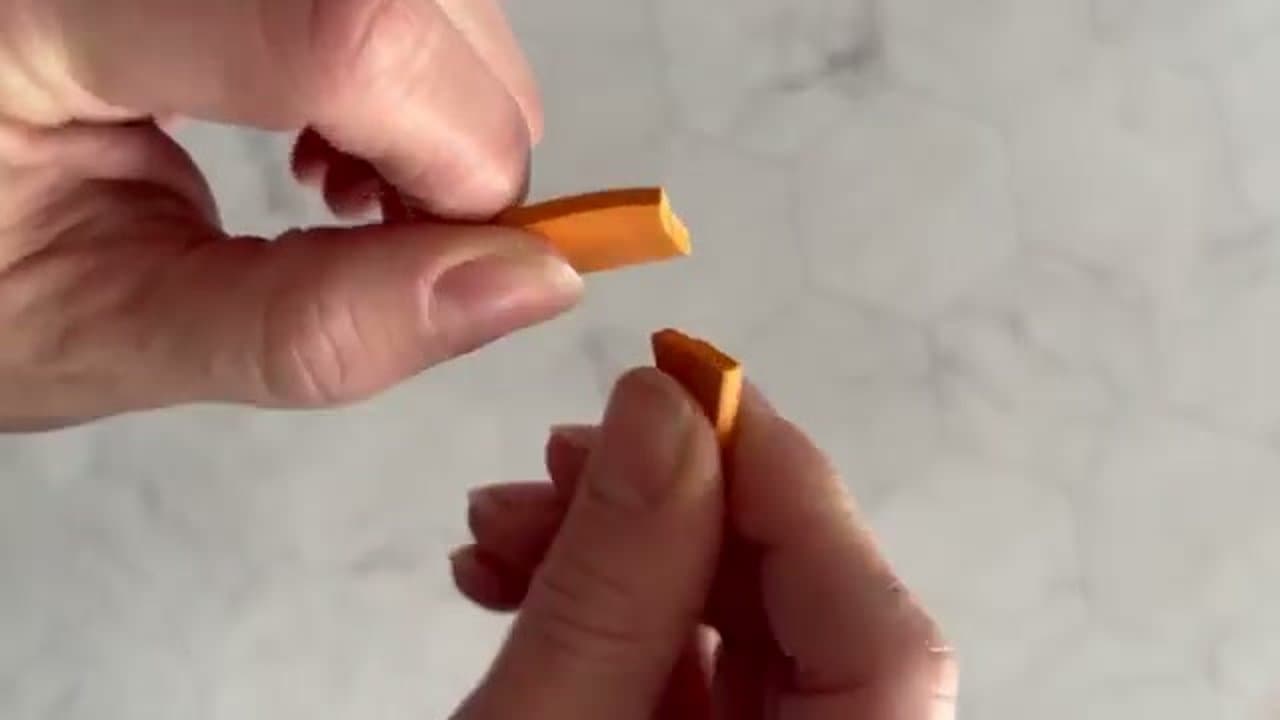
The key trick at the end is the bend test. Properly baked polymer clay is supposed to be a little flexible. If a thin piece snaps cleanly in half, it didn't fully cure.

Step-by-Step Guide

1

Place an Oven Thermometer Inside

4:05
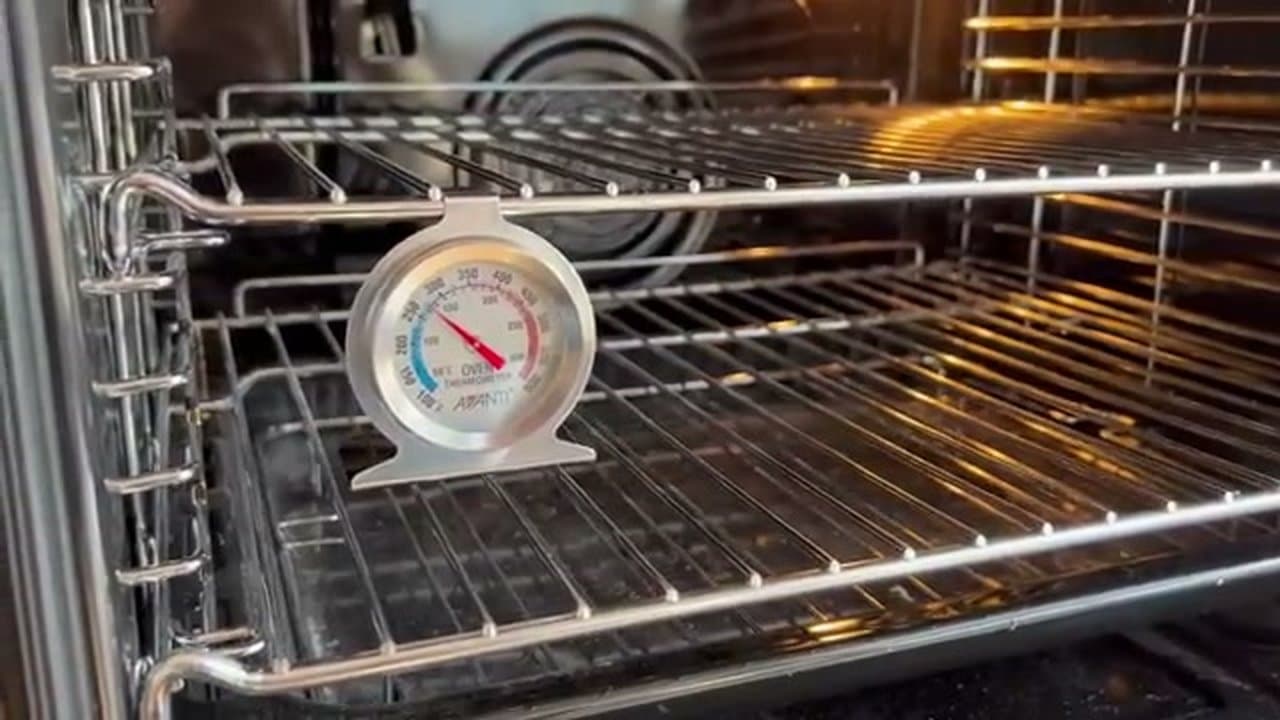
Step 1: Place an Oven Thermometer Inside

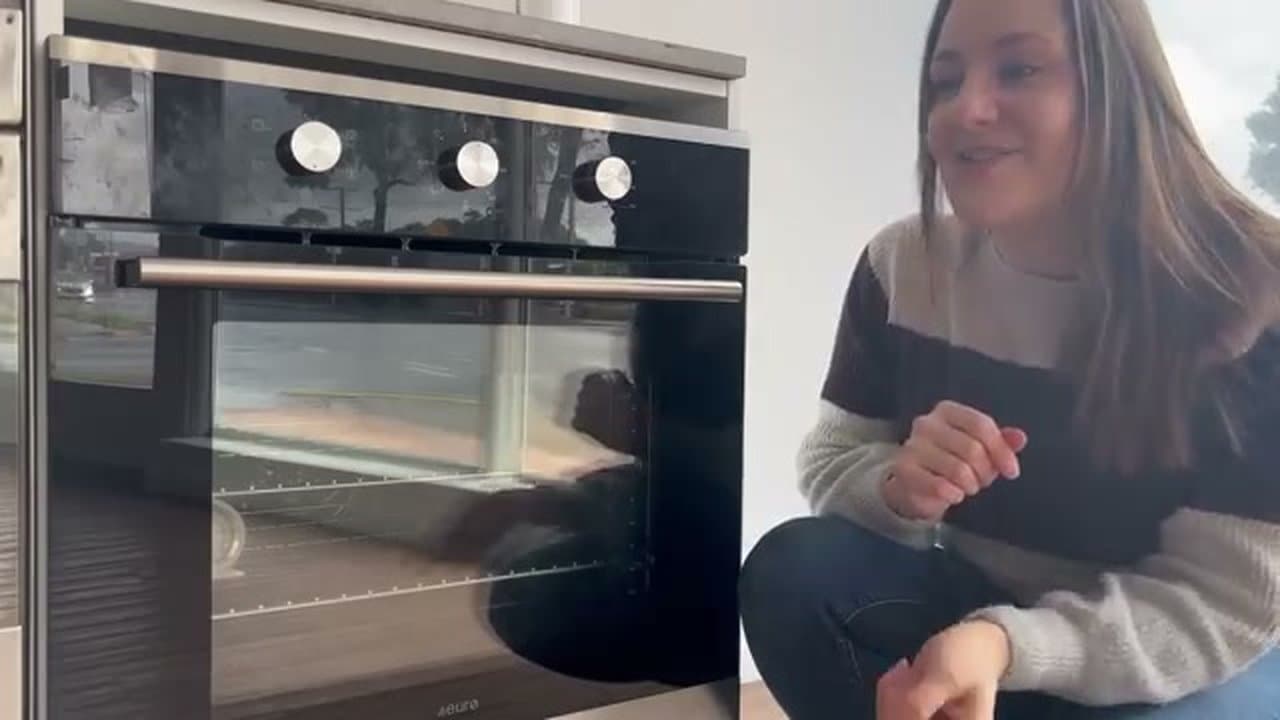
Before you turn anything on, slide an oven thermometer onto the middle rack. Cheap kitchen thermometers cost ten or fifteen dollars and they're the only honest way to know what temperature your oven is actually running.

Your dial says 130°C, but your oven might really be hitting 110 or 150. Polymer clay's working window is narrow - off by 20 degrees and you'll either burn pieces or leave them brittle. The thermometer takes the guesswork out.

Tip

Leave the thermometer in the oven permanently. You'll calibrate against it every time you bake, and it doesn't get in the way of cooking food either.

Products used in this step

2

Preheat to the Packet Temperature

3:20
Step 2: Preheat to the Packet Temperature

Read the temperature on your specific clay packet - different brands run from about 110°C up to 140°C. Set the oven dial accordingly and let it preheat fully before putting any clay in.

Cold-oven baking is the fastest way to under-cure pieces. The clay sits at warming temperatures for the first few minutes instead of curing temperature, so the timer runs out before the clay actually cooks. Wait for the thermometer to confirm temperature before moving on.

Tip

Different clay brands have different sweet spots. Sculpey Premo bakes at 130°C, Fimo Professional at 110°C, Cernit at 130°C. Check the packet every time you change brands.

3

Lay Pieces on a Ceramic Tile

4:40
Step 3: Lay Pieces on a Ceramic Tile

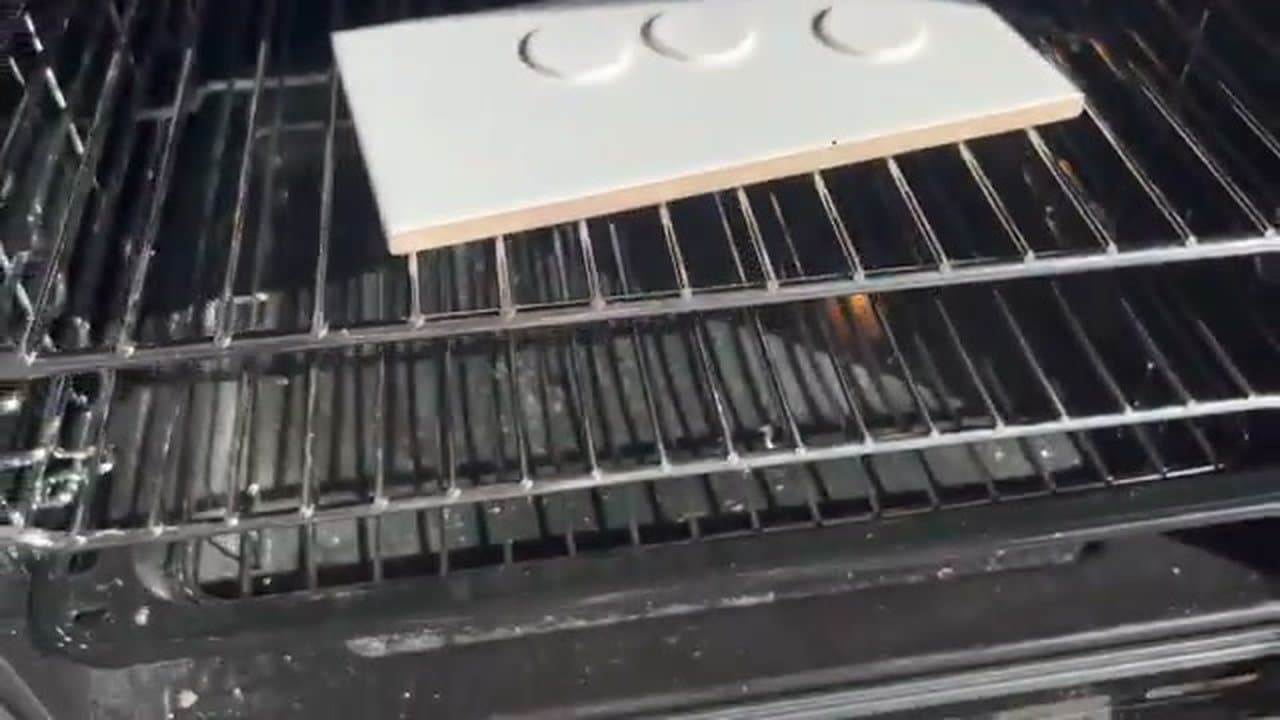
Polymer clay needs an even surface that conducts heat smoothly. A glossy ceramic tile from any hardware store works best - the glaze keeps clay from sticking and the mass holds heat steady. Plain copy paper or baking paper on a tray are decent backups.

Space pieces so they aren't touching. Slide the tile onto the middle rack of the oven once it's preheated. Don't put pieces on a metal pan directly - hot spots scorch the bottoms.

Tip

Run a few white tester pieces the first time you use a new oven. Scorching shows up clearly on white but not on dark colors, so you'll know if your dial setting needs adjusting before committing real pieces.

4

Close the Oven and Bake at Least 30 Minutes

2:10
Step 4: Close the Oven and Bake at Least 30 Minutes

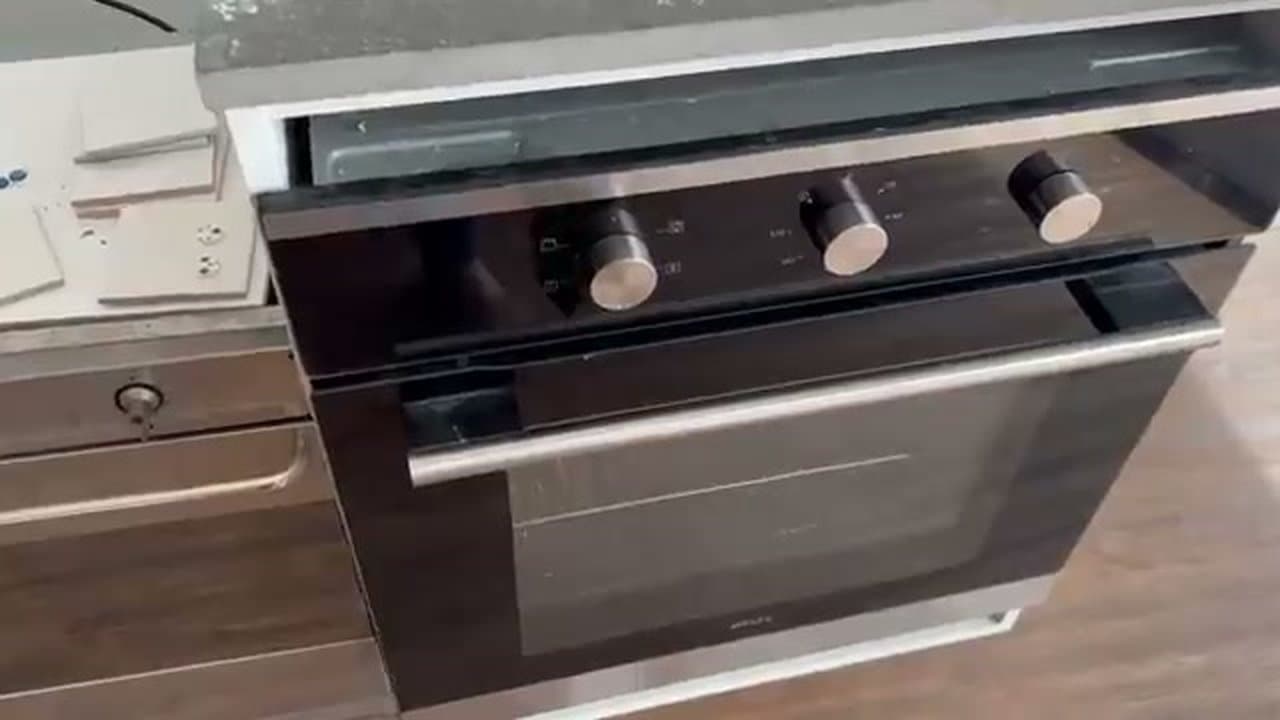
Set a timer for 30 minutes minimum. Polymer clay needs that full window for the plasticizers to fully cure - cutting it short to 15 or 20 minutes is the most common reason pieces come out brittle.

Good news: at the right temperature, polymer clay can't really over-bake. 40 minutes, 50 minutes, even an hour is fine. So if you're doing thicker pieces or aren't sure, leave them in longer rather than shorter.

Tip

You can bake polymer clay multiple times. Add details, bake again, sand it, bake again - it doesn't degrade with multiple cures as long as the temperature stays correct.

5

Test the Cure With the Bend Test

0:55
Step 5: Test the Cure With the Bend Test

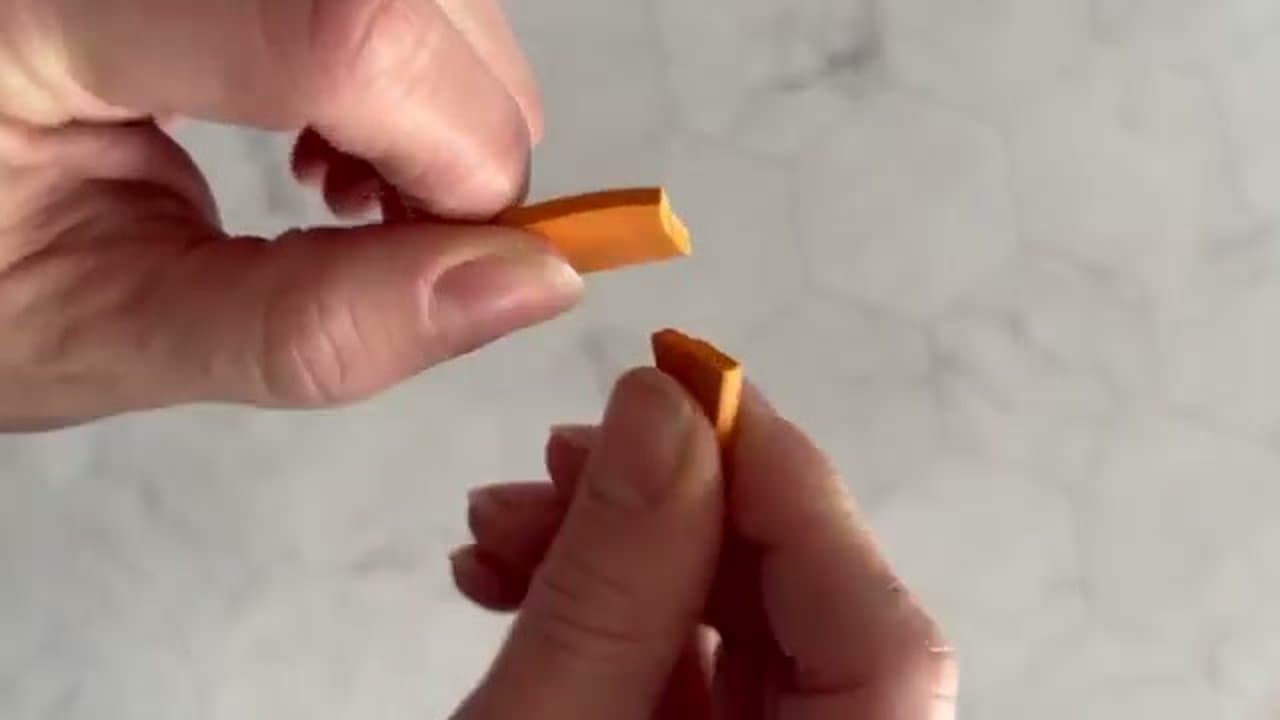
Pull pieces out and let them cool to room temperature - clay is fragile while it's still warm. Once cool, pick a thin piece and try to flex it gently between your fingers.

Properly cured polymer clay has a tiny bit of give. That flex means the plasticizers locked in correctly. If the piece snaps cleanly in half, or if drilling a jump-ring hole crumbles the clay around it, you under-baked. Pop the rest of the batch back in for another 15-20 minutes - you can always re-bake.

Tip

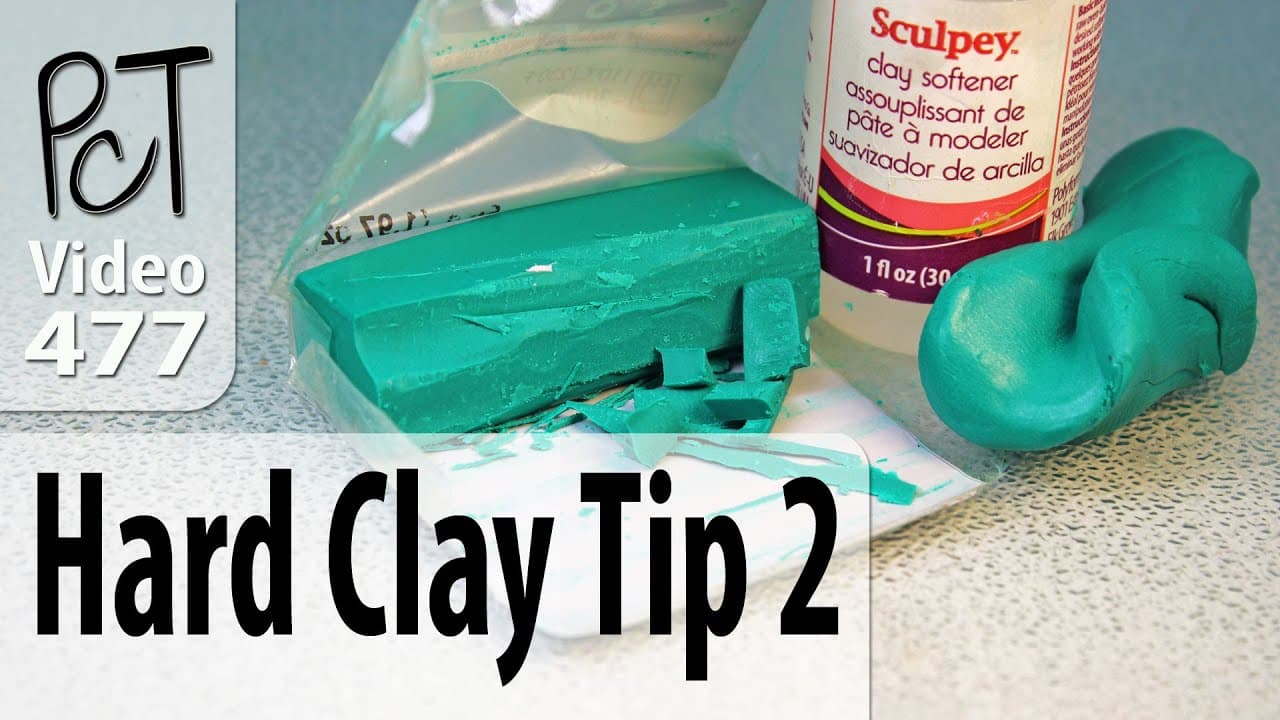
If pieces are brittle even when temperature and time are right, the issue may be the clay itself. Sculpey III is a modeling clay - too soft for jewelry. Switch to Sculpey Premo, Fimo Professional, or Cernit for anything that needs durability.

Products Used

☐ The Checklist

How to Bake Polymer Clay

Tools
3
Materials
1
Steps
5
Video
9 min

Your Guide

MyClayCo

As an Amazon Associate we earn from qualifying purchases. Links on this page may be affiliate links - clicking them and buying doesn't change your price, but helps support ShowMeStepByStep.

Tags

Related Tutorials