How to Hand Build Pottery: 7 Step Beginner Guide (No Wheel Needed)

PotteryEasy8:427 steps

By CraftingStepByStepPublished Updated

Based on a video by Clay Corner Studio.

Most people think pottery requires a wheel, a kiln, and a studio. It doesn't. The three fundamental hand-building techniques - pinch pot, coiling, and slab building - have been used to make every kind of vessel, plate, and sculpture for thousands of years before wheels existed. With a block of clay and your hands, you can make almost anything.

This walkthrough from Clay Corner Studio covers all three techniques in one tutorial. Once you have these moves down, you can combine them - coil rim on a pinched bowl, slab walls with a coiled handle, pinch-pot feet on a slab plate. Each technique opens a different range of forms.

Step-by-Step Guide

1

Step 1: Wedge the Clay First

0:33
Step 1: Step 1: Wedge the Clay First

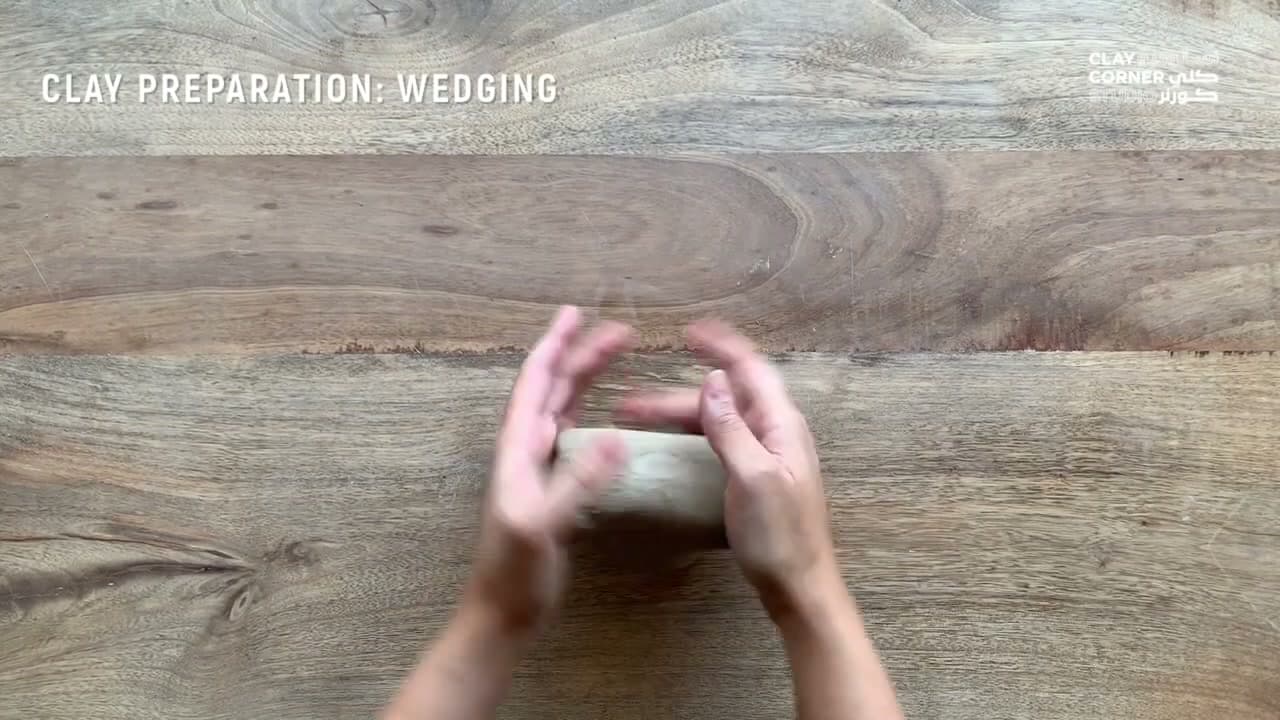
Wedging is a kneading technique that compresses the clay, removes trapped air bubbles, and makes the consistency uniform throughout. Skip this step and air pockets cause cracks during drying or firing - and uneven clay makes uneven pots.

Roll the clay forward with the heels of your palms, fold it back, and repeat 30-50 times. The motion looks like kneading bread dough. When the clay slices clean (using a wire cutter) with no visible air pockets, it's ready.
2

Step 2: Make a Pinch Pot

1:12
Step 2: Step 2: Make a Pinch Pot

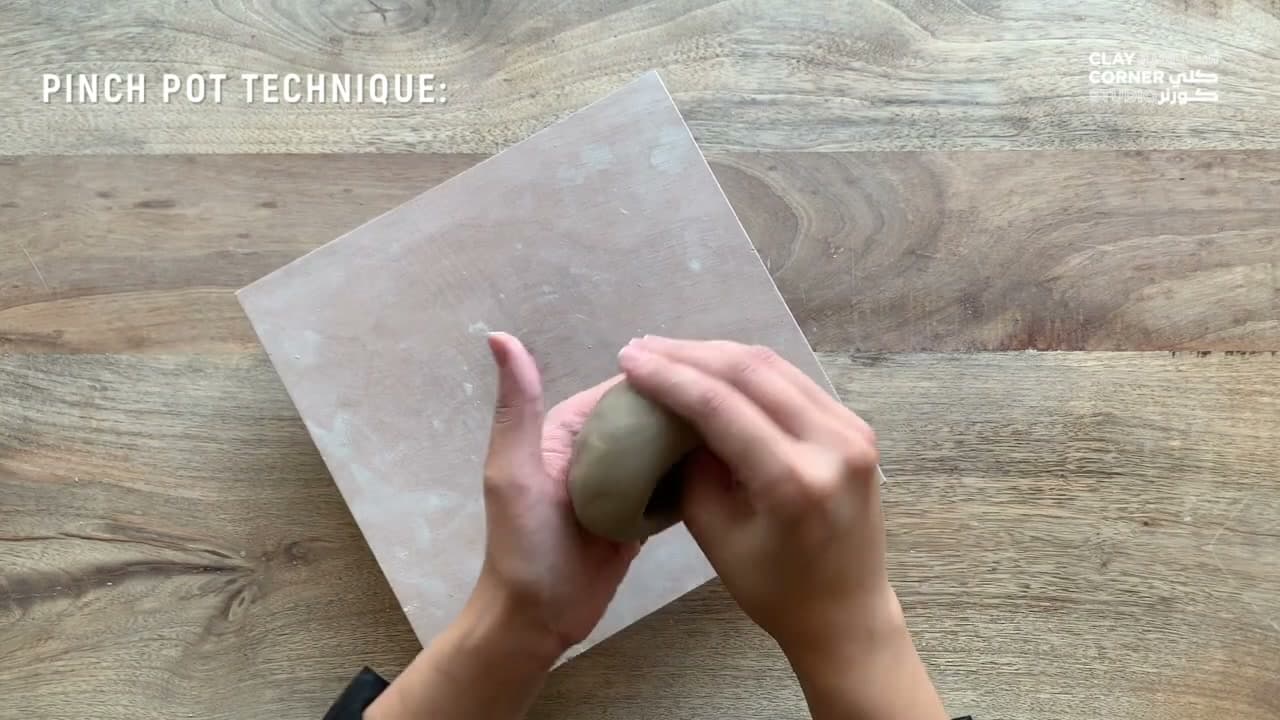
Roll the wedged clay into a smooth ball about the size of your palm. Push your thumb straight down into the center, stopping about half an inch from the bottom - thumb deeper than that and you'll punch through.

Pinch the wall between your thumb (inside) and fingers (outside), rotating the ball as you go. Work slowly. The wall should be the same thickness all the way around - aim for a quarter-inch. Smooth cracks as they appear with a damp finger.

Products used in this step

3

Step 3: Roll Coils for the Coiling Technique

2:10
Step 3: Step 3: Roll Coils for the Coiling Technique

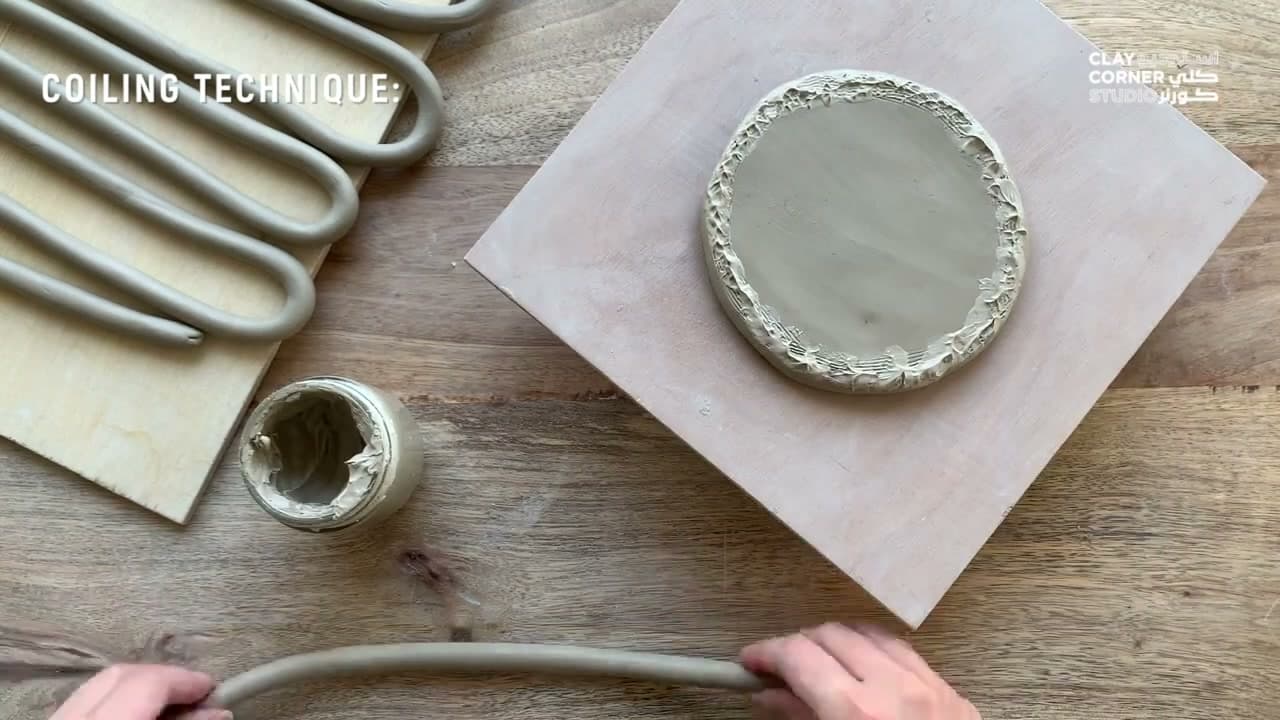
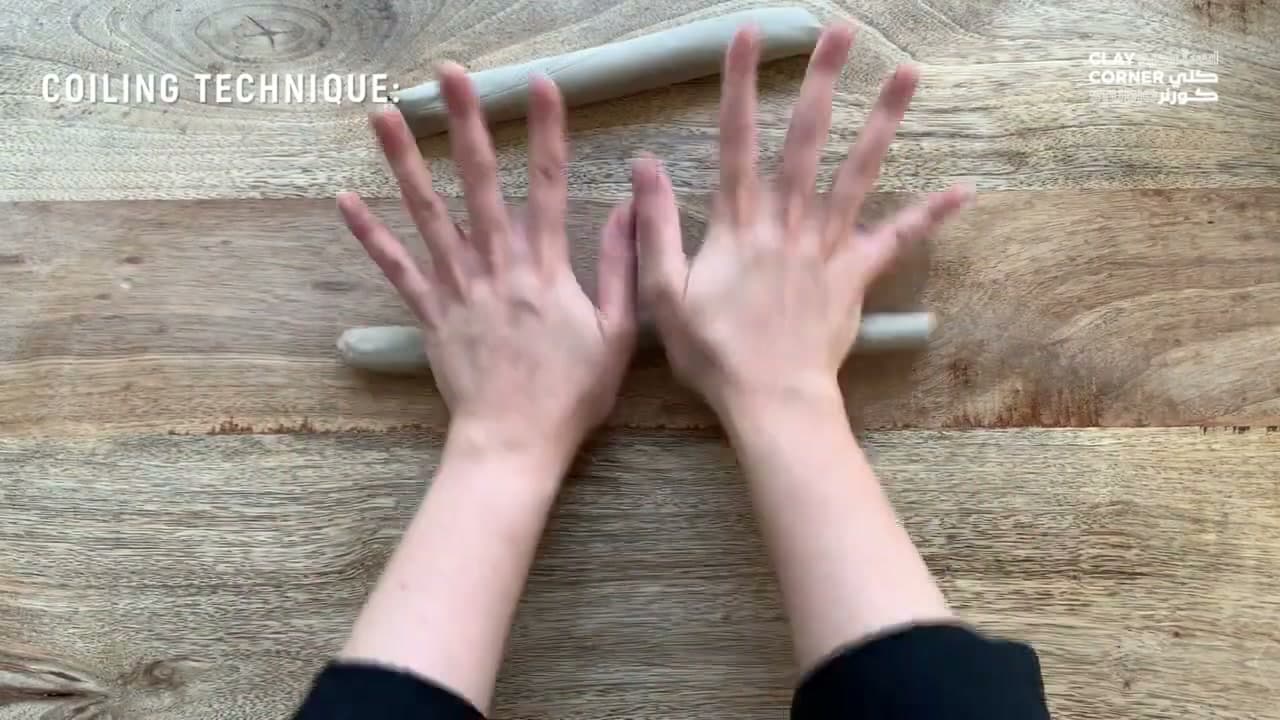
Take a chunk of clay about the size of an egg. Shape it into a thick rope between your hands, then place it on the table. Roll it back and forth using the full length of your palms - hands together in the middle, then sliding outward as the rope lengthens.

Pencil-thickness is a good target. Avoid short rolling motions - they create flat spots. Cover finished coils with a damp towel so they don't dry out while you build.

Products used in this step

4

Step 4: Score and Slip to Attach Coils

3:25
Step 4: Step 4: Score and Slip to Attach Coils

Build a base first - either a small pinched disc or a flattened ball. Use a pen tool or fork to scratch crosshatched lines on top of the base around the perimeter, then on the bottom of your first coil. Brush slip (clay mixed with water to a yogurt consistency) onto the scored areas.

Press the coil down onto the base and seal the joint by smudging the inside seam with your thumb. Score-and-slip every joint - skip it and the joints crack as the piece dries.

Products used in this step

5

Step 5: Stack and Smooth the Coils

5:15
Step 5: Step 5: Stack and Smooth the Coils

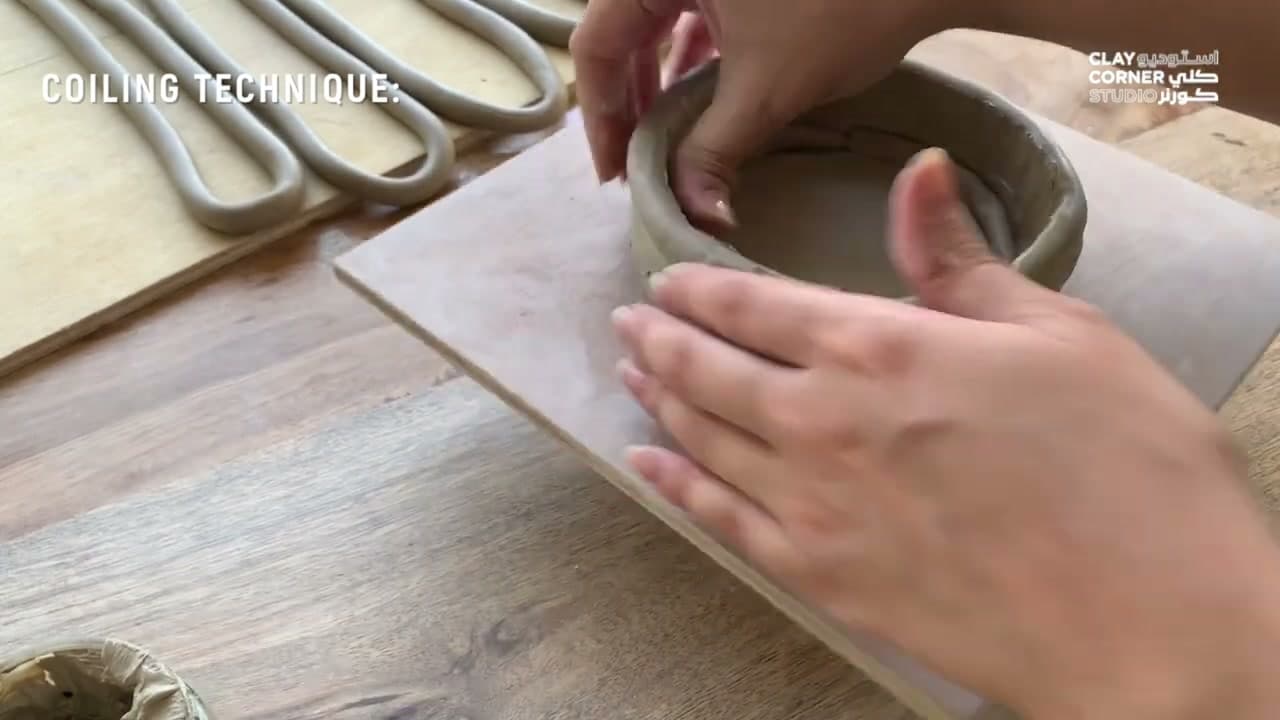
Add coil after coil, scoring and slipping each new one to the row below. Stagger the seams (where one coil ends) so they don't all line up vertically and create a weak spot.

Once you have a few rows stacked, smooth the inside (or outside, or both) with a wooden rib tool. Drag the rib up and down to blend the coils into a flat wall - this strengthens the wall and gives you a clean look. You can leave the outside coils visible for a textured look.

6

Step 6: Roll a Slab With Rolling Guides

5:48
Step 6: Step 6: Roll a Slab With Rolling Guides

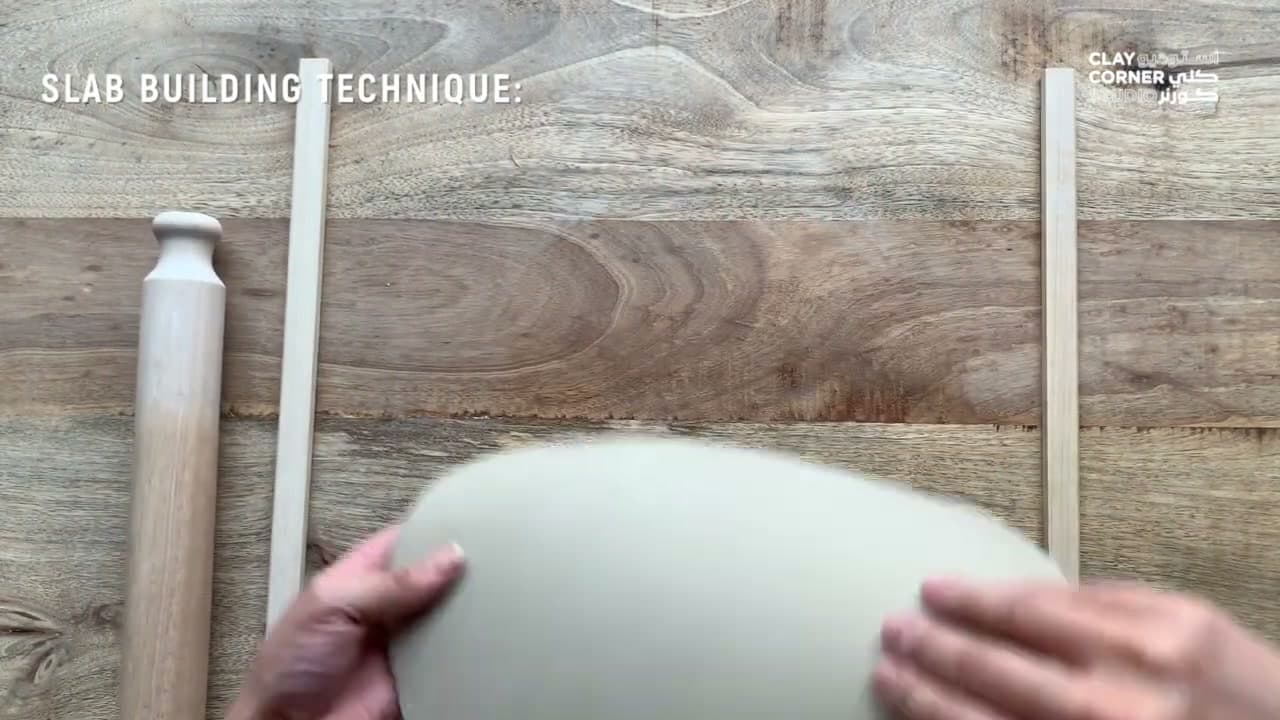
For slab building, lay two wooden rolling guide sticks (a quarter-inch thick) parallel on your work surface, about a foot apart. Pat your clay flat into a rough disc, place it between the guides, and roll over it with a rolling pin.

The pin rides on the guides and stops you from making the slab thinner than the guides. Lift and rotate the slab every few passes to keep it from sticking and to even out the spread. Smooth the surface with a rib tool when done.

7

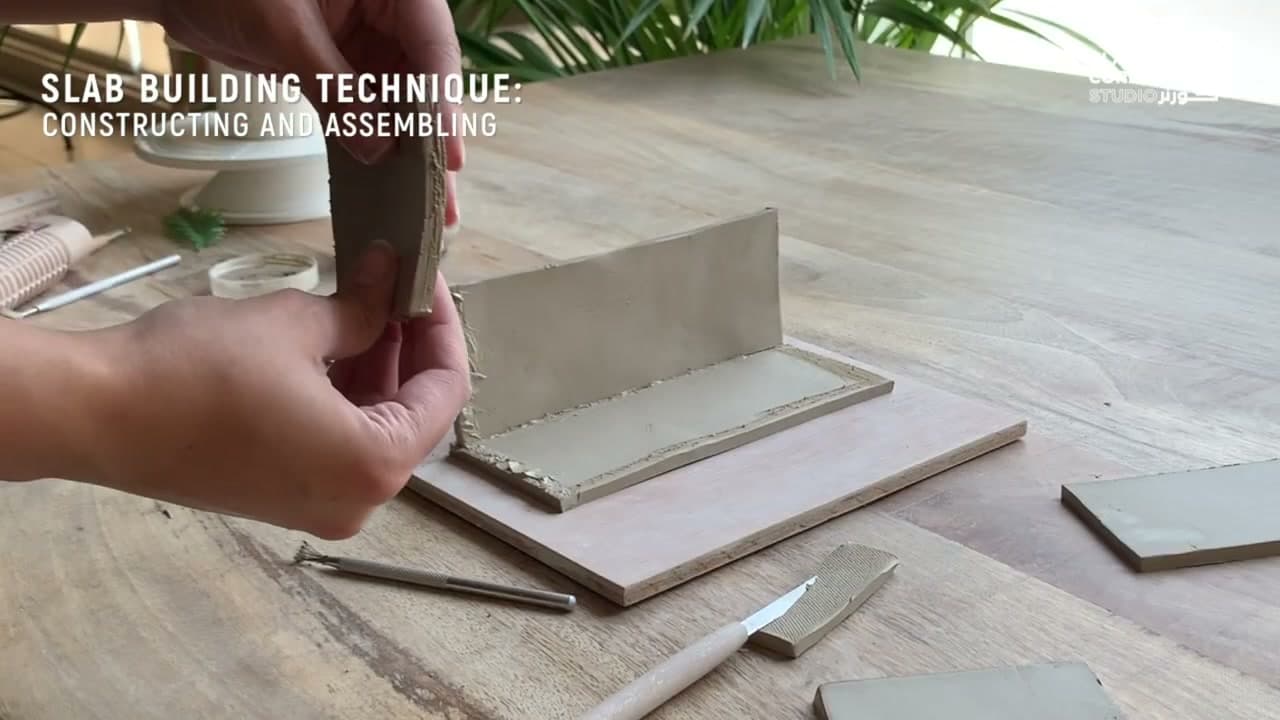
Step 7: Cut and Assemble Slab Pieces

7:55
Step 7: Step 7: Cut and Assemble Slab Pieces

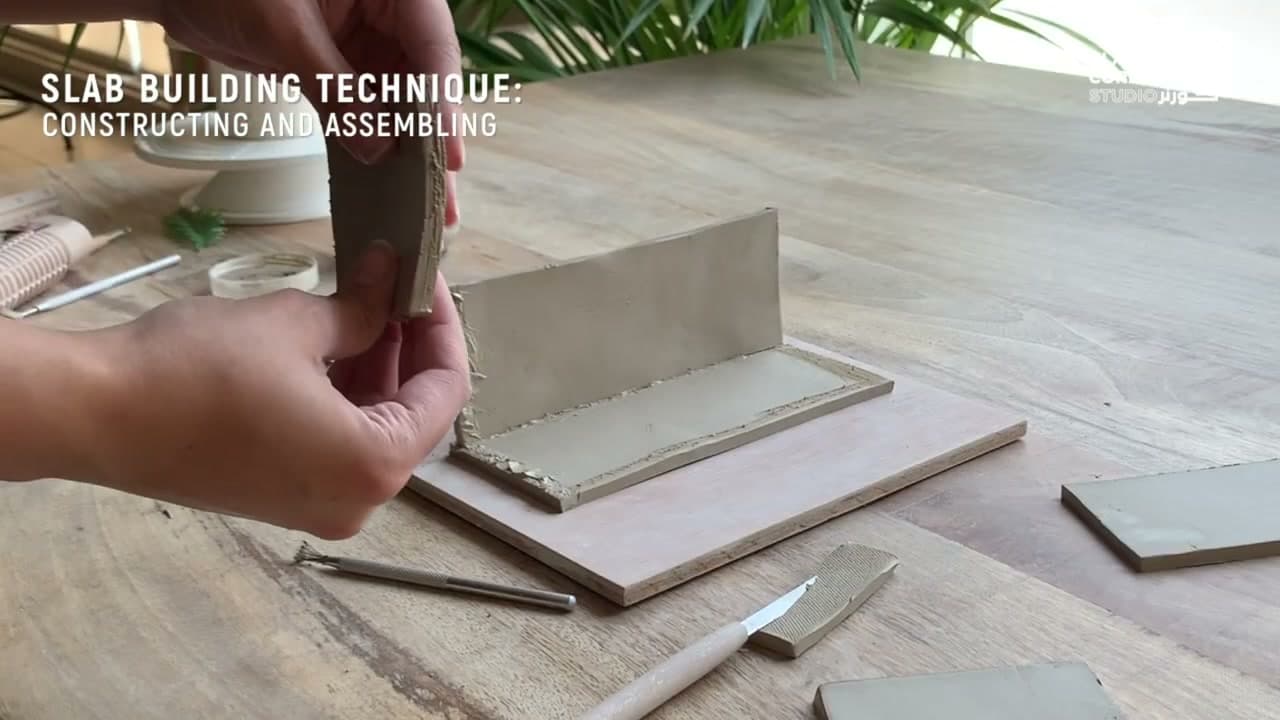
Cut shapes from the slab with a clay knife - a base, walls, and (optional) a top. Use paper templates to keep multiple pieces matching. Score and slip every joining edge before pressing pieces together.

Press the pieces firmly. Smudge the inside seams with your thumb and reinforce with a small coil pressed into the corner. Smooth with a damp sponge. The same technique works for boxes, plates draped over molds, picture frames, and anything else with flat panels.

Tip

Don't try to combine all three techniques on your first project. Pick one - pinch pot is the easiest - and make a few simple bowls before adding coiled rims or slab feet. Each technique takes practice to feel natural.

Products used in this step

Products Used

☐ The Checklist

How to Hand Build Pottery: 7 Step Beginner Guide (No Wheel Needed)

Tools
7
Materials
3
Steps
7
Video
9 min

Your Guide

Clay Corner Studio

As an Amazon Associate we earn from qualifying purchases. Links on this page may be affiliate links - clicking them and buying doesn't change your price, but helps support ShowMeStepByStep.

Tags

Related Tutorials