How to Weave in Ends (Crochet and Knitting Method That Never Comes Undone)

CrochetEasy5:096 steps
Also in:Knitting

By CraftingStepByStepPublished Updated

Based on a video by Nicki's Homemade Crafts.

Weaving in ends is the step that decides whether your crochet or knit project holds up after years of wear or unravels in the first wash. Nicki from Nicki's Homemade Crafts shows two ways to do it. The first is fast and clean. The second takes a minute longer but is even stronger because you split the plies.

Both methods use the same tool kit and the same zigzag path through the fabric. They work the same on crochet stitches and on knit stitches, so save this one for every finished piece you make.

Step-by-Step Guide

1

Step 1: Gather Your Needle, Scissors, and Finished Piece

0:39
Step 1: Step 1: Gather Your Needle, Scissors, and Finished Piece

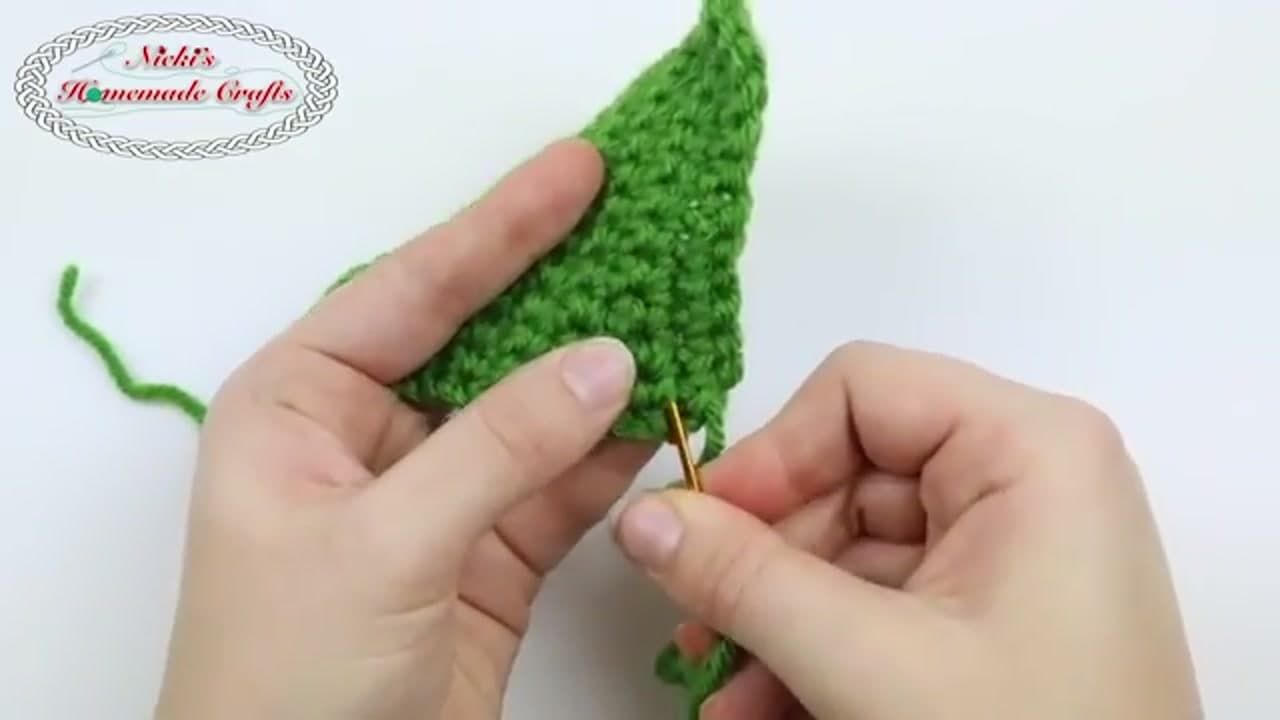
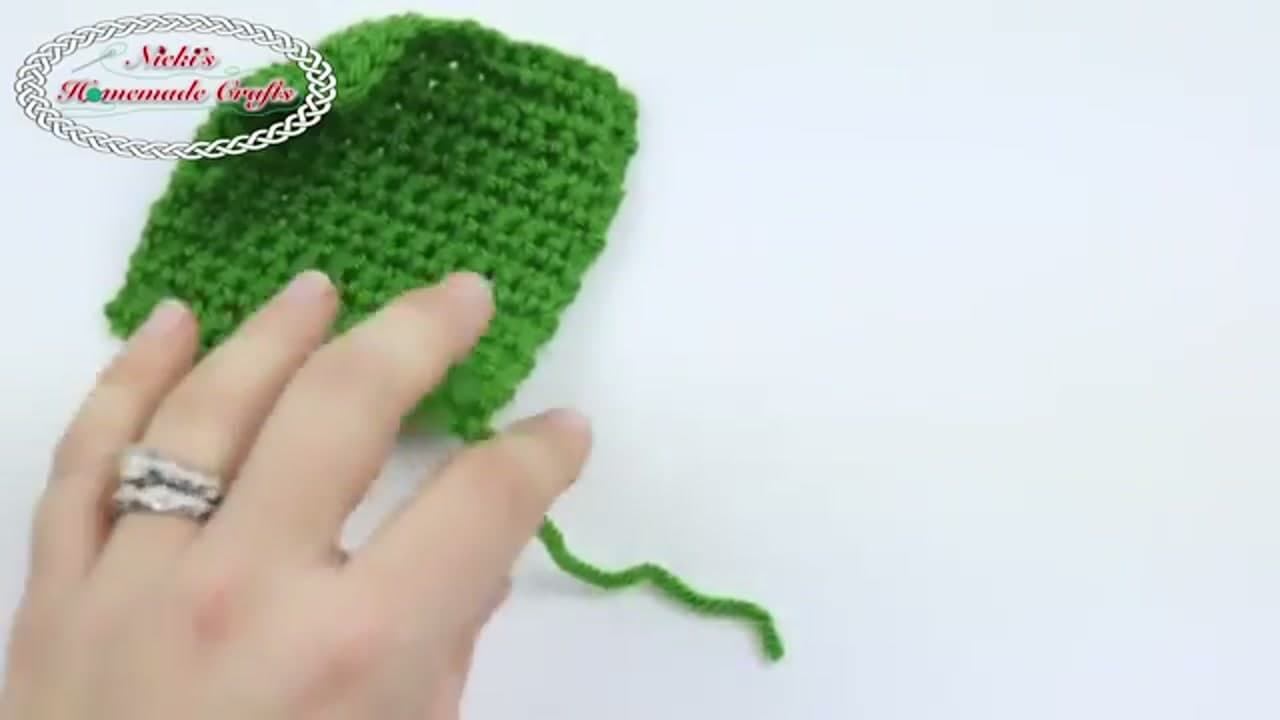
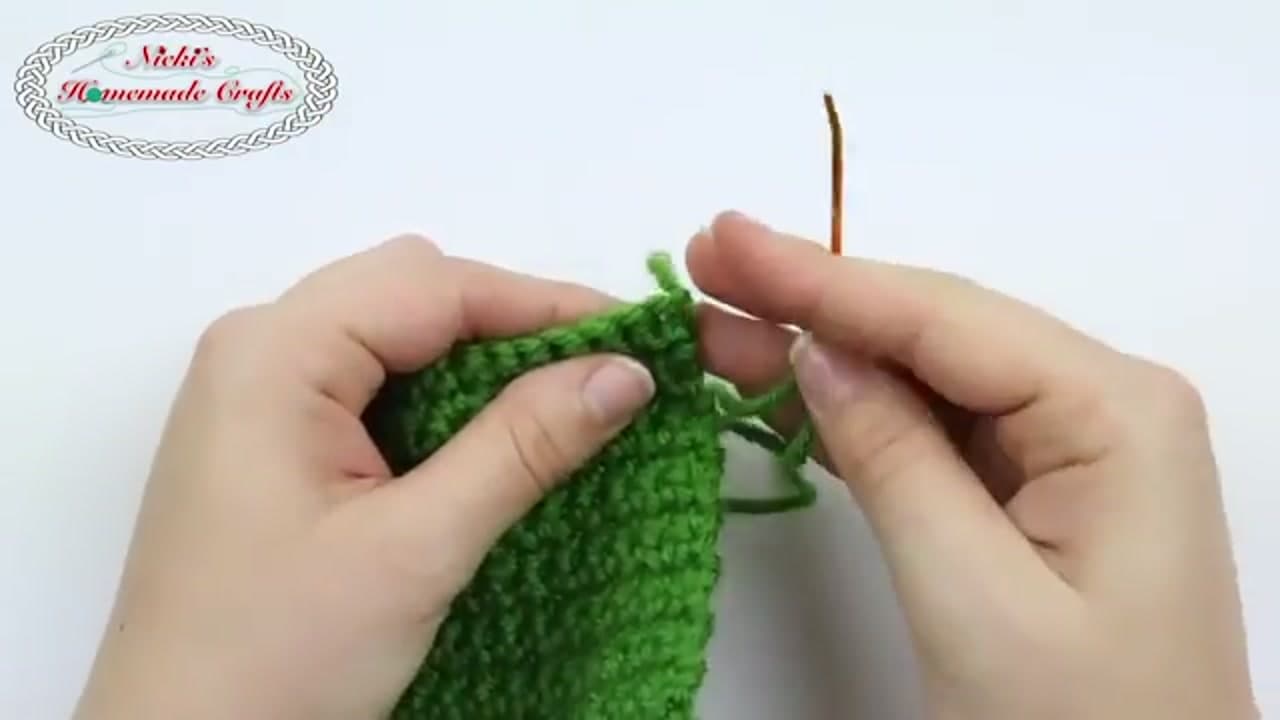
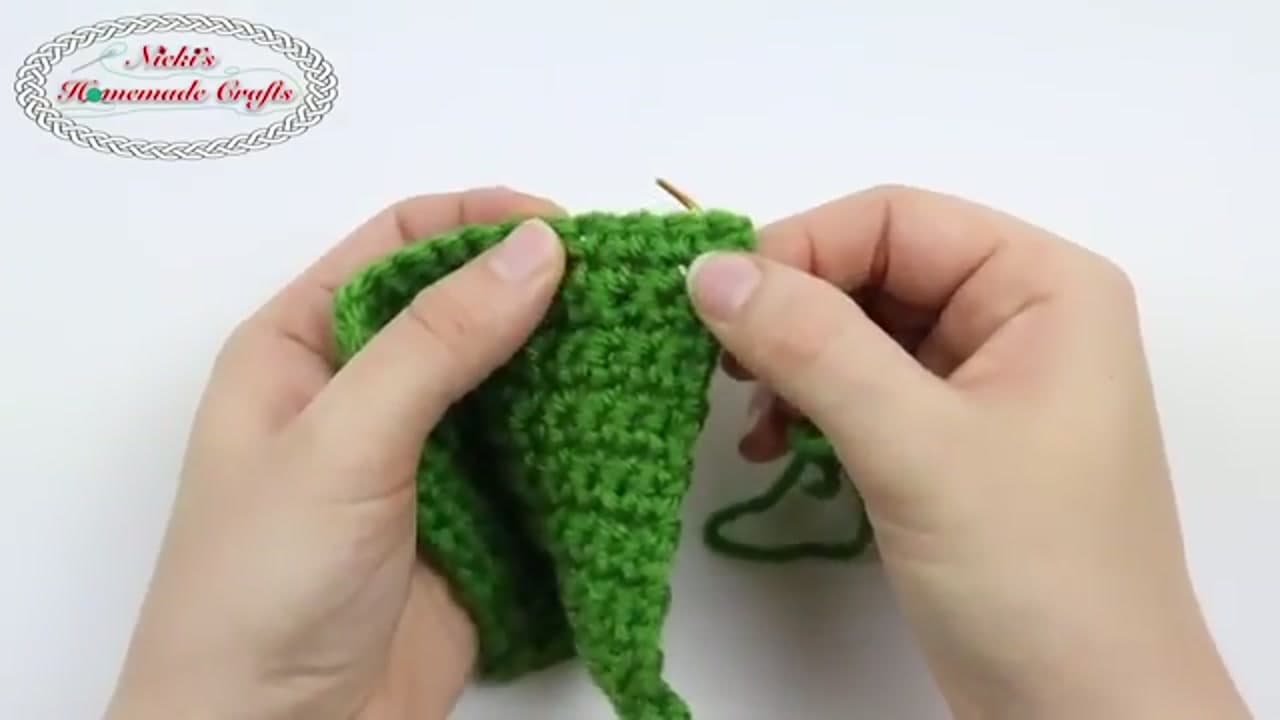
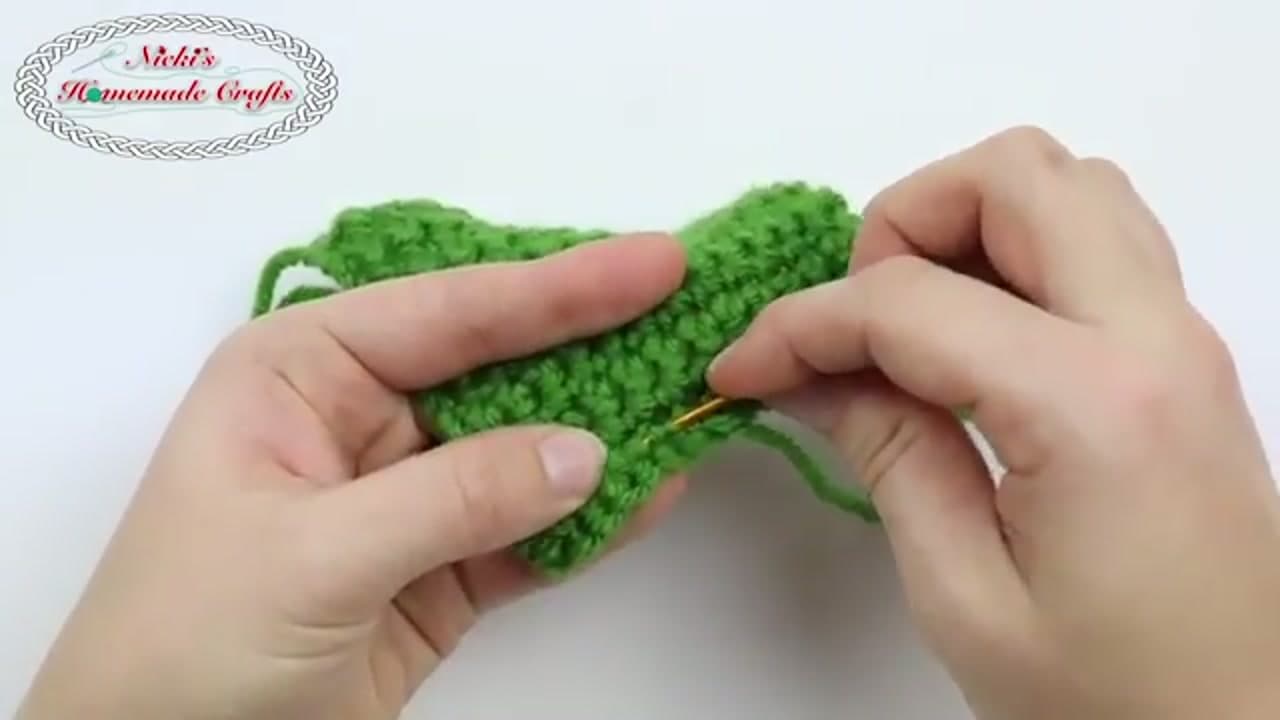
Grab your finished crochet or knit piece with the loose tail still attached, your tapestry needle, and a pair of small scissors. A blunt-tip tapestry needle is what you want here because it slides between yarn strands instead of splitting them.

Thread the tail onto the needle and take a look at where your stitches sit. You can see the little V shapes on the front and the bumps on the back. Those are the paths you will follow to lock the end in place.

Tip

If your tail is shorter than about four inches, leave a longer tail next time. A short tail will not give you enough length to do all four passes.
2

Step 2: Run the Needle Through the Tunnel of Stitches

0:52
Step 2: Step 2: Run the Needle Through the Tunnel of Stitches

Slide the needle into the body of a stitch so it travels through what Nicki calls the tunnel. You are going under one stitch and out a few stitches over, staying inside the fabric instead of stabbing across the top.

If your piece has color changes, stay inside the matching color so nothing peeks through on the front. Pull the yarn through, but stop before it tightens. Tugging too hard will pucker the fabric and leave a dent on the right side.

Tip

Aim for three to four stitches per pass. Any longer and the yarn ends up sitting on the surface instead of inside the fabric.

Products used in this step

3

Step 3: Reverse Direction and Weave Back

1:32
Step 3: Step 3: Reverse Direction and Weave Back

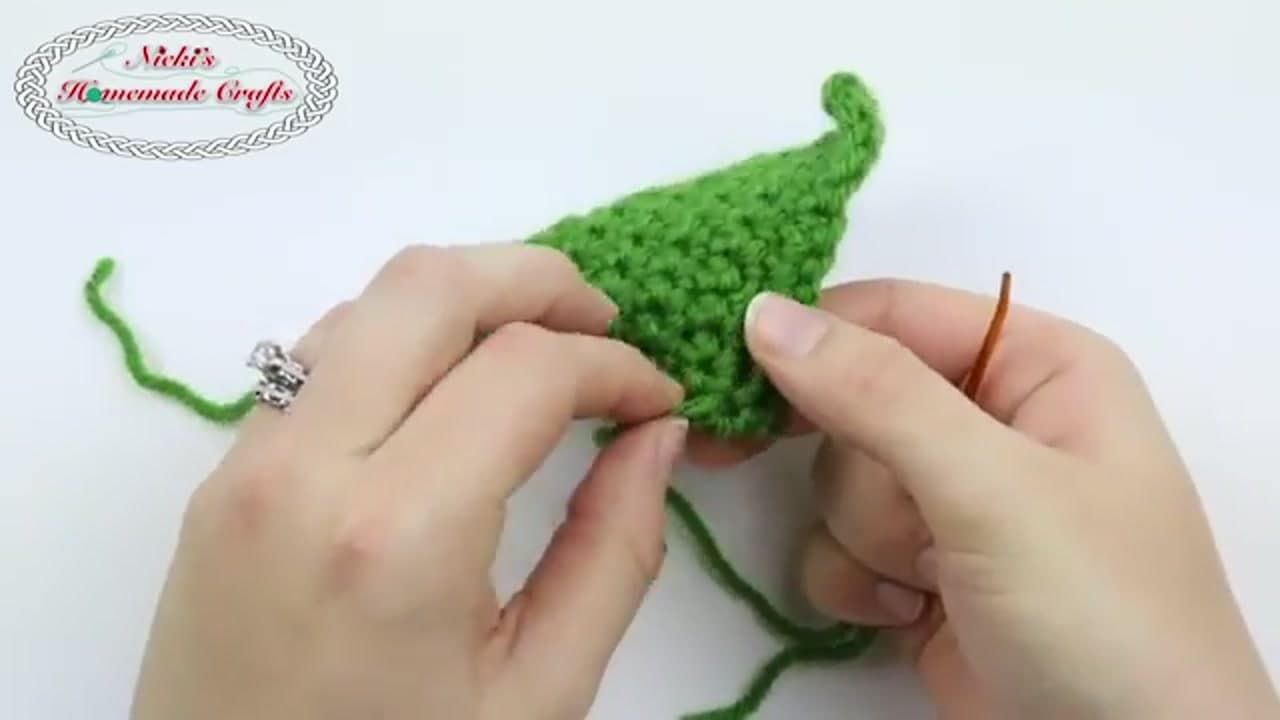
Now reverse direction. Shift the needle over by one stitch and weave back the way you came, running parallel to your first pass.

This is the move that locks the end in. Yarn that travels only one way can wiggle loose, but a yarn that doubles back has to fight friction in two directions. Take it slow and keep your tension light. You should still see the V of each stitch on the front of the work.

Tip

Flip the work over after each pass and check the front. If you see the tail color bleeding through, ease off the tension and shift over another stitch.

Products used in this step

4

Step 4: Drop a Row and Zigzag Again

1:50
Step 4: Step 4: Drop a Row and Zigzag Again

Drop down one row and run the needle through a third path, then shift over and zigzag back one more time. You will end up with a small back-and-forth ladder hidden inside the fabric.

Four short passes is the sweet spot for worsted-weight yarn in crochet or knitting. Any less and a stubborn tail can creep back out in the wash. Any more and you will feel a stiff lump on the wrong side of the piece.

Tip

Heavier yarns like chunky or super-bulky only need two or three passes. Lace and fingering weight need five or six because the tail has less friction to grab.

Products used in this step

5

Step 5: Trim Long, Then Stretch the Fabric

2:13
Step 5: Step 5: Trim Long, Then Stretch the Fabric

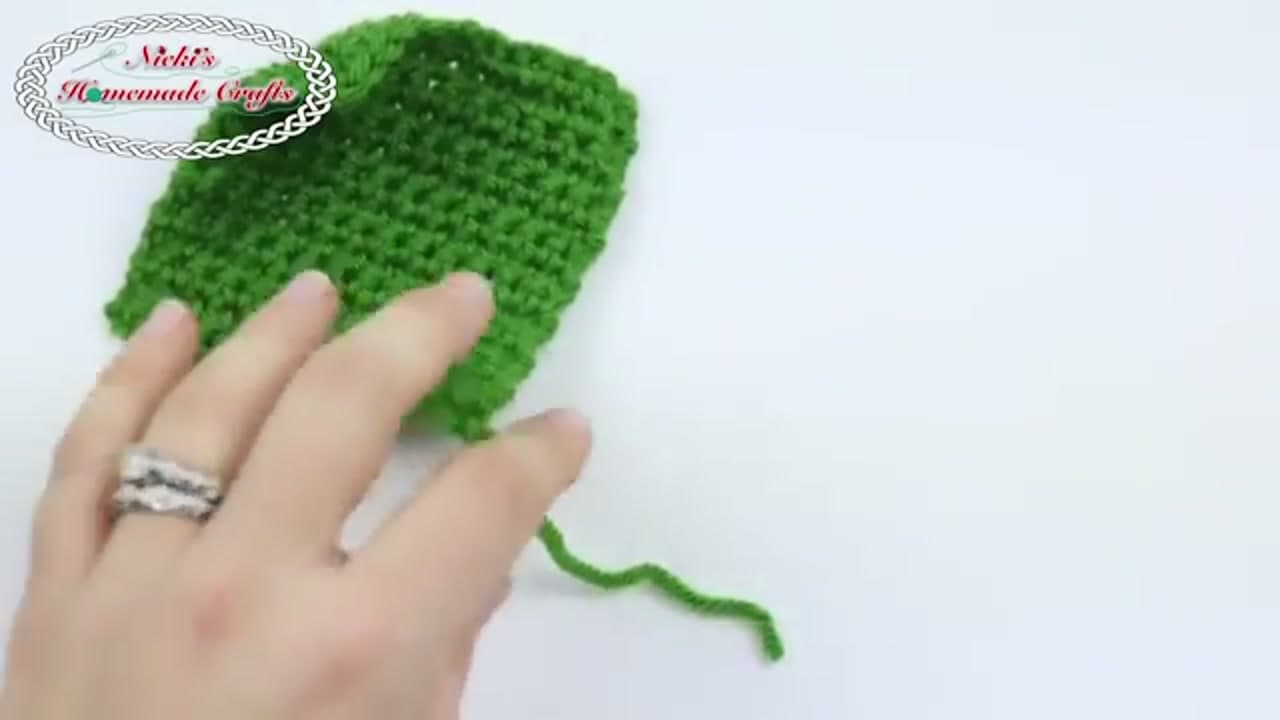
Give the tail one last gentle pull so a tiny bit extra sticks out past the fabric, then snip it close with sharp scissors. Do not cut flush yet.

Now stretch the piece in both directions like you are blocking it. That short tag end you left will pull itself back inside the stitches and disappear. If any yarn still pokes through after stretching, tug the fabric again. The tail should retract on its own.

Tip

Sharp embroidery scissors give you a cleaner cut than fabric shears. A clean cut tucks in flush, while a frayed cut wants to fluff back out.

Products used in this step

6

Step 6: Split the Plies for a Stronger Finish

2:34
Step 6: Step 6: Split the Plies for a Stronger Finish

For a stronger finish on plied yarn, untwist the tail and separate the plies before you weave. Nicki uses four-ply, so she splits it into two pairs. Thread each half onto the needle one at a time and weave them through different tunnels in different directions.

Splitting the tail spreads the bulk and makes it nearly impossible for the end to unravel as a single strand. Trim and stretch the same way you did before so each piece hides inside the fabric.

Tip

Use this method on heirloom pieces, anything that will be machine-washed often, and on slippery yarns like cotton or bamboo that fight back against a single weave.

Products Used

☐ The Checklist

How to Weave in Ends (Crochet and Knitting Method That Never Comes Undone)

Tools
2
Materials
1
Steps
6
Video
5 min

Your Guide

Nicki's Homemade Crafts

As an Amazon Associate we earn from qualifying purchases. Links on this page may be affiliate links - clicking them and buying doesn't change your price, but helps support ShowMeStepByStep.

Tags

Related Tutorials