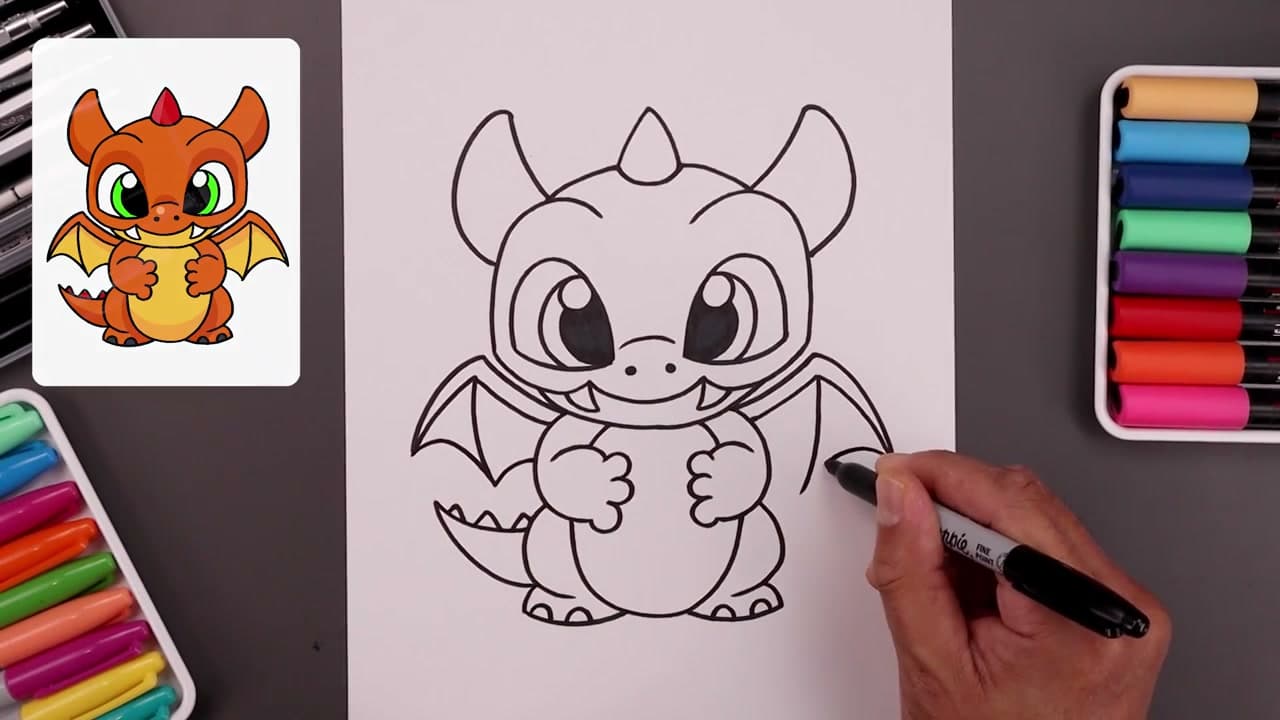
This dragon is a friendly one. Big eyes, little horns, folded arms, and a smile with two fangs sticking out. Nothing scary - a chubby cartoon dragon you can finish in about half an hour with a marker and a sheet of paper.
The lesson comes from Cartooning Club Junior, the kid-friendly channel from the team behind Cartooning Club. They build it one shape at a time, working from the eyes outward: eyes, nose and mouth, brows, head, horns, arms, body, legs, tail, wings. By the time you reach the wings the dragon is mostly drawn.
Work in marker so your lines stay confident. A light pencil sketch first is fine if you want to plan the layout, but the original walkthrough goes straight to ink. Keep strokes short and let the cartoon feel come from soft curves rather than tight edges.
Cartoon dragon vs realistic dragon
The skeleton is the same. What changes is proportion. A cartoon dragon gets a huge head, eyes that take up half the face, a short round body and stubby legs. A realistic one flips that: small head, long neck, deep chest, muscular legs and wings wide enough to lift it. If you want to go more realistic later, keep this drawing's order of shapes and stretch everything out.
The shapes underneath
Every dragon is four shapes: a head, a neck, a body and a tail. On this one the neck is hidden because the head sits on the shoulders. On a longer dragon, draw the neck and tail as one flowing S-curve that runs through the body. That single line decides the whole pose, so get it right in pencil before adding anything else.
How to draw dragon wings
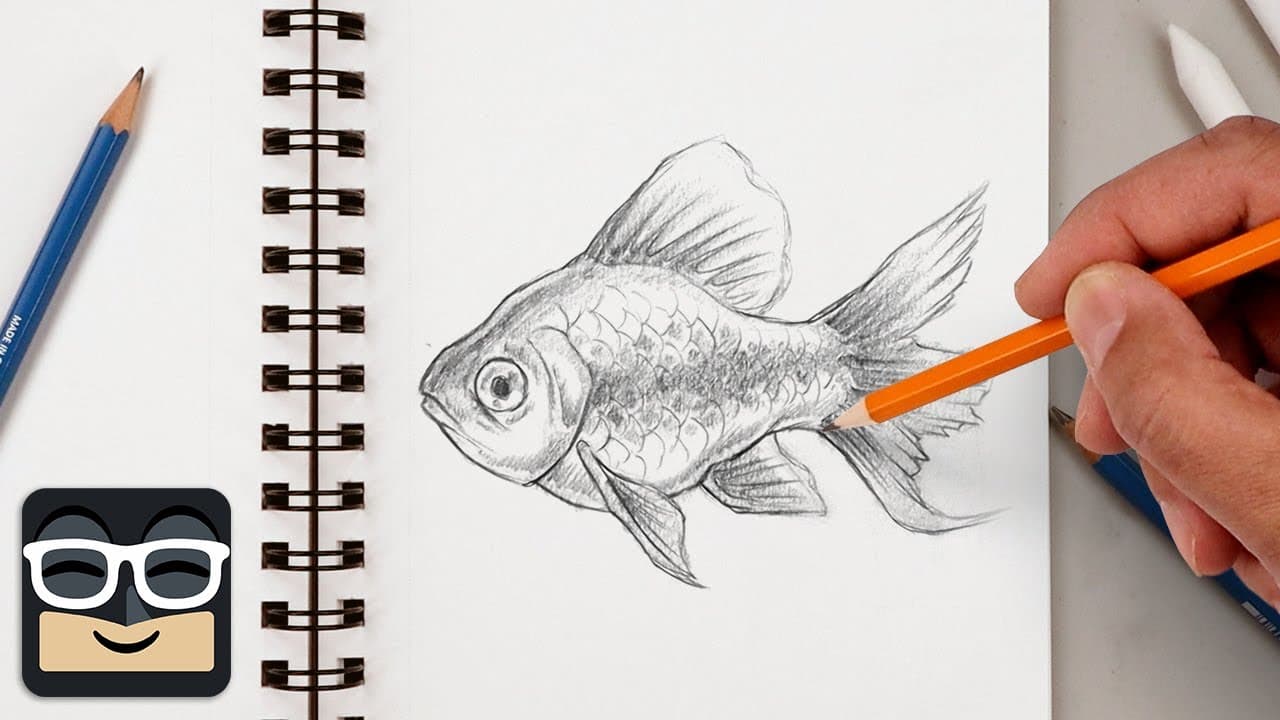
Most dragons use bat-style wings: a few long finger bones with thin skin stretched between them, and a scalloped edge that dips between each bone. Feathered wings look more like a bird and suit a gentler, fairy-tale dragon. Either way, attach the wing at the shoulder, right behind the arms, not in the middle of the back. The bat drawing is good practice for the membrane shape.
Horns, spikes and scales
Less is more. Two or three horns, a row of spikes that shrinks toward the tail tip, and a few scale marks on the belly read as "dragon" instantly. Covering every inch in scales makes a cartoon look busy and muddy. Suggest texture in one or two places and let the eye fill in the rest.
Poses and color ideas
- Sitting: the pose in this tutorial. Arms folded, tail curled to one side.
- Flying: wings spread up and out, legs tucked back, tail trailing in an S.
- Curled up: body in a circle, tail wrapped around to the nose, wings folded flat.
For color, orange with a yellow belly is the classic. Green with a pale green belly, purple with pink wings, or blue with silver horns all work too. Keep the belly and wing skin a lighter shade of the body color.
Dragon drawing ideas to try next
- Baby dragon in an egg. Draw the head and arms from this lesson, then a cracked eggshell around the belly instead of legs.
- Fire breathing. Open the mouth wide and add a flame that starts thin at the lips and puffs out into a big cloud shape.
- Dragon on a treasure pile. Curl the tail around a heap of coins and gems. Circles and diamonds are all you need.
- Chinese dragon. Drop the wings and stretch the body into one long wavy S, with whiskers, a mane and four short legs.
- Head only. Draw steps one to four bigger and stop. Good for a sticker or a bookmark.
Common mistakes
- Wings too small. If they could not lift the body, they look like decoration. Make each wing at least as tall as the head and body combined.
- Neck too stiff. A straight neck looks like a pipe. Bend it.
- Too many details. Stop once it reads as a dragon. Extra scales and spikes flatten the drawing.
- Eyes different sizes. Draw both outlines before filling either pupil.
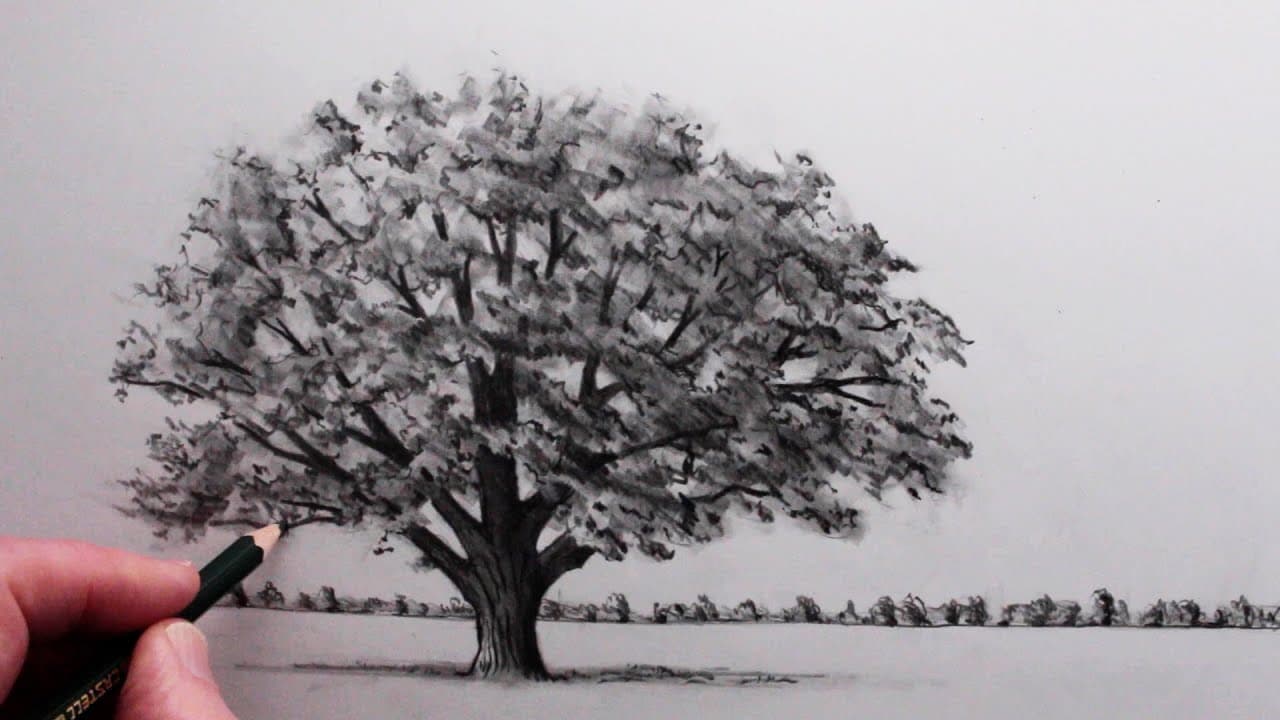
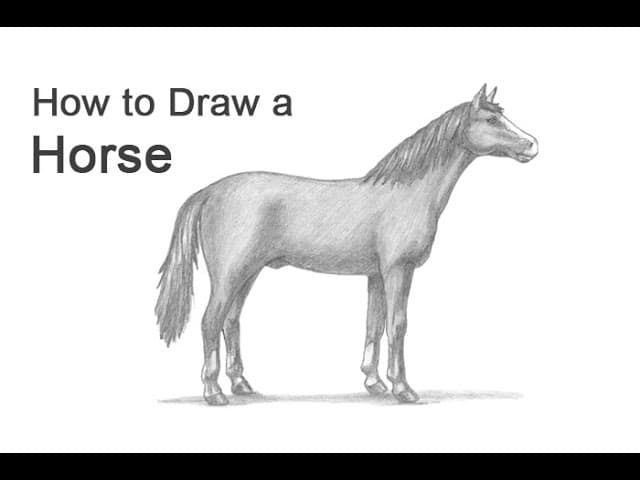
A dragon borrows its anatomy from animals you already know how to build. Try the lion for a strong face and the horse for legs and a long neck. If the sketching and shading feel like guesswork, the fundamentals - pencil grades, the light-pass method and picking a light source - are at how to draw.