How to Use a Jigsaw
Source: Training Hands Academy • Full tutorial: www.craftingstepbystep.com/woodworking-crafts/how-to-use-a-jigsaw
- Difficulty
- Easy
- Hands-on time
- About 25 minutes
- Cost
- About $8 to $15
Tools
- jigsaw
- speed square
- combination square
- bar clamps
- cordless drill
- safety glasses
Materials
- jigsaw blade set (wood and metal)
- carpenter's pencil
- 2x4 lumber
- plywood scrap
Steps
1. Get to Know the Jigsaw
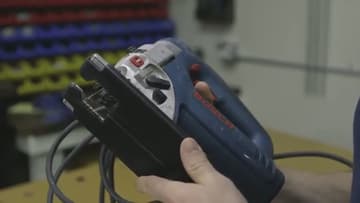
Before you cut anything, look the tool over. The blade clamps into the front, the flat metal base is called the shoe, and up top you have a speed dial and an orbital setting.
Tip: Unplug the saw or pull the battery before you touch the blade clamp. It only takes a second and it saves fingers.
2. Choose the Right Blade
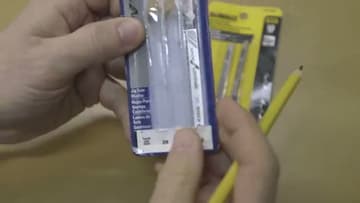
Blades are not all the same. The number on the pack is the tooth count, and it tells you a lot.
3. Install the Blade
Most modern jigsaws take blades without a tool. Flip the release lever, slide the blade into the clamp with the teeth facing forward, and let the lever snap back.
Tip: Teeth point toward the front of the saw and cut on the up-stroke. Load it backward and it will just chatter instead of cutting.
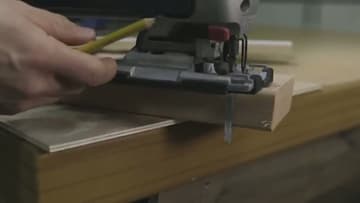
4. Make a Straight Cut Through Lumber
Line the blade up on the outside of your pencil mark, rest the front of the shoe on the wood, then squeeze the trigger and let the blade get up to speed before it touches the line. Here you can see it working straight down through a 2x4.
Tip: Clamp the board down so it can't buzz or shift. A moving workpiece is where bad cuts and kicked-back blades come from.
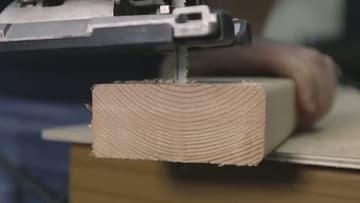
5. Set the Bevel Angle
The shoe tilts, which lets you cut angles instead of straight down. Loosen the base with the lever or hex key, tip it to the angle you want, and read the gauge stamped on the side.
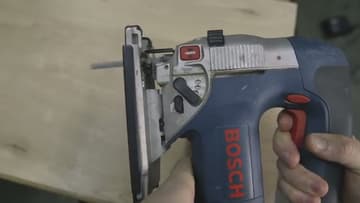
6. Follow a Marked Line
With the saw dialed in, keep your eyes on the blade and the line, not on the body of the tool. Feed at a steady pace and keep the shoe flat on the surface the whole way.
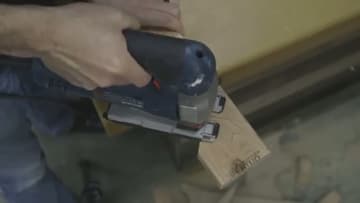
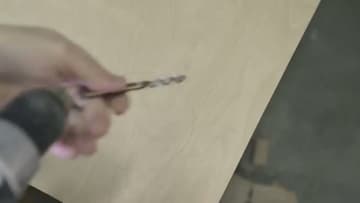
7. Drill a Starter Hole for Interior Cuts
To cut a shape in the middle of a panel, you need a way in for the blade. Mark your shape, then drill a hole just inside the waste line, big enough for the blade to drop through.
Tip: Drill on the waste side of the line, not the keep side. That way the hole disappears when you cut the shape free.
8. Cut a Curve
Curves are where the jigsaw shines. Ease into the arc and let the blade steer, turning the whole saw slowly so the blade never binds.
Tip: For very tight radii, make a couple of relief cuts into the waste first. Small pieces fall away and free the blade to turn.