How to Soften Polymer Clay (Conditioning Hard or Crumbly Clay)
Source: PolymerClayTutor • Full tutorial: www.craftingstepbystep.com/pottery/how-to-soften-polymer-clay
- Difficulty
- Easy
- Hands-on time
- About 15 minutes
- Cost
- About $2 to $5
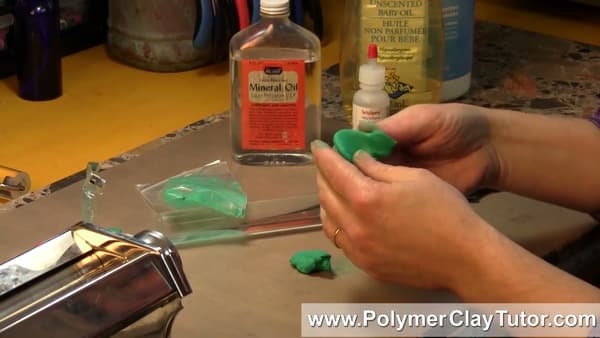
Tools
- Small zip-top bag (sandwich size)
- Acrylic roller or smooth dowel
- Glass tile or non-stick work surface
- Pasta machine (optional)
Materials
- Hard or crumbly polymer clay (Fimo, Premo, Sculpey)
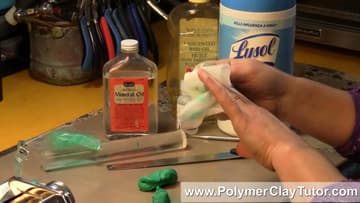
- Mineral oil or unscented baby oil (or Sculpey Clay Softener)
- Baby wipes or kitchen wipes
Steps
1. Break the Hard Clay into Small Pieces
Start by snapping the dry block into the smallest pieces you can. Crumbly clay won't bend, so just keep breaking.
Tip: If a block has been sitting for years, set it on the counter for an hour to come up to room temperature before you break it. Cold clay is even more brittle.
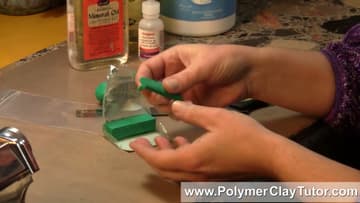
2. Pick an Oil - Mineral, Baby, or Sculpey Clay Softener
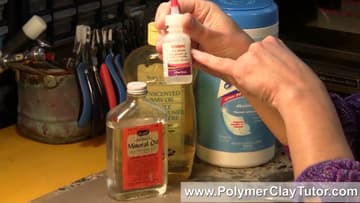
Three oils work. Sculpey Clay Softener is the official product and it's an oil-based softener made for this.
3. Drop the Broken Clay into a Zip-Top Bag
Put the broken-up pieces into a small zip-top sandwich bag. The bag does two jobs - it contains the mess, and it lets you knead the clay through plastic so the oil doesn't coat your hands until you want it to.
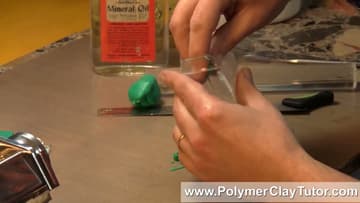
4. Add One Drop of Oil at a Time
One drop. Maybe two for a full block.
Tip: Start with less than you think. You can always add another drop in two minutes if the clay still feels dry. You can't take it back out easily.
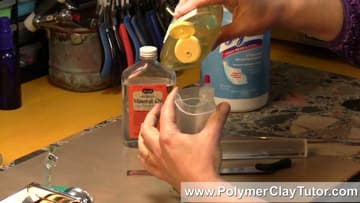
5. Mash the Clay Through the Bag With a Roller
Seal the bag and start working the oil into the clay from the outside. If the clay is too hard to squish with your fingers, lay the bag on a flat surface and press a smooth acrylic roller or rolling pin across it.
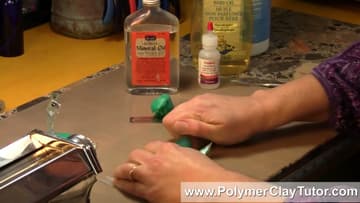
6. Take the Clay Out and Knead by Hand
Once the clay starts to come together in the bag, take it out and finish with your hands. Your hands' warmth helps the rest of the plasticizer absorb.
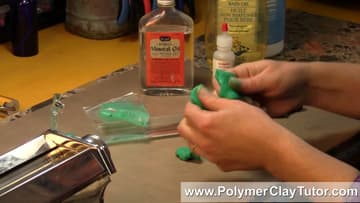
7. Check the Clay Is Soft and Pliable
Roll the clay between your palms into a small log or ball. It should bend without cracking and hold a fingerprint.
Tip: The bend test: roll a thin snake and bend it in half. Properly conditioned clay flexes. Brittle clay snaps - that means it needs another minute of kneading.
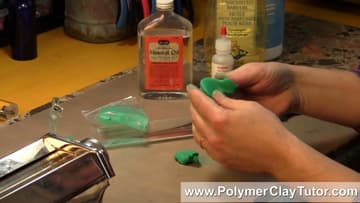
8. Clean Your Hands With a Baby Wipe
Polymer clay color comes off skin easily. A baby wipe or a disinfecting kitchen wipe pulls the pigment right off - no soap-and-water scrubbing needed.
9. Other Ways to Soften Polymer Clay (FAQ)
Can I just warm it up in my hands? Yes - for clay that's only mildly stiff.