How to Smooth Polymer Clay (Beginner Prep Guide)
Source: MyClayCo • Full tutorial: www.craftingstepbystep.com/pottery/how-to-smooth-polymer-clay
- Difficulty
- Easy
- Hands-on time
- About 15 minutes
- Cost
- About $8 to $18
Tools
- Acrylic clay roller
- Pasta machine (Marcato Atlas 150 recommended)
- Tissue blade or craft knife
- Ceramic tile or glass work surface
- Cotton tips (cotton buds)
Materials
- Polymer clay (Sculpey Premo, Fimo Professional, Cernit)
- Isopropyl alcohol (90% or higher)
- Unscented baby wipes
- Copy paper (for leaching soft clay)
- Sculpey Clay Softener or Cernit Magic Mix
Steps
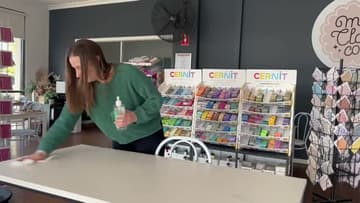
1. Clean Your Work Surface and Tools With Isopropyl Alcohol
Before you touch the clay, spray your workbench down with isopropyl alcohol. The alcohol picks up the dust and lint particles that would otherwise stick to the clay the second you put it down.
Tip: 90% or higher isopropyl alcohol works best. The lower-strength stuff (70%) leaves more residue.
2. Condition the Clay Until It Passes the Bend Test
Conditioning means working the clay until it's evenly soft and pliable. Knead it in your hands, or run it through a pasta machine on the thickest setting and fold it back on itself a few times.
Tip: Fully conditioned clay also holds detail and won't crack when you sculpt thin pieces. Under-conditioned clay is the number one reason beginner pieces break.
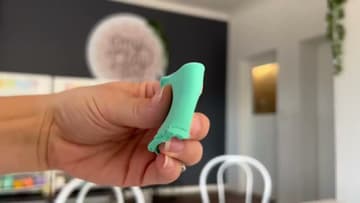
3. Warm Hard or Crumbly Clay Before Working It
Polymer clay that's been sitting on the shelf comes out firm. Cernit and Pardo in particular need warmth before they'll cooperate.
Tip: Thin slices condition two to three times faster than chunks. A tissue blade makes clean cuts without distorting the block.
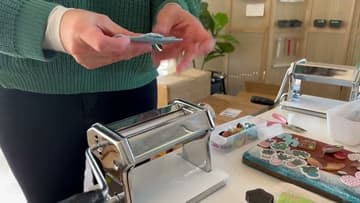
4. Add Clay Softener if Warming Alone Won't Work
If the clay still won't budge after warming and kneading, reach for a softener. Sculpey Clay Softener and Cernit Magic Mix are the two common products.
Tip: Both softeners are oil-based. Mineral oil from the drugstore works in a pinch too, but the dedicated products are more predictable.
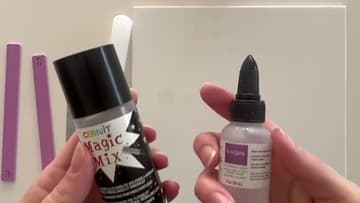
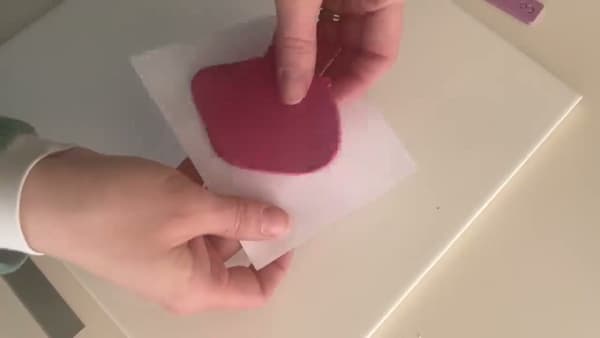
5. Leach Soft or Sticky Clay With Copy Paper
Sometimes a fresh block comes out of the packet too soft - sticky, smeary, and impossible to keep clean. Leaching fixes it.
Tip: If you over-leach and the clay turns brittle, add one drop of clay softener back in and knead. That brings it right back.
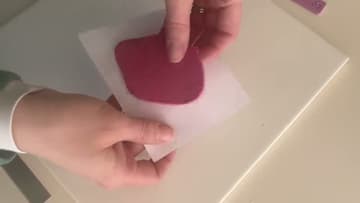
6. Lift Lint and Dust With a Cotton Tip and Alcohol
Spotted a piece of lint stuck to the surface? Don't try to pick it off with your fingernail - you'll dent the clay.
Tip: Cotton tips with paper sticks work better than plastic ones - the plastic can leave streaks if it rubs against the clay.
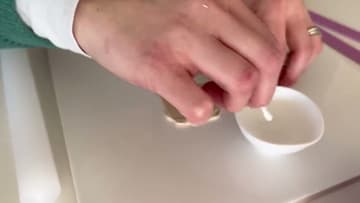
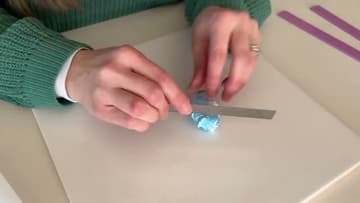
7. Slice Through Air Bubbles With a Tissue Blade
Air bubbles trapped under the surface bake into hollow lumps. Catch them before they go in the oven.
Tip: A long tissue blade slices cleaner than a craft knife on flat sheets, but the craft knife is better for popping bubbles on a sculpted piece without disturbing the form.