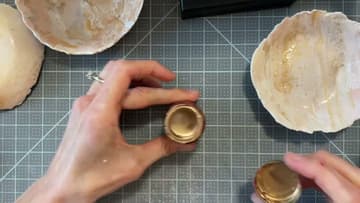
How to Make a Marbled Polymer Clay Dish With Gold Leaf Edge
Source: Alisa Hopper • Full tutorial: www.craftingstepbystep.com/pottery/how-to-make-a-marbled-polymer-clay-dish
- Difficulty
- Easy
- Hands-on time
- About 40 minutes
- Wait time
- 1 hour 15 minutes
- Cost
- About $15 to $25
- Makes
- 1 marbled polymer clay dish with a gold leaf edge

Tools
- Pasta machine or acrylic roller
- Oven-safe bowl or pyrex measuring cup (for draping)
- Baking sheet or tile
- Baking scraper
- Small firm synthetic paintbrush
- Standard home oven
Materials
- Polymer clay - 3 to 4 colors (translucent, white, pink, gold)
- Synthetic gold leaf sheets
- Glitter clay (optional, for shimmer)
- Satin clay glaze
- Liquid gold leaf paint
Steps
1. Roll Out Each Clay Color
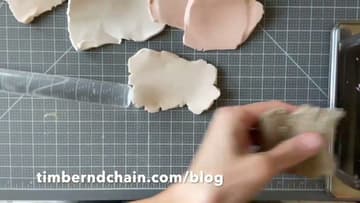
Condition each color of polymer clay in your hands until it's soft and workable, then roll each one out into a thin even sheet. A pasta machine gives you the most consistent thickness, but an acrylic roller or wooden rolling pin works too.
2. Roll Gold Leaf Into the Translucent Clay
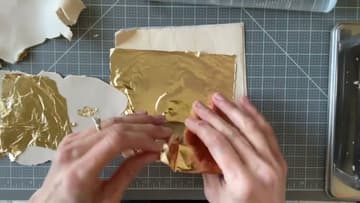
Lay synthetic gold leaf sheets onto a piece of translucent clay. Keep the leaf in its plastic bag until the second you use it - any breath of wind sends it everywhere, and dry hands matter because moisture makes it stick to skin.
Tip: Synthetic gold leaf is inexpensive and behaves the same as real gold leaf for this purpose. The translucent clay is what makes the gold pop - opaque clay buries it.
3. Twist and Marble the Colors
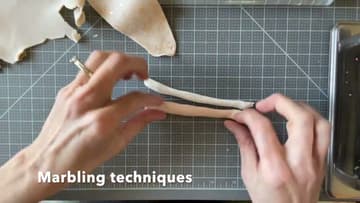
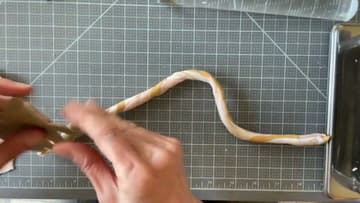
Roll each color into a thick rope, lay the ropes side by side, and twist them together. Twist again the opposite direction.
4. Tear and Reassemble for Variation
Once you have a marbled sheet you like, tear it into chunks and rearrange the pieces. Press them back together, then roll once more.
5. Drape Over an Oven-Safe Bowl
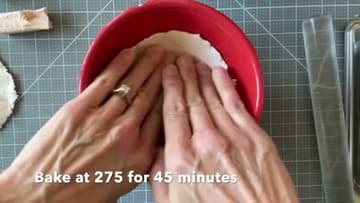
Pick an oven-safe form: the outside of a Pyrex measuring cup, the inside of a small ceramic bowl, or a glass measuring cup all work. The form shapes your dish, so pick something the size and depth you want.
Tip: A baking scraper helps lift the clay sheet off your mat if it's gone tacky. Flip the dish onto the bowl in one motion to avoid stretching the pattern.
6. Bake at 275, Then Glaze
Bake the bowl-and-clay together at 275 degrees Fahrenheit for 45 minutes. Let everything cool fully before lifting the dish off the form - polymer clay is brittle while hot.
7. Brush Liquid Gold Leaf on the Edge
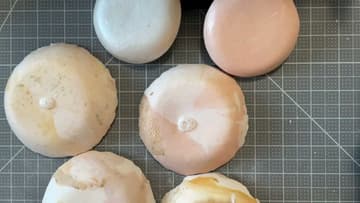
Open your liquid gold leaf paint and load a small firm synthetic brush. Pull the brush along the rim of the dish in short overlapping strokes.
Tip: An acrylic sealer over the dried gold leaf prevents tarnish over time, especially if the dishes will hold metal jewelry that might react with the leaf.