How to Thin Acrylic Paint for Miniatures: 7 Step Guide
Source: Brushstroke Painting Guides • Full tutorial: www.craftingstepbystep.com/painting/how-to-thin-acrylic-paint
- Difficulty
- Easy
- Hands-on time
- About 20 minutes
- Cost
- About $6 to $12
Tools
- Detail brush
- Wet palette or flat palette
- Pipette or brush for water
Materials
- Water-based acrylic paint (Citadel, Vallejo, etc.)
- Clean water
- Primed model or scrap surface for testing
Steps
1. Understand Why Unthinned Paint Looks Bad
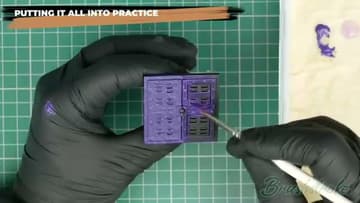
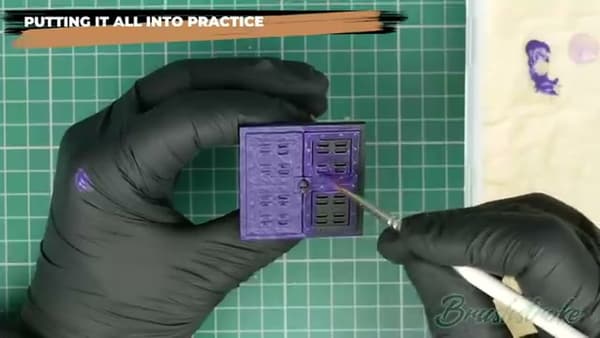
Paint straight from the pot is too thick. When you brush it onto a primed model, it clogs the recessed details, leaves visible brush strokes, and dries in lumpy uneven layers.
2. Squeeze Paint Onto a Palette
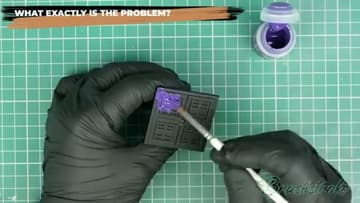
Get a small dot of paint onto a flat palette - a wet palette is even better, but any non-absorbent surface works. Don't try to thin paint inside the pot itself.
3. Place a Separate Water Dot Next to the Paint
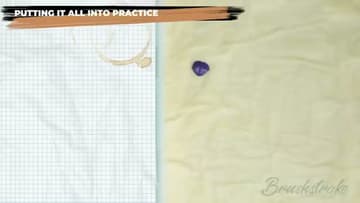
Drop a separate dot of clean water on the palette, an inch or two away from your paint. Don't pour water into the paint - keep them as two distinct pools so you can mix in small amounts at a time.
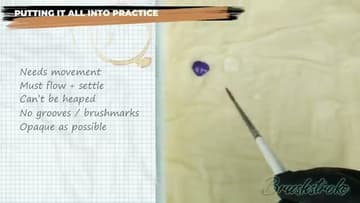
4. Drag Water Into the Paint and Mix
Pick up a brush of water and drag it into the edge of the paint dot. Pull a small amount of paint down with the brush and mix the two together against the palette.
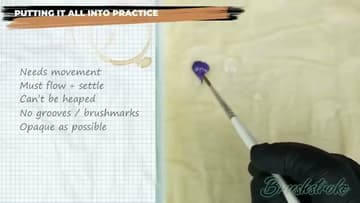
5. Aim for Skim-Milk Consistency
You're looking for paint that flows when the brush moves through it but settles back into a flat surface without holding brush marks. Skim milk is a good visual reference - thin enough to flow, thick enough to still have body.
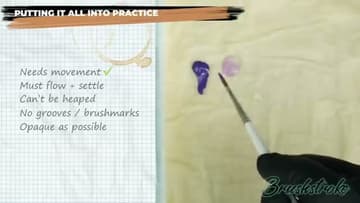
6. Test On a Scrap Surface First
Before the brush goes anywhere near your model, test the mix. The back of your hand, an off-cut of primed sprue, or a scrap of card all work.
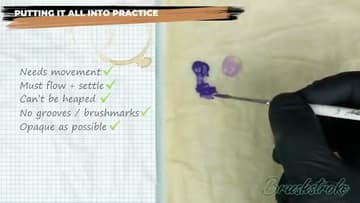
7. Apply With a Light Touch in Thin Coats
Load the brush, then let the bristles just kiss the surface. The thinned paint should flow off the brush almost like ink - you don't need to press it into the model.
Tip: If your wet palette starts pulling extra moisture into the paint between coats, do a quick consistency check on the back of your hand before reloading the brush.